Affiliate disclosure: As an Amazon Associate I earn from qualifying purchases. This article contains affiliate links to Amazon, so we may earn a commission if you buy through them, at no extra cost to you.
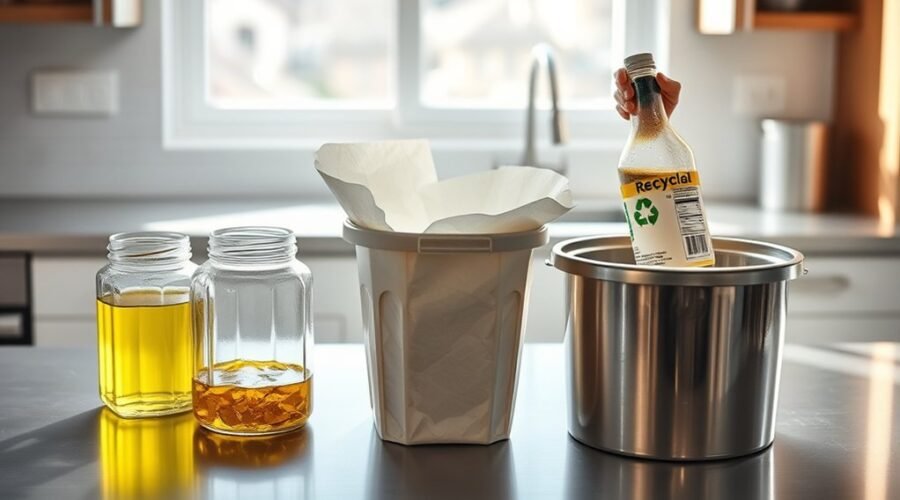
The three safest ways to dispose of cooking oil in 2026 are recycling it through a designated program, solidifying it before trash disposal, or storing it in a sealed, labeled container for approved collection. Oil should cool completely first to prevent burns and spills. A heat-safe funnel and gloves help during transfer, while drain disposal should be avoided because it can clog plumbing and harm waterways. More details can make the process even easier.
FryAway® Deep Fry Oil Solidifier, Solidifies Up to 1 Gallon, Shark Tank
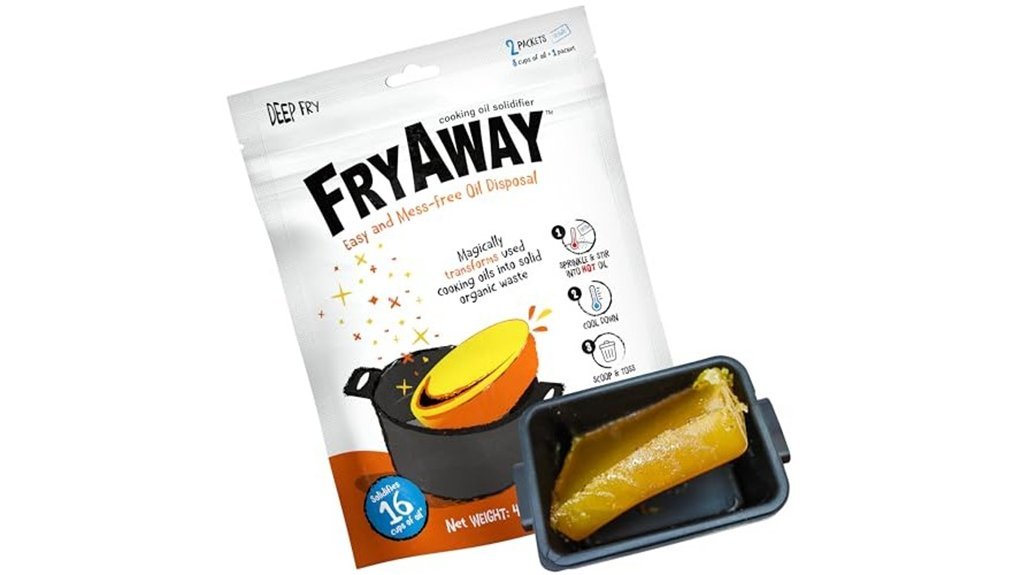
FryAway® Deep Fry Oil Solidifier is a practical choice for home cooks who regularly deal with large amounts of used oil, since each packet can solidify up to 8 cups and two packets can handle a full gallon. The plant-based formula is added to hot oil, stirred until dissolved, and then allowed to cool into a solid block for disposal. It works with many common fats, including vegetable, peanut, olive, and bacon grease. Because it is non-toxic, biodegradable, and designed to keep grease out of drains, it offers a cleaner alternative to pouring oil into the sink.
Best For: Home cooks who frequently deep fry and want an easy, plant-based way to solidify and dispose of large amounts of used oil without clogging drains.
Pros:
- Solidifies up to 1 gallon of used oil with two packets, making cleanup simple.
- Plant-based, non-toxic, biodegradable, and certified Kosher.
- Works with many common cooking oils and fats, including bacon grease and lard.
Cons:
- Only works once the oil is hot enough to dissolve the powder properly.
- Requires buying packets regularly if you deep fry often.
- Not a disposal solution for solid food scraps mixed into the oil.
Anaeat Fine Mesh Stainless Steel Strainer Sieve
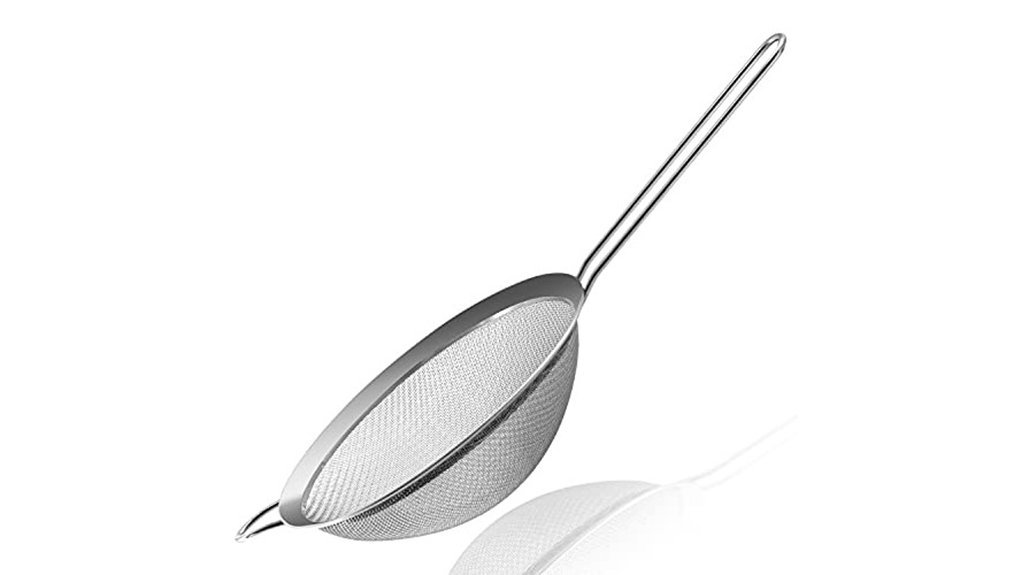
Anaeat’s extra-fine stainless steel mesh suits cooks who need precise straining and minimal waste. The 7.87-inch sieve is built from premium stainless steel and works well for sifting flour, sugar, tea, coffee, rice, spices, cocoa, pasta, fruits, beans, and vegetables. Its long, double-riveted handle helps keep hands away from heat while improving control. The fine mesh separates seeds and small particles efficiently, supporting cleaner sauces and less food loss. Lightweight and dishwasher-safe, it cleans easily and stores compactly, while the polished surface resists scratches.
Best For: Home cooks, bakers, and tea or coffee drinkers who want a fine-mesh strainer for precise sifting, straining, and reducing waste.
Pros:
- Extra-fine stainless steel mesh handles flour, sugar, tea, coffee, rice, spices, and more with good precision.
- Long, double-riveted handle improves control and helps keep hands away from heat.
- Lightweight, dishwasher-safe, and easy to store compactly.
Cons:
- 7.87-inch size may be too small for larger batch straining tasks.
- Fine mesh can require occasional extra rinsing if very sticky ingredients are used.
- Best suited for fine straining, so it may not replace more heavy-duty colanders.
DuraHome Deli Food Storage Containers with Lids
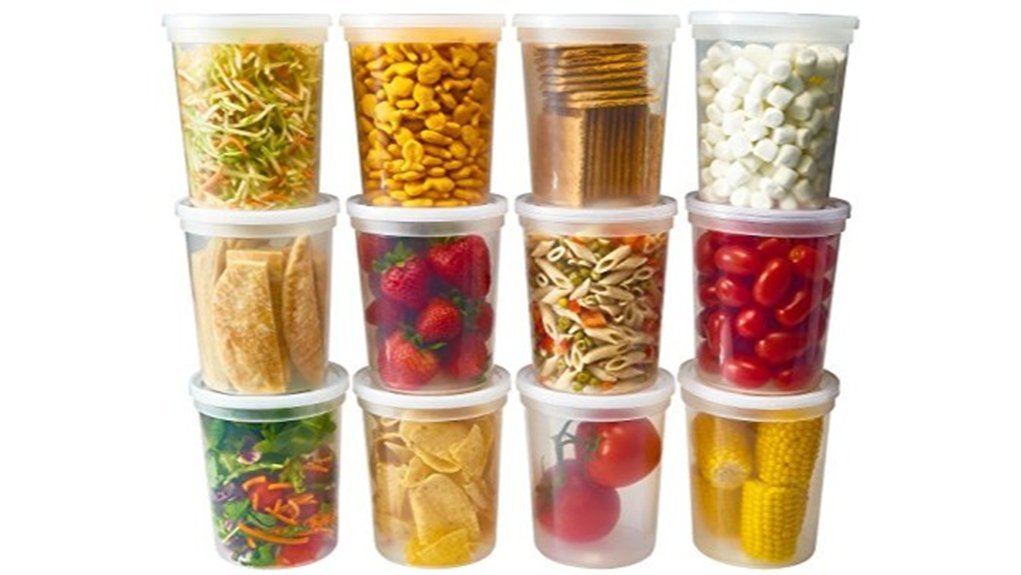
DuraHome’s 32 oz deli containers suit anyone needing reliable, leak-proof storage for kitchen leftovers. The clear, BPA-free polypropylene tubs are heavy-duty, stackable, and reusable, making them practical for organized kitchens. Tight-sealing lids help contain soups, broths, sauces, dressings, salads, and snacks without spills. They handle microwave heating, freezer storage, and top-rack dishwasher cleaning, which adds convenience for busy households and catering settings. Their durability also supports long-term freezing. Beyond food, they can hold crafts, toys, and puzzle pieces. DuraHome backs the pack of 24 with a 100% satisfaction guarantee and replacement support.
Best For: Home cooks, meal preppers, and caterers who need durable, leak-proof, reusable containers for storing hot or cold foods and organizing small household items.
Pros:
- Leak-proof tight-sealing lids help prevent spills and keep food fresh.
- Microwave-safe, freezer-safe, and top-rack dishwasher-safe for convenient everyday use.
- Stackable, BPA-free, heavy-duty design is versatile for food storage and organization.
Cons:
- Lids and containers may take up significant storage space compared with collapsible options.
- Plastic containers may retain odors or stains from strongly colored or seasoned foods.
- Best suited for portioned storage, so they may not be ideal for very large leftovers.
Factors to Consider When Choosing How to Safely Dispose of Cooking Oil: and the Tools You Need to Do It
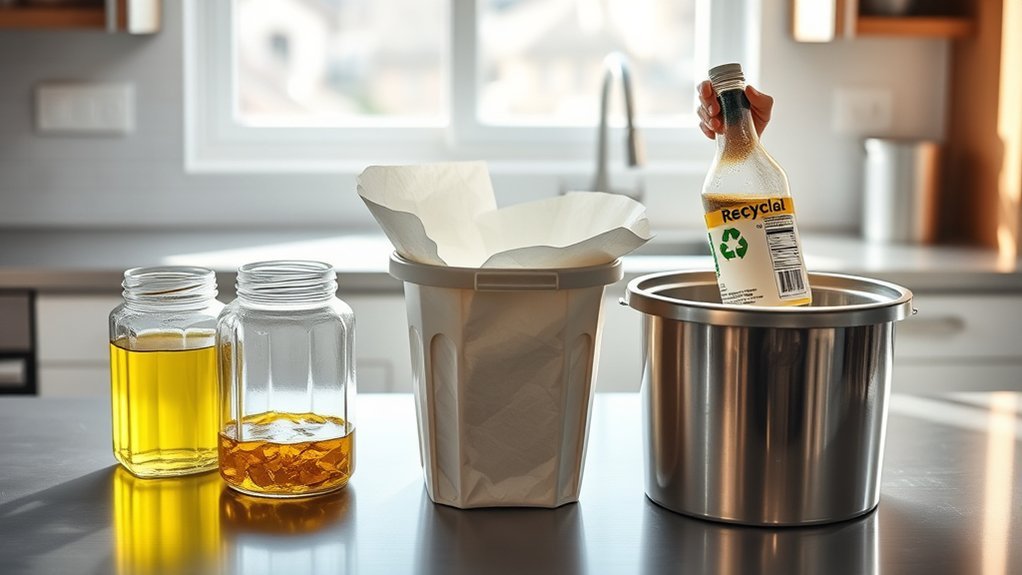
Safe cooking oil disposal depends on the oil type, how well it can be solidified, and whether the right heat-safe tools are available. It also requires protecting plumbing by using proper containers, strainers, and absorbent materials that keep grease out of sinks and drains. Cleanup and temporary storage are easier when the disposal method matches the oil and the tools are ready before handling begins.
Oil Type Compatibility
Different cooking oils are not all disposed of the same way, so the chosen method should match the oil’s composition and potential impact. Vegetable, canola, peanut, and olive oils can behave differently in waste streams, so a compatible disposal option matters. Some methods are better suited to liquid oils, while others are designed to handle thicker residues or mixed kitchen fats. Animal fats such as bacon grease and lard also need attention, since they can create similar hazards if discarded improperly. The key is to confirm that the selected approach will not clog plumbing or introduce excess harm to waterways and sewer systems. Biodegradable solidifiers can improve compatibility across multiple oil types while reducing environmental damage and making disposal more manageable.
Solidification Capacity
Another practical factor in choosing a cooking oil disposal method is solidification capacity, or how much used oil a product can turn into a solid for easier handling. This capacity varies by product, with some solidifiers managing up to 8 cups, or 2 liters, per packet. Using several packets can treat as much as 1 gallon, or 16 cups, of oil. The process generally requires adding the solidifying agent to heated oil above 170°F, stirring until it dissolves, and then letting the mixture cool into a firm block. By keeping grease out of drains, this method reduces plumbing problems and environmental contamination. Biodegradable, plant-based solidifiers may offer added environmental benefits and break down more readily in landfills.
Heat Safety Tools
When disposing of used cooking oil, heat safety tools are essential for preventing burns, spills, and fire hazards. Heat-resistant gloves or mitts should be worn whenever hot oil is handled, since they protect skin from contact injuries. Any ladles, spoons, or similar tools used to stir or transfer the oil need to tolerate high temperatures without melting, bending, or warping. A safety funnel helps guide the oil into a disposal container and reduces splashes that can cause burns. A thermometer adds another safeguard by confirming the oil has cooled enough for handling. Because hot oil can ignite unexpectedly, a fire extinguisher rated for grease fires should remain nearby. These tools support safer disposal and reduce avoidable accidents.
Plumbing Protection
Plumbing protection is a major factor in choosing how to dispose of cooking oil safely, especially after the oil has been cooled and handled with care. Pouring oil down a drain can cause clogs, sewer backups, and expensive repairs because grease solidifies inside pipes and traps food particles and debris. Local regulations may also forbid release into wastewater systems, since oil can contaminate water supplies and damage aquatic ecosystems. A safer approach is to use designated recycling programs or biodegradable solidifiers, which keep grease out of plumbing and support cleaner disposal. The main tools for this method are a container for collection and a solidifying agent when needed. Choosing methods that protect pipes reduces maintenance risks and helps avoid environmental harm over time.
Cleanup And Storage
Proper cleanup after frying begins with letting cooking oil cool completely, which reduces burn risk and makes handling safer. Once cooled, the oil can be transferred carefully into a clean, airtight container to limit odors and prevent contamination. A label showing the date of use helps track storage time and supports timely disposal. For easier handling, a solidifier can be added so the oil becomes a firm block, reducing spills during cleanup. The container should then be kept closed until disposal is arranged. Pouring oil down the drain should be avoided because it can clog plumbing and harm the environment. These steps make cleanup more controlled and storage more reliable, while giving households a safer method for managing used cooking oil after cooking.
Frequently Asked Questions
Can Used Cooking Oil Be Recycled Into Biofuel?
Yes, used cooking oil can be recycled into biofuel. Properly collected and filtered, it may be processed into biodiesel or renewable diesel, reducing waste and emissions while supporting cleaner energy production.
Is It Safe to Pour Cooled Oil Into Compost?
No. Compost welcomes crumbs and peels, yet cooled oil smothers air spaces, slows decomposition, and attracts pests. A small amount may be tolerated, but heavy disposal should be avoided and recycled instead.
How Long Should Oil Cool Before Disposal?
It should cool completely, usually 1 to 2 hours, until it is room temperature or cooler. The oil can then be handled safely, reduced in spill risk, and prepared for proper disposal.
Does Cooking Oil Attract Pests After Disposal?
Yes, improperly discarded cooking oil can attract pests by creating odors and food residues. Once cooled, sealed disposal reduces this risk. Clean containers, trash bins, and surrounding surfaces further discourage insects and rodents.
Can Expired Frying Oil Be Reused for Anything?
Yes, expired frying oil can sometimes serve non-food purposes, such as soap making, lamp fuel in some setups, or lubricant for outdoor tools. It should not be reused for cooking, especially if rancid or contaminated.
Conclusion
In the grand theater of kitchen cleanup, cooking oil is the slippery villain everyone pretends not to notice. Yet 2026 offers three civilized exits: solidify it into a tidy puck, strain it like a tiny oil sommelier, or store it in a container before disposal day. With the right tools, even yesterday’s frying fiasco can be escorted out with dignity, leaving sinks unblocked, pipes untroubled, and households momentarily believing they have mastered adulthood.