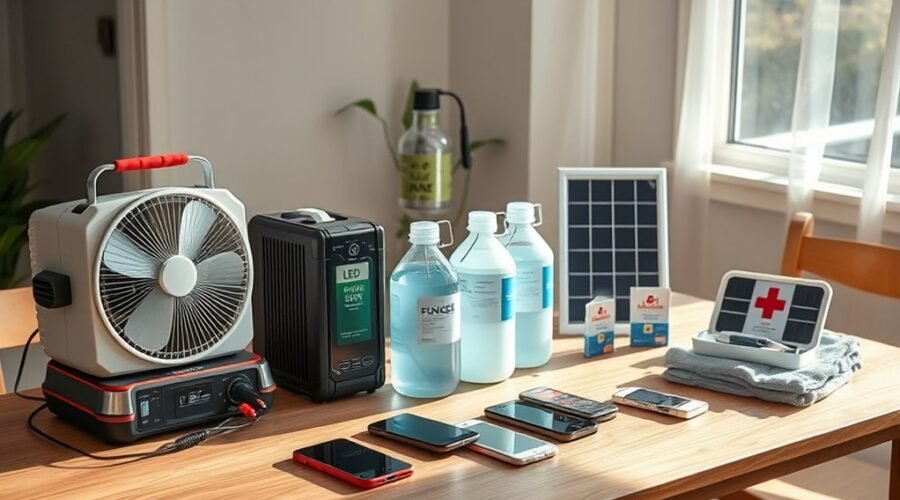
When another heat wave hits and power fails, two useful picks are the Hydro Flask 32 oz Wide Mouth Straw Lid and the Intex 6ft x 20in Easy Set Pool. The bottle keeps drinks cold, stays leakproof, and works with backcountry filters. The pool sets up quickly and offers a small cooling spot. Together, they support hydration, comfort, and basic outage prep. More options can show which gear fits different homes best.
Hydro Flask 32 oz Wide Mouth Straw Lid Stone
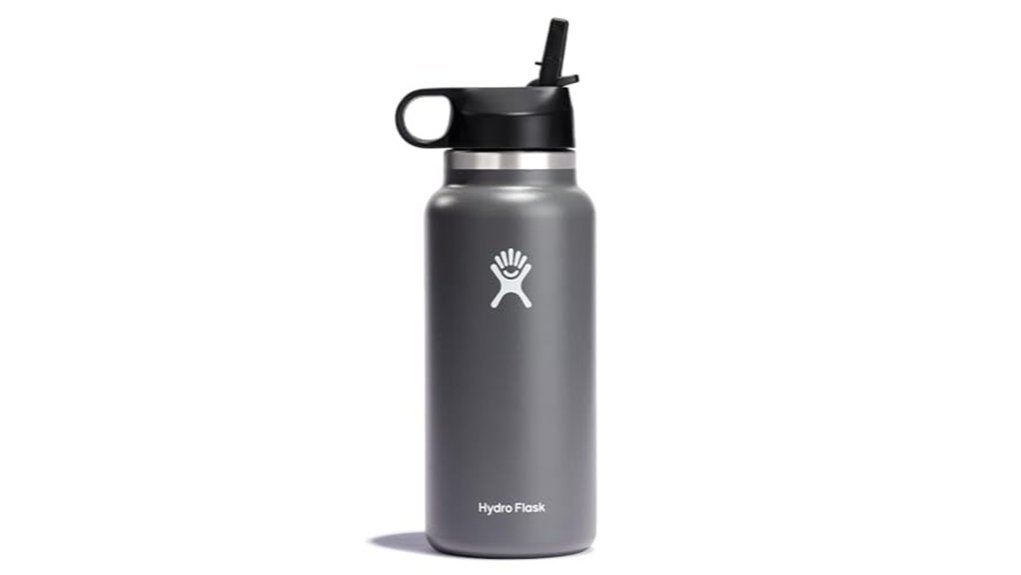
The Hydro Flask 32 oz Wide Mouth Straw Lid Stone is a strong choice for people who want reliable cold hydration during outages or outdoor use. Built from 18/8 pro-grade stainless steel, it is designed for durability and clean taste. TempShield insulation keeps drinks cold for up to 24 hours and hot for up to 12. The leakproof Straw Lid supports easy sipping, while the carry loop improves transport. Its Color Last powder coat is dishwasher safe and offers a slip-free finish. The wide mouth also works with most backcountry water filters, adding utility in emergencies.
Best For: People who want a durable, insulated wide-mouth bottle for cold hydration, outdoor use, and emergency preparedness.
Pros:
- Keeps drinks cold for up to 24 hours and hot for up to 12 hours.
- Leakproof Straw Lid makes sipping easy and convenient.
- Dishwasher-safe powder coat and carry loop add everyday practicality.
Cons:
- Straw lid is best suited for cold beverages rather than hot drinks.
- 32 oz size may be bulky for some users to carry.
- Premium stainless-steel construction may come at a higher price point.
Intex 6ft X 20in Easy Set Above Ground Swimming Pool 28101EH
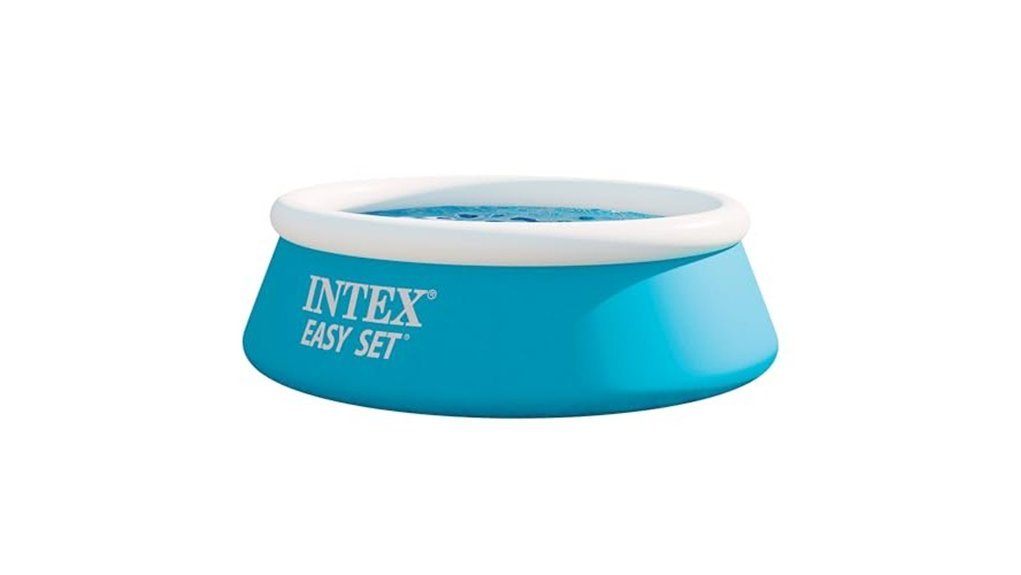
Built for quick summer relief, this compact Intex pool suits families needing easy backyard setup. The 6ft by 20in model 28101NP measures 183cm by 51cm and holds 232 gallons when filled to 80 percent. Its puncture-resistant 3-ply construction adds durability, while the blue finish gives it a simple, familiar look. Setup is straightforward: place it on firm, level ground, inflate the top ring, and add water. In about 10 minutes, it is ready for use. Designed for ages 6 and up, it is sold without a pump.
Best For: Families or beginners looking for a small, easy-to-set-up above-ground pool for quick backyard cooling and light use.
Pros:
- Easy setup in about 10 minutes with no complicated assembly
- Compact 6ft x 20in size is ideal for smaller yards and simple summer fun
- Puncture-resistant 3-ply construction adds durability
Cons:
- Pump is sold separately
- Small size and 232-gallon capacity limit swimming space
- Best suited for ages 6+ and casual use rather than serious recreation
Factors to Consider When Choosing Another Heat Wave Is Coming: These 9 Products Will Help If You Lose Power
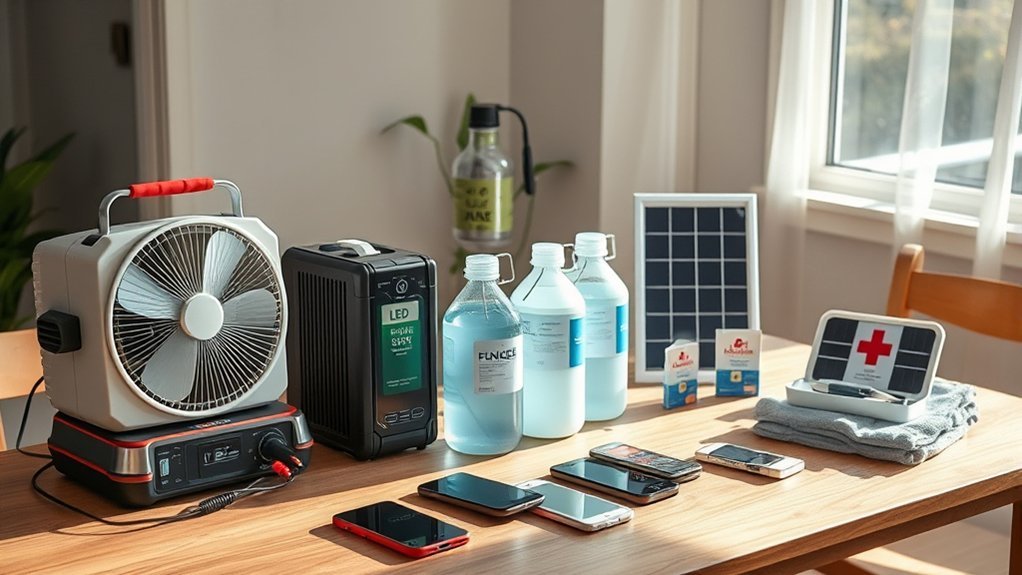
When another heat wave threatens, power outage readiness becomes as important as the ability to manage heat relief needs. The best products are those with enough cooling capacity, practical water storage options, and portable comfort gear for use anywhere in the home. Careful selection helps maintain safety and comfort when electricity is unavailable.
Power Outage Readiness
Preparing for a power outage means thinking beyond flashlights and batteries, especially during a heat wave. Readiness starts with insulated containers that can keep beverages cold for up to 24 hours, reducing dependence on electricity. Leakproof designs matter because they support clean, reliable hydration when normal water access is interrupted. Portable water solutions, including backcountry water filters, help provide safe drinking water in emergency conditions. Durable materials are also important, since outage planning may require products that perform outdoors and hold up under repeated use. Easy setup and low maintenance further improve preparedness, allowing supplies to be deployed quickly without complicated steps. The best choices combine practicality, resilience, and simple operation, making them useful when power loss turns routine tasks into urgent priorities.
Heat Relief Needs
Heat-outage planning also has to account for body temperature, not just basic supplies. During a heat wave, hydration becomes a top priority because sweating quickly drains fluids and raises the risk of heat illness. Insulated containers can help keep water and other drinks cold longer, making it easier to maintain intake when power is out. Relief also depends on access to cooler spaces, whether a shaded outdoor area or another spot with lower temperatures. Portable fans and similar cooling devices can improve circulation and comfort in rooms without air conditioning. Staying indoors during the hottest hours, along with reflective window coverings, can limit indoor heat buildup. The best choices support immediate cooling, steady hydration, and safer conditions until temperatures ease.
Cooling Capacity
Cooling capacity should be a top consideration when selecting products for a heat wave, because it determines how much heat a device can remove from the air each hour. BTU ratings provide the clearest measure, and higher numbers generally suit larger rooms or open spaces. Matching output to the size of the area helps avoid underperformance and wasted energy. For portable units, the energy efficiency ratio, or EER, is also important because it shows how effectively cooling is delivered relative to electricity use. Local humidity should be weighed as well, since evaporative coolers lose effectiveness in damp conditions. A dependable power source, along with backup options, helps preserve cooling performance during outages and supports steady relief when temperatures remain high.
Water Storage Options
Water and cooling often go hand in hand during a power outage, since staying hydrated can be just as important as staying comfortable. For water storage, durable materials such as stainless steel or high-grade plastics are preferred because they improve safety and last longer under repeated use. Capacity matters as well: at least 1 gallon per person per day helps cover basic hydration needs during outages or emergencies. Insulated containers can keep water cooler for longer periods, which is useful when temperatures rise. Leakproof construction is another priority, reducing spills and limiting contamination in emergency kits or outdoor settings. Storage that works with filtration systems adds flexibility, allowing the same container to serve for routine preparedness and more demanding situations without sacrificing reliability.
Portable Comfort Gear
When a power outage arrives during a heat wave, portable comfort gear becomes a practical part of staying safe and comfortable. Insulated water bottles are especially useful because they keep drinks cold for up to 24 hours, supporting hydration when indoor temperatures rise. Lightweight designs make them easy to carry between rooms, outside, or to a cooling station, while leakproof lids and carry loops improve convenience during movement. Stainless steel construction adds durability for outdoor use and helps preserve a clean taste without weakening insulation. Portable cooling items with quick, simple setup can deliver immediate relief, which matters when heat builds fast and electricity is unavailable. In these conditions, compact gear offers a reliable way to stay hydrated and manage discomfort efficiently.
Frequently Asked Questions
How Long Can This Product Keep Items Cold Without Electricity?
It depends on the product, insulation quality, and how often it is opened. Many coolers or refrigerator alternatives can keep items cold for several hours, while premium models may preserve temperatures for one to several days.
Is the Pool Suitable for Small Children?
Like a cautious harbor, it appears suitable only if shallow, stable, and closely supervised. Small children should never use it unattended; age, depth, and safety features determine whether it is appropriate.
What Size Generator Works Best for a House Outage?
A house outage is usually best covered by a 7,000 to 10,000-watt generator, enough for essentials and some appliances. Larger homes or central air may require 12,000 watts or more.
Can the Bottle Fit in Standard Car Cup Holders?
It depends on the bottle’s diameter and base shape; many standard car cup holders fit bottles around 2.5 to 3 inches wide. A tapered design usually improves compatibility, while oversized bottles may not fit securely.
How Should I Store These Items During the Off-Season?
A camper might store them in a cool, dry closet, batteries partly charged and cords loosely coiled. During the off-season, items should stay clean, labeled, and away from direct sunlight, moisture, and extreme temperatures.
Conclusion
As the forecast warns of another heat wave, the contrast is stark: a silent outage can turn ordinary comfort into urgent survival, yet a simple bottle, a small pool, and a few prepared essentials can restore a sense of control. In that tension between vulnerability and readiness lies the real lesson. Power may disappear without notice, but practical tools can soften the heat, preserve water, and make an unbearable day feel manageable.