The best time to buy Halloween candy for 2026 is late September or early October, before peak demand pushes prices up. Early bird deals often appear then, and freshness is usually better than in late-season stock. Bulk options like REESE’S Peanut Butter Cups and Tootsie® Pops Miniatures can help with party planning and trick-or-treating needs. Shoppers should also consider storage, shipping, and neighborhood turnout. More details can help narrow the smartest buying window.
REESE’S Peanut Butter Cups, Milk Chocolate, Snack Size (Pack of 2 Pounds)
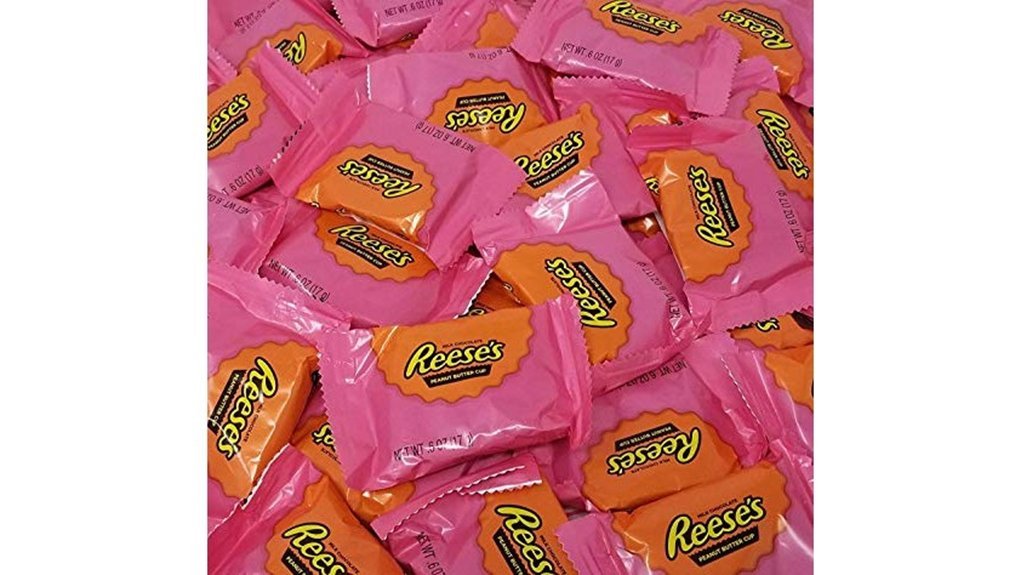
REESE’S Peanut Butter Cups, Milk Chocolate, Snack Size, are a strong choice for shoppers who want a crowd-pleasing Halloween candy with broad appeal. The 2-pound pack offers individually wrapped, bite-sized pieces that simplify handing out treats and portioning them for guests. Creamy peanut butter and smooth milk chocolate provide a familiar combination that suits children and adults alike. The candy is gluten-free and kosher, adding flexibility for mixed groups. Its orange wrapper fits Halloween displays, while the same format also works for parties, birthdays, and other gatherings. Cool shipping may help preserve quality in warm weather.
Best For: Shoppers looking for a crowd-pleasing, individually wrapped Halloween candy that’s easy to share, portion, and serve at parties or other gatherings.
Pros:
- Familiar peanut butter and milk chocolate flavor with broad appeal for kids and adults.
- Individually wrapped, bite-sized pieces make handing out treats and portion control simple.
- Gluten-free and kosher, with versatile use for Halloween, birthdays, parties, and more.
Cons:
- Contains peanut butter, so it’s not suitable for people with peanut allergies.
- Chocolate candy may be affected by warm weather and could require cool shipping.
- Snack-size pieces may feel too small for shoppers wanting a larger candy bar-style treat.
Tootsie® Pops Miniatures, 36 Oz. Bag
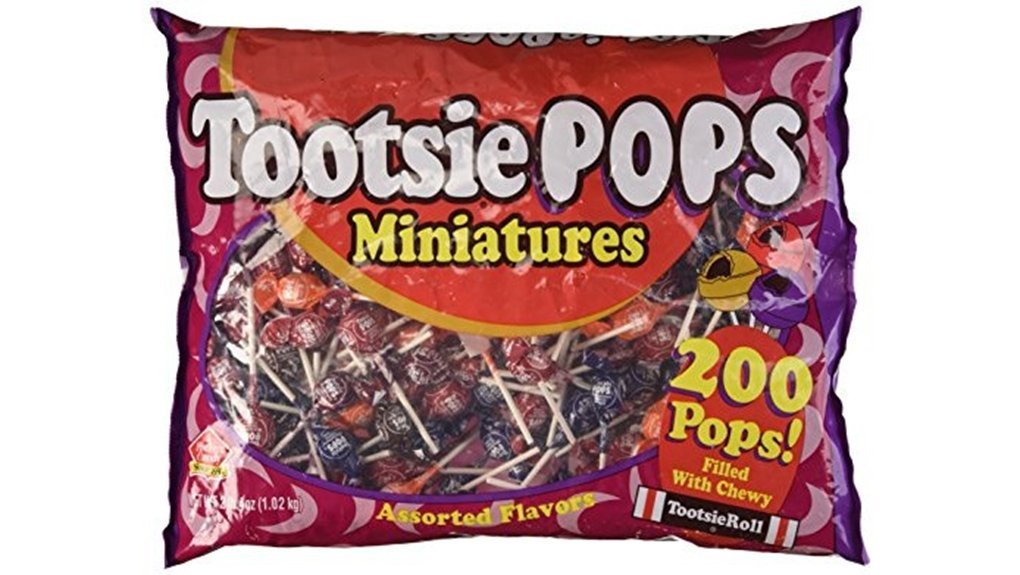
Tootsie® Pops Miniatures suit shoppers wanting assorted, crowd-pleasing Halloween candy. The Tootsie Roll brand offers these miniature pops in a 36 oz., 2.25-pound bag, packaged as one convenient purchase for home use or event planning. Their assorted flavors add variety for trick-or-treat bowls, classroom treats, and party tables. Because they are suitable for all ages, they work well for mixed groups and shared snacking. Their compact size also supports portion control while still delivering the familiar chewy-center, lollipop experience that remains widely recognizable and easy to distribute.
Best For: Families, teachers, party hosts, and Halloween shoppers looking for assorted, easy-to-share miniature candy for mixed-age groups.
Pros:
- Assorted flavors add variety for trick-or-treating, classroom use, and parties.
- Miniature size makes them easy to distribute and helps with portion control.
- Large 36 oz. bag is convenient for home stocking or event planning.
Cons:
- Assorted flavors may not appeal equally to everyone.
- Smaller size means they may feel less substantial than full-size candy.
- Best suited for sharing, so they may not be ideal for those wanting individual treats in larger portions.
Factors to Consider When Choosing When Is the Best Time to Buy Halloween Candy?: Useful Products and Buying Tips
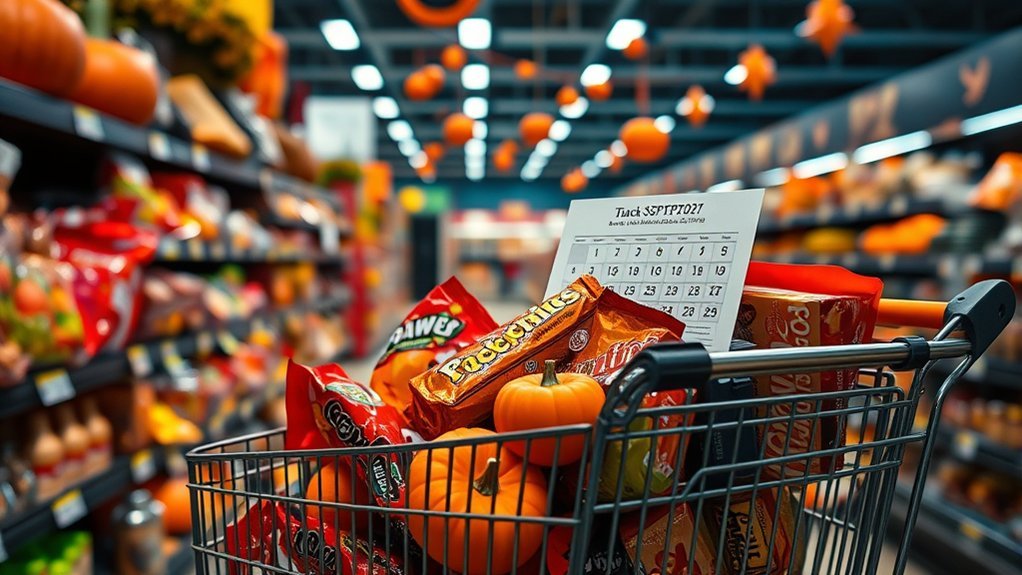
Choosing when to buy Halloween candy often depends on peak season pricing, early bird deals, and how quickly popular varieties sell out. Freshness window and storage considerations also matter, especially for bulk purchases that must stay in good condition until October. A practical buying strategy balances price with demand, so the most sought-after candy is secured before shelves thin out.
Peak Season Pricing
Halloween candy prices typically peak in the weeks leading up to the holiday, often beginning in mid-September and running through late October. During this span, retailers capitalize on strong demand, and the average shopper’s roughly $25 spending helps keep candy a priority category. Prices often remain elevated for standard assortments, while limited-edition flavors can cost more because of their seasonal scarcity. As the holiday nears, temporary promotions may appear, but they do not always erase the broader peak-season markup. For buyers focused on value, timing matters more than brand preference. The market usually shifts after Halloween, when stores lower prices to clear shelves for incoming merchandise. That post-holiday markdown phase generally offers the deepest savings and the clearest break from peak-season pricing.
Early Bird Deals
Early bird deals can offer meaningful savings for shoppers who buy Halloween candy in late September or early October, when many retailers begin clearing inventory before demand peaks. Many stores also stock seasonal candy during back-to-school promotions, creating a window for lower prices before Halloween demand rises. Early purchases often provide a broader assortment of chocolate, gummies, and novelty items, since popular products may disappear later. Bulk buying during these sales can help shoppers manage portions and assemble mixed assortments for different preferences. Extra time before the holiday also makes it easier to compare prices across retailers and identify the best value. For budget-conscious shoppers, acting early can combine selection, flexibility, and savings in one practical purchase strategy for 2026.
Candy Freshness Window
The freshness window for Halloween candy typically runs from late summer through early October, which helps guarantee the best taste and texture by the holiday. This timing matters because many treats, especially chocolate-based candies, generally stay fresh for about six to twelve months. Buying within that range helps preserve flavor and avoid stale or dull textures. Purchasing too early can increase the chance of melting or quality changes if conditions are not ideal. Waiting until closer to Halloween may offer better prices, but it can also reduce selection as popular items sell out. Expiration dates should be checked carefully, since candy past its freshness window may disappoint trick-or-treaters and guests. Timing the purchase well balances freshness, value, and availability.
Storage Considerations
Proper storage plays a major role in deciding when Halloween candy should be bought, since heat, humidity, and sunlight can quickly reduce quality. A cool, dry location helps prevent melting and preserves texture, especially for chocolate-based candy. Airtight containers add another layer of protection by limiting exposure to moisture, which can make sweets sticky or encourage spoilage. Candy should also be kept away from direct sunlight and nearby heat sources, as both can weaken flavor and appearance. Shelf life matters as well, because different candies age differently; chocolate generally fades sooner than hard candy. To reduce waste and keep treats at their best, older stock should be used first, with newer purchases stored behind it in orderly rotation.
Popular Candy Demand
Halloween candy demand usually peaks in late October, when families stock up for trick-or-treaters and parties, and prices often rise as shelves thin out. Popular items such as chocolate bars and lollipops are especially vulnerable to rapid sell-through, with many stores facing shortages in the final week before Halloween. Larger household purchases, particularly from families with children, add to seasonal volume and push demand above normal levels. Retailers also see spikes in interest for unique flavors and limited-edition candies, which can tighten supply further. Buying early helps secure preferred varieties, while purchases made after Halloween can capture markdowns as stores clear leftover stock. Timing thus depends on whether the priority is selection or savings, since high-demand candies move fastest when the holiday nears.
Shipping Lead Times
Shipping lead times can shape when Halloween candy should be ordered, since delivery windows often range from 3 to 10 business days depending on the retailer and shipping method. Because Halloween demand rises sharply, placing an order at least two weeks ahead helps reduce the risk of late arrival. Expedited shipping can shorten delivery to 1 or 2 days, though higher fees may apply. Buyers should also account for heat-sensitive candy, which may need cool pack packaging and extra handling time. Before confirming a purchase, checking the estimated delivery date gives a clearer view of whether the order will arrive before festivities begin. Planning around shipping delays is especially important when buying online, since even small processing changes can affect timing.
Party Size Planning
Party size should guide how much Halloween candy to buy, with most planners estimating about 2 to 3 pieces per guest. Larger gatherings usually call for bulk purchases, which help reduce cost and limit the chance of running out. Event length also matters; a longer party can require extra candy so snacks remain available throughout the evening. Age mix should shape the selection as well, since younger children often favor sweeter treats, while older kids and adults may prefer variety or unusual flavors. Dietary restrictions deserve attention too, making gluten-free and nut-free options important when needed. For hosts in high-traffic neighborhoods, buying a larger reserve is often the safer choice.
Frequently Asked Questions
How Far in Advance Should I Buy Halloween Candy?
They should buy Halloween candy two to four weeks ahead, ideally in early October, to secure variety and avoid shortages. Waiting until the last few days risks limited selections and higher prices at stores.
What Candy Types Stay Freshest Longest?
Hard candies, sealed chocolate bars, and individually wrapped caramels stay freshest longest. Their low moisture and protective packaging slow staling. Sour candies and gummies also keep well when stored cool, dry, and tightly closed.
How Can I Avoid Running Out on Halloween Night?
Extra bowls and a small reserve help; abundance beside emptying streets prevents shortages. They should estimate traffic from prior years, buy more than expected, keep unopened backup bags, and refill discreetly throughout the evening.
Are Bulk Bags Cheaper Than Smaller Candy Packs?
Yes, bulk bags are usually cheaper per piece than smaller candy packs, though quality and variety may vary. A careful comparison of unit prices and package sizes can reveal the best value.
When Do Halloween Candy Sales Usually Start?
Like jack-o’-lanterns lighting early, Halloween candy sales usually start in late September, sometimes earlier in big-box stores. Retailers often stock seasonal sweets as summer ends, with promotions growing through October.
Conclusion
In 2026, the best time to buy Halloween candy may feel like a coincidence of timing, budget, and appetite. REESE’S Peanut Butter Cups and Tootsie® Pops Miniatures can be found at their best value when early bird deals meet low demand, before peak season pricing takes hold. The careful shopper who plans for storage, shipping, and party size often discovers that the right moment arrives just before everyone else notices it.