Reviewed for accuracy · Last updated July 2026
No, houseplants are not reliable natural dehumidifiers for a damp room. Most plants release water vapor through transpiration, so they usually add moisture to indoor air rather than remove enough to stop condensation. Humidity-loving plants such as peace lilies, Boston ferns, spider plants, and English ivy can tolerate bathrooms and kitchens, but they only provide a small local buffering effect. For real humidity control, use a hygrometer, ventilation, leak repair, and a dehumidifier when indoor relative humidity stays above the recommended range.
Quick Answer
Plants can make a humid room feel fresher, but they will not meaningfully dehumidify it. Choose bathroom-tolerant plants for decor and minor moisture buffering, then control dampness with exhaust fans, open vents or windows when outdoor air is drier, and a dehumidifier if readings stay above about 50% to 60% relative humidity.
Key Takeaways
- Houseplants are better described as humidity-tolerant decor, not true dehumidifiers.
- Peace lily, Boston fern, spider plant, English ivy, and bamboo palm can handle damp rooms, but they do not replace ventilation.
- Use a hygrometer and aim for a balanced indoor humidity range instead of guessing by feel.
- Condensation on windows, walls, or ceilings needs source control, airflow, insulation checks, or mechanical drying.
- Peace lily and English ivy are toxic to pets, so use safer choices such as spider plants or Boston ferns in pet-accessible rooms.
Do Plants Actually Reduce Humidity?
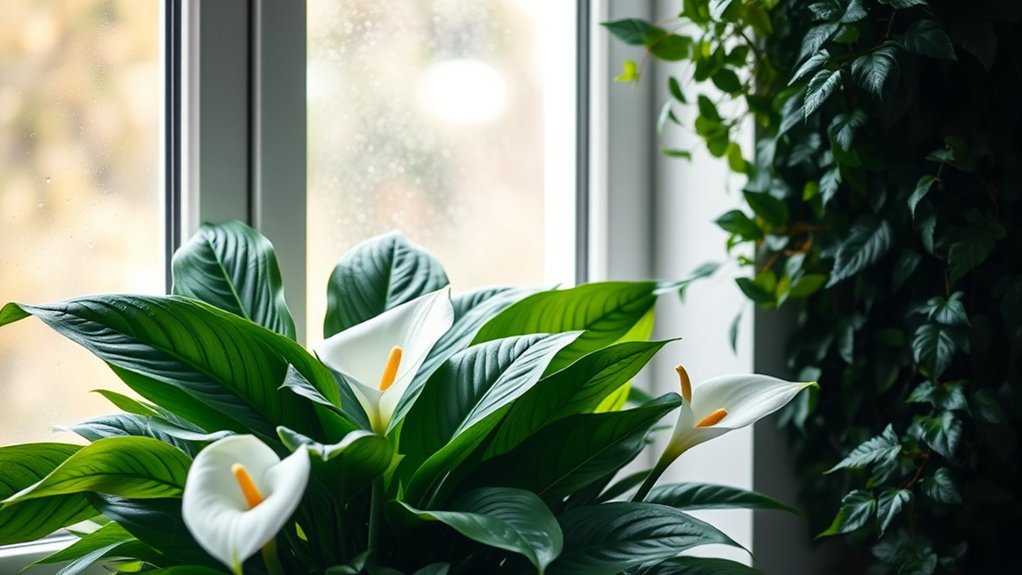
Plants can influence indoor humidity, but you should not expect them to work like a dehumidifier. A plant pulls water from its potting mix, moves that water through its tissues, and releases much of it through leaf pores. That process, called transpiration, often adds water vapor to the room.
Some plants can take in small amounts of surface moisture or tolerate damp air better than others. That is why peace lilies, Boston ferns, English ivy, and spider plants often appear on lists of plants for bathrooms or kitchens. The effect is still modest. If you have wet windows, musty odors, or mold-prone corners, plants should support the room design, not serve as the main fix.
Bottom Line
Use plants for comfort, style, and small microclimate benefits. Use ventilation, source control, and a dehumidifier for measurable humidity reduction.
How Plants Affect Indoor Moisture
Plants affect indoor moisture through a two-way exchange. Their roots absorb water from soil, then leaves release water vapor through transpiration. In a dry room, this can help the air feel less harsh. In a damp room, it can add to the moisture load if you keep many plants or overwater them.
- Leaf area matters: larger, leafier plants usually transpire more than small succulents.
- Watering habits matter: soggy soil keeps adding moisture and can encourage mold in the potting mix.
- Room conditions matter: warm, bright, airy rooms drive more transpiration than cool, dark rooms.
- Mechanical control still wins: fans and dehumidifiers move or remove far more moisture than foliage can.
If you want plants in a damp room, choose species that tolerate humidity and keep the potting mix well drained. Do not group too many plants in a room that already has condensation or poor airflow.
Best Houseplants for Humid Rooms
The best houseplants for a humid room are not the ones that promise dramatic dehumidifying power. They are the ones that survive bathroom or kitchen conditions without rotting, dropping leaves, or needing constant rescue. Use this table to match the plant to the room.
| Plant | Best Room | Humidity Role | Watch-Out |
|---|---|---|---|
| Peace Lily | Bright bathroom or kitchen with indirect light | Handles damp air and signals watering stress clearly | Toxic to cats and dogs |
| Boston Fern | Steamy bathroom with filtered light | Likes humidity and helps soften dry-to-damp swings | Needs steady moisture and good drainage |
| Spider Plant | Bathroom shelf, laundry room, or kitchen window | Tolerates varied light and mild humidity changes | Can brown at the tips if air or watering is inconsistent |
| English Ivy | Hanging basket near bright, indirect light | Tolerates moisture and trails neatly in small rooms | Toxic to pets; keep it contained indoors |
| Bamboo Palm | Larger bathroom, bedroom, or living room corner | Adds greenery and tolerates moderate humidity | Needs space, drainage, and indirect light |
For a windowless bathroom, plants may survive only with a suitable grow light or regular rotation to a brighter room. Damp air alone does not replace light.
Recommended Products

INSTANT ROOM DÉCOR UPGRADE: The bright, glossy, undulating fronds of the live Bird’s Nest Fern provide a dense, lush feel. A beautiful natural decor piece for a bathroom, kitchen, or shaded desk in your home room

Unique Leaflets: The Button Fern (Pellaea rotundifolia) is known for its distinctive, round, button-like leaflets that grow in clusters along thin, delicate stems, giving it a compact, bushy appearance.

TROPICAL HOUSEPLANT: Bird's Nest Fern (Asplenium Nidus) features bright green, wavy fronds that grow in a rosette pattern resembling a bird's nest, making it an attractive addition to any indoor space
Peace Lily for Humid Rooms
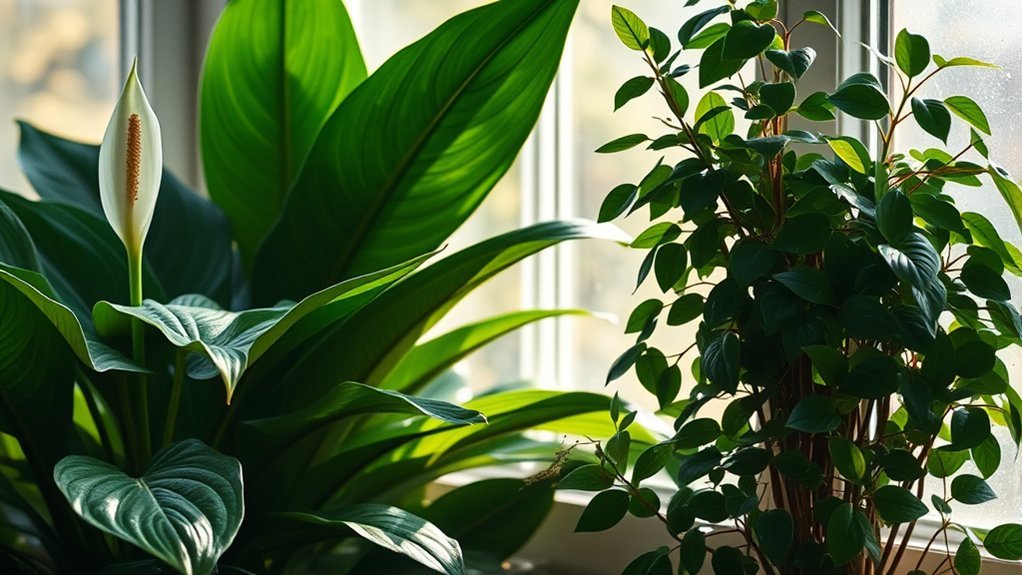
You can use a peace lily (Spathiphyllum) in a humid room because it tolerates damp air, indirect light, and evenly moist soil. It suits bathrooms and kitchens better than many dry-climate plants. Still, it will not remove enough water vapor to stop condensation by itself.
Peace lilies are also not ideal for every home. The ASPCA lists peace lily as toxic to cats and dogs, with irritation and digestive symptoms possible after chewing. Place it out of reach or choose a pet-safer plant if animals share the space.
Peace Lily Benefits
Peace lilies work best as humidity-tolerant houseplants. Their broad leaves add greenery, their drooping leaves make watering stress easy to notice, and their preference for indirect light helps in rooms without direct sun. They can make a damp room feel calmer and less bare.
- Use them where bright, indirect light reaches the leaves.
- Keep the soil lightly moist, not saturated.
- Empty saucers so water does not sit under the pot.
- Keep them away from pets and curious children.
A peace lily is a good decorative support for a humid room, but your fan, window, or dehumidifier should handle the actual moisture control.
Ideal Room Conditions
A peace lily performs best in a warm room with indirect light, steady moisture, and gentle airflow. Bathrooms can work if they have a window or enough artificial light. Kitchens can also work if the plant stays away from hot appliances, cold drafts, and greasy residue.
If the leaves droop often, check the soil before watering. Droop can mean the plant is dry, but overwatered roots can also struggle. A pot with drainage holes is more important than using the plant as a humidity tool.
Care Tips for Humidity
When you keep a peace lily in a damp room, manage the pot first. Overwatered soil can create the same musty problem you are trying to avoid.
- Water only when the top inch of soil feels slightly dry.
- Use a nursery pot with drainage holes inside a decorative cover pot.
- Wipe leaves occasionally so dust does not block light.
- Move the plant if you see mold on the soil surface.
This care routine keeps the plant healthy without turning it into another moisture source.
Boston Fern for Condensation Control
A Boston fern (Nephrolepis exaltata) is one of the better plants for a steamy bathroom because it likes humidity, filtered light, and evenly moist soil. That does not mean it controls condensation in a measurable way. It simply tolerates the same room conditions that often create condensation.
Use a Boston fern when you want soft foliage in a bathroom, laundry room, or kitchen corner. If window condensation keeps returning, use it alongside an exhaust fan, shorter hot showers, better airflow, or mechanical dehumidification.
Boston Fern Benefits
Boston ferns bring practical value because they tell you quickly when the room or care routine is wrong. Brown, crispy fronds usually point to low humidity, underwatering, or harsh air. Yellowing and soggy soil can point to overwatering or poor drainage.
- Place it in bright, indirect light.
- Keep the soil evenly moist, not waterlogged.
- Trim dead fronds to maintain airflow through the plant.
- Use a hanging basket or plant stand to keep fronds off wet surfaces.
Boston ferns are useful for humid-room styling, but they are not a substitute for fixing damp walls, leaks, or poor ventilation.
Humidity Control Needs
Boston ferns prefer a room that already has some moisture in the air. That makes them suitable for bathrooms with indirect light, but it also means they are not pulling the room dry. If the air becomes too dry, the fronds often crisp. If the pot stays too wet, roots can decline.
Keep the fern healthy by balancing moisture with drainage. A healthy fern can soften the feel of the room. It cannot extract pints of water from the air like a dehumidifier.
English Ivy and Spider Plant
English ivy (Hedera helix) and spider plant (Chlorophytum comosum) can both work in damp rooms, but for different reasons. English ivy trails well in small spaces and can handle humid air. Spider plants are forgiving, adaptable, and easier for beginners.
Be careful with safety claims. English ivy is often promoted online for mold control, but those claims are usually repeated without a clear real-home study. The ASPCA lists English ivy as toxic to dogs, cats, and horses. Spider plants are a better choice for many pet homes, though any plant can cause stomach upset if a pet eats enough of it.
Use English ivy or spider plants as damp-room greenery, not as a mold or condensation treatment.
- Choose English ivy only where pets cannot reach it.
- Choose spider plant when you want an easier, more forgiving option.
- Use hanging planters to keep leaves away from wet counters and floors.
- Pair both with airflow if the room smells musty.
Low-Maintenance Plants for Damp Spaces
For damp indoor areas, choose low-maintenance plants that tolerate humidity without needing soggy soil. Spider plant is the easiest starting point because it handles varied light, grows quickly, and recovers well from imperfect care. Boston fern suits brighter bathrooms if you can keep its soil evenly moist. Peace lily works in indirect light but needs pet-safe placement.
Bamboo palm can suit a larger humid room if it has enough light and space. English ivy works best in a hanging container where you can control its spread and keep it away from pets. Avoid cacti and many succulents in damp bathrooms because they usually prefer brighter, drier conditions.
Why Plants Aren’t Enough for Condensation
Houseplants are not enough for condensation because condensation forms when warm, moist air meets a cold surface. A plant does not warm the glass, insulate the wall, vent steam outdoors, or remove water at the rate a dehumidifier can.
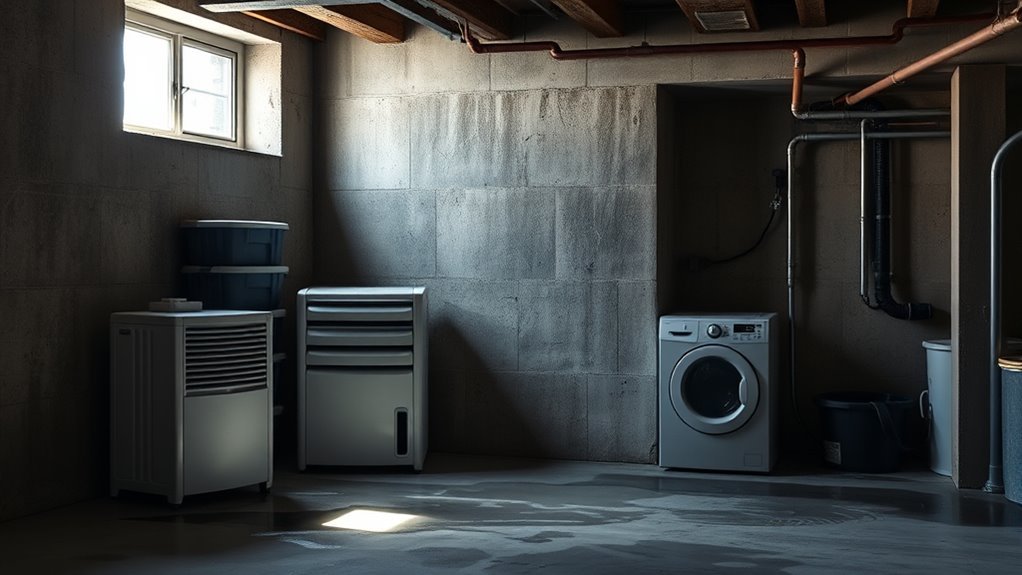
The U.S. EPA recommends keeping indoor relative humidity below 60%, ideally between 30% and 50% where possible. If your hygrometer regularly reads above that range, treat the cause before adding more plants. Common causes include long hot showers, unvented cooking, indoor laundry drying, plumbing leaks, damp basements, and cold window surfaces.
- Plants may release water vapor through transpiration.
- Overwatered soil can add moisture and musty smells.
- Cold surfaces keep creating condensation until temperature or airflow changes.
- Fans and dehumidifiers give measurable control because they move or remove water from the air.
Better Ways to Reduce Indoor Humidity
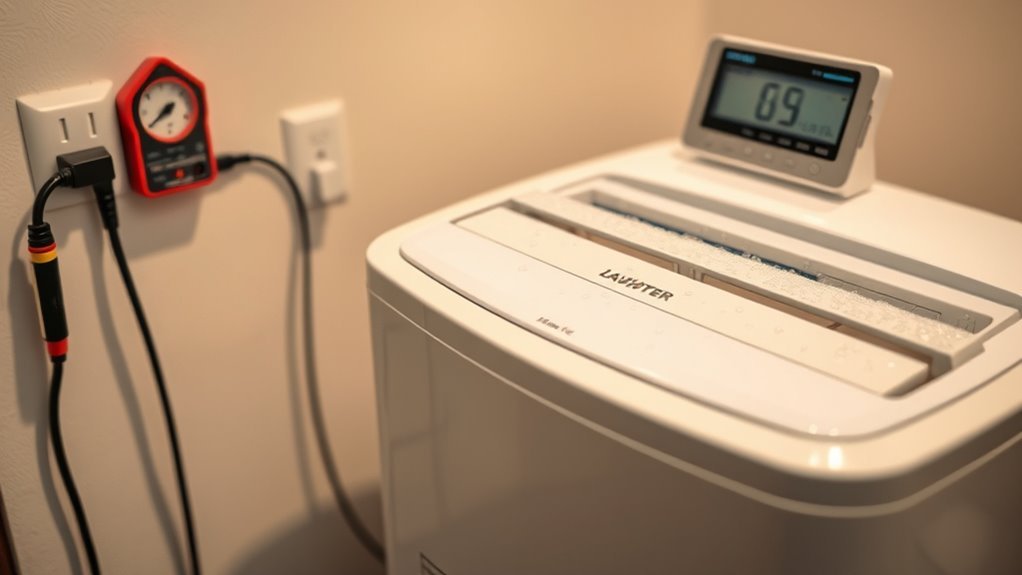
Better indoor humidity control starts with measurement. Use a small hygrometer before you decide whether the room is truly too damp. If humidity stays high, use fixes that remove moisture at the source.
- Run exhaust fans: use bathroom and kitchen fans during moisture-producing tasks and keep them running after showers or cooking.
- Vent outdoors: make sure fans and dryers exhaust outside, not into an attic, wall cavity, or laundry closet.
- Fix leaks: check plumbing, window frames, roof areas, and damp basement corners.
- Improve airflow: open interior doors, avoid blocking vents, and leave space behind furniture near cold exterior walls.
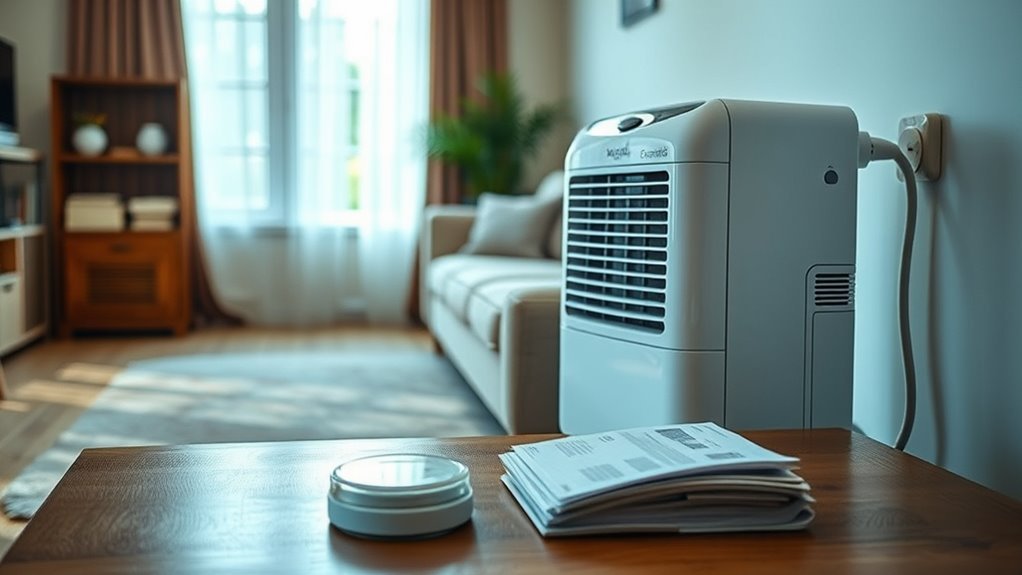
- Use a dehumidifier: choose mechanical drying when humidity remains high despite ventilation and source control.
Plants can stay in the room after you solve the moisture problem. They just should not be the first or only line of defense.
Recommended Products

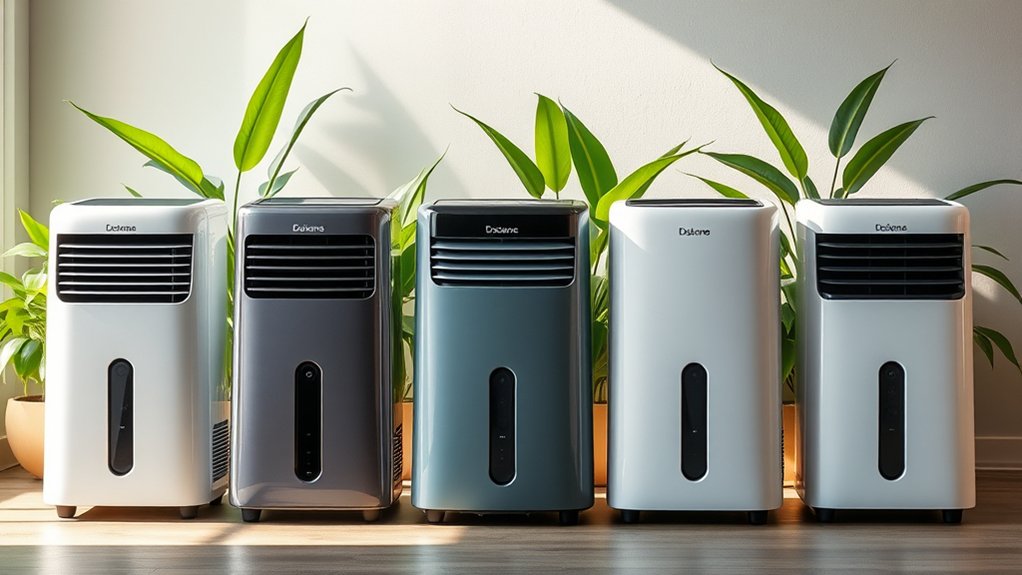
Semiconductor dehumidifiers use thermoelectric cooling to remove moisture from the air. They create a drier, more comfortable environment by reducing humidity and improving air quality.

🍃Advanced Small Dehumidifier for Home: Designed for lasting home use, our bathroom dehumidifier works gently and steadily to maintain a balanced humidity level. The large 44 OZ (1.3L) water tank minimizes emptying frequency. Suitable for dorm room, camper, apartment, room, office and living room. No more dampness-just fresh, comfortable air everywhere

Effective Moisture Control for Home Use: OWAAE dehumidifier is designed to reduce excess moisture and help maintain comfortable humidity levels in everyday living spaces. It works best in moderate-to-high humidity environments, improve overall air comfort at home
Plants vs. a Dehumidifier: Which Should You Use?
Use plants when the room is only mildly humid and you want a more comfortable, natural-looking space. Use a dehumidifier when humidity stays high, condensation appears often, or musty odors return after cleaning.
| Situation | Plants Are Enough? | Better Fix |
|---|---|---|
| Bathroom feels steamy after a shower but dries quickly | Yes, for decor and comfort | Use the exhaust fan and keep a humidity-tolerant plant |
| Windows drip with condensation most mornings | No | Improve ventilation, reduce moisture sources, and check insulation |
| Room smells musty or shows mold spots | No | Find the water source, clean safely, and keep RH below recommended limits |
| Humidity remains above 60% on a hygrometer | No | Use a dehumidifier or HVAC humidity control |
Recommended Products


USDA Hardiness Zones 9-11

HEAVY-DUTY RESIN CONSTRUCTION — Engineered with premium heavy-duty resin, this 6-inch rectangular plant saucer delivers exceptional crack-resistant durability. Unlike flimsy plastic alternatives, the sturdy build confidently supports your pots without bending or buckling, providing a reliable, low-maintenance solution for indoor gardening season after season.
Related Guides
Frequently Asked Questions
What plant is a natural dehumidifier?
No common houseplant works like a true dehumidifier. Peace lily, Boston fern, spider plant, English ivy, and bamboo palm can tolerate humid rooms, but they will not remove enough moisture to replace ventilation or a dehumidifier.
What plant removes 78% of airborne mold naturally?
Do not rely on the “78% airborne mold” claim as a home-safety fact. It is widely repeated online for English ivy, but the claim is not a practical substitute for keeping humidity under control, cleaning mold safely, and fixing the moisture source.
Do plants help with condensation on windows?
Plants may change the small microclimate around their leaves, but they do not fix window condensation. Condensation usually needs better ventilation, lower indoor humidity, warmer glass surfaces, or reduced moisture from showers, cooking, and laundry.
Are peace lilies safe for pets?
No. Peace lilies are toxic to cats and dogs if chewed or swallowed. English ivy is also toxic to pets. Spider plants and Boston ferns are usually better options for homes with curious pets, but you should still keep plants out of reach.
Should you use a dehumidifier instead of plants?
Use a dehumidifier if a room stays damp, smells musty, or regularly reads above about 50% to 60% relative humidity. Keep plants for decor and comfort after you control the moisture source.
Conclusion
Plants can make a humid room look and feel better, but they cannot reliably dry it. Peace lily, Boston fern, spider plant, English ivy, and bamboo palm are useful choices for bathrooms and kitchens because they tolerate damp air. They are not a cure for condensation, mold risk, or high humidity.
Start with a hygrometer. If the room stays damp, improve ventilation, fix water sources, and use a dehumidifier when needed. Once the moisture problem is controlled, houseplants can add the finishing touch.