Affiliate disclosure: As an Amazon Associate I earn from qualifying purchases. This article contains affiliate links to Amazon, so we may earn a commission if you buy through them, at no extra cost to you.
For 2026, six strong hiking sock picks stand out: DANISH ENDURANCE for thick merino cushioning and value packs, Darn Tough for its lifetime guarantee and seamless comfort, Maggie’s Organics for cold-weather merino warmth, Dickies for breathable moisture control and durability, FEIDEER for cushioned cotton-blend comfort, and Farm to Feet for targeted support on long trails. Each offers a different balance of fit, warmth, and performance, and the best choice depends on conditions, boot fit, and hiking style.
DANISH ENDURANCE Hiking Socks, Merino Wool, 3 & 5-Pack, Light Grey, Large
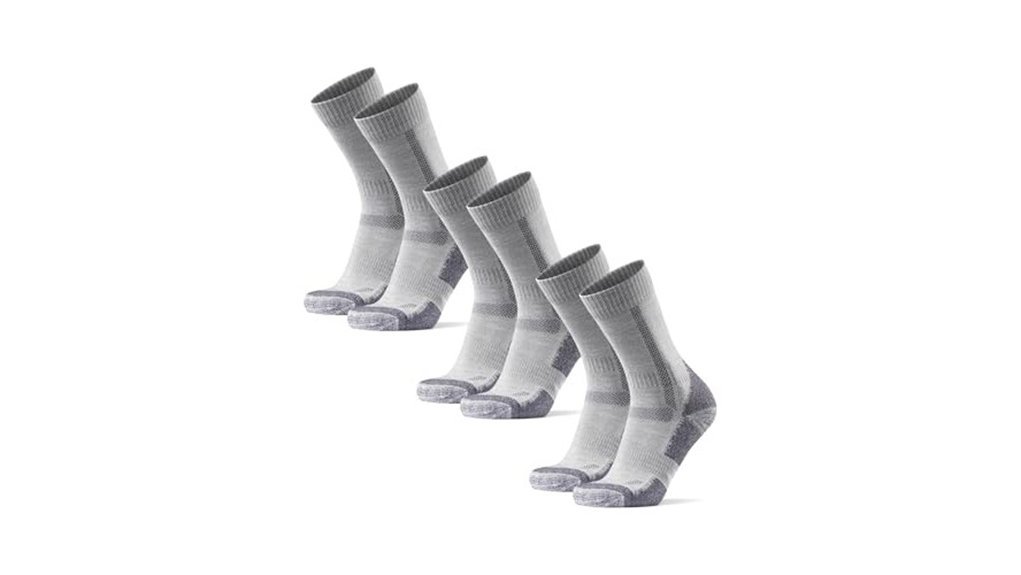
The DANISH ENDURANCE Hiking Socks are a strong choice for hikers who want dependable all-day comfort in changing conditions. Made in Portugal, they combine 38% merino wool with polyamide, acrylic, and elastane for warmth, stretch, and durability. Thick cushioning from heel to toe helps reduce friction and absorb impact inside boots. The merino wool blend also manages temperature and moisture, supporting dry feet on long treks, outdoor work, or daily wear. Offered in light grey and large size, the socks are machine washable, and the one-year anti-hole guarantee adds practical reassurance.
Best For: Hikers, outdoor workers, and everyday wearers who want warm, cushioned, moisture-managing socks for all-day comfort in boots.
Pros:
- Merino wool blend helps regulate temperature and wick moisture to keep feet dry and comfortable.
- Thick heel-to-toe cushioning reduces impact and friction during long walks or hikes.
- One-year anti-hole guarantee offers helpful extra peace of mind.
Cons:
- Only available in light grey and large size in this listing, which limits options.
- Machine wash only with wool detergent and no tumble drying, so care is more specific.
- Merino blend may be less ideal for those who prefer thinner, lighter socks.
Darn Tough Hike-Trek Merino Wool Micro Crew Cushion Sock (Pair) – S Olive
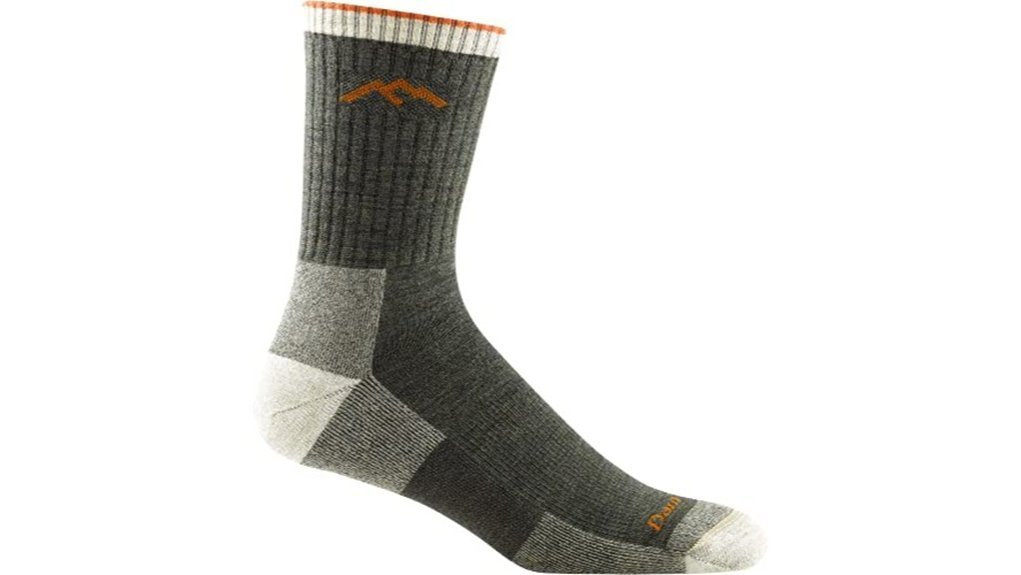
Built for hikers who value durability and all-weather comfort, this micro crew sock delivers dependable performance on long miles. Darn Tough Vermont’s Hike-Trek Merino Wool Micro Crew Cushion Sock combines 61% merino wool, 36% nylon, and 3% Lycra spandex for a supportive, resilient fit. Its midweight cushion underfoot adds comfort, while True Seamless technology helps reduce irritation. The fast-wicking knit manages moisture well, keeping feet cooler in heat and warmer in cold. Peeking above standard boots, the olive pair is made in Vermont and backed by a lifetime guarantee against wear, tear, or holes.
Best For: Hikers and outdoor enthusiasts who want a durable, comfortable merino wool sock with reliable moisture control and all-season performance.
Pros:
- Midweight cushion underfoot adds comfort on long hikes.
- Merino wool blend offers breathable, temperature-regulating performance.
- Lifetime guarantee provides excellent long-term value and peace of mind.
Cons:
- Wool blend may be less ideal for those who prefer thin or ultra-light socks.
- Micro crew height may not suit people wanting a taller sock.
- Premium construction often comes at a higher price than basic socks.
Maggie’s Organics – Organic Wool Mountain Hiker Socks – 1 Pair – Unisex
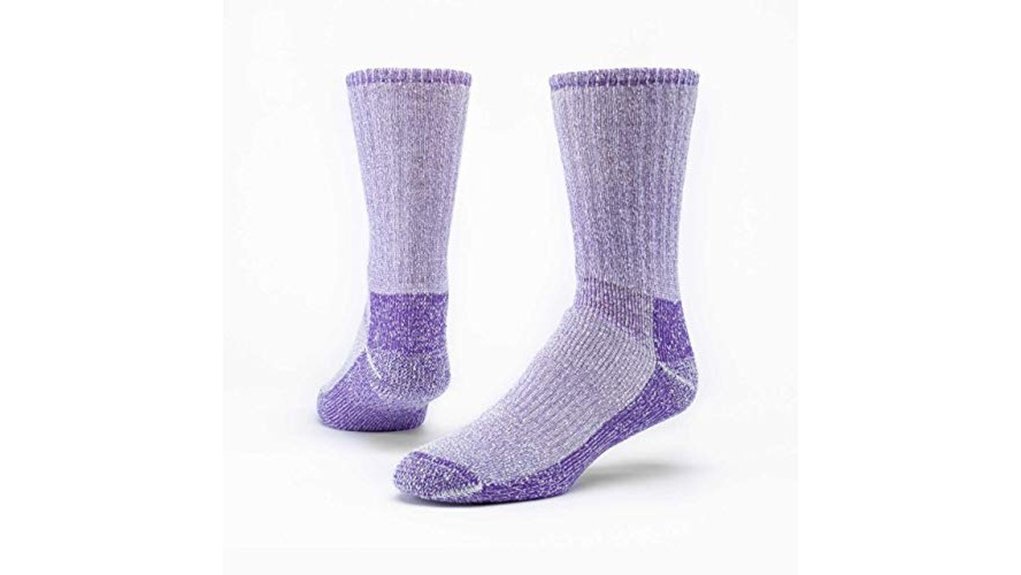
Maggie’s Organics Mountain Hiker Socks suit cold-weather hikers who want warmth and durability. These unisex, purple socks are made in the USA and have been produced since 1992. Their blend of 70% organic merino wool, 29% nylon, and 1% spandex provides heavy-duty moisture-wicking insulation for hiking, camping, and other winter outings. A patented chlorine-free anti-felt treatment supports machine washing, while warm-water cleaning and low-heat drying help preserve longevity. Fair trade sourcing underscores the brand’s commitment to sustainability, transparency, and heritage in a practical mountain sock.
Best For: Cold-weather hikers, campers, and outdoor enthusiasts who want warm, durable, and sustainably made unisex socks.
Pros:
- Heavy-duty moisture-wicking blend of organic merino wool, nylon, and spandex for warmth and comfort
- Machine washable with a chlorine-free anti-felt treatment for easier care
- Fair trade sourcing and USA-made since 1992 support sustainability and heritage
Cons:
- Wool blend may be too warm for mild-weather use
- Low-heat drying and warm-water washing require more careful laundering
- Higher-performance materials may come at a higher price than basic socks
Dickies Men’s Dri-Tech Moisture Control Crew Socks
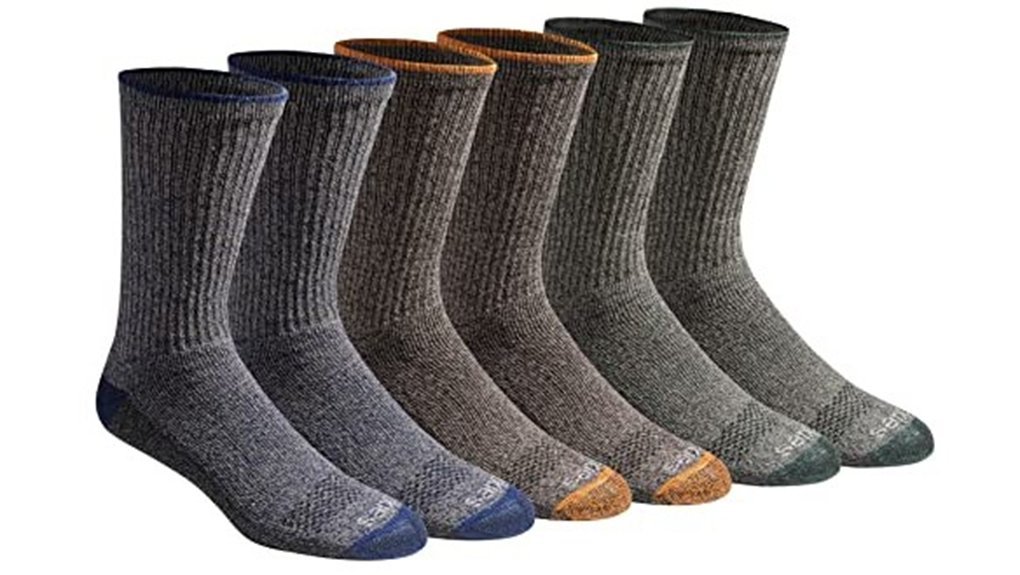
Dickies Men’s Dri-Tech Moisture Control Crew Socks suit hikers who want dry, supported feet on long trails. The Dickies Original Moisture Control Crew Socks, models I11750, I11752, and I615108, use soft, breathable fibers that help manage moisture. Ventilation channels improve airflow and aid temperature regulation, while arch compression adds support and stability. Reinforced heels and toes improve durability for repeated wear. They come in sizes M to XXL, with large among the options, and are sold in 6, 12, or 18-pair packs. Heathered color sets are available in 6-pair versions.
Best For: Hikers and active men who want moisture-wicking, supportive crew socks for all-day comfort on long trails.
Pros:
- Breathable fibers help keep feet dry and comfortable.
- Arch compression adds support and stability.
- Reinforced heel and toe improve durability for repeated wear.
Cons:
- Limited to crew-sock length, which may not suit everyone.
- Fabric content may vary by color, so consistency isn’t guaranteed.
- Heathered color options are only available in 6-pair packs.
FEIDEER Women’s Hiking Walking Crew Socks (5WS18105-M)
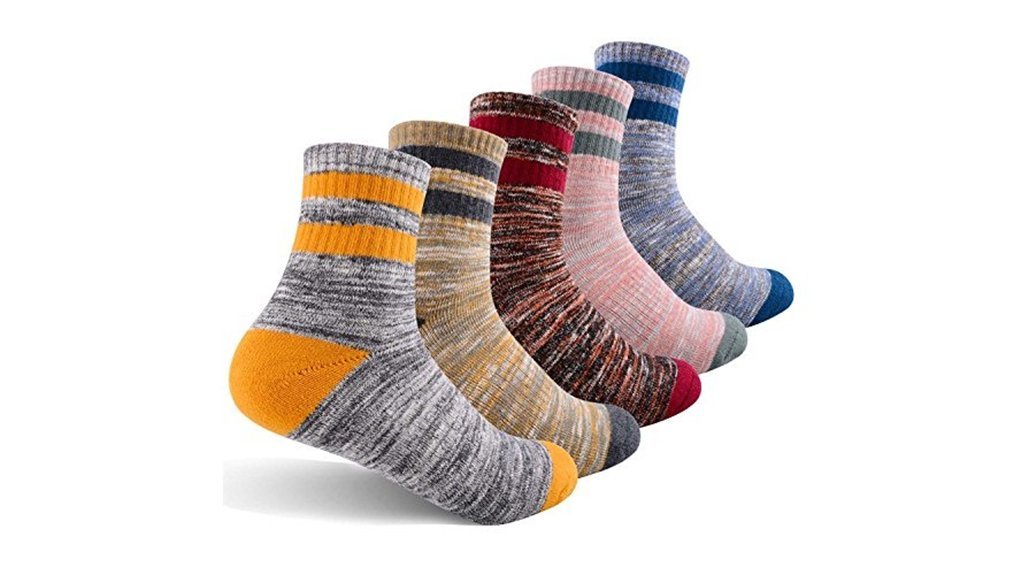
FEIDEER’s Women’s Hiking Walking Crew Socks suit hikers who want cushioned comfort and a secure fit. Made from 75% cotton, 22% polyester fibre, and 3% spandex, the medium size fits women’s US sock sizes 4.5-7. MESH VENTILATION ZONE panels support breathability and moisture control during long outings. FULLY CUSHIONED construction, with thickened toes and heels, helps absorb shock and reduce friction. An elasticized arch brace and ribbed cuffs improve stability without feeling overly tight. Gray Pink, Gray Blue, Gray Yellow, and Gray Red options add variety for trekking, walking, running, camping, hiking, skiing, and cycling.
Best For: Women who want cushioned, breathable crew socks with a secure fit for hiking, walking, running, and other outdoor activities.
Pros:
- Mesh ventilation zones help improve breathability and moisture control.
- Fully cushioned design with thickened toes and heels adds comfort and shock absorption.
- Elasticized arch brace and ribbed cuffs provide a stable, comfortable fit.
Cons:
- Medium size only fits women’s US sock sizes 4.5-7, limiting sizing options.
- Cotton-rich blend may dry slower than higher-synthetic performance socks.
- Crew length may not suit those who prefer low-cut or no-show socks.
Farm to Feet Men’s Damascus Lightweight Technical 3/4 Crew
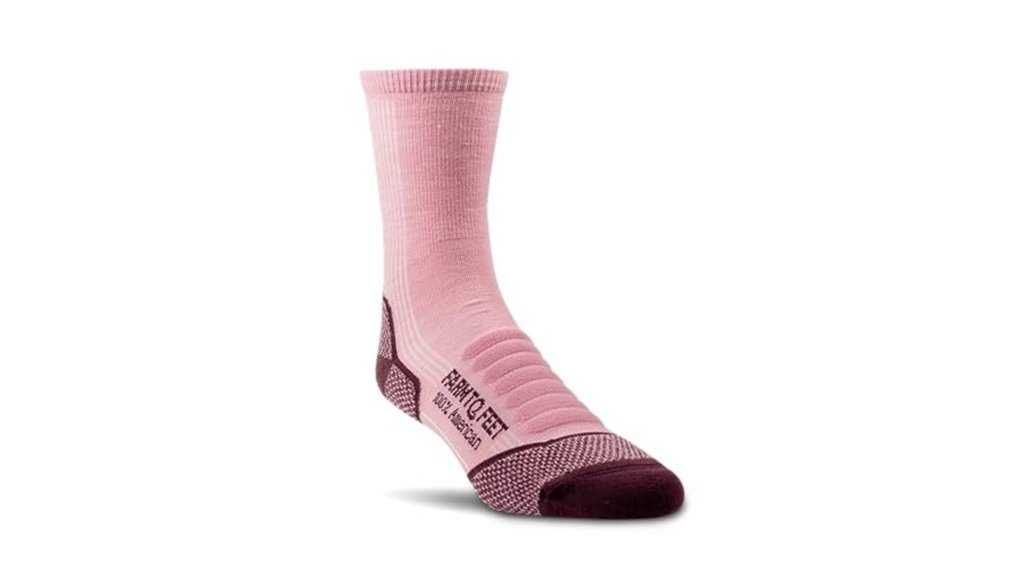
Farm to Feet’s Damascus Lightweight Technical 3/4 Crew suits hikers who want breathable, odor-resistant performance. Made with 19.5-micron merino wool, it helps regulate temperature during changing trail conditions while limiting odor buildup on long outings. Multiple ventilation channels support airflow, and targeted full-density cushioning protects traditional problem areas without adding unnecessary bulk. The 3/4 crew height offers practical coverage inside hiking footwear. Presented in charcoal, model 7065 reflects Farm to Feet’s focus on technical apparel. As a lightweight option, it balances comfort, durability, and performance for hikers seeking a refined sock choice.
Best For: Hikers who want a lightweight, breathable, odor-resistant 3/4 crew sock with targeted cushioning and temperature regulation for long trail days.
Pros:
- Merino wool helps regulate temperature and resist odor.
- Multiple ventilation channels improve airflow and breathability.
- Targeted full-density cushioning adds comfort in high-impact areas without extra bulk.
Cons:
- Lightweight cushioning may not be enough for hikers who prefer a thicker sock.
- 3/4 crew height may not suit everyone’s fit or coverage preference.
- Merino wool performance socks can be pricier than basic synthetic alternatives.
Factors to Consider When Choosing Hiking Socks 2026: Top Picks and Buying Guide
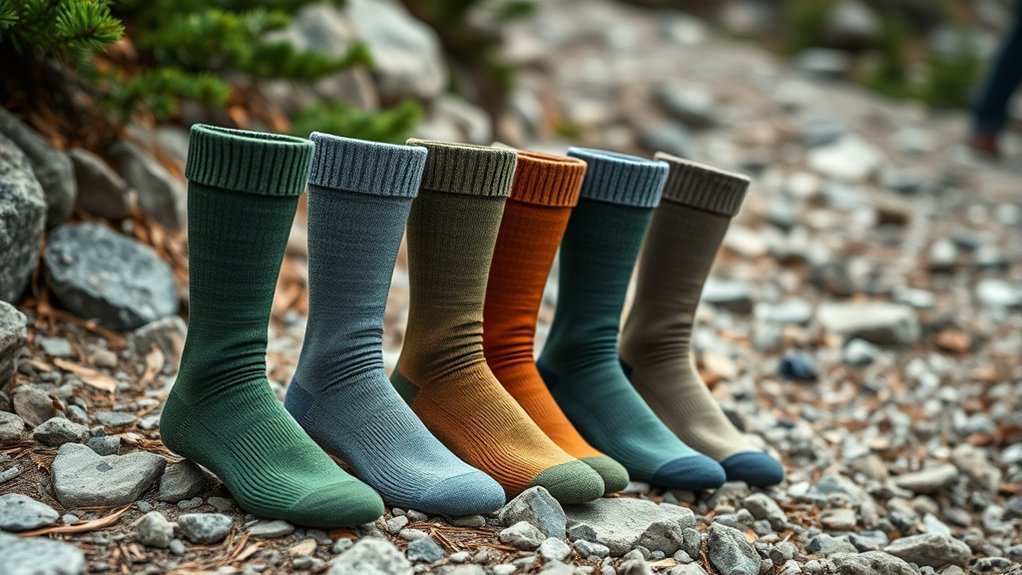
Choosing hiking socks in 2026 often starts with sock material, since wool, synthetics, and blends each affect comfort and durability differently. Cushioning, breathability, moisture control, fit, and sizing also shape how well a sock performs on the trail. Hiking height options further influence protection and comfort, making them an important part of any buying guide.
Sock Material Matters
Material composition is a major factor in hiking sock performance, with merino wool often standing out for its moisture-wicking ability and temperature regulation across changing conditions. It keeps feet drier during long climbs and helps maintain comfort in both cool and mild weather. Many hiking socks also combine nylon or acrylic with wool to increase durability and add support, making them better suited to repeated use on rough trails. Organic wool alternatives appeal to hikers seeking sustainable materials without sacrificing warmth or moisture management. Elastane or spandex contributes stretch and a closer fit, which can help limit slipping inside footwear and reduce blister risk. Material choice also affects thickness, allowing hikers to match warmth and breathability to expected conditions.
Cushioning Levels
Beyond fabric blend, cushioning level is another key factor in hiking sock performance because it directly affects comfort, impact protection, and overall foot fatigue. Hiking socks come in lightweight, midweight, and thick options, each serving different needs. Thick heel-to-toe cushioning delivers strong shock absorption and helps limit friction, making it well suited to long days on rugged trails. Midweight cushioning provides a practical middle ground, combining comfort with a less bulky feel for changing conditions and mixed-use outings. Targeted cushioning in the heel and arch can also improve support where pressure tends to build during extended hikes. The right amount of padding may reduce blister risk and foot fatigue, helping hikers stay comfortable and perform better over varied terrain.
Breathability And Moisture
Breathability and moisture control are essential in hiking socks because they help regulate temperature and keep feet dry during long days on the trail. Merino wool is valued for its natural ability to wick moisture away from the skin, while blends of synthetic fibers and natural materials often improve airflow and durability. Socks with ventilation channels can move heat out more efficiently, reducing sweat buildup and lowering the chance of blisters on demanding hikes. Effective moisture-wicking also supports comfort in both warm and cold conditions by keeping perspiration from lingering against the foot. In addition, strong moisture management helps limit odors and reduces the risk of fungal issues, making it a key performance factor in any reliable hiking sock.
Fit And Sizing
Fit and sizing play a major role in hiking sock performance, since even the best materials can fall short if the socks do not fit correctly. Properly fitted socks reduce the risk of blisters and discomfort on long treks. They should feel snug without being restrictive, so circulation remains steady and fabric does not bunch inside the shoe. Because sizing differs across brands, each manufacturer’s chart should be checked before purchase. Elasticized arch support can improve stability, helping the sock stay in place during movement. Thickness also matters: thicker socks add cushioning, but they may alter how boots fit and feel. The best choice balances comfort, support, and compatibility with existing footwear for consistent trail performance.
Hiking Height Options
Hiking socks are available in several heights, including ankle, crew, and mid-calf, so hikers can match them to boot height and comfort preferences. Crew styles add coverage above the boot line, helping shield the lower leg from debris and reducing rubbing on longer treks. Ankle options stay light and airy, which suits warm weather, shorter routes, and hikers who want less material around the foot. Mid-calf designs sit between those extremes, offering more protection and a secure feel without full coverage. Sock height can also influence boot fit, since taller models may deliver extra cushioning around the calf. Temperature control matters too: taller socks tend to provide warmth, while shorter ones improve ventilation in hotter conditions.
Durability And Warranty
Durability and warranty should be a priority when selecting hiking socks, since long-lasting pairs reduce replacement costs and provide better value over time. Shoppers may benefit from lifetime guarantees or anti-hole policies that cover wear and tear for a defined period. Materials also matter: merino wool and other high-quality fibers can improve resilience while preserving comfort. Reinforced heels and toes add abrasion resistance, helping socks endure repeated mileage. Brands with strict manufacturing standards often produce more dependable pairs, so product reputation deserves attention. Longevity can be extended further through proper care, especially by following washing instructions closely. A strong warranty, durable construction, and thoughtful maintenance together indicate socks likely to remain serviceable through many hikes without frequent replacement.
Seasonal Performance
Seasonal conditions shape how hiking socks perform, so materials and construction should match the demands of the weather. In summer, lightweight merino wool or breathable synthetic blends support moisture-wicking and temperature control, helping feet stay cool and dry on hot trails. In winter, heavier socks with a high merino wool content add insulation and warmth, which suits cold-weather outings. Added cushioning is especially useful during colder months, since it improves impact absorption on rugged terrain and reduces fatigue over long treks. Fit should also change with sock thickness: a snug but not restrictive feel prevents bunching, preserves circulation, and lowers blister risk inside boots. Across all seasons, strong moisture management remains essential for foot health and consistent comfort.
Frequently Asked Questions
How Often Should Hiking Socks Be Replaced?
Hiking socks should be replaced when thinning, holes, stretched elastic, or persistent odor appear, typically every six months to two years depending on use, care, and material quality. Heavy hikers may need replacements sooner.
Can Hiking Socks Prevent Blisters Completely?
No, hiking socks cannot prevent blisters completely. They can reduce friction, manage moisture, and improve fit, but poorly chosen shoes, hot spots, or long mileage may still cause blister formation despite quality socks.
Are Compression Hiking Socks Worth Buying?
Compression hiking socks may be worth buying if circulation, recovery, or swelling matters; like a steady bridge over a river, they support weary legs. Yet comfort, fit, and moisture control remain the true trail guides.
Do Hiking Socks Need Special Washing Instructions?
Yes, hiking socks often need gentle washing; cold water, mild detergent, and air drying help preserve cushioning, elasticity, and moisture-wicking performance. Avoid bleach, fabric softeners, and high heat to prevent damage.
What Sock Thickness Is Best for Summer Hikes?
Thin to midweight socks usually suit summer hikes best, balancing breathability and cushioning. Coincidentally, many hikers find the same pair ideal on warm mornings and cooler evenings, reducing blisters, sweat, and discomfort.
Conclusion
In the end, the best hiking sock often feels like a small coincidence of comfort and trail. A ridge appears, the weather cools, and dry, cushioned feet keep moving without complaint. Whether it is merino warmth, breathable moisture control, or a snug crew fit, the right pair quietly turns rough miles into an easy rhythm. By the time boots are off, the trail seems to have agreed with them all along.