Affiliate disclosure: As an Amazon Associate I earn from qualifying purchases. This article contains affiliate links to Amazon, so we may earn a commission if you buy through them, at no extra cost to you.
For 2026, three top pour-over coffee products stand out: the Chemex Pour-Over Glass Coffeemaker 8-Cup, the OXO Brew Pour Over Gooseneck Electric Kettle, and the Bonavita Rechargeable Coffee Scale. The Chemex offers classic design and clean brewing, the OXO kettle gives precise temperature control and steady pouring, and the Bonavita scale adds 0.1-gram accuracy with auto-timer support. Buyers should prioritize grind consistency, filter compatibility, water temperature, and brew ratio for better results, with more useful guidance ahead.
Chemex Pour-Over Glass Coffeemaker 8-Cup
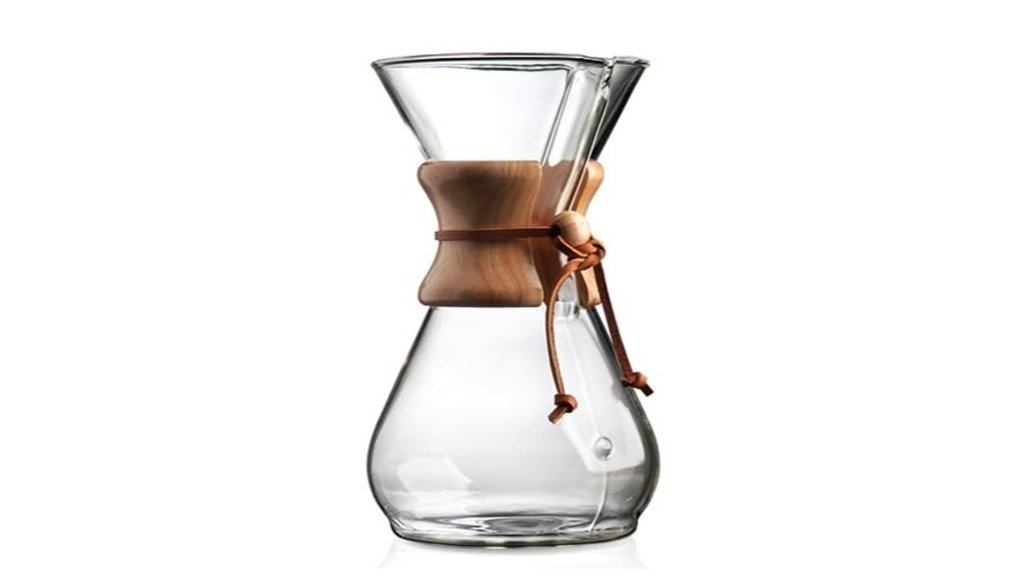
The Chemex Pour-Over Glass Coffeemaker 8-Cup is a strong choice for coffee drinkers who value a clean, elegant brewing ritual and a timeless design. Its classic 8-cup form uses high-quality borosilicate glass, which resists odors and chemical residues. The simple pour-over setup supports straightforward brewing, while the patented design also lets coffee be covered and refrigerated for later reheating without losing flavor. The clear model, CM-8A, belongs in any kitchen focused on function and style. It requires CHEMEX bonded filters, sold separately, and measures 5 ounces per cup.
Best For: Coffee drinkers who want a simple, elegant pour-over coffeemaker with a timeless design and easy everyday use.
Pros:
- Made from high-quality borosilicate glass that resists odors and chemical residues
- Patented design allows brewed coffee to be covered and refrigerated for reheating without losing flavor
- Classic, clean look that fits well in style-focused kitchens
Cons:
- CHEMEX bonded filters are required and sold separately
- Glass construction may be more fragile than metal or plastic brewers
- Pour-over brewing can take more time and effort than automatic coffee makers
OXO Brew Pour Over Gooseneck Electric Kettle – Stainless Steel
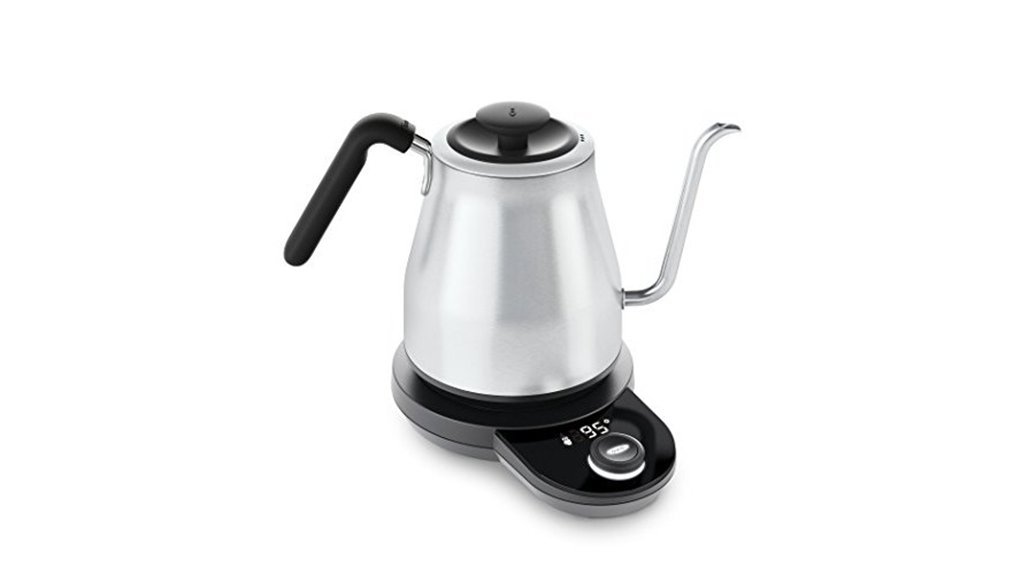
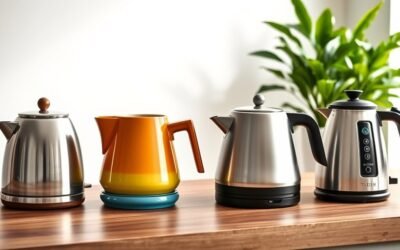
For precision-minded pour-over brewers, the OXO Brew Gooseneck Electric Kettle stands out. The stainless steel, 1.1-quart model offers cord-free operation, allowing easy lifting from the base and smooth movement during pouring. Its gooseneck spout promotes a controlled, steady stream for accurate extraction. Temperature can be set in one-degree increments from 104°F to 212°F, and the kettle holds the chosen heat for up to 30 minutes. An integrated brew timer supports consistent coffee or tea preparation. Balanced handling and automatic shut-off enhance safety and convenience in daily use.
Best For: Precision-minded coffee and tea brewers who want a controllable, easy-to-use gooseneck kettle for pour-over brewing.
Pros:
- Gooseneck spout provides a steady, accurate pour for better extraction.
- One-degree temperature control from 104°F to 212°F helps dial in brewing.
- Cord-free design, brew timer, and automatic shut-off add convenience and safety.
Cons:
- 1.1-quart capacity may be too small for larger households or batch brewing.
- Primarily optimized for pour-over use, so it may be less versatile than standard kettles.
- Stainless steel finish may show fingerprints and water spots.
Bonavita Rechargeable Coffee Scale (BV02001MU)
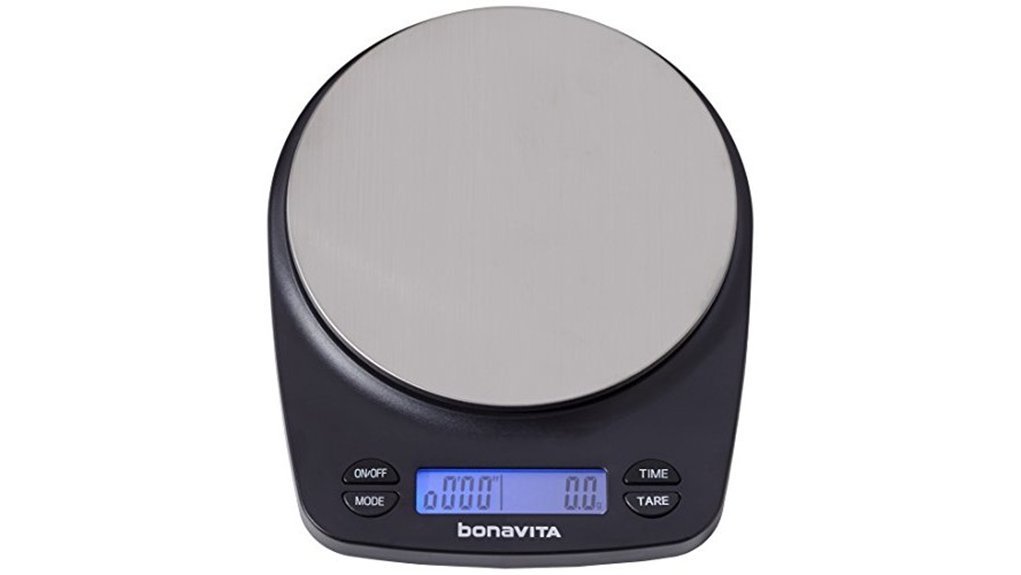
Bonavita’s rechargeable scale suits pour-over brewers who want precise, automated timing and tare control. The BV02001MU measures to 0.1 grams up to 2,000 grams and can switch between grams and ounces in manual or pour-over modes. In pour-over mode, it adds auto-tare and auto-timer functions to streamline workflow. A nano-coating helps resist water damage, which is useful near kettles and drippers. The compact silver-and-black unit includes a protective cover and USB charging cord, and its rechargeable design reduces battery replacement needs for regular brewing setups.
Best For: Pour-over coffee brewers who want a precise, rechargeable scale with auto-tare and auto-timer convenience.
Pros:
- Measures in 0.1g increments up to 2,000g for accurate brewing.
- Pour-over mode includes auto-tare and auto-timer features.
- Nano-coating and rechargeable USB design add convenience and durability.
Cons:
- Small size may be less suitable for larger brewing setups.
- No advanced smart/app connectivity features.
- Included charging requires keeping track of the USB cord.
Factors to Consider When Choosing How to Make Pour-over Coffee: Useful Products and Buying Tips
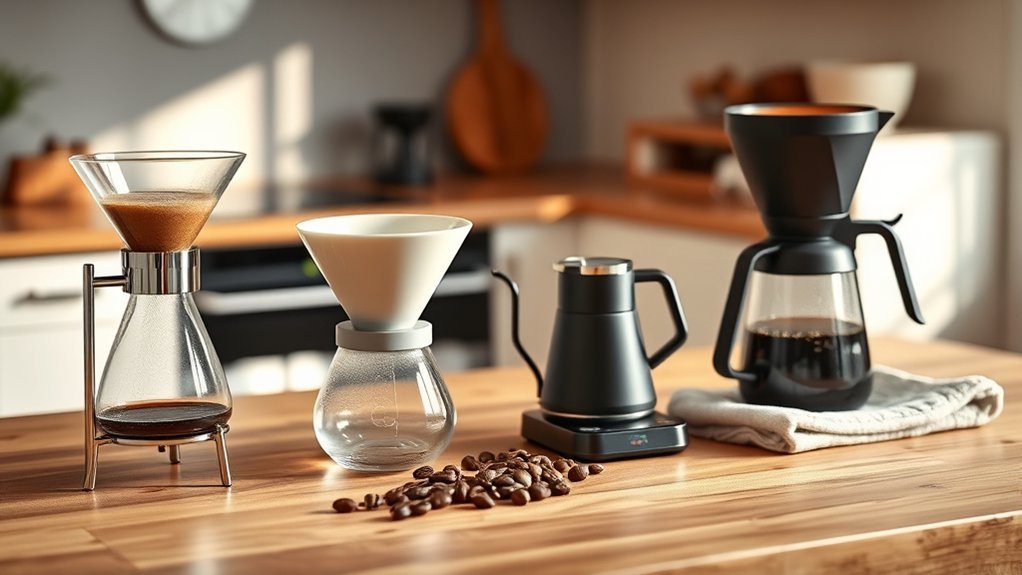
When choosing how to make pour-over coffee, grind consistency, water temperature, and pour control all shape the final cup. Brew ratio also matters, since it helps define strength and balance, while an accurate scale supports repeatable results. Useful products and buying tips often focus on tools that make these factors easier to manage with precision.
Grind Consistency
Grind consistency plays a major role in pour-over coffee because uniform particle size supports even extraction and better flavor. When grounds are too fine, water can pull too much from them, creating bitterness. When they are too coarse, extraction can be weak and sour. A medium grind similar to sea salt usually gives balanced results in most pour-over methods. Burr grinders are preferred because they produce more uniform particles than blade grinders, which often leave a mix of sizes. Regular calibration helps maintain repeatable performance, especially as burrs wear over time. Small adjustments to grind settings allow the brewer to refine taste and strength without changing the recipe. In practice, consistent grinding gives the brewer more control and makes pour-over coffee easier to reproduce each day.
Water Temperature
Water temperature is one of the most important variables in pour-over coffee, with an ideal range of about 195°F to 205°F for balanced extraction. Within this window, hot water dissolves desirable compounds without scorching the grounds. If the water is too hot, the brew can become harsh and bitter from over-extraction. If it is too cool, extraction may be incomplete, leaving the cup sour, thin, and weak. A kettle with precise temperature control helps maintain the target heat in one-degree increments. This feature supports repeatable results and improves cup-to-cup consistency. A thermometer or a kettle with built-in temperature settings can also help achieve reliable brewing conditions, especially for those seeking dependable pour-over performance and consistent flavor.
Pour Control
Pour control is a key factor in pour-over brewing, as a steady, even pour helps saturate the coffee bed uniformly and supports balanced extraction. Precise water delivery improves extraction, bringing out clearer flavor and aroma while reducing uneven results. A gooseneck kettle is often preferred because its curved spout lets the brewer guide water accurately across the grounds. Keeping the pour rate steady helps prevent channeling and under-extraction, both of which can weaken the cup. Spiral and circular pouring patterns may also change brew time and extraction, subtly shaping taste. Consistent water temperature during the pour remains important, since sudden shifts can alter how compounds dissolve and may create unwanted flavors.
Brew Ratio
Brew ratio plays a major role in determining the strength and flavor balance of pour-over coffee, with most recipes falling between 1:15 and 1:18 coffee to water. A practical starting point is 1 gram of coffee for every 15 to 18 grams of water, then adjusting to suit a preferred profile. Ratios near 1:15 usually produce a fuller cup, while 1:18 can highlight lighter, brighter notes. Grind size influences how that ratio performs, since finer grounds often extract more quickly than coarser ones. For repeatable results, keeping measurements consistent matters. Exploring different ratios can reveal a drinker’s ideal balance of intensity, acidity, and sweetness, making the brewing process more personalized and rewarding overall.
Scale Accuracy
Accurate scales are essential for consistent pour-over coffee, with the best models measuring in 0.1-gram increments to help maintain precise brew ratios. Such fine resolution allows small adjustments to coffee and water amounts, which can noticeably affect extraction and flavor. A scale that handles up to 2,000 grams supports repeatable brewing by accommodating larger servers and consistent testing across recipes. Many pour-over scales include dedicated modes with auto-tare and auto-timer functions, reducing manual steps during brewing. Durability also matters: nano-coating can help resist water damage from splashes and drips. Rechargeable models add convenience by avoiding frequent battery changes and improving portability for home use, travel, or office brewing.
Kettle Precision
Temperature control is a key part of pour-over consistency, since different coffees and methods often perform best within a narrow range from 104°F to 212°F. Precise heating helps preserve flavor balance by matching water to the needs of the beans and the chosen brew style. A gooseneck kettle is often preferred because its narrow spout gives controlled flow and a steady pouring rate, supporting even saturation of the grounds. Models with temperature hold can keep water at the target setting for up to 30 minutes, reducing drift during preparation. Some kettles also include brew timers, which aid repeatable timing and strength. A balanced kettle body further improves handling, making careful pours easier and more consistent.
Filter Compatibility
Filter compatibility is a crucial factor when choosing a pour-over coffee maker, because many models are designed for specific filter sizes or shapes to achieve proper flow and extraction. Selecting the correct filter type helps maintain even brewing and consistent flavor. Chemex brewers, for example, rely on bonded filters that are central to their patented process and contribute to clarity and body. Using incompatible filters can disrupt extraction, slow drainage, or produce a weak, unbalanced cup. Manufacturer recommendations should always be checked before purchase to avoid brewing problems. High-quality filters are also worth considering, as they can reduce paper taste and support cleaner extraction. Careful attention to compatibility improves reliability and helps guarantee a better coffee experience overall.
Frequently Asked Questions
Which Grind Size Works Best for Pour-Over Coffee?
Medium-fine grind usually works best for pour-over coffee. It balances flow and extraction, producing clarity without bitterness or sourness. Slight adjustments may suit different drippers, filters, beans, and brew times.
How Much Coffee-To-Water Ratio Should I Use?
A standard pour-over ratio is about 1:16, meaning 1 gram of coffee per 16 grams of water. It can be adjusted slightly for stronger or lighter cups, depending on taste and beans.
Does Water Temperature Affect Pour-Over Flavor?
Yes—hotter water extracts more bitterness, cooler water preserves brightness. The contrast shapes flavor: too cool yields weak, sour coffee; too hot can taste harsh. For pour-over, about 195–205°F usually balances sweetness and clarity.
Can I Use Paper or Metal Filters Interchangeably?
They are not fully interchangeable; paper filters produce cleaner, brighter cups, while metal filters allow more oils and sediment. He or she should adjust grind and brew time when switching between them.
How Often Should Pour-Over Equipment Be Cleaned?
Pour-over equipment should be cleaned after every use, with deeper tidying performed weekly. Regular care prevents lingering oils and stale notes from gathering, preserving flavor and performance while quietly extending the equipment’s serviceable life.
Conclusion
In the evolving world of pour-over coffee, these three tools stand out for making the ritual feel more refined and less hurried. The Chemex offers a timeless, graceful approach; the OXO kettle helps guide the pour with quiet confidence; and the Bonavita scale brings welcome precision without fuss. For anyone exploring better home brewing in 2026, the right equipment can gently elevate each cup, turning a simple routine into something significantly more rewarding.