Affiliate disclosure: As an Amazon Associate I earn from qualifying purchases. This article contains affiliate links to Amazon, so we may earn a commission if you buy through them, at no extra cost to you.
For 2026 glamping, two standout picks are the Coleman Montana 8-Person Family Tent with Rainfly and the Dream House Outdoor Waterproof Cotton Canvas Bell Tent. Coleman offers fast 15-minute setup, roomy space, and strong weather protection. Dream House adds a stylish bell shape, cotton-canvas durability, roof vents, and mesh windows for comfort. Both include storage pockets and carry bags, making them practical. More details on size, sealing, and airflow can help narrow the best choice.
Coleman Montana 8-Person Family Tent with Rainfly
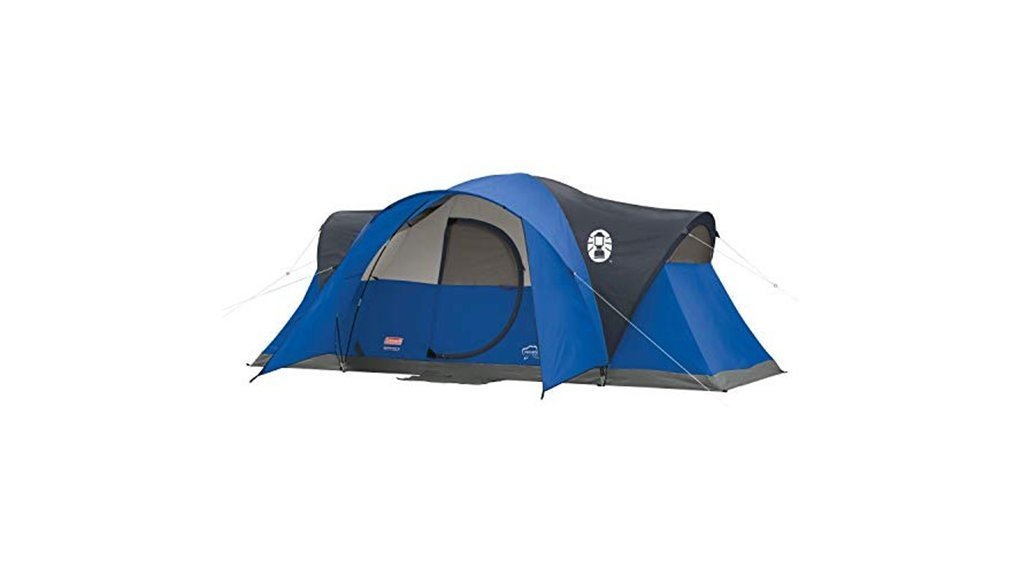
The Coleman Montana 8-Person Family Tent with Rainfly is a strong choice for families or small groups who want a spacious, weather-ready shelter for camping trips. Its 16 x 7-foot interior and 6-foot-2-inch center height fit up to three queen-size air beds, giving it a glamping-friendly layout. Welded corners and inverted seams help block water, while the included rainfly adds another layer of protection. The hinged door and extended awning improve access. Setup takes about 15 minutes, and double-thick Polyguard fabric supports durability. Storage pockets and a carry bag add practical convenience.
Best For: Families or small groups looking for a spacious, weather-resistant camping tent with easy setup and room for comfortable sleeping arrangements.
Pros:
- Spacious interior fits up to three queen-size air beds
- Weather protection from welded corners, inverted seams, and the included rainfly
- Easy 15-minute setup with convenient storage pockets and carry bag
Cons:
- Large size may be cumbersome to transport or pitch in tight spaces
- Not ideal for backpacking or minimalist camping
- Basic design may lack premium features found in higher-end tents
Dream House Outdoor Waterproof Cotton Canvas Family Camping Bell Tent

Ideal for families seeking roomy, weather-resistant glamping, the Dream House bell tent balances comfort and durability. Its simple bell-shaped frame uses a central galvanized steel pole, reinforced by guy ropes and pegs for steady ground tension. The 285gsm cotton canvas upper has a PU coating and sealed seams, while the 540gsm PVC floor offers stronger waterproofing. Four roof vents and mesh-screened windows improve airflow. Zipped, removable flooring and roll-up side walls aid cleaning and comfort. Door and zipper details help limit rain intrusion, though initial canvas wetting may occur before shrinkage improves sealing.
Best For: Families and glamping campers who want a roomy, durable bell tent with good weather resistance and practical ventilation.
Pros:
- Waterproof cotton canvas top with sealed seams and a tougher PVC groundsheet for improved rain protection
- Spacious bell-shaped design with guy ropes, pegs, roof vents, and mesh-screened windows for comfort and airflow
- Removable zipped floor and roll-up side walls make cleaning and setup more convenient
Cons:
- Zipper is not fully watertight, so extra rain cover care may be needed in wet weather
- Canvas may need an initial wetting-in period before it fully shrinks and seals
- Heavier canvas-and-steel construction may be less convenient to carry and pitch than lighter tents
Factors to Consider When Choosing 10 Gorgeous Glamping Tents to Upgrade Outdoor Adventures: Useful Products and Buying Tips
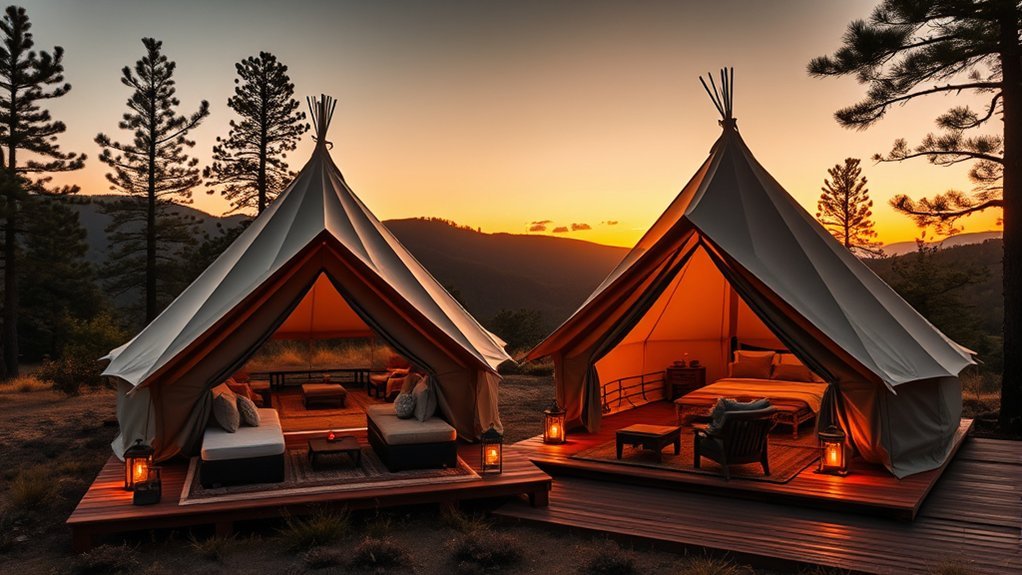
Selecting a glamping tent starts with checking tent size and capacity, along with how well the design fits the intended number of guests. Weatherproofing, sealed seams, durable materials, ventilation, and windows also shape comfort and long-term performance in changing outdoor conditions. Ease of setup and portability further determine whether the tent is practical for frequent trips or extended stays.
Tent Size And Capacity
For a glamping tent to feel comfortable rather than cramped, its size and capacity should match the number of occupants and leave room for gear, sleeping setups, and easy movement. A model that can fit three queen-size air beds, such as one measuring 16 by 7 feet with a 6-foot-2-inch center height, offers generous space for a family or small group. Interior layout matters as much as floor area, so a hinged door and extended awning can improve entry and circulation. Built-in storage pockets help keep essentials organized and prevent clutter from consuming living space. Weight also deserves attention, since larger tents can be harder to carry and set up repeatedly. Balanced dimensions make the tent easier to use on longer trips.
Weatherproofing And Seams
Weatherproofing plays a major role in how well a glamping tent performs in wet or shifting conditions. Welded corners and inverted seams reduce the chance of water seeping through during rain, while careful seam sealing protects the points where fabric joins. A rainfly adds another barrier against moisture and improves overall weather resistance. Buyers also benefit from checking waterproof ratings: around 3000mm for the upper cover and 5000mm for the ground sheet signals stronger protection in varied weather. Some canvas tents may leak slightly when first exposed to water, but the material often shrinks afterward, helping it seal better. These details matter because dependable weatherproofing keeps the interior drier, more comfortable, and better suited for extended outdoor use in changing conditions.
Material Durability
Material durability often determines how well a glamping tent holds up through repeated use and seasonal exposure. Strong options typically use double-thick Polyguard fabric or 285gsm cotton canvas, both valued for resisting wear and weather stress. Water resistance matters as well, so buyers should look for at least 3000mm on the upper cover and 5000mm on the groundsheet to better handle heavy rain. Structural strength also depends on pole quality; galvanized steel poles with a diameter of 38mm or more generally improve stability. Sealed, reinforced seams help limit leakage and reduce breakdown over time. Removable ground sheets add practical protection from moisture and make cleaning easier, supporting longer service life.
Ventilation And Windows
Ventilation and window design play a major role in how comfortable a glamping tent feels during extended stays. Effective airflow helps keep interior temperatures manageable, lowers humidity, and limits condensation that can make a tent feel damp. Models with several windows and vents usually provide better circulation, which is especially valuable in warm weather, where trapped heat can quickly reduce comfort. Mesh screens are important because they admit fresh air while blocking insects, improving everyday livability. Adjustable windows add useful flexibility, allowing occupants to control both air and light as weather changes. A well-planned ventilation system also supports better air quality by reducing lingering odors and creating a healthier indoor environment throughout the trip.
Setup And Portability
Setup and portability are important considerations when choosing a glamping tent, especially for campers who want a smooth, low-effort experience. A conventional pitch design can make setup faster, with some models ready in about 15 minutes, helping campers spend more time outdoors. An included carry bag adds convenience by simplifying transport between campsites and making packing more manageable. Weight and packed size also matter; lighter tents are easier to carry and better suited to frequent moves. Features such as hinged doors or extended awnings can improve access and make setup and teardown less awkward. Organized pockets help keep small essentials contained during assembly, reducing clutter and streamlining the overall process. These details support practical, stress-free camping in varied locations.
Storage And Floor Design
Thoughtful floor design can make a glamping tent feel far more livable, with circular layouts in bell tents helping maximize usable space and support a more comfortable interior. A central pole often raises the peak height, improving headroom and allowing easier movement around beds, tables, and other essentials. Waterproof flooring, especially high-density PVC, adds durability and helps block ground moisture, keeping the interior dry. Storage features also matter: built-in pockets and removable ground sheets keep equipment organized and off the floor, reducing clutter and making daily use simpler. Ventilation should not be overlooked; roll-up side walls and openable windows can expand the sense of space while promoting airflow. Together, these details create a tent that feels practical, airy, and comfortable for extended outdoor stays.
Frequently Asked Questions
Are Glamping Tents Suitable for Winter Camping?
Glamping tents can suit winter camping if insulated, weatherproof, and heated. Their comfort improves cold-weather stays, but suitability depends on model quality, setup, and conditions. Some require extra bedding, ventilation, and snow-rated support.
How Do I Prevent Mold in a Glamping Tent?
Mold is prevented by keeping the glamping tent dry, ventilated, and clean. Damp gear should be removed, wet surfaces dried promptly, and the tent stored only after fully airing out in sunlight.
Can I Use a Glamping Tent on Rocky Ground?
Yes, a glamping tent can be used on rocky ground if the site is cleared, a protective groundsheet is added, and sturdy stakes or weighted anchors secure it. Extra padding also helps prevent floor damage.
What Power Options Work Inside Glamping Tents?
Portable power stations, solar generators, rechargeable lanterns, and battery packs work well inside glamping tents. Small propane heaters and generators should remain outside, with cables routed safely inward to reduce fumes, noise, and fire risk.
How Long Do Premium Glamping Tents Usually Last?
Like sturdy oaks against weather, premium glamping tents usually last 5 to 15 years, sometimes longer with careful maintenance. Materials, sun exposure, and storage habits strongly shape their lifespan and overall resilience.
Conclusion
To sum up, the two standout glamping tents show that comfort and adventure can coexist under the stars. The Coleman Montana 8-Person Family Tent offers roomy reliability, while the Dream House Outdoor Waterproof Cotton Canvas Bell Tent brings a more stylish, refined feel. A common theory suggests that better camping gear naturally leads to better memories. While not guaranteed, the right tent often makes outdoor trips feel easier, cozier, and far more enjoyable.