Affiliate disclosure: As an Amazon Associate I earn from qualifying purchases. This article contains affiliate links to Amazon, so we may earn a commission if you buy through them, at no extra cost to you.
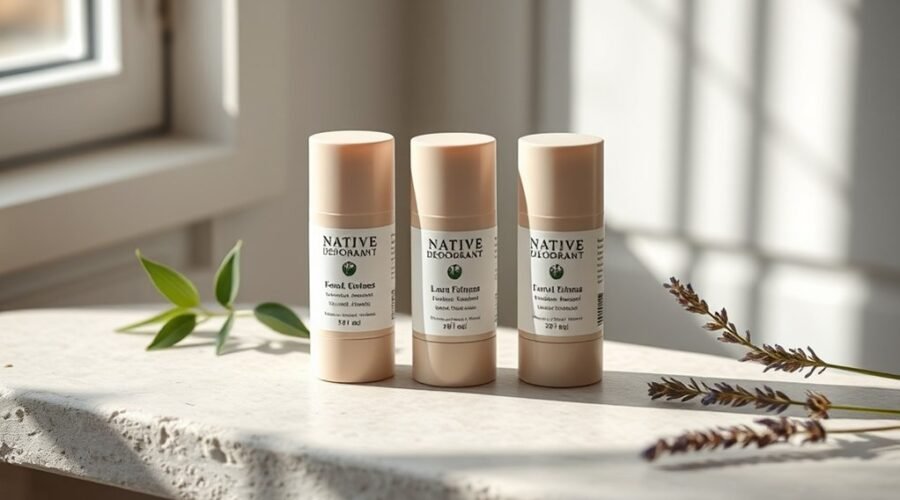
For 2026, three strong deodorant picks stand out: Tom’s of Maine Unscented Aluminum-Free, Dove Invisible Antiperspirant Clear Finish, and Native Honey & White Oak. Tom’s is best for fragrance-free, simple ingredients and aluminum-free use. Dove offers the strongest sweat and odor control with anti-stain protection. Native appeals to shoppers wanting a clean, naturally derived formula with long-lasting odor defense. Each serves a different need, and the details below make the choice easier.
Tom’s of Maine Unscented Aluminum-Free Deodorant 3-Pack
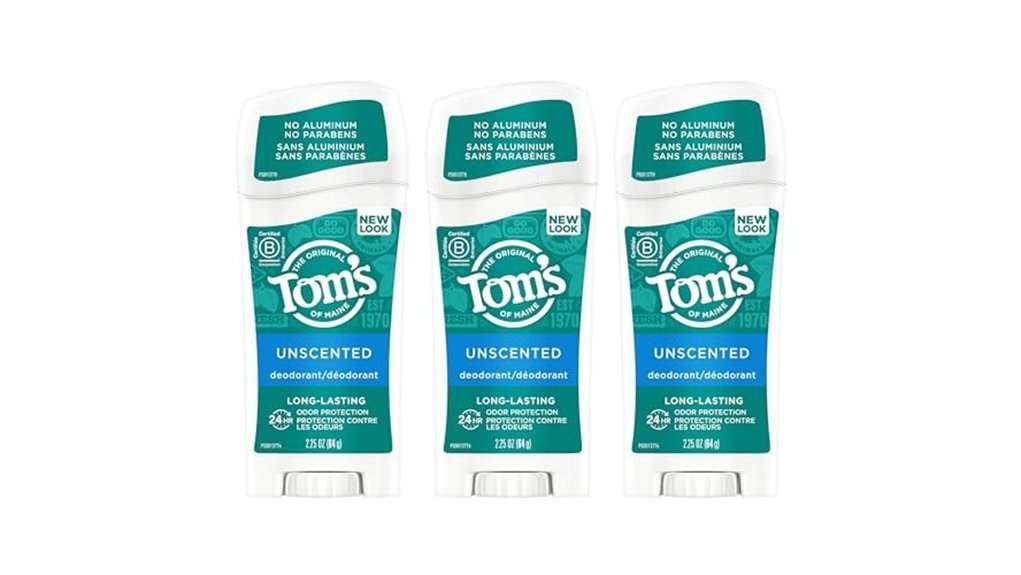
Tom’s of Maine Unscented Aluminum-Free Deodorant 3-Pack is a strong option for people who want a simple, fragrance-free deodorant with 24-hour odor protection and no aluminum. The Tom’s of Maine formula uses odor-fighting hops and relies on 0% aluminum for daily use. Each pack includes three 2.25-ounce sticks, offering practical value. The vegan, cruelty-free blend avoids artificial fragrances and preservatives, making it suitable for users seeking a cleaner ingredient list. It applies by swiping on and is designed for all-day freshness. Packaging may vary, but the product remains straightforward and effective.
Best For: People who want a fragrance-free, aluminum-free deodorant with simple ingredients and reliable 24-hour odor protection.
Pros:
- Unscented formula is ideal for those who prefer no fragrance
- 0% aluminum and uses odor-fighting hops for daily freshness
- Vegan, cruelty-free, and free of artificial fragrances and preservatives
Cons:
- May not provide enough sweat control for users who want an antiperspirant
- Unscented option may feel too plain for those who prefer a scented deodorant
- Packaged in 2.25-ounce sticks, which may run out faster with frequent use
Dove Invisible Antiperspirant Deodorant Clear Finish 2.6 oz 4PK
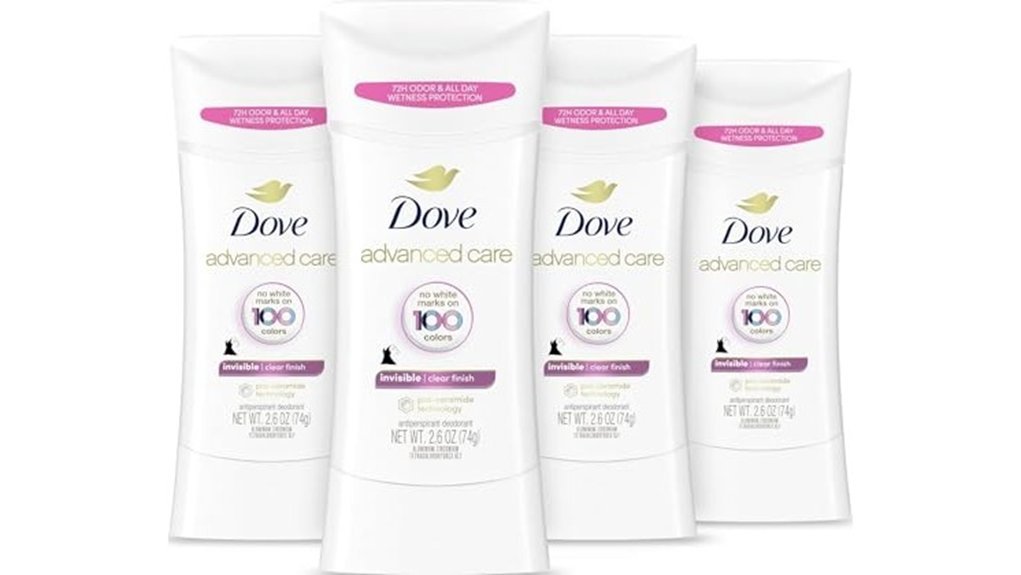
Dove Invisible Antiperspirant Deodorant Clear Finish suits users seeking 72-hour odor control with invisible protection. This 2.6-ounce four-pack from Unilever combines sweat defense with an anti-stain formula tested on 100 colors. It is designed to help reduce white marks while delivering all-day freshness. Pro-Ceramide Technology supports skin barrier recovery after shaving, and the caring formula aims to leave underarms softer and more resilient. The scent blends sparkling pineapple, pear, and rose. For use, it is applied directly to underarms for dependable odor and sweat protection.
Best For: People who want long-lasting, invisible underarm protection with skin-care benefits, especially those concerned about white marks and post-shave comfort.
Pros:
- 72-hour odor control with all-day sweat protection
- Anti-stain formula tested on 100 colors helps reduce visible white marks
- Pro-Ceramide Technology supports softer, more resilient underarm skin
Cons:
- Scented formula may not suit those who prefer fragrance-free deodorant
- Only available in a 2.6 oz four-pack, which may be more product than some users need
- Antiperspirant ingredients may irritate very sensitive skin
Native Deodorant Honey & White Oak Aluminum Free
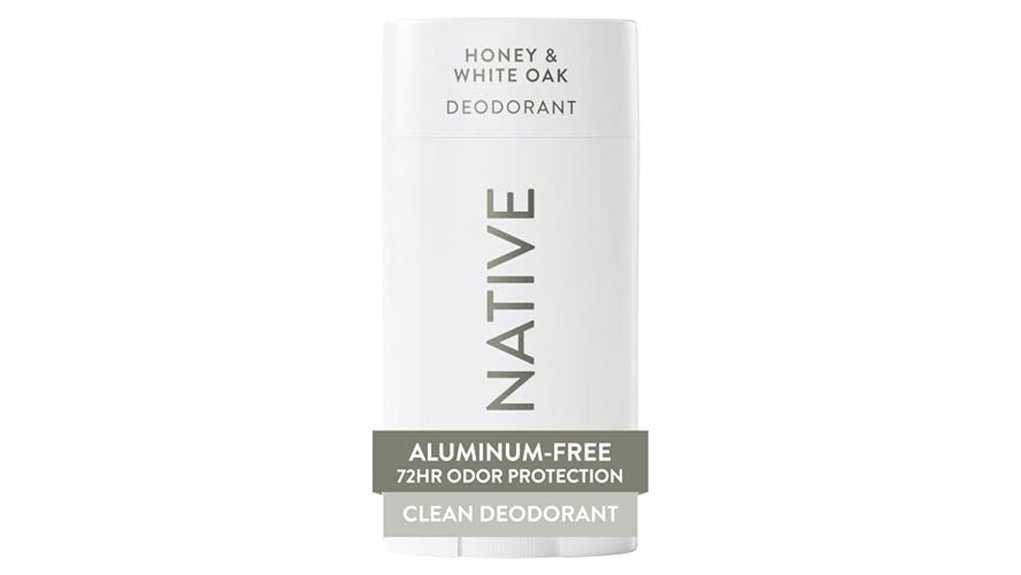
Native Deodorant Honey & White Oak suits users seeking long-lasting, aluminum-free odor protection. It offers up to 72 hours of odor control, supported by a tested formula designed for steady freshness. The stick uses naturally derived ingredients such as shea butter, triglycerides, and coconut oil, while remaining free of aluminum, parabens, phthalates, and talc. Its smooth glide applies cleanly without greasiness, white marks, or yellow stains. The warm blend of honey, white oak, and patchouli creates a refined scent. Native also lists vegan and cruelty-free standards, reinforcing its clean-label appeal.
Best For: People who want an aluminum-free deodorant with long-lasting odor protection, clean ingredients, and a warm, refined scent.
Pros:
- Provides up to 72 hours of odor control for extended freshness.
- Made with naturally derived, aluminum-free, paraben-free, phthalate-free, and talc-free ingredients.
- Applies smoothly and cleanly without greasiness, white marks, or yellow stains.
Cons:
- Scent preferences are subjective, and the honey, white oak, and patchouli blend may not suit everyone.
- As a deodorant, it focuses on odor control rather than sweat reduction.
- Solid-stick formulas may need reapplication for especially active or hot days.
Factors to Consider When Choosing Native Deodorant Review: Is Natural Deodorant Better?
When evaluating a Native deodorant review, odor protection strength and ingredient cleanliness are often the first factors to compare. Skin sensitivity, scent preference, and clothing stain resistance also play an important role in deciding whether a natural deodorant is the better choice. A balanced review considers how well the product performs across these practical concerns.
Odor Protection Strength
Odor protection in natural deodorants can vary widely, with some formulas offering impressive coverage for up to 72 hours while others provide only modest defense against body odor. Many products rely on baking soda, arrowroot powder, and plant-based oils to help neutralize odor-causing bacteria and improve overall control. These formulas often absorb moisture, but they do not block sweat the way antiperspirants do. Performance can differ greatly from person to person, since body chemistry, diet, and activity level all affect results. Some users find one formula works consistently, while others need to test several brands before finding acceptable protection. For that reason, odor strength should be judged by real-world wear, not label claims alone.
Ingredient Cleanliness
Ingredient cleanliness is a major reason many people consider natural deodorants in the first place, since these formulas often avoid aluminum, parabens, and phthalates found in traditional antiperspirants. That approach typically centers on plant-based components like shea butter and coconut oil, which can support a simple, recognizable ingredient profile while helping manage odor. Many formulations also skip synthetic fragrances, a choice that broadens appeal for shoppers seeking more restrained labels. Vegan and cruelty-free certifications further signal ethical production standards, including sourcing and testing practices. Transparency is another important marker, because clear disclosure of ingredients and formulation details allows consumers to compare products carefully. In a crowded market, cleaner compositions can make native-style deodorants seem more trustworthy and easier to evaluate.
Skin Sensitivity
Skin sensitivity is another key factor to weigh when comparing native deodorants, especially for people whose underarms react easily to harsh formulas. Natural deodorants often use fewer synthetic chemicals, which may lower the chance of irritation for sensitive skin. Formulas without aluminum, parabens, or synthetic fragrances can be especially appealing in this case. However, not every natural ingredient is gentle. Baking soda and certain essential oils may still trigger redness, itching, or discomfort in some users, so patch testing is wise before regular use. Products containing shea butter or coconut oil may offer added soothing and hydration. Because effectiveness varies, sensitive-skin users may need to try several options before finding a dependable match.
Scent Preference
Scent preference often shapes which native deodorant feels like the right fit, since many people gravitate toward fragrances that match their personal style and comfort level. Natural deodorants usually provide a variety of scent profiles, many built from essential oils and plant-based ingredients, which appeals to users seeking less synthetic aromas. Others choose unscented formulas to reduce the chance of irritation or reactions linked to artificial fragrance. Fresh, light scents are commonly viewed as clean and suitable for daily wear, while stronger blends may better suit those wanting a more noticeable aroma. Longevity also matters, because some natural deodorants maintain freshness throughout the day, whereas others may need reapplication to stay effective.
Clothing Stain Resistance
Clothing stain resistance is an important factor when comparing native deodorants, especially for users who want to avoid yellowing, white marks, or buildup on fabrics. Natural deodorants, especially aluminum-free formulas, are often chosen because they reduce the ingredients most associated with staining. Many glide on smoothly and dry clear, which helps limit visible residue on shirts, undergarments, and dark clothing. Their lack of certain synthetic compounds may also lessen reactions with fabric dyes, improving overall fabric compatibility. Users frequently note less buildup over time compared with some conventional antiperspirants, which can leave persistent marks. Some products are also tested across multiple fabric types and marketed as anti-stain, offering added reassurance for people who want effective odor protection without compromising the condition of their wardrobe.
Frequently Asked Questions
How Long Does Native Deodorant Typically Last Throughout the Day?
Native deodorant typically lasts about 8 to 24 hours, depending on body chemistry, activity level, and application amount. It may need reapplication during intense heat, exercise, or sweating, especially for stronger odor control.
Is Native Deodorant Safe for Sensitive Underarm Skin?
Native deodorant is often safe for sensitive underarm skin, though some formulas may irritate due to baking soda or fragrance. Patch testing helps identify reactions, and gentler versions may suit highly sensitive users better.
Can Native Deodorant Stain Dark or Light-Colored Clothing?
Like chalk on a black shirt, some residue may appear. Native deodorant can stain dark or light clothing if applied heavily or not dried first, though many users report minimal marks with proper application.
Does Native Deodorant Work Well During Workouts or Hot Weather?
Native deodorant often works reasonably well during workouts or hot weather, though heavy sweating may reduce its effectiveness. It can help control odor, but some users prefer stronger antiperspirants for intense activity.
How Should Native Deodorant Be Applied for Best Results?
It should be applied to clean, dry underarms with a few smooth swipes, covering evenly without overdoing it. For best results, reapply after heavy sweating or showering, and allow it to absorb before dressing.
Conclusion
In the end, these three deodorants practically stage a tiny showdown for underarm greatness. Tom’s of Maine keeps things simple and scent-free, Dove Invisible tries to vanish like a secret agent, and Native Honey & White Oak brings the most natural swagger to the group. The best choice depends on skin needs, scent preference, and sweat level. For anyone hunting a 2026 favorite, this trio proves deodorant can be surprisingly dramatic.