Affiliate disclosure: As an Amazon Associate I earn from qualifying purchases. This article contains affiliate links to Amazon, so we may earn a commission if you buy through them, at no extra cost to you.
For 2026, three solid TV picks are the Samsung 55″ 4K UHD Smart LED TV (UN55MU8000FXZA), TCL 55P607 55-Inch 4K Ultra HD Roku Smart LED TV, and Sony XBR-55X800E 55-Inch 4K Ultra HD Smart LED TV. The Samsung offers strong motion handling and vivid 4K color. The TCL stands out for Dolby Vision and Roku access. The Sony delivers sharp detail and dependable HDR. Each has strengths worth comparing before choosing the best fit.
Samsung 55″ 4K UHD Smart LED TV (UN55MU8000FXZA)
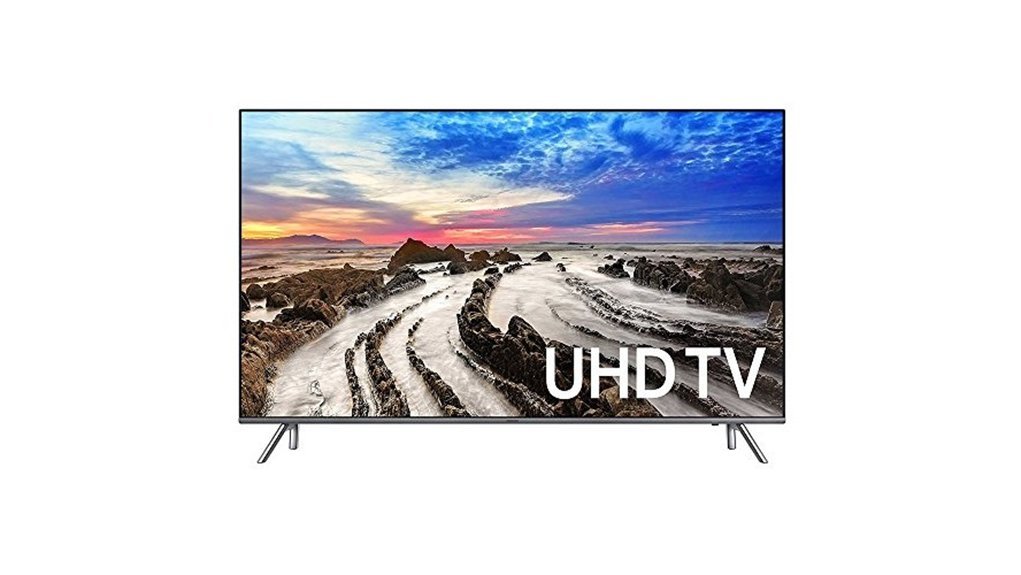
The Samsung 55″ 4K UHD Smart LED TV (UN55MU8000FXZA) is a strong option for viewers who want reliable 4K performance with excellent motion handling, making it especially appealing for sports fans and anyone who watches fast-paced content. Its 55-inch 4K Ultra HD display delivers sharp detail, while expanded color depth and extreme contrast help produce richer images with better separation between darks and lights. Improved visibility in dark scenes adds practical value. Released in 2017, it includes integrated smart features for added convenience and connectivity, supporting everyday home entertainment needs without unnecessary complexity.
Best For: Sports fans and fast-paced content viewers who want dependable 4K picture quality, strong motion handling, and simple smart TV features in a 55-inch display.
Pros:
- Excellent motion handling for sports, action, and other fast-moving content
- 4K Ultra HD resolution with expanded color depth and strong contrast
- Integrated smart features add convenience and easy connectivity
Cons:
- Released in 2017, so it may lack newer smart TV features found on newer models
- 55-inch size may be too large for smaller rooms
- Not the best choice for buyers seeking the latest display technology
TCL 55P607 55-Inch 4K Ultra HD Roku Smart LED TV (2017 Model)
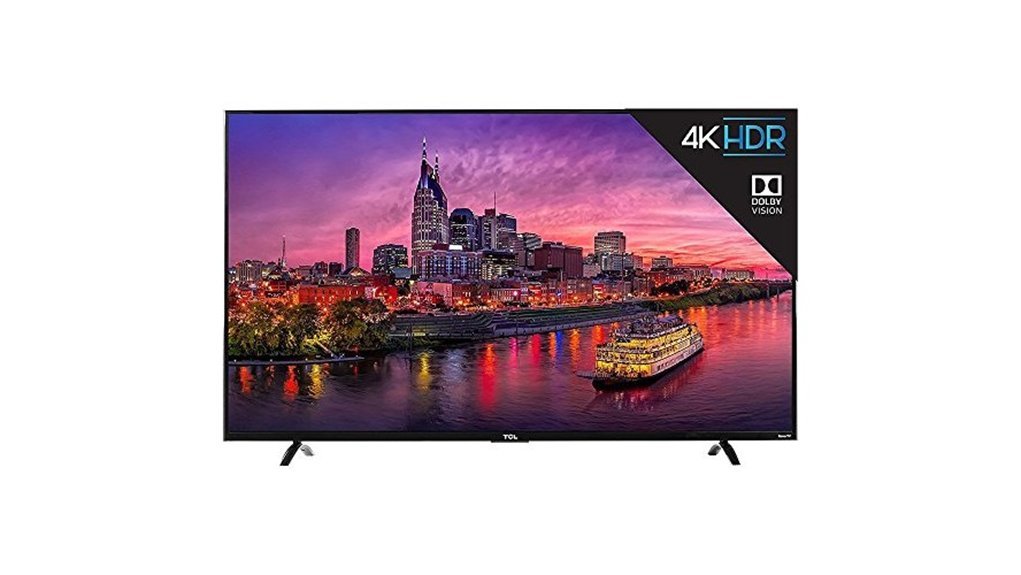
With Dolby Vision and 72 local dimming zones, the TCL 55P607 suits viewers who want strong contrast on a budget. This 55-inch 2017 Roku Smart LED TV delivers 4K Ultra HD resolution, a 120Hz refresh rate, and full-array backlighting for deep blacks and smoother motion. Roku TV access opens more than 4,000 streaming channels and over 450,000 movies and episodes. Connectivity is practical, with three HDMI 2.0 ports, including one with ARC, plus USB, optical audio out, Ethernet, and headphone jack. Its black finish and modest footprint fit many living rooms easily.
Best For: Budget-conscious viewers who want strong contrast, 4K HDR picture quality, and easy access to streaming apps in a 55-inch smart TV.
Pros:
- Dolby Vision and 72 local dimming zones help deliver deep blacks and better contrast.
- 120Hz refresh rate improves motion handling in sports and action scenes.
- Roku TV offers access to thousands of streaming channels and a huge content library.
Cons:
- It’s an older 2017 model, so smart features and hardware may feel dated.
- Only three HDMI ports may be limiting for users with multiple devices.
- Black levels and overall performance are strong for the price, but not premium-tier.
Sony XBR-55X800E 55-Inch 4K Ultra HD Smart LED TV (2017 Model)
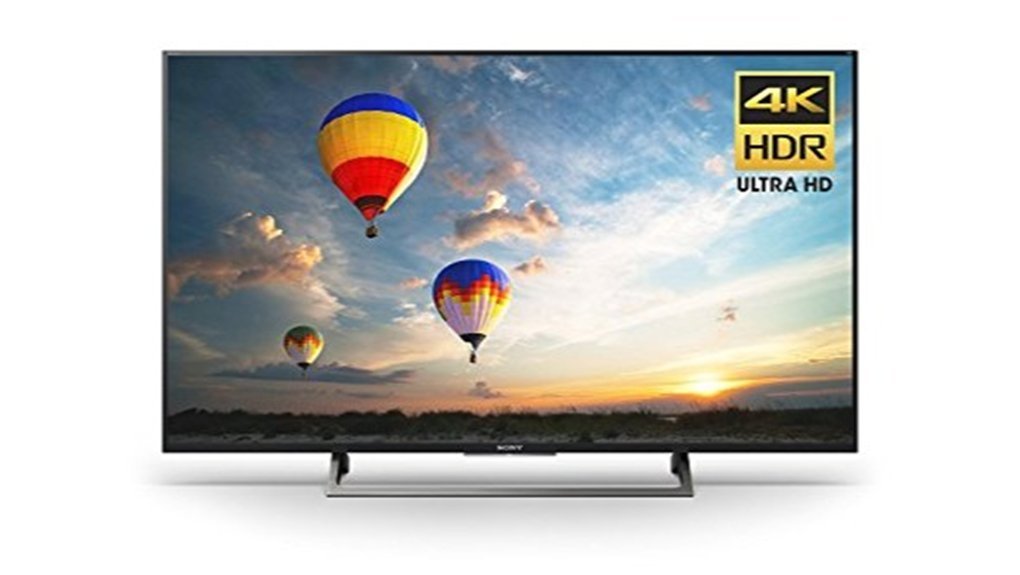
Sony’s XBR-55X800E suits buyers seeking a budget-friendly 55-inch 4K smart TV with solid HDR performance. The 2017 Sony model uses edge-lit LED technology, delivering sharp Ultra HD detail, improved contrast, and richer color through HDR support. Its 60Hz native panel and Motionflow XR help keep action and sports reasonably smooth. Sony’s Android TV platform provides access to popular apps and streaming services, while Alexa compatibility adds voice-control convenience when paired with a separate device. With four HDMI ports, multiple USB inputs, and a compact black design, it remains practical for everyday living rooms.
Best For: Budget-conscious buyers who want a 55-inch 4K smart TV with solid HDR, easy app access, and reliable everyday performance.
Pros:
- Sharp 4K Ultra HD picture with HDR for better contrast and color
- Android TV platform offers access to popular apps and streaming services
- Good connectivity with 4 HDMI ports plus multiple USB inputs
Cons:
- 60Hz panel is less ideal for fast-paced gaming or sports than higher-refresh models
- Edge-lit LED design may not deliver the best black levels or uniformity
- Alexa voice control requires a separate compatible device
Factors to Consider When Choosing a New TV: Here’s Why Now Is the Best Time to Start Looking for Useful Products and Buying Tips

Picture quality, screen size, smart features, motion handling, and HDR support are the main factors that shape a worthwhile TV purchase in 2026. A balanced comparison of these elements helps identify models that fit both viewing habits and room size. This makes now a strong time to review useful products and buying tips before choosing a new set.
Picture Quality
When evaluating picture quality, buyers should start with resolution, since 4K Ultra HD delivers four times the pixel count of Full HD for sharper detail and cleaner images. Beyond resolution, High Dynamic Range improves contrast and widens the color range, helping scenes appear more vivid and lifelike. Display technologies that strengthen dark-scene performance also matter, because they preserve detail in shadows and improve viewing in dim rooms. A refresh rate of 120Hz can reduce motion blur, which benefits fast sports and action sequences. Expanded color depth adds nuance by enabling a billion shades or more, creating smoother gradients and more accurate reproduction. Together, these features determine how faithfully a television presents movies, games, and streaming content.
Screen Size
Screen size should be matched to viewing distance, with most setups working best when the viewer sits about 1.5 to 2.5 times the diagonal measurement away. That guideline helps determine whether a TV will feel comfortable and immersive rather than too small or overpowering. A 55-inch model is often well suited to medium-sized living rooms, where it can deliver a balanced, cinematic view without dominating the space. In larger rooms or dedicated home theaters, 65 inches and above can create a stronger sense of scale. Bigger displays also benefit more from 4K resolution, since added detail helps preserve clarity. Room layout, furniture placement, and viewing angle should also be assessed before choosing a final size, since they affect both comfort and image presentation.
Smart Features
Beyond size and viewing distance, smart features play a major role in how useful a TV feels day to day. Integrated streaming platforms let viewers access thousands of movies and shows directly from the television, reducing reliance on extra devices. Support for popular apps and services also consolidates entertainment in one place, making navigation simpler. Voice control compatibility adds convenience, since users can search for titles, change settings, or launch apps with spoken commands. Regular software updates matter as well, because they help the operating system gain new functions and stay current over time. Multiple HDMI and USB ports further improve practicality by allowing easy connection to consoles, sound systems, storage drives, and other peripherals, creating a more adaptable setup for changing needs.
Motion Handling
Motion handling is a key factor in how well a TV displays fast-moving content without blur, making it especially important for sports and action movies. It measures how smoothly a screen renders rapid movement, helping prevent smearing, stutter, and judder during live broadcasts or high-speed film sequences. A 120Hz panel can make a noticeable difference by refreshing the image more often, which usually improves clarity in motion-heavy scenes. Many TVs also include processing tools such as Motionflow XR or similar systems that insert or refine frames to smooth changes. For viewers who regularly watch sports or action-packed films, strong motion handling can be more valuable than minor spec alterations elsewhere, because it directly shapes how natural and comfortable the picture feels.
HDR Support
HDR support remains one of the most important features to evaluate when comparing modern TVs, because it improves contrast, color depth, and overall image realism. High Dynamic Range allows brighter highlights and deeper blacks, producing a more lifelike picture in both dim and brightly lit scenes. Models with HDR capability can also display a wider color gamut, revealing far more shades than standard 4K UHD sets. Performance is often stronger when the TV uses full-array LED backlighting with local dimming zones, since these help control brightness and black levels more precisely. Dolby Vision adds another advantage by adjusting picture quality scene by scene. For buyers, strong HDR support is a clear sign of a TV that can deliver a noticeably better viewing experience.
Connectivity Options
Connectivity options are another key part of choosing a new TV, since they determine how easily the set works with consoles, streaming devices, sound systems, and older hardware. Multiple HDMI ports matter because they let several devices stay connected at once, reducing the need to swap cables between a game console, Blu-ray player, and sound system. USB ports add convenience by allowing media playback from flash drives or external drives. For reliable streaming, Ethernet remains useful, though built-in Wi-Fi is common and practical. Older equipment may still rely on composite inputs, while optical audio outputs can improve compatibility with separate speakers. HDMI ARC also simplifies soundbar or home theater setups by carrying audio and control signals through one cable, making installation cleaner and daily use easier.
Price Value
Price value often comes down to how much picture quality and convenience a TV delivers for the asking price, with 4K Ultra HD and HDR now offering strong performance at competitive tiers. Buyers should weigh resolution, smart features, and overall image processing rather than focusing only on sticker price. Integrated streaming support can reduce the need for separate devices, adding practical value. Models with deep contrast and wider color ranges may cost more, yet they often deliver a visibly richer picture that justifies the premium. Motion handling is also important for sports and action fans, since smoother playback can improve clarity. Finally, a generous selection of HDMI and USB ports increases versatility, helping a TV serve multiple devices and making the purchase more worthwhile overall.
Frequently Asked Questions
Which TV Brand Has the Best Warranty Coverage?
LG often offers the strongest TV warranty coverage, especially on premium models, though Samsung and Sony vary by region and retailer. Coverage depends on the specific model, country, and any extended protection plan purchased.
How Much Energy Do Modern TVS Use?
Modern TVs typically use about 30 to 150 watts, depending on size, brightness, and technology. Like silent lanterns, they vary in appetite; OLED and LED models usually consume far less than older sets.
Do These TVS Support Voice Assistants?
Yes, many modern TVs support voice assistants, including Alexa, Google Assistant, or built-in systems. Support varies by model and brand, so compatibility should be checked before purchase, especially for smart-home integration preferences.
What Screen Size Works Best for Small Rooms?
For small rooms, 32 to 43 inches usually works best, balancing visibility and space. A 50-inch set may feel overwhelming unless seating is far enough away, while compact models preserve comfort and viewing clarity.
How Often Should I Calibrate My TV?
Like clockwork, calibration should occur every 6 to 12 months, or after major picture changes, software updates, and room lighting shifts. This keeps colors, contrast, and motion aligned with the display’s capabilities.
Conclusion
In choosing among the Samsung UN55MU8000FXZA, TCL 55P607, and Sony XBR-55X800E, shoppers see three different paths to a better screen. Each offers its own strengths, from sharp 4K detail to smart features that simplify everyday viewing. Like travelers at a crossroads, buyers must weigh size, picture quality, and budget carefully. The right decision is the one that fits both the room and the viewer’s expectations, now and into the years ahead.