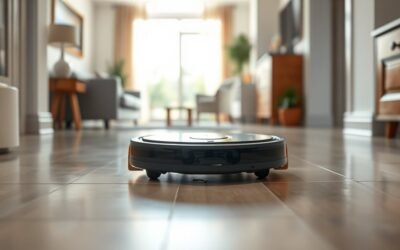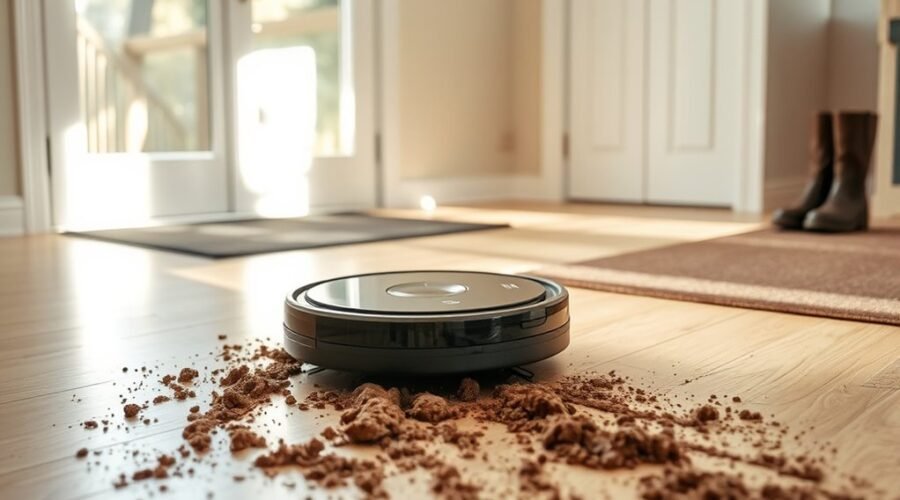
Can robot vacuums clean tracked-in dirt from shoes, pets, and busy entryways? Yes, but their results depend on the debris and your flooring. Dry dust, fine grit, and small crumbs are usually easier to remove than wet mud or dirt pressed into carpet. Knowing these limits helps you keep floors cleaner without expecting your robot to handle every mess.
Quick Answer
Robot vacuums can clean tracked-in dirt effectively when it is dry, loose, and spread across accessible floors. They work especially well on hard flooring and low-pile carpet. However, embedded sand, large dirt clumps, wet mud, and debris trapped in corners often need manual cleaning. Good navigation, effective brushes, and repeated passes improve results.
Key Takeaways
- Hard floors are generally easier to clean because grit stays on the surface instead of settling into carpet fibers.
- Advertised suction power matters, but brush design, airflow, and navigation also determine how much dirt a robot collects.
- Spot cleaning, carpet boost, and repeat passes can improve pickup in busy areas when your model supports them.
- Wet mud and heavily soiled carpets still require manual cleaning or equipment designed for those messes.
- Entry mats and regular maintenance reduce the amount of dirt your robot needs to handle.
Can Robot Vacuums Clean Tracked-In Dirt?
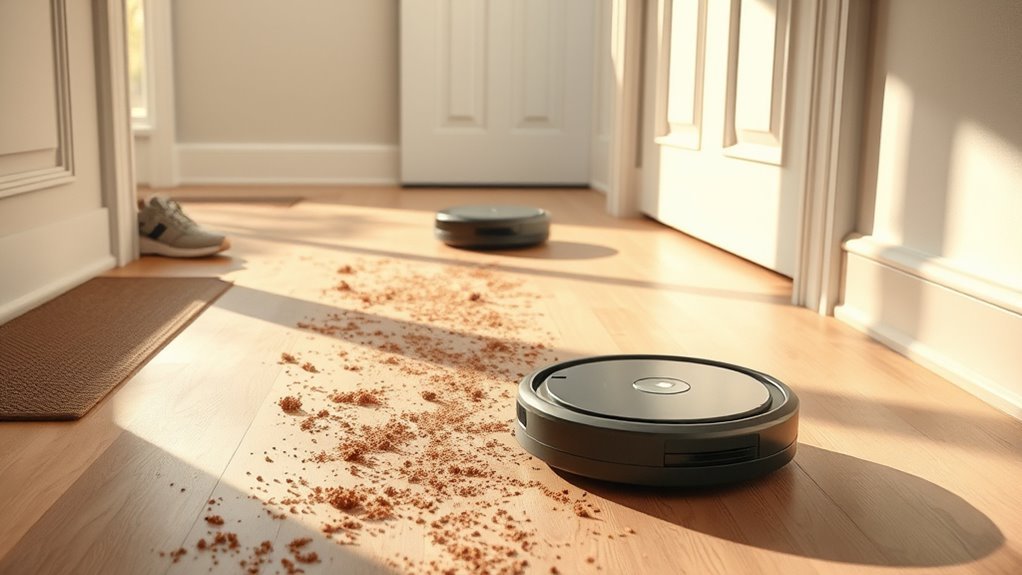
Robot vacuums can remove everyday tracked-in dirt, especially loose dust, sand, and small particles. Their main advantage is frequent cleaning that stops debris from building up between manual vacuuming sessions.
On tile, vinyl, laminate, and sealed hardwood, a capable robot can collect dry dirt before people spread it through the house. Low-pile carpets also benefit, although dirt embedded in the fibers is harder to remove.
Results depend on several features:
- Suction and airflow: Help move dirt from the floor into the dustbin.
- Main brush design: Helps loosen debris from carpet and guide particles toward the intake.
- Navigation: Determines whether the robot reaches dirty areas and completes its cleaning route.
- Floor clearance: Affects movement over rugs, transitions, and uneven surfaces.
- Maintenance: Keeps the brushes, filters, and airflow path working properly.
A robot vacuum works best as a maintenance cleaner. It reduces daily sweeping, but a conventional vacuum or appropriate floor-cleaning tool remains useful for heavier messes.
What Tracked-In Dirt Do Robot Vacuums Handle Best?
Robot vacuums handle dry, loose debris more reliably than sticky, wet, or deeply embedded dirt. Fine dust, small crumbs, pet hair, and light grit are usually manageable.
The surface matters just as much as the debris. A robot may collect sand from tile but leave some of the same sand behind when it settles into carpet.
Light Dust and Grit
Light dust and fine grit are among the easiest forms of tracked-in dirt for robot vacuums to remove. These particles usually enter on shoes, clothing, pet paws, or through open doors.
On smooth floors, side brushes sweep loose particles toward the main cleaning head. The vacuum then moves them into its dustbin.
Small amounts of sand are also manageable. However, a thick layer of sand may need repeated passes, especially if the side brushes scatter particles before collecting them.
Rubber rollers and anti-tangle brush systems can help reduce hair buildup. They are useful in homes where pet hair mixes with outdoor dust.
For the best results, remove heavy accumulations before allowing the robot to handle the remaining fine dirt.
Hard Floor Performance
Hard floors give robot vacuums a relatively accessible cleaning surface. Dirt remains visible and usually sits above the floor rather than becoming trapped in fibers.
However, textured tile, deep grout lines, and flooring seams can hold particles that a robot misses during a normal pass.
| Debris type | Handling | Note |
|---|---|---|
| Fine dust | Very good | Usually easy to collect from smooth floors |
| Dry grit and sand | Good to variable | May need extra passes |
| Hair and fibers | Good with suitable brushes | Hair can wrap around rollers |
| Wet mud | Poor for dry vacuuming | Clean manually before vacuuming |
| Large dirt clumps | Limited | May block the intake or be pushed aside |
Hard floors also need protection from abrasive grit. If sand becomes trapped under a wheel or brush, it can contribute to surface scratches.
Inspect the robot’s wheels if it has traveled through a heavily soiled area. This is especially helpful on polished wood and luxury vinyl flooring.
Carpet Surface Limits
Low-pile carpet is generally easier for a robot vacuum to clean than thick, plush carpet. Its shorter fibers allow the cleaning head to reach more surface dirt.
Medium-pile carpet often needs stronger agitation and additional cleaning passes. High-pile and shag rugs can create problems with traction, brush movement, and clearance.
Some dark carpets may also trigger cliff sensors that mistake dark surfaces for drop-offs. This varies by model and sensor design.
For delicate or high-pile carpet, follow the Carpet and Rug Institute’s high-pile vacuum guidance. Certain carpet styles can be damaged by unsuitable brush rollers.
Why Do Dirt and Grit Challenge Robot Vacuums?
Dirt and grit challenge robot vacuums because particles vary in weight, size, moisture, and location. A machine that removes household dust easily may struggle with dense outdoor debris.
Several problems can affect cleaning:
- Heavy particles: Coarse sand and gravel may resist pickup or get pushed around.
- Brush scattering: Fast-spinning side brushes can throw loose grit away from the suction path.
- Clogging: Large dirt clumps may obstruct the intake or brush chamber.
- Surface gaps: Dirt trapped in grout, flooring seams, and corners may remain after cleaning.
- Moisture: Wet soil can stick to brushes, wheels, and internal components.
The final problem matters after rain, gardening, or outdoor activities. Wet mud is different from ordinary household dust and should not be treated as a routine dry-vacuuming job.
Warning: Do not use an ordinary robot vacuum to collect wet mud or standing water. Moisture can damage components and contaminate the dust collection system. Manufacturer wet-surface precautions specifically warn against using standard vacuum systems on wet surfaces. Remove the wet mess manually before normal vacuuming.
How Does Carpet Affect Tracked-In Dirt Pickup?
Carpet makes tracked-in dirt harder to remove because fibers hold particles below the visible surface. Foot traffic can press grit deeper into the pile.
Robot vacuums generally perform better on surface debris than on particles trapped near the carpet backing. Brush movement, suction, and carpet thickness all affect the result.
Carpet Fibers Trap Dirt
Carpet fibers catch dirt that might otherwise remain loose on a hard floor. Sand can settle between the fibers, while hair and lint may wrap around them.
As people walk across the carpet, they can push particles deeper. This makes older buildup harder to remove than fresh surface dirt.
Low-pile carpets usually allow easier pickup. With plush carpet, the robot may ride above the deepest debris instead of reaching it.
Regular vacuuming prevents much of this buildup. The Carpet and Rug Institute’s maintenance guidance recommends frequent vacuuming in high-traffic areas and periodic deep cleaning to remove embedded soil.
Suction Matters On Carpet
Suction helps lift loosened dirt from carpet, but it cannot do all the work alone. A brush needs to disturb trapped particles before airflow can carry them away.
Many robot vacuums offer carpet boost settings that automatically increase suction when carpet is detected. This can improve pickup without requiring maximum power on every hard floor.
Some models also offer deep carpet cleaning that makes a second pass across the area. For example, documented deep carpet cleaning settings use two passes in a crosshatch pattern.
That approach helps cover dirt missed by the first pass, although it cannot guarantee the removal of deeply embedded grit.
Edge Cleaning Limitations
Robot vacuums often leave some dirt along carpet edges and baseboards. Their circular bodies and limited brush reach make tight corners especially difficult.
Side brushes help guide debris inward, but they may not collect everything pressed against a wall. Carpets can make the problem worse because particles settle below the brush’s reach.
Some robots have extending side brushes or specialized edge-cleaning routines. Even with these features, occasional manual vacuuming with a crevice tool may be necessary.
Pay particular attention to carpeted entryways, corners behind doors, and the edges of rugs where grit accumulates.
How Does Suction Power Change the Results?
Suction power affects how effectively a robot vacuum moves loosened debris into its dustbin. However, higher advertised suction does not always produce better cleaning results.
Manufacturers commonly describe suction using pascals (Pa), a measure of pressure. Figures such as 4,000 Pa, 8,000 Pa, and 15,000 Pa appear in robot vacuum specifications and buying advice.
Some products now advertise considerably higher figures. Current manufacturer suction specifications include models rated at 22,000 Pa and 36,000 Pa.
However, these numbers are not universal cleaning-performance thresholds. A robot with a higher Pa rating can still leave behind sand if its brush design, airflow, or navigation performs poorly.
According to independent robot vacuum testing, actual debris pickup depends on several interacting factors, including the cleaning head’s contact with the floor.
High suction ratings can help with tracked-in dirt, but actual debris pickup and floor coverage are more useful measures of cleaning performance.
When evaluating a robot vacuum, consider how well it collects sand, dust, and hair on your specific floor types. Look beyond the advertised suction number.
What Helps a Robot Vacuum Clean Better?
A robot vacuum cleans tracked-in dirt better when you combine suitable settings with proper maintenance. You can often improve results without replacing the machine.
Use these practical methods:
- Use targeted cleaning: Run a spot or zone-cleaning cycle around entryways, mudrooms, and frequently used doors if your model supports it.
- Increase suction when needed: Select a stronger cleaning mode for heavier dry grit or carpeted areas.
- Enable repeat passes: Use multiple-pass cleaning where available to collect particles missed during the first run.
- Clear obstacles: Move shoes, loose cords, and small objects that prevent the robot from reaching dirty areas.
- Check the cleaning path: Review the robot’s map or cleaning history to identify skipped areas.
- Maintain the cleaning system: Empty the dustbin, remove trapped hair, and inspect the filter and brushes.
Navigation systems such as LiDAR can improve route planning. However, even advanced mapping cannot compensate for furniture or clutter that blocks access to a dirty floor.
Maintenance is particularly important after collecting sandy debris. Fine dust can load the filter, while hair and grit may accumulate around brush bearings.
For example, manufacturer maintenance instructions for certain robot vacuums recommend checking brushes and filters weekly, with more frequent brush care in homes with pets.
Pro Tip: After a cleaning cycle, inspect a small section of carpet or flooring near the entrance. If visible grit remains, try one targeted second pass. Persistent debris may indicate that the surface needs manual cleaning rather than more automatic cycles.
When Will You Still Need to Vacuum by Hand?
You still need manual cleaning when tracked-in dirt is heavy, wet, deeply embedded, or beyond the robot’s reach. These conditions are common around doors, entry mats, and busy walkways.
Consider manual cleaning for the following situations:
- Large dirt clumps: Remove bulky pieces before they block the robot’s intake.
- Deeply embedded carpet grit: Use a suitable upright or canister vacuum for stronger agitation and more thorough cleaning.
- Wet soil: Wipe or mop the affected hard floor with an appropriate method rather than using an ordinary dry vacuum.
- Thick or delicate rugs: Follow the rug manufacturer’s care instructions.
- Tight spaces: Use a crevice attachment around thresholds, baseboards, and corners.
Carpet stains and ground-in grime may require more than dry vacuuming. Periodic carpet extraction or appropriate spot cleaning can remove soil that a robot leaves behind.
The goal is not to eliminate every manual cleaning task. It is to let your robot handle routine debris while you focus on the areas that need extra attention.
How Can You Prevent Tracked-In Dirt From Spreading?
Preventing dirt from entering your home reduces the amount your robot vacuum needs to collect. This is especially helpful in wet weather and homes with heavy foot traffic.
Place suitable doormats outside and inside busy entrances. Exterior mats help remove coarse dirt from shoes, while interior mats catch finer particles and moisture.
Clean the mats regularly so collected debris does not get carried farther indoors. If a mat becomes wet, allow it to dry before using an ordinary vacuum on it.
A shoe-removal area near the door can also reduce tracked-in soil. For pets, wiping muddy paws before they enter helps prevent dirt from reaching carpets and furniture.
For luxury vinyl plank flooring, remove abrasive grit promptly. Luxury vinyl flooring care guidance explains that loose grit can cause fine scratches and recommends suitable entrance mats.
These habits help the robot spend more time collecting ordinary dust instead of dealing with heavy outdoor messes.
Frequently Asked Questions
What Are the Downsides of Using a Robotic Vacuum Cleaner?
Robot vacuums can miss corners, struggle with embedded dirt, and get stuck on obstacles. They also need regular brush, filter, and dustbin maintenance. Most cannot safely collect wet debris, and even advanced models may require manual cleaning in heavily soiled areas.
How Big of a House Can a Robot Vacuum Clean?
A robot vacuum can clean a small apartment or a large house, depending on its battery, navigation system, and cleaning capacity. Some models recharge and resume unfinished jobs. There is no universal 2,000-square-foot limit, although individual robots may have mapping or coverage restrictions.
Does a Robot Vacuum Clean While Mapping?
Some robot vacuums can build maps while cleaning, but dedicated mapping runs usually focus on navigation without vacuuming. The behavior depends on the model and selected mode. Once a map is saved, compatible robots can use it for targeted room and zone cleaning.
Can I Use a Robot Vacuum to Mop My LVP Flooring?
Yes, a compatible robot vacuum and mop can clean luxury vinyl plank flooring if the flooring manufacturer permits it. Use suitable water settings and avoid leaving excess moisture on the surface. Remove loose grit before mopping, and follow the floor manufacturer’s cleaning instructions.
Can a Robot Vacuum Clean Dried Mud?
A robot vacuum can collect some loose dirt after mud has dried completely. However, hard clumps may be too large or heavy for reliable pickup. Remove those pieces manually first, then use the robot for the remaining dry particles.
How Often Should a Robot Vacuum Clean an Entryway?
Daily cleaning is a practical starting point for entryways with frequent foot traffic and dry tracked-in dirt. Less-used entrances may need fewer runs. Adjust the schedule based on visible debris, flooring type, and how quickly the dustbin fills.
Conclusion
Robot vacuums can clean tracked-in dirt well when it consists of loose dust, dry grit, and small particles. They are especially useful on hard floors and low-pile carpets, where frequent cleaning prevents debris from accumulating.
For better results, use targeted cleaning modes, maintain the brushes and filters, and keep heavy mud away from the machine. Pair regular robot vacuuming with effective entrance mats and occasional manual deep cleaning.
That approach gives you cleaner floors with less daily effort while keeping realistic expectations about what a robot vacuum can handle.
Sources
- Good Housekeeping Institute: Robot Vacuum Navigation and Suction: Explains why suction ratings alone do not predict actual debris pickup.
- Roborock Official Robot Vacuum Specifications: Confirms advertised suction figures, including 22,000 Pa and 36,000 Pa.
- Carpet and Rug Institute: Cleaning and Maintenance: Supports regular vacuuming, entryway dirt prevention, and periodic deep cleaning.
- Carpet and Rug Institute: Vacuums for High-Pile Carpet: Explains brush compatibility and potential damage to delicate carpet fibers.
- Roborock Support: Deep Carpet Cleaning: Confirms the use of repeated, crosshatch cleaning passes on supported models.
- iRobot Support: Robot Vacuum Maintenance: Provides brush, filter, and dustbin care guidance.
- iRobot Support: Mopping and Wet-Surface Precautions: Explains moisture-related risks and relevant operating limitations.
- iRobot Support: Mapping and Cleaning: Confirms that supported robots can map during cleaning or use dedicated mapping runs.
- Karndean Designflooring: Luxury Vinyl Cleaning and Care: Supports routine grit removal, suitable mopping, and protective entrance mats.