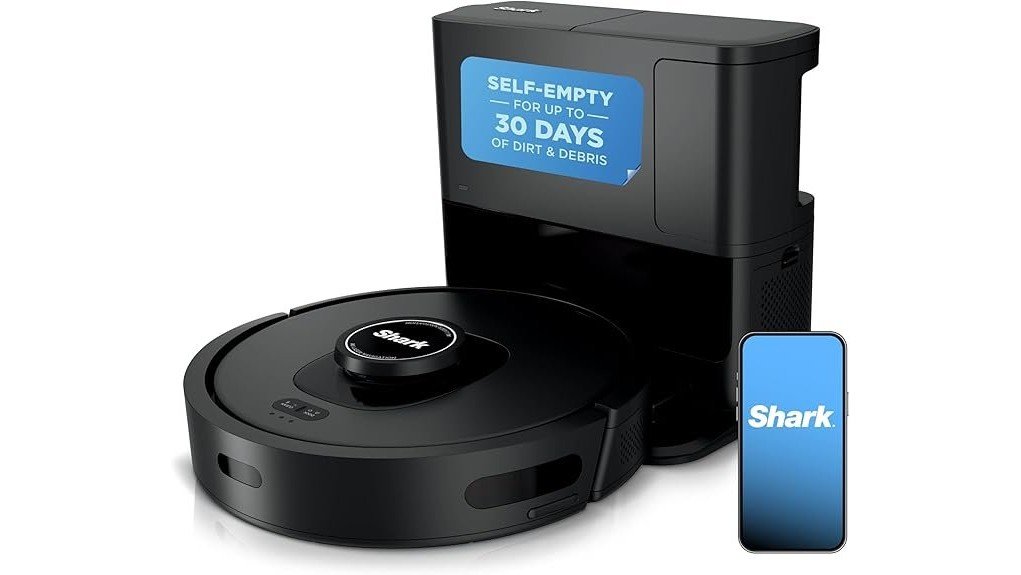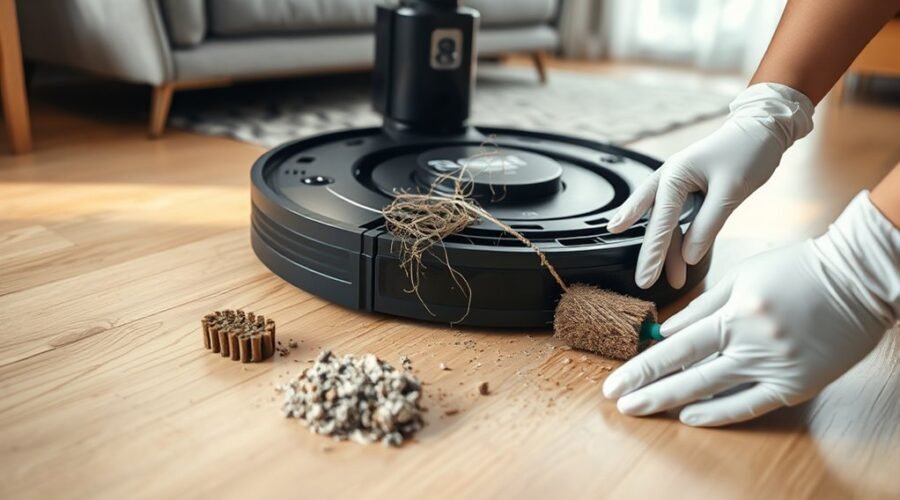
A robot vacuum’s main brush should be cleaned at least once a week, and more often if pets or long hair are involved. Build-up can reduce suction, strain the motor, and leave debris behind. The process is simple, but the signs of wear, hidden clogs, and brush replacement timing are not always obvious. What usually gets overlooked is how quickly performance drops when maintenance slips.
How Often Should You Clean the Robot Vacuum Main Brush?
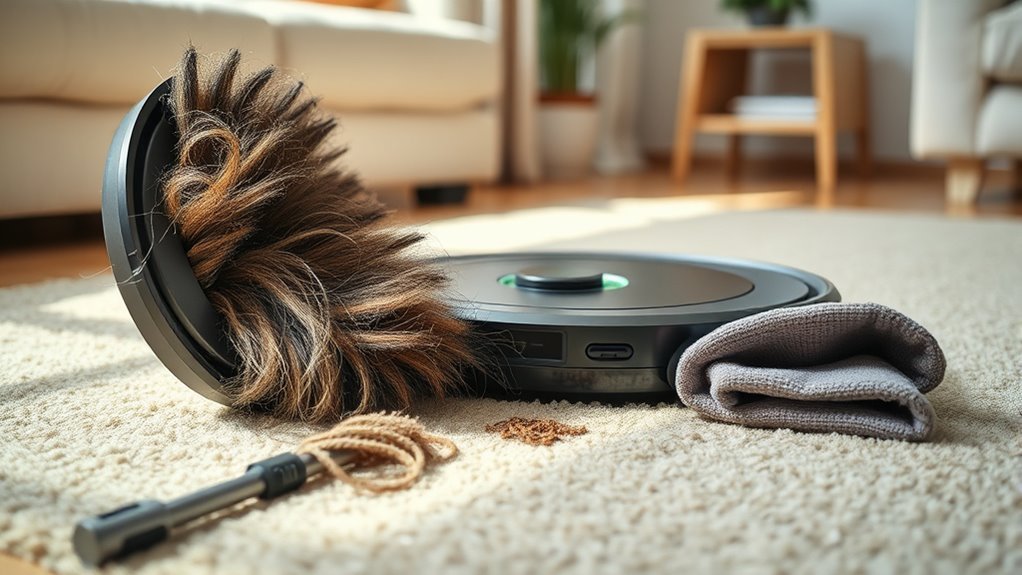
The main brush of a robot vacuum should be cleaned weekly to prevent hair and debris from accumulating and reducing performance. This maintenance schedule keeps the robot vacuum moving with less resistance and supports steady cleaning performance.
In homes with pets or long hair, the cleaning frequency should rise to twice a week, since fibers can wrap the main brush faster and create clogs. Regular clean checks also help detect unusual noises or visible hair clumps before strain reaches the motor. Such prevention protects the unit from overheating and can extend lifespan.
The main brush roller should be replaced every 6 to 12 months, depending on wear and use. A disciplined routine gives users more control, less waste, and cleaner floors without constant intervention. Consistent maintenance preserves efficiency and keeps the machine liberated from avoidable performance loss.
How to Clean the Robot Vacuum Main Brush Step by Step
Power off the robot vacuum before beginning the cleaning process, then gather scissors and a microfiber cloth to keep the task safe and efficient.
Next, open the brush cover and lift out the Main brush for direct access. During maintenance, use scissors to remove hair wound through the bristles and grooves, cutting only what is necessary so the brush keeps its shape.
Wipe both ends with the cloth to clear trapped debris and loose dirt from the axle points. If the housing area is dusty, clean the filter nearby as part of regular maintenance, since a clean pathway supports airflow and freedom from obstruction.
After cleaning, inspect the brush roll for remaining fibers or wear. Let the brush air-dry completely before reinstalling it, because moisture can compromise components.
Once dry, return the brush to its slot, close the cover, and confirm smooth rotation for peak performance.
Why a Dirty Main Brush Hurts Performance
When the main brush collects hair, dust, and debris, its rotation becomes less efficient and the robot vacuum loses suction performance. Reduced suction power means the machine must work harder to pull dirt from floors, lowering cleaning effectiveness on carpets and hard surfaces.
Hair tangling around the main brush adds drag, strains the motor, and can shorten vacuum lifespan if maintenance is ignored. A clogged brush also leaves streaks or clumps of debris behind, a clear sign that performance has dropped. Unusual noises during operation often indicate obstruction and should prompt immediate attention.
For most homes, the recommended cleaning frequency is weekly, with more frequent cleaning in homes with pets or heavy debris. Regular maintenance keeps the brush free-moving, protects suction power, and preserves consistent cleaning results.
It also reduces wear on components and supports reliable, liberation-oriented home care through efficient operation, fewer interruptions, and longer-term vacuum lifespan.
When Should You Replace the Main and Side Brushes?
Main and side brushes should be replaced on a set schedule to preserve cleaning performance and limit motor strain. The Main Brush usually needs replacement every 6-12 months; Side Brushes often need replacement every 3-6 months. Routine inspection is the simplest way to decide timing before cleaning effectiveness drops.
- Inspect brushes for bent, frayed, or missing bristles.
- Replace sooner when pets increase hair wrap and debris load.
- Watch for reduced edge pickup from worn Side Brushes.
- Check for cracks, flattening, or persistent tangles on the Main Brush.
- Use replacement parts sooner if suction feels less efficient.
Homes with pets or heavy debris may shorten the interval because clogs accelerate wear. Delaying replacement can raise motor strain, reduce peak cleaning performance, and shorten vacuum lifespan.
A disciplined schedule keeps the machine free, efficient, and ready to work with minimal waste.
How Should Pet Owners Clean the Main Brush?
Pet owners should clean the robot vacuum’s main brush at least twice a week to prevent hair buildup and maintain consistent brush rotation and suction power. A detached routine keeps the vacuum cleaner free from pet hair and protects the motor from strain.
First, power off the unit, then remove the brush rolls and inspect for clogs or wrapped debris. Use a cleaning tool or scissors to remove tangled hair, then wipe the housing and clean the sensors if dust has spread nearby. During shedding seasons, daily attention may be necessary to preserve performance.
Regular checks reduce unusual noise, limit obstruction, and help clean a robot without compromising efficiency. Practical maintenance tips include clearing the end caps, confirming free rotation, and replacing worn parts when bristles deform.
Consistent care supports stronger suction power, longer service life, and more reliable pickup across floors.
Frequently Asked Questions
What Is the Average Lifespan of a Robot Vacuum Cleaner?
A robot vacuum cleaner averages 4 to 6 years; with robot vacuum maintenance, cleaning frequency, brush replacement, battery lifespan, and usage tips, performance factors, noise levels, brand comparisons, troubleshooting guide, user reviews, longevity improves.
My Roomba Main Brush Is Stuck. What Can I Do to Fix It?
Power off, then remove hair entanglement and debris with proper tools; check bearings, housing, and end caps. These troubleshooting steps, paired with brush maintenance, user manual guidance, cleaning frequency, and DIY fixes, address suction issues and performance tips; consider brush replacement.
Why Put Cinnamon in a Vacuum?
Cinnamon may be added to a dust buster as a natural deodorizer; its spice properties help reduce vacuum odors, pet smells, and enable scent enhancement. These cleaning hacks offer cheap air freshener home remedies.
What Are the Most Common Problems With Robot Vacuums?
Most common problems are battery issues, navigation problems, brush tangles, dustbin clogging, app connectivity, sensor malfunctions, mapping errors, overheating issues, and charging station failures; like a trapped courier, it improves through maintenance tips.
Conclusion
In practice, the robot vacuum main brush should be cleaned weekly, and twice weekly in homes with pets or long hair. For example, a household with two shedding dogs may notice reduced suction and more frequent clogs if the brush is not cleared every few days. Routine maintenance helps prevent overheating, noise, and hair wrap, while preserving cleaning efficiency. When wear becomes visible, replacement is the next step to maintain consistent floor coverage and performance.