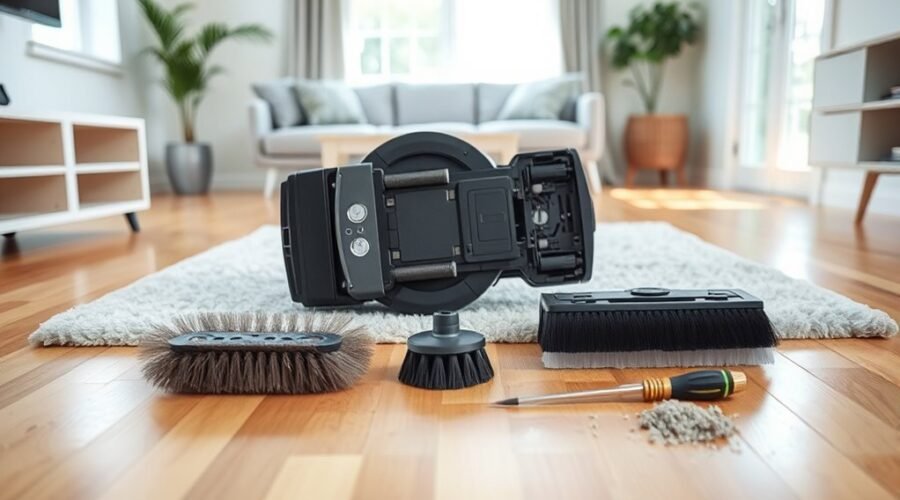
Robot vacuum brushes usually do not last forever, and their lifespan depends on use, floor type, and debris load. Main brushes often need replacement every 6 to 12 months, while side brushes may wear out in 3 to 6 months. Homes with pets can shorten that timeline further. The first signs are often subtle, which makes early wear easy to miss. Knowing what fails first can change how the machine performs.
How Often to Replace Robot Vacuum Brushes
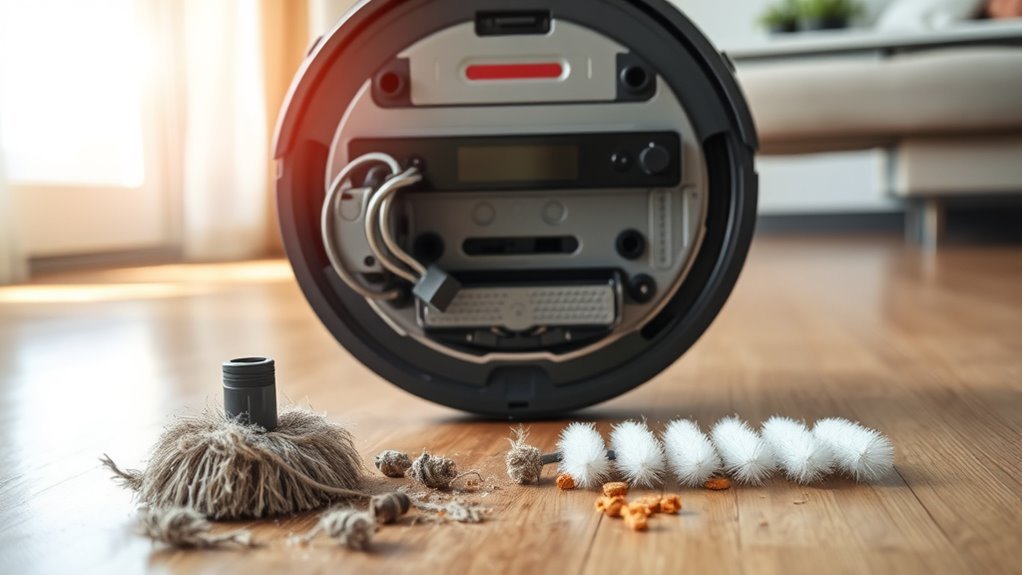
Robot vacuum brushes should be replaced on a regular schedule to preserve cleaning performance: main brushes typically last 6 to 12 months, while side brushes usually need replacement every 3 to 6 months, depending on wear and use.
Robot vacuum brushes should be replaced regularly to maintain cleaning performance, with main brushes lasting longer than side brushes.
This interval supports steady cleaning efficiency and reduces drag from worn bristles. Weekly cleaning of the Main Brush and side brushes helps remove hair, dust, and debris before buildup limits rotation.
In homes with pets or heavy dust, replacement may be needed sooner because abrasive particles and frequent loading accelerate wear. Compatibility should be checked against the vacuum model before purchasing parts, since incorrect brushes can impair fit and function.
A disciplined replacement cycle gives the machine freedom to work with less resistance and keeps maintenance predictable. Regular inspection during cleaning routines helps confirm that parts remain serviceable and aligned with the unit’s intended performance.
Signs Your Robot Vacuum Brushes Need Replacing
A brush replacement is generally warranted when visible hair or debris buildup remains after cleaning, bristles appear bent, missing, or frayed, or the brush no longer spins freely and begins to drag on the floor.
These signs your robot vacuum brushes need replacing indicate wear; parts in robot vacuum accessories lose function as friction and contact accumulate. Monthly inspection helps preserve cleaning autonomy and prevents efficiency loss.
- Persistent buildup after brushing: trapped hair, lint, or debris remains embedded.
- Bristle damage: bent, missing, or frayed ends reduce pickup and sweep quality.
- Motion failure: the brush hesitates, binds, or leaves streaks of dirt behind.
When these conditions appear, replacement is more practical than continued use. Worn brushes compromise liberated, low-effort cleaning by forcing repeated passes and increasing strain on the machine.
Regular checks support reliable operation and maintain consistent floor coverage.
Which Brush Parts Wear Out First?
The main rolling brush typically wears out first because it has the most direct and continuous contact with dirt, debris, and floor surfaces, making it the component most likely to require replacement at about six months, or sooner if damaged. In practical terms, the rolling brush bears the highest load, so its brush parts should be inspected first during maintenance. Side brushes usually follow, with a service window of 3 to 6 months, since they sweep edges and corners and flex repeatedly. Filters often need replacement every 2 to 4 months, while mop pads in mopping models generally last 3 to 6 months.
| Part | Typical life | Primary role |
|---|---|---|
| Rolling brush | 6 months | Main debris pickup |
| Side brushes | 3-6 months | Edge cleaning |
| Filters | 2-4 months | Fine dust capture |
| Mop pads | 3-6 months | Hard-floor mopping |
Weekly cleaning of brush parts and filters can extend service life and preserve efficient, autonomous cleaning.
What Pets Do to Brush Lifespan
Homes with pets often shorten brush lifespan considerably, with replacement commonly needed every 3 months rather than the standard 6 months.
Pet hair wraps around the roller, increasing brush wear and reducing free rotation. When rotation is restricted, motor load rises and cleaning output falls, so the machine works harder for less gain.
Dander also reaches the filtration path, making a clogged filter more likely and lowering airflow. In practical terms, pet households should treat brush condition as a consumable, not a fixed asset.
- Inspect brushes weekly for wrapped hair.
- Expect faster degradation where shedding is heavy.
- Replace sooner if suction drops or the brush resists spinning.
Regular grooming of pets lowers the volume of loose hair entering the vacuum, which helps extend service life.
The result is more consistent floor care, less downtime, and greater control over maintenance costs.
How to Clean Robot Vacuum Brushes So They Last Longer
Weekly cleaning keeps robot vacuum brushes running smoothly by removing hair, dust, and debris before buildup shortens service life.
A robot owner should clean vacuum brushes at least once a week, using scissors to cut away wrapped fibers and other debris with care so the bristles remain intact.
During each pass, the bearings and end caps should be inspected and cleared of obstructions to preserve smooth rotation and consistent pickup.
On models with removable brushes, detaching the assembly supports a more thorough clean and helps prevent compacted buildup from reducing suction power.
This routine is practical maintenance, not extra labor: it protects performance and extends usable life.
A simple cleaning log can track brush condition over time and signal when wear is accelerating.
Even with disciplined care, replacement is still expected every 6 to 12 months, or sooner if performance declines.
Should You Replace the Brush Module?
A brush module should be replaced when wear becomes evident, including bent or missing bristles, persistent noise, or a failure to spin freely.
Regular inspection can distinguish minor maintenance needs from module-level degradation that reduces cleaning efficiency.
In most cases, replacement is more practical than repair once wear affects performance, with a typical service interval of 6 to 12 months depending on usage.
Module Wear Signs
Wear on a robot vacuum’s brush module is usually visible through bent or missing bristles, accumulated debris, or brushes that no longer spin freely.
These signs of wear indicate reduced cleaning efficiency and justify inspection during routine maintenance. A practical review helps preserve performance and keeps the machine operating without avoidable strain.
- Bent or missing bristles
- Debris buildup in the module
- Resistance during free spinning
When any of these conditions persist, the brush module may be near standard replacement intervals, often every 3 to 6 months, depending on usage and pets.
Frequent cleaning can delay degradation, but significant wear on the main or side brushes generally points to module replacement for consistent results and longer service life.
Replace Or Repair
When a robot vacuum brush module shows reduced suction, visible wear, or resistance during rotation, replacement is often the more cost-effective option than repair. A worn brush module can be restored only in limited cases; if the housing, bearings, or bristles are compromised, owners should replace it and reclaim reliable cleaning.
| Check | Repair | Replace |
|---|---|---|
| Wear | Minor | Severe |
| Rotation | Free | Stiff |
| Cost | Uncertain | Predictable |
| Result | Temporary | Stable |
| Interval | N/A | 6–12 months |
Manufacturers often advise replacement every 6 to 12 months, depending on use and debris load. Genuine parts preserve fit and performance. Weekly maintenance can extend service life, but liberation from recurring faults usually comes from a full brush module swap.
Frequently Asked Questions
What Is the Average Lifespan of a Robot Vacuum?
The average lifespan of a robot vacuum is 3 to 5 years. Proper robot vacuum maintenance, brush replacement frequency, and cleaning efficiency tips can extend performance, especially in pet-heavy homes, on hard floors, and with regular filter care.
How Do You Tell if Brushes Need Replacing?
Brushes usually ask for retirement when bristles look tired, bent, or missing, or when debris remains behind. Brush maintenance tips include checking spin freedom, tracking signs of wear, and following cleaning frequency recommendations.
What Are the Downsides of Using a Robotic Vacuum Cleaner?
Robotic vacuum cleaners often reduce Cleaning efficiency on carpets and complex layouts, while Noise levels may remain noticeable. Maintenance tips include frequent brush and filter care; limited battery life and replacement-part costs also burden users.
Why Do My Roomba Brushes Keep Breaking Off?
Roomba brushes keep breaking off because hair tangles, debris buildup, rough surfaces, collisions, and loose third-party parts create stress. Proper brush maintenance tips reduce common wear, and replacement frequency should match usage intensity and inspection findings.
Conclusion
In practice, robot vacuum brushes should be replaced on a predictable schedule: main brushes every 6 to 12 months, side brushes every 3 to 6 months, and sooner in pet-heavy homes. Wear usually appears as bent bristles, reduced pickup, or noisy spinning. For example, a household with two dogs may need new side brushes after 3 months. Regular cleaning slows wear, but replacement is the only way to restore full cleaning performance.