A steam mop looks simple, but its function depends on a controlled heating cycle, steam release, and pad contact working together. Water is warmed inside a sealed tank, then driven through the base as pressurized vapor. That vapor loosens residue, while the pad collects it and the surface dries quickly. The key questions are how much heat it produces, what it can clean, and where mistakes begin.
What Is a Steam Mop?
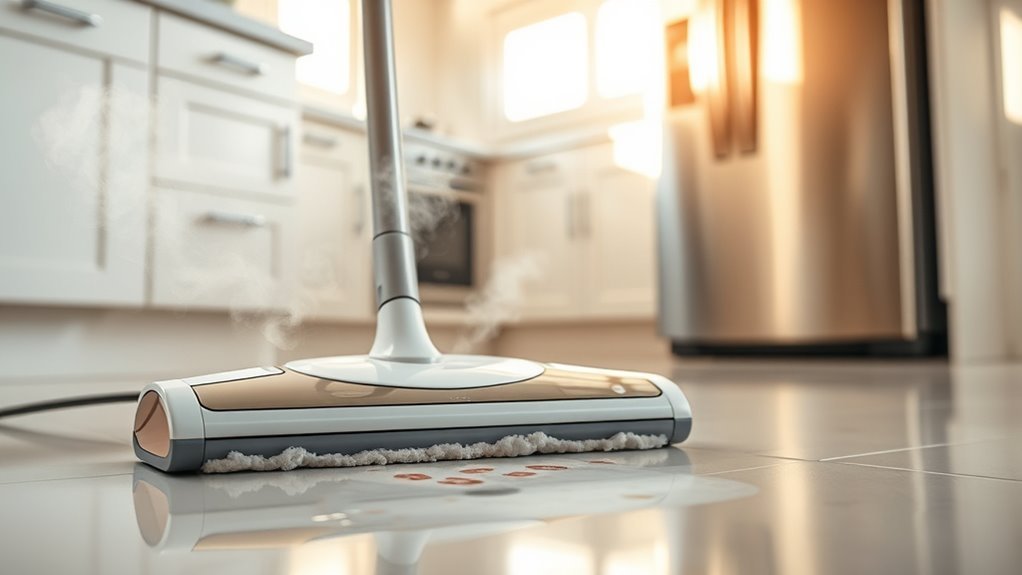
A steam mop is an electric cleaning device that heats water to produce steam for loosening dirt and sanitizing sealed hard floors without chemical cleaners.
In practical terms, the steam mop offers a controlled method of cleaning sealed hard surfaces by using heated water to generate steam output at the mop head. That steam softens grime, while a microfiber pad collects dirt and debris with limited residue left behind.
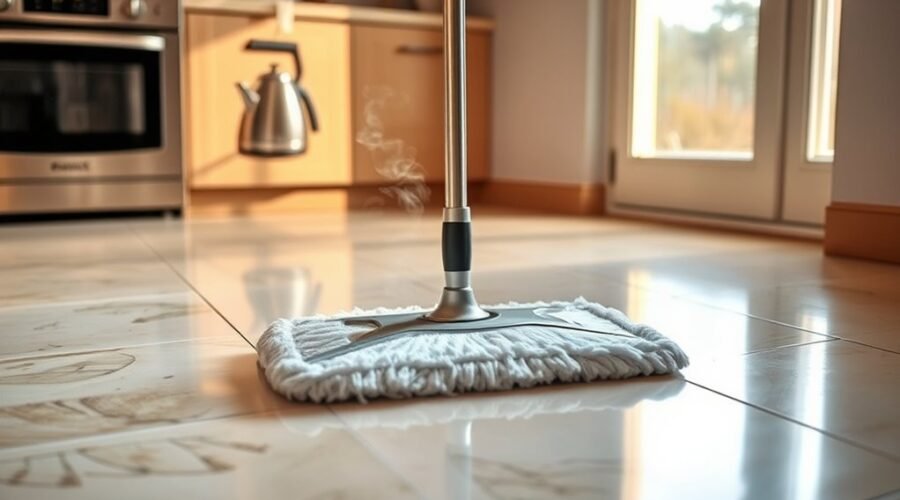
The steam mop uses heated water to loosen grime, while a microfiber pad lifts away dirt with minimal residue.
The result is quick-drying performance that reduces wait time and supports efficient cleaning. Unlike traditional mops, which often spread dirty water across a floor, this device targets surface contamination with less manual effort and no added detergent.
It is suitable for tile, grout, sealed hardwood, laminate, and vinyl, provided the surface is nonporous and properly sealed.
For users seeking liberation from heavy scrubbing and chemical dependence, the steam mop represents a precise, low-residue cleaning tool.
How Do Steam Mops Heat Water?
Steam mops produce their cleaning power by heating water inside a built-in electric element, which rapidly raises the temperature to generate steam.
In most models, steam mops heat water in a sealed water tank through built-in heating controlled by electricity. The heating element typically brings the liquid to 120°C to 180°C, reaching high temperatures suited to effective loosening of soil on hard surfaces.
Tank sizes of 300ml to 500ml support longer sessions and reduce interruption. Depending on wattage and tank volume, startup usually takes 30 seconds to a few minutes.
Once ready, steam exits through the steam mop head in a continuous flow, allowing cleaning and sanitizing without harsh chemicals. This design gives users direct control over heat delivery, making the machine practical for those seeking efficient, independent floor care.
How Do Steam Mops Lift Dirt and Grime?
High-temperature steam loosens hardened dirt, grease, and residue by penetrating the surface film and softening the buildup.
Once the deposits are weakened, the microfiber pad contacts the floor and mechanically traps the loosened debris.
This combination improves removal efficiency without relying on chemical cleaners.
Heat Loosens Buildup
When heated to as much as 100°C, water is converted into pressurized steam that penetrates surface buildup and loosens dirt, grime, grease, and stains. The heat softens stubborn dirt so cleaning requires less effort and no chemical residue.
As steam spreads across the floor, it breaks down grease and dislodges loosened debris, preparing it for removal. The microfiber pad then passes over the treated area and can collect the material more efficiently.
High temperatures also help sanitize surfaces by reducing bacteria, adding a practical hygiene benefit. Because moisture is released in controlled amounts, the floor dries quickly, often within minutes.
This combination of heat and steam supports fast, effective cleaning while helping users reclaim surfaces with less labor and greater confidence.
Microfiber Traps Debris
The microfiber pad serves as the collection stage for loosened soil, trapping debris after heated steam has penetrated and softened dirt, grime, and sticky residue.
This microfiber pad uses fine fibers to trap debris while the steam’s cleaning power continues to loosen grime at the surface. High-temperature steam delivers moisture and heat in a controlled burst, improving cleaning efficiency without excessive wetting.
As the pad passes, suspended particles are lifted from the floor and retained in the fabric structure, limiting redistribution. Reusable pads support an environmentally friendly routine by reducing waste and replacement needs.
Because little water remains after contact, quick drying follows, lowering exposure to water damage and mold growth. The result is a practical, liberated cleaning process that clears floors with less labor and fewer disposable materials.
Why Do Steam Mops Dry Floors Faster?
Steam mops dry floors faster because their steam is released at temperatures typically between 120°C and 180°C, causing surface moisture to evaporate rapidly while using far less water than conventional mopping. A steam mop uses high temperatures to loosen dirt and grime, so less liquid remains to slow moisture evaporation. Compared with traditional mopping, the floor’s drying time drops sharply, often to minutes rather than hours. Microfiber pads improve absorption and trap residue, leaving the surface cleaner and drier.
| Factor | Steam Mop | Traditional Mopping |
|---|---|---|
| Water left behind | Low | High |
| Drying time | Short | Long |
| Heat effect | High | None |
| Soil removal | Efficient | Variable |
| Cleanup speed | Fast | Slower |
Efficient steam output and lightweight design support a quick cleaning process, reducing the period during which floors stay exposed and slippery.
Which Floors Can a Steam Mop Clean?
Best suited to sealed hard flooring, steam mops clean tile, grout, sealed hardwood, laminate, and vinyl by combining heat, moisture, and microfiber agitation without exposing the surface to excess water.
For these sealed hard floors, a steam mop can improve cleaning performance by loosening soil and lifting residues from textured joints and seams. High-temperature steam also helps sanitize surfaces, which is useful in kitchens, entryways, and other high-traffic zones.
Different floor types require different output levels, so adjustable settings matter when balancing efficiency with material safety. The mop should not be used on unsealed wood floors, waxed finishes, or porous stone, because heat and moisture can cause swelling, dulling, or damage.
Before use, manufacturer guidelines should be checked to confirm compatibility with specific materials and finishes. When selected appropriately, the steam mop offers a controlled, low-residue method that supports cleaner, more liberated living spaces.
What Steam Mop Mistakes Should You Avoid?
Common steam mop errors include using it on the wrong floor surfaces and applying excessive steam to sensitive materials.
Unsealed wood, laminate, and other delicate finishes can warp, discolor, or degrade when exposed to heat and moisture beyond recommended limits.
Proper use requires matching the steam setting and surface type to the manufacturer’s guidelines.
Wrong Floor Surfaces
Not every floor surface is suitable for steam cleaning, and using a steam mop on the wrong material can cause permanent damage.
A steam mop on unsealed wood or other certain flooring can weaken adhesive and trigger buckling. Laminate surfaces are also vulnerable; moisture may penetrate seams and cause warping.
Porous stones, including marble and limestone, can absorb moisture and become degraded by steam, so they are not suitable for steam. Worn finish areas should be avoided because heat and moisture accelerate existing deterioration.
To reduce damage by steam, users should check manufacturer guidelines before cleaning. Those instructions identify which floors are suitable for steam and which steam mops leave untouched.
This approach lets floors clean without avoidable risk, preserving integrity, finish, and warranty coverage.
Too Much Steam
Using too much steam is one of the most common mistakes with steam mops, because excess moisture can leave floors damp long enough to cause warping, especially on sensitive materials such as unsealed wood.
To avoid oversaturating floors, move steadily and select the appropriate steam setting for each surface. Delicate surfaces require restraint; more output does not mean better cleaning.
The water tank should contain only water, since steam mops are built to clean effectively without detergent.
Dirty mop pads should be replaced promptly, or they will spread residue and reduce performance.
Follow the manufacturer’s guidelines to protect materials and maintain freedom from unnecessary damage.
- Stop too much steam from lingering.
- Protect unsealed wood from moisture.
- Keep delicate surfaces safe.
- Restore control through precision.
Frequently Asked Questions
Is Steaming Floors Better Than Mopping?
Steam mopping is often better: steam mop advantages include higher cleaning efficiency, strong sanitization benefits, eco friendly cleaning, and time saving methods. For suitable floor types, it handles pet hair and stubborn stains, improving user experience. Maintenance tips matter.
Where Does the Dirt Go When You Steam Clean?
Dirt vanishes like a magician’s act: steam penetration and steam temperature loosen it, then microfiber traps debris for dirt removal, reducing residue buildup. Cleaning efficiency, bacteria elimination, surface compatibility, floor types, cleaning frequency, and mop maintenance matter.
Why Is My Floor Still Dirty After I Steam Mop?
Insufficient pre-cleaning, weak steam mop effectiveness, poor user technique, or mismatched floor type often leaves residue buildup. Stubborn stains may need higher steam temperature, better cleaning frequency, and maintenance tips; product selection also affects dirt removal.
How Often Should You Steam Mop Your Floor?
Generally, steam mop frequency should be weekly on high-traffic floors, biweekly for pets or children, with floor type impact and surface compatibility guiding usage recommendations; steam temperature effects improve dirt removal effectiveness, allergy benefits, and time saving advantages.
Conclusion
In the end, the steam mop proves a modern echo of the old world’s hard scrubber, yet with far less effort. By heating water into high-temperature vapor, it loosens grime, lifts residue into a microfiber pad, and leaves sealed floors drying quickly. Its effectiveness, however, depends on proper use and suitable surfaces. On tile, vinyl, and sealed wood, it remains a practical tool—provided it is used with the restraint and care the task demands.