
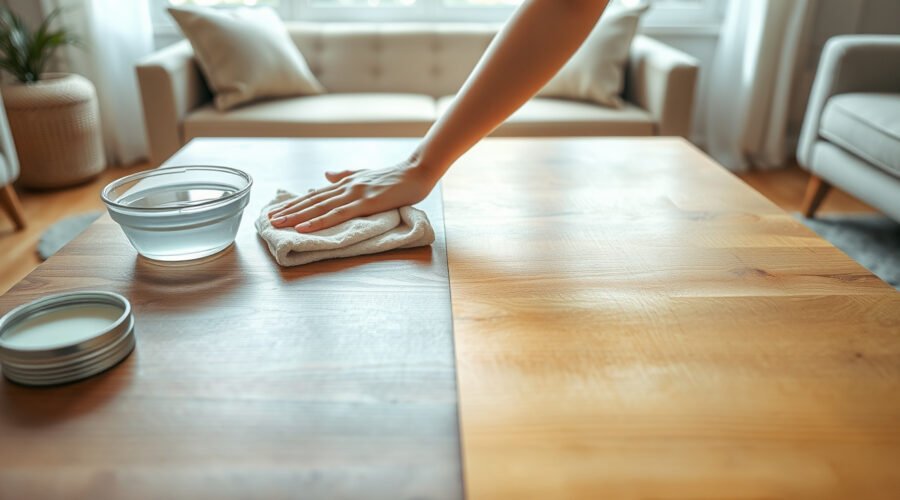
To restore shine to dull wood furniture, clean before you polish. Most dullness comes from dust, wax or polish buildup, dry-looking oil finishes, sun fading, water marks, or a worn topcoat. Start with dry dusting and a hidden spot test, then use the mildest cleaner that removes residue. Add wax only when the existing finish is stable and needs protection. Use wood conditioner only on bare wood before staining, not as a shine treatment for sealed furniture.
Quick Answer
To restore shine to dull wood furniture, dust first, clean with a barely damp cloth and mild soap, dry at once, then buff. If the surface still looks flat, apply a thin coat of paste wax or a finish-safe polish and remove every trace of excess. Avoid soaking wood, spraying cleaner directly on the surface, or using oil-and-vinegar mixtures on an unknown finish.
Key Takeaways
- Check whether the surface is sealed, waxed, oiled, unfinished, or antique before you choose a cleaner.
- Use dry dusting, mild soap, and immediate drying before you reach for polish, wax, or oil.
- Apply wax in a very thin coat only on stable finishes, then buff until the surface no longer feels tacky.
- Use wood conditioner on bare, porous wood before staining, not on sealed furniture that only looks dull.
- Call a professional for antiques, lifting veneer, soft finishes, deep scratches, loose joints, or high-value pieces.
How to Restore Shine to Dull Wood Furniture Step by Step
Use this order before you try sanding or full refinishing. It solves the most common causes of dullness while lowering the risk of finish damage.
- Dust first: Wipe with a clean microfiber cloth so grit does not scratch the finish.
- Test a hidden spot: Check the underside, back edge, or inside leg before treating the whole piece.
- Clean gently: Use mild soap in warm water on a barely damp cloth, then dry the surface right away.
- Buff dry: Use a soft cotton or microfiber cloth and work with the grain.
- Treat only if needed: Use paste wax for a stable sealed finish, matching oil for an oiled finish, or professional help for antiques and failing coatings.
| What You See | Likely Cause | Safest First Move |
|---|---|---|
| Dull but smooth surface | Dust, light grime, or weak gloss | Dust, clean lightly, dry, then buff |
| Cloudy or hazy film | Wax, polish buildup, moisture, or wrong cleaner | Clean gently and stop if the finish softens |
| Sticky feel | Old polish, grease, or failing finish | Use mild soap and minimal water, then dry fully |
| White ring | Moisture trapped in or under the finish | Test a finish-safe water-ring method first |
| Lifting veneer or flaking finish | Structural or finish failure | Stop and call a furniture restorer |
Evaluate Your Wood Furniture Before You Restore Shine
Before you restore your wood furniture, inspect the surface closely. Look for dull spots, fine scratches, cloudy patches, stains, water rings, sticky residue, lifting veneer, or flaking finish.
Check for wax or polish buildup because old product can make the finish look hazy. Clean buildup before you add more shine, or the surface may look uneven.
Also test the furniture’s stability. Loose legs, lifting veneer, deep cracks, soft wood, insect dust, or missing parts need repair before polishing.
Choose the Best Cleaning Solution to Restore Shine
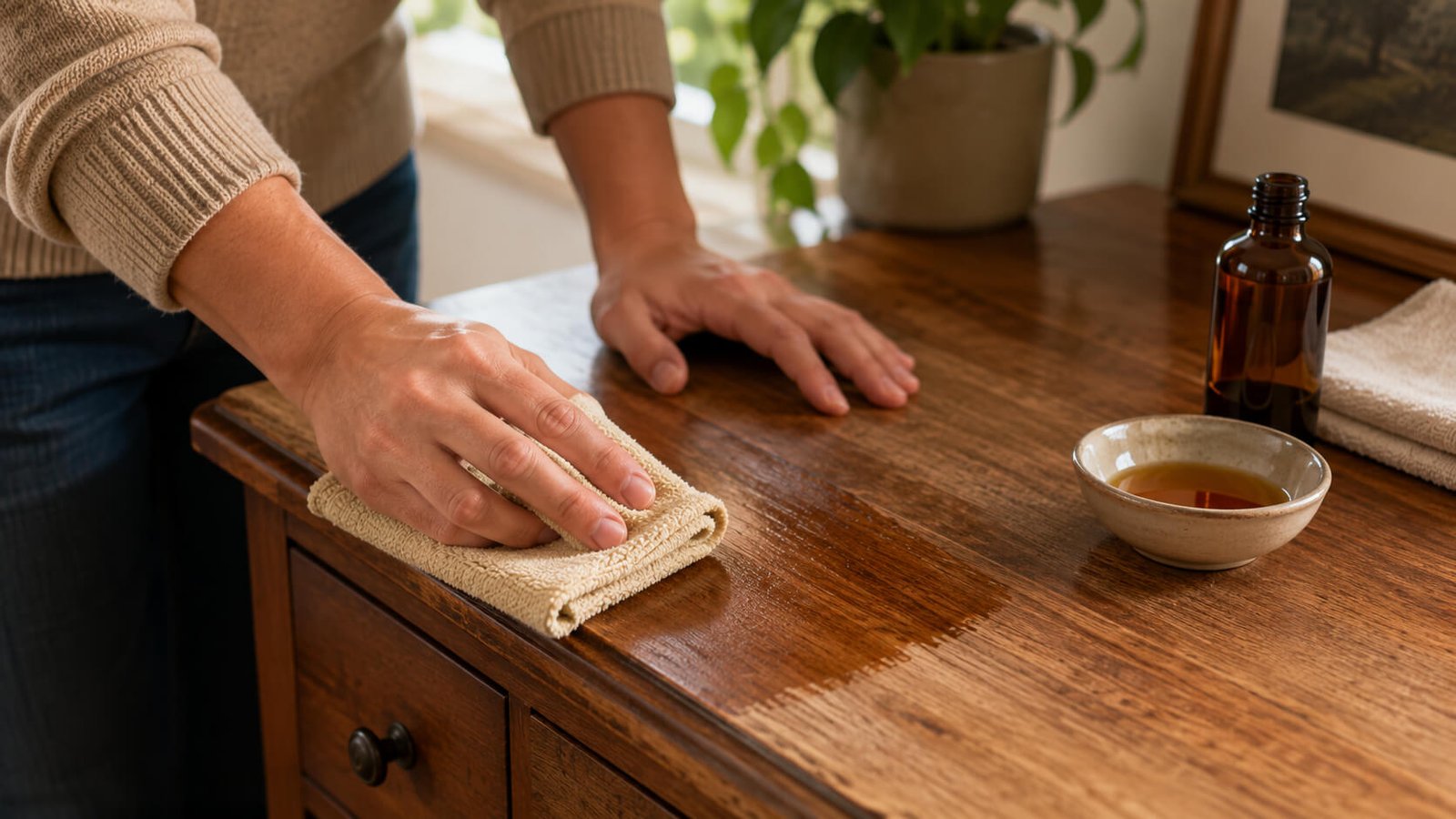
The right cleaning solution depends on the finish, not just the type of wood. Start with the mildest option, then move to stronger methods only when the surface still looks dirty.
A damp cloth with mild soap works well for many stable sealed finishes. Avoid soaking the surface because excess water can damage wood, veneer, glue, and older finishes.
Warning: Never apply vinegar, oil, wax, polish, or abrasive paste to an unknown finish without testing a hidden spot first. Stop if the cloth picks up color, the finish turns cloudy, or the surface feels soft.
Recommended Products

Specially treated, residue-free cloths trap and lock-in dust, unlike paper towels or other rags that just push around dust or even leave fibers behind.

Great Value 3-Pack

Specially treated, residue-free cloths trap and lock-in dust, unlike paper towels or other rags that just push around dust or even leave fibers behind.
Natural Cleaning Solutions
Natural cleaning methods can help with light grime, but they are not automatically safer. Acid, oil, and abrasive powders can damage some finishes when you use too much.
| Solution | Best For | How to Use It Safely |
|---|---|---|
| Dry microfiber cloth | Dust, fingerprints, and light dullness | Wipe with the grain, then buff with a clean cloth |
| Mild soap and warm water | Everyday dirt on stable sealed finishes | Use a barely damp cloth, then dry at once |
| Diluted white vinegar | Small sticky spots after a hidden test | Dilute well, apply to the cloth, and rinse with a barely damp cloth |
| Baking soda paste | Stubborn small marks on durable finishes | Use only as a last resort because it can abrade the finish |
| Matching furniture oil | Unfinished or oil-finished wood only | Apply a thin coat and wipe off all excess |
Choose the least harsh option that solves the problem. If the finish changes color, turns cloudy, or feels tacky, stop and use a safer method.
Commercial Products Overview
Commercial wood cleaners and polishes can work well when they match your furniture’s finish. Read the label before use, especially on antiques, lacquer, shellac, veneer, or painted details.
- Silicone-free formulas: Silicone can build up over time and may cause problems during future refinishing.
- Wax-based polish: Paste wax can protect stable sealed wood and improve luster when you apply it in a thin coat.
- Finish revivers: These can help worn finishes, but they may alter color. Test first and avoid high-value antiques unless a restorer approves the product.
Always test commercial products before full use. Product labels often state which finishes you can clean safely.
How to Polish or Wax Dull Wood Furniture Safely
Polish should be the final step, not the first step. A clean surface accepts wax or polish more evenly and is less likely to develop cloudy buildup.
- Clean and dry the surface: Remove dust, grime, and sticky residue before you add any shine product.
- Choose the right treatment: Use paste wax on a stable sealed finish, matching furniture oil on an oiled finish, and no wet cleaning on unfinished wood unless the product label allows it.
- Apply a thin coat: Put a small amount on a soft cloth. Never pour wax, oil, or polish directly onto the furniture.
- Work with the grain: Treat small sections and keep pressure light.
- Buff until dry to the touch: Use a clean cloth until the surface feels smooth, not slick or sticky.
Avoid using olive oil as routine furniture care. It can leave a soft, dust-catching residue when too much stays on the surface.
Pro tip: A very thin wax coat usually looks better than a thick coat because it buffs more evenly and leaves less residue in corners and carved details.
Recommended Products

WOOD PASTE – Minwax Paste Finishing Wax protects & adds hand rubbed luster to any finished wood surface. It’s recommended for furniture, antiques, woodwork, cabinets, doors, paneling and accessories that don’t need a hard protective coat of polyurethane.

Citrus shield paste wax cleans with the power of real Orange oil, and protects with a strong, hard protective coating of carnauba wax

ENHANCES NATURAL BEAUTY: This blend of beeswax, carnauba wax, and orange oil for wood brings out natural grain and beauty, making it an excellent choice as a wood conditioner and polish furniture product
Use Wood Conditioner on Bare or Porous Wood
Wood conditioner helps bare, porous woods absorb stain more evenly. It works best on woods that can stain unevenly, such as pine, birch, maple, cherry, poplar, and similar absorbent surfaces.
Do not use wood conditioner as a routine shine product on sealed furniture. It belongs in staining and refinishing projects where bare wood needs help absorbing color.
Recommended Products

Pre-stain wood conditioner preps wood for even color

Ideal for use on interior wood furniture, cabinets, doors, trim, floors and paneling

Benefits of Wood Conditioner
Wood conditioner partially seals thirsty areas so stain spreads with fewer dark patches. It helps the grain look more even, especially on soft or unevenly porous wood.
- More even stain absorption: Conditioner reduces blotchy color on porous wood.
- Better timing control: Many conditioners work best when you stain within the time listed on the label.
- Cleaner final color: A conditioned surface can make the stained finish look smoother and more balanced.
Application Techniques Explained
Start by sanding and cleaning bare wood according to your stain product’s directions. Use a vacuum, microfiber cloth, or tack cloth to remove dust before you apply conditioner.
Brush or wipe on the conditioner, then let it sit for the time on the label. Wipe off excess before you apply stain.
Apply stain while the conditioner still falls within the product’s working window. This helps the surface absorb color in a more even way.
How to Fix Cloudy, Dull, or Sticky Wood Finishes
A cloudy finish often comes from trapped moisture, wax buildup, heat marks, or the wrong cleaning product. A sticky finish usually means old polish, grease, or a failing coating sits on the surface.
Start by cleaning with mild soap and a barely damp cloth, then dry the surface right away. If the haze remains, buff gently with a clean cloth before you try wax or polish.
For white water rings, use a method made for that finish and test first. Do not use heat, abrasives, toothpaste, oil, or solvent on antiques or unknown finishes unless a restorer approves the method. Deep clouding, peeling finish, or softened coating may need professional repair.
Keep Your Furniture Shiny Long-Term
Long-term shine comes from steady care, not heavy polish. A simple routine helps protect the finish and keeps buildup under control.
- Dust with microfiber cloths: Dust often so grit does not scratch the surface.
- Wax sparingly: Apply a thin coat only when the finish needs more protection. For many pieces, once or twice a year is enough.
- Control humidity: Keep indoor humidity as steady as you can to reduce shrinking, swelling, and cracking.
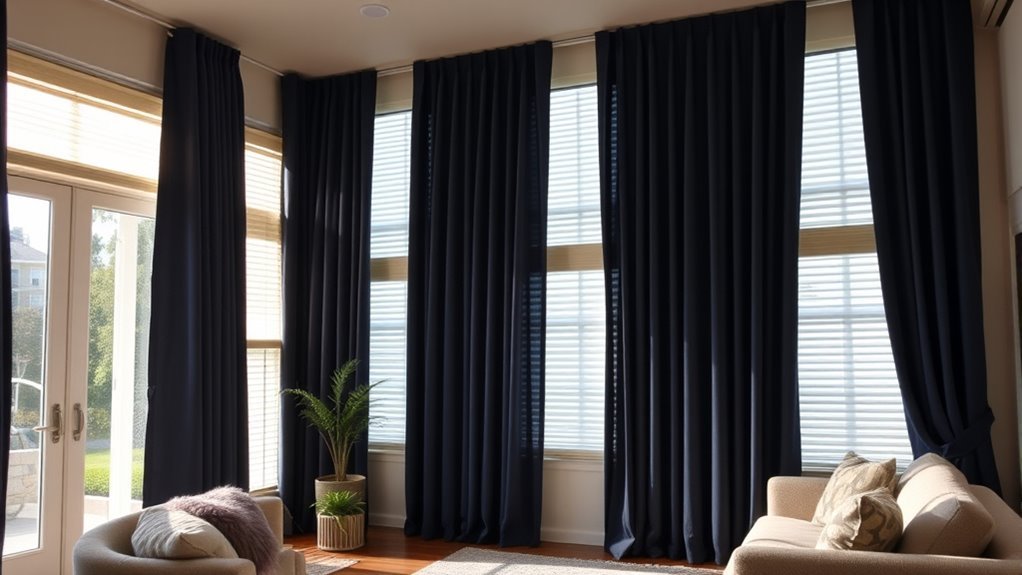
- Protect from sun and heat: Use curtains, coasters, pads, and placemats to reduce fading, white rings, and heat marks.
Skip aerosol sprays when you do not know the finish. Some products leave residue that attracts dust and dulls the surface over time.
When to Call a Professional Furniture Restorer
Some dull or damaged wood furniture needs more than cleaning and polish. Call a professional if the piece has high value, fragile veneer, missing parts, deep gouges, loose joints, insect damage, or structural damage.
Professional help also makes sense for antiques. A restorer can protect the original finish, patina, and value better than a quick do-it-yourself repair.
| Situation | Action Needed |
|---|---|
| Valuable antique | Seek an expert assessment |
| Intricate details or carved areas | Call a professional restorer |
| Lifting veneer or loose joints | Repair the structure before polishing |
| Soft, peeling, or sticky finish | Stop cleaning and get finish advice |
| Large restoration project | Hire a professional for a cleaner result |
Frequently Asked Questions
How do you revive dull wood furniture?
Clean the surface first with dry dusting and a mild method, then buff it dry with a soft cloth. If it still looks dull and the finish is stable, apply a thin coat of paste wax or a finish-safe polish and remove all excess product.
How do you restore sun-faded wood furniture without sanding?
Clean the surface, then try a finish-safe polish or wax if only the gloss has faded. Sun fading that reaches the stain or wood fibers may need color correction, toning, refinishing, or help from a restorer.
How do you fix a cloudy finish on wood?
Start by cleaning and drying the surface to remove residue. If moisture caused the cloudiness, use a finish-safe water ring method and test first. Call a professional if the finish feels soft, sticky, or peeling.
Can you use olive oil on wood furniture?
You can use a tiny amount in some homemade polish recipes, but olive oil should not sit thick on furniture. Too much oil can feel sticky, attract dust, and create buildup, especially on sealed finishes.
How often should you wax wood furniture?
Wax wood furniture only when the finish looks dry or needs more protection. For many handled surfaces, once or twice a year is enough. Apply a thin coat and buff off every trace of excess.
What should you not use on wood furniture?
Avoid soaking water, harsh all-purpose cleaners, abrasive pads, steel wool on delicate finishes, direct heat, and repeated heavy polish. Also avoid unknown oils or solvents unless the product label matches your finish.
Sources
- Canadian Conservation Institute: Basic care for furniture and objects made of wood
- Ronseal: How to wax furniture
- General Finishes: Water-Based Pre-Stain Conditioner
Conclusion
The best way to restore shine to dull wood furniture is to clean gently, polish lightly, and protect the finish before damage grows. Start with a hidden spot test, then use the mildest method that brings back an even glow.
Keep the surface dust-free and protect it from water, heat, direct sun, and heavy product buildup. With steady care, your furniture can look warm, polished, and ready for daily use again.





[…] Dull Wood Furniture: 7 Ways to Restore Shine Safely […]