The best ways to get rid of gnats in houseplants in 2026 include sticky traps, plug-in insect traps, neem oil, insect control spikes, and fresh indoor potting mix. Garsum and Gideal sticky traps catch flying adults fast, while Safer Home offers continuous indoor protection. Miracle-Gro soil, careful watering, and better airflow help prevent breeding. Watering globes and plant misters support routine care. Wondercide and other plant-safe sprays can add backup protection, and more useful options follow.
Garsum Fruit Fly Sticky Traps for Indoor Outdoor
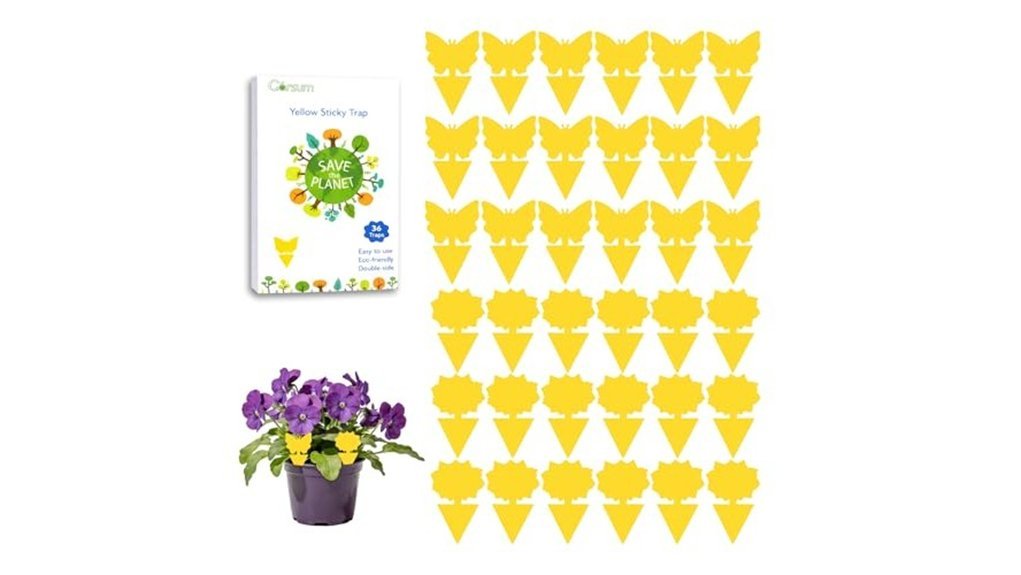
For plant owners looking for a simple, low-maintenance way to control flying pests, Garsum Fruit Fly Sticky Traps offer a practical option, especially for potted indoor and outdoor houseplants affected by gnats, whiteflies, or mosquitoes. The yellow, super-sticky surfaces attract insects and hold them effectively. Each pack includes 36 disposable traps designed for durability, with UV-resistant, waterproof construction that withstands rain, heat, and other conditions. A glue-free section improves handling, while the sharpened bottom and mini digging tool simplify placement. Harmless, odorless, and suitable for organic settings, they provide targeted pest control.
Best For: Indoor and outdoor plant owners who want a simple, low-maintenance way to trap flying pests like gnats, whiteflies, and mosquitoes around potted plants.
Pros:
- Yellow, super-sticky design effectively attracts and captures flying insects
- UV-resistant and waterproof for durable indoor/outdoor use
- Harmless, odorless, and suitable for organic or eco-friendly pest control
Cons:
- Best suited for flying pests, so it won’t help with crawling insects
- Disposable traps need regular replacement once covered with insects
- Sticky surface may be less convenient to handle than non-adhesive pest control options
Safer Home Flying Insect Trap, Plug-In Fruit Fly Trap for Indoors, 1-Pack
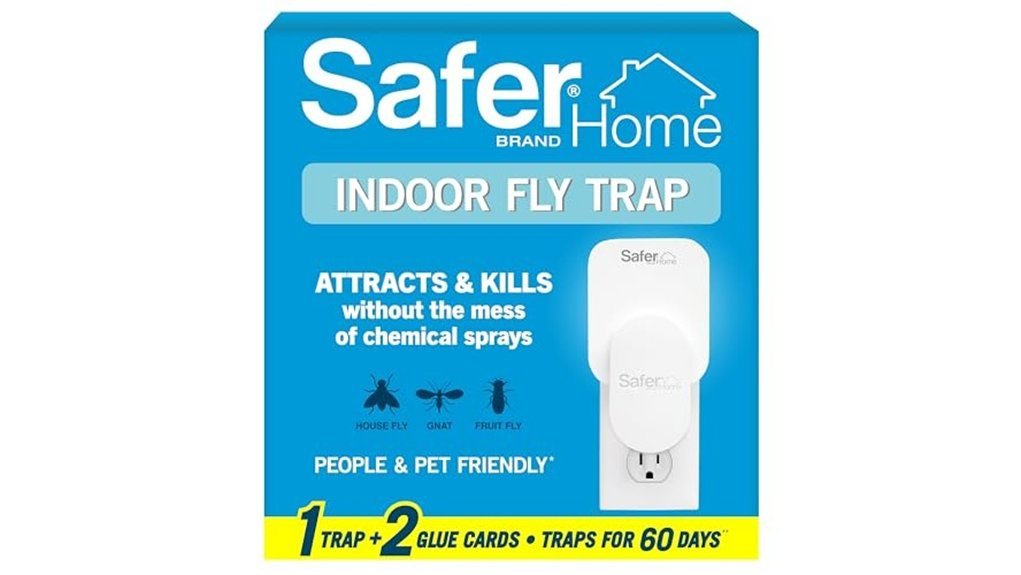
The Safer Home Flying Insect Trap suits households needing a chemical-free gnat solution near houseplants. This plug-in model from Safer uses advanced UV LED light technology to attract fruit flies, gnats, moths, and similar flying insects around the clock. Its StickyTech glue cards capture pests while keeping them out of sight. The white, discreet unit fits standard outlets and blends into home decor. It is safe for children and pets, earned the Parent Tested Parent Approved Seal, and works well in kitchens, bedrooms, and other bug-prone areas for immediate use.
Best For: Households looking for a chemical-free, plug-in indoor trap for fruit flies, gnats, moths, and other small flying insects, especially near kitchens, bedrooms, or houseplants.
Pros:
- Chemical-free design that is safe for children and pets
- Advanced UV LED light attracts flying insects around the clock
- Discreet plug-in unit blends into home decor and keeps trapped insects hidden
Cons:
- Only includes 1 trap and 2 glue cards, so replacements may be needed
- Best suited for indoor use and may be less effective in larger open spaces
- Requires placement near insect activity for the best results
Plant Food Plus Insect Control Spikes, 10-Count
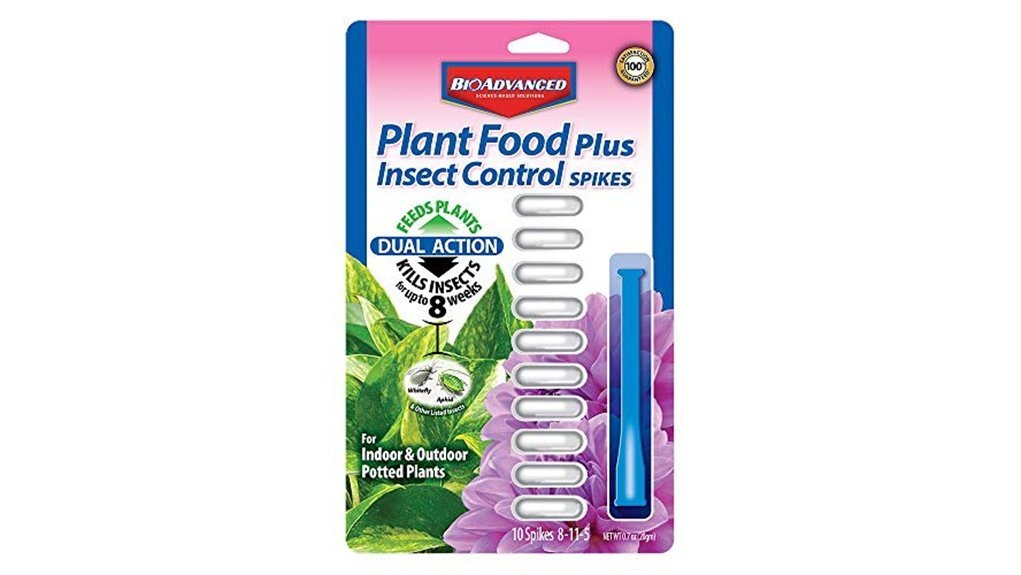
BioAdvanced Plant Food Plus Insect Control Spikes suit growers who want one easy treatment for potted plants. The 10-count pack from SBM Life Science combines plant food and insect control in a single spike format. It targets listed insects while delivering an 8-11-5 fertilizer blend, helping feed plants for up to eight weeks without spraying. The included applicator simplifies placement in indoor and outdoor containers. One package treats ten 5-inch pots, making it practical for managing gnats in small houseplant collections while supporting steady growth and routine care.
Best For: Indoor and outdoor potted plant owners who want a simple, two-in-one spike that feeds plants and helps control listed insects for up to 8 weeks.
Pros:
- Combines plant food and insect control in one easy-to-use spike
- Includes an applicator for simple placement in pots
- Treats 10 small 5-inch pots per package
Cons:
- Best suited for smaller potted plants rather than large garden areas
- Only provides protection for up to 8 weeks before reapplication
- Limited to listed insects and may not address all pest problems
Miracle-Gro Indoor Potting Mix for All Plants, 6 qt., 2-Pack
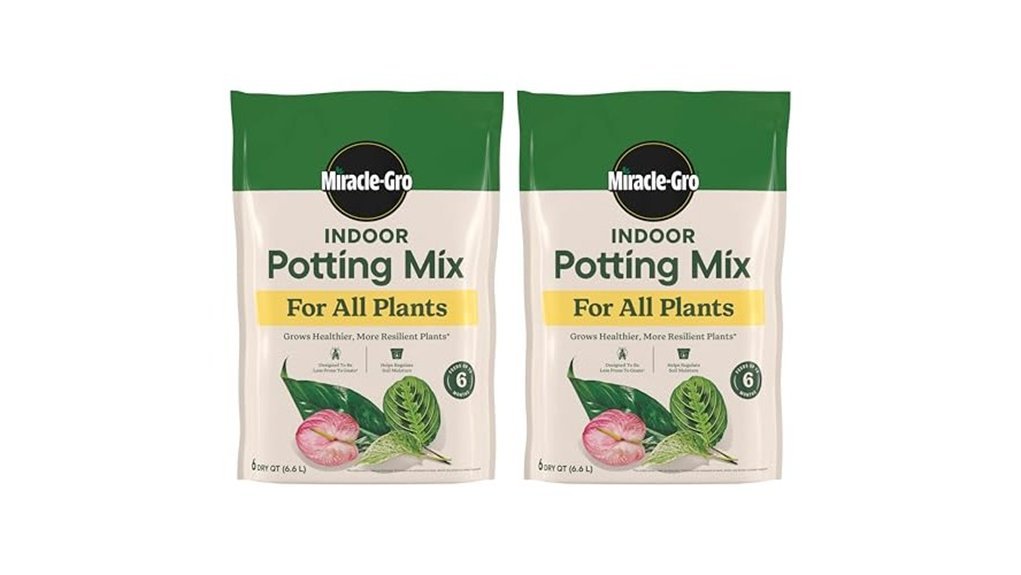
Miracle-Gro Indoor Potting Mix suits houseplant owners seeking a gnat-resistant, ready-to-use soil. The blend uses sphagnum peat moss, coconut coir, and perlite to balance moisture retention with release, while avoiding compost and bark that can invite fungus gnats. It feeds plants for up to six months and supports healthier growth when used as directed. Suitable for herbs, climbers, foliage, and flowering containers, it goes straight into pots without mixing. The 2-pack includes two 6-quart bags, with each bag filling about four 6-inch containers, depending on root size.
Best For: Houseplant owners who want a ready-to-use, gnat-resistant indoor potting mix for herbs, foliage, climbers, and flowering container plants.
Pros:
- Feeds indoor plants for up to 6 months for long-lasting support.
- Ready to use straight from the bag with no mixing or blending needed.
- Uses sphagnum peat moss, coconut coir, and perlite to help balance moisture retention and drainage.
Cons:
- Not ideal for gardeners looking for a compost- or bark-based mix.
- Each 6 qt bag may fill fewer or more containers depending on root ball size and pot dimensions.
- Some users may prefer a custom soil blend instead of an all-purpose packaged mix.
Wyndham House Plant Watering Globe Set (3-Pack)
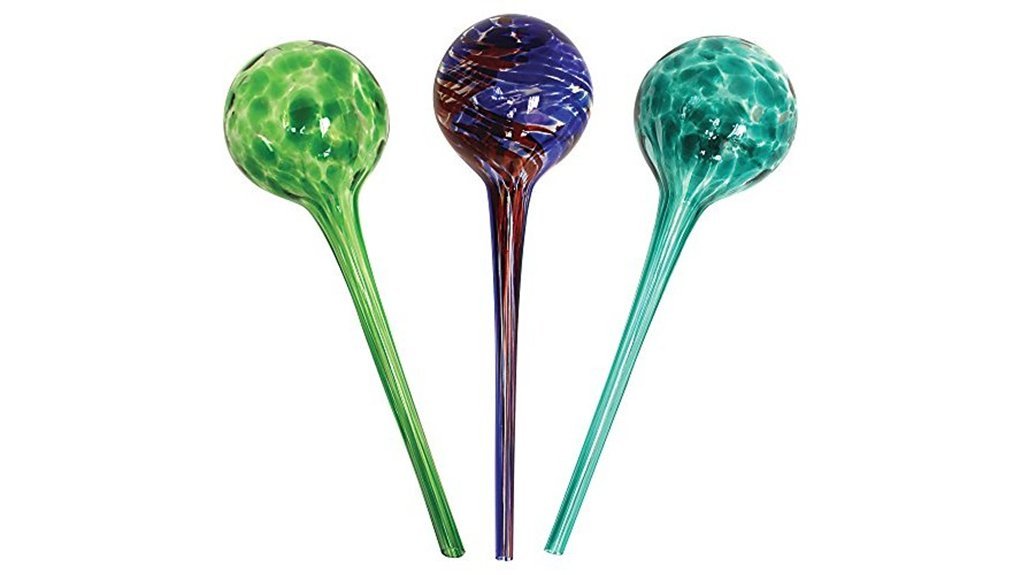
Wyndham House’s hand-blown glass watering globes suit gardeners who want easier, more consistent plant care. The 3-piece, multicolor set offers a practical watering method for indoor and outdoor plants, releasing moisture gradually to help reduce missed waterings. Its colorful glass design adds visual appeal while serving a functional purpose. The set suits beginners and experienced horticulturists alike, and it can make a thoughtful gift for gardening enthusiasts. International versions may vary in labeling, instructions, or fit, so buyers should verify details before purchase.
Best For: Gardeners of all skill levels who want a decorative, easy-to-use watering solution for indoor or outdoor plants.
Pros:
- Hand-blown glass construction gives the globes a colorful, attractive look.
- Helps provide gradual, consistent watering and can reduce missed waterings.
- Suitable for both beginners and experienced horticulturists, and works well as a gift.
Cons:
- Glass material may be more fragile than plastic alternatives.
- Watering performance can vary depending on plant size, soil, and indoor/outdoor conditions.
- International versions may differ in labeling, instructions, or fit.
Neem Bliss Pure Cold-Pressed Neem Oil Concentrate
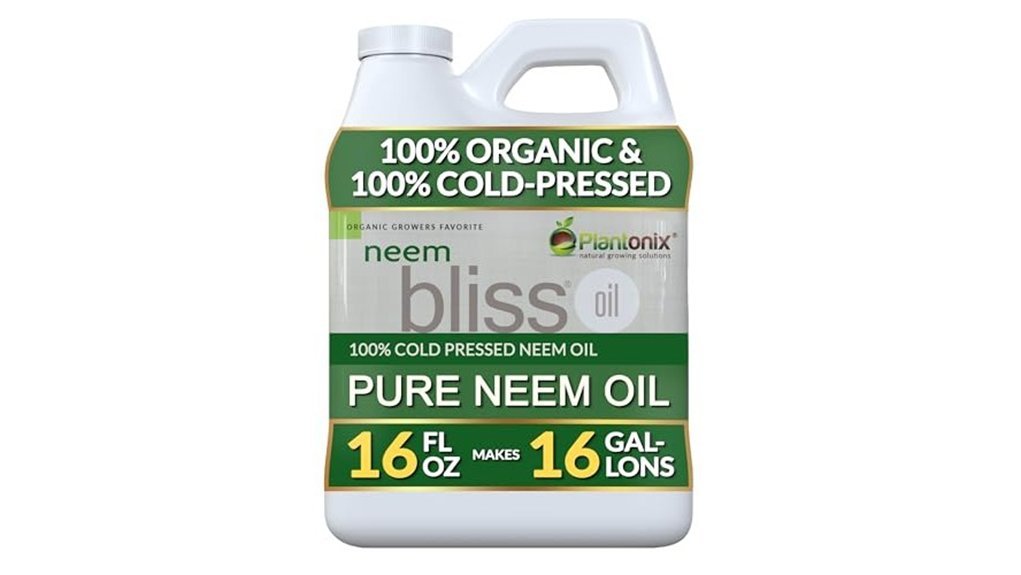
Neem Bliss Pure Cold-Pressed Neem Oil Concentrate suits gardeners wanting a pure, additive-free option for houseplant gnat control. This 16 fl oz bottle contains 100% cold-pressed, unrefined neem oil sourced from quality neem seed regions in India. The extraction method helps preserve natural nutrients, including vitamins, fatty acids, and antioxidants. When diluted, it can be used around homes and pets. Its concentrated form makes it practical for broader pest-management routines, while its natural composition appeals to those avoiding synthetic ingredients. In cool storage, it may solidify, so warm water can restore flow.
Best For: Gardeners and plant owners looking for a pure, additive-free neem oil concentrate for diluted houseplant gnat control and broader natural pest management.
Pros:
- 100% cold-pressed and unrefined with no additives or synthetic ingredients
- Sourced from quality neem seed regions in India and rich in natural nutrients
- Can be used around homes and pets when properly diluted
Cons:
- Must be diluted before use, so it is not a ready-to-apply solution
- May solidify in cool temperatures and require warming before pouring
- Primarily suited for natural pest control, not for users wanting a synthetic fast-acting option
Amazon Basics Hydrogen Peroxide Topical Solution, 32 oz
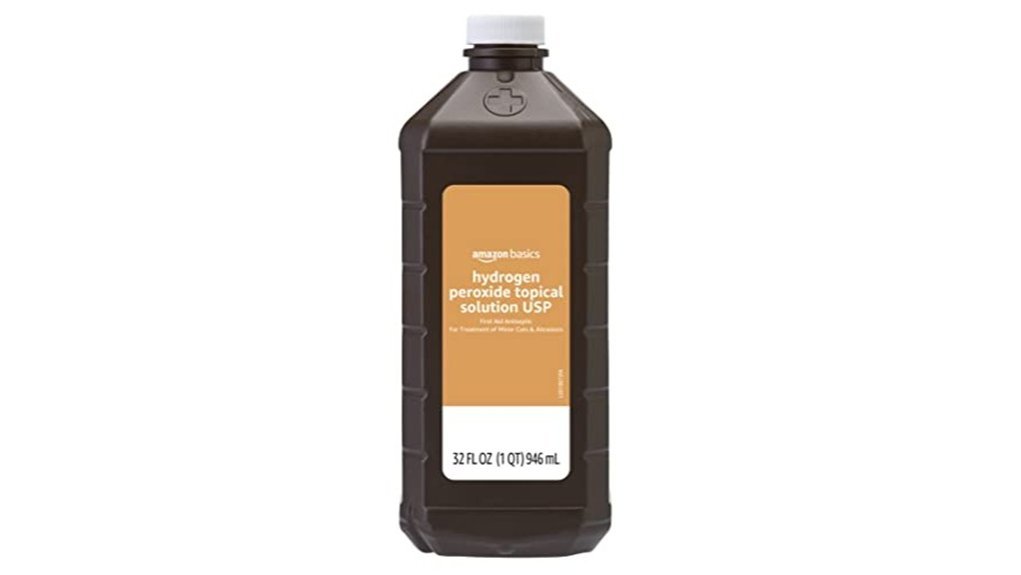
Amazon Basics Hydrogen Peroxide Topical Solution, 32 oz, suits gardeners who want a simple, 3% antiseptic for minor plant-care accidents. The 32 fl oz bottle provides a practical supply for treating cuts, scrapes, and small burns that may occur while tending houseplants or mixing soil. Because it is free from parabens, phthalates, and rubber latex, it may appeal to users seeking a straightforward formulation. It is not a gnat treatment itself, but it supports safe cleanup around plant-care tasks. Alexa-compatible reordering and the Amazon Basics label add convenience.
Best For: Gardeners and households looking for a simple 3% hydrogen peroxide first aid antiseptic for minor cuts, scrapes, and burns during plant-care or everyday tasks.
Pros:
- 3% hydrogen peroxide formula for minor wound care
- Free from parabens, phthalates, and rubber latex
- Large 32 fl oz bottle with Alexa-compatible reordering
Cons:
- Not a gnat treatment or plant pest solution
- May be more than needed for users wanting a smaller travel-size bottle
- Primarily a first aid antiseptic, so it has limited use outside basic wound care
driew Plant Mister Spray Bottle (Green, 10oz)
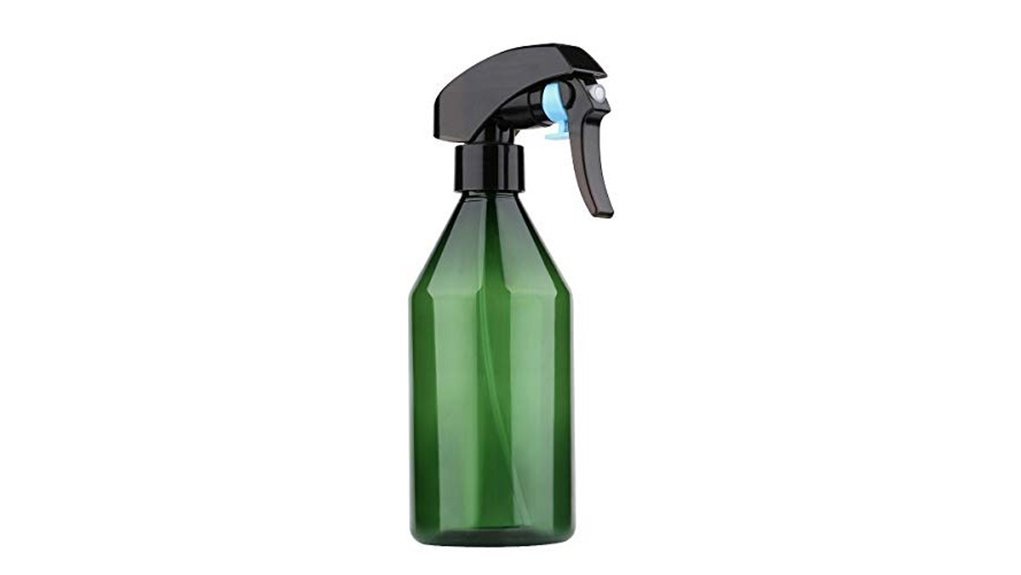
The driew Plant Mister Spray Bottle suits gardeners who need a fine, controlled mist for houseplants. The green 10 oz model, PD-10065, measures 2.4 by 7.2 inches and fits easily into routine indoor care. Made from BPA-free PET and PP, it is described as eco-friendly and designed with a safety buck and threaded neck to help prevent leaks. Its transparent body shows remaining liquid clearly, while the fine, homogeneous spray supports watering, cleaning solutions, or hair products. It also comes with direct after-sale support for prompt assistance.
Best For: Gardeners, plant parents, and home users who want a compact, eco-friendly mister for houseplants, cleaning, or salon use.
Pros:
- Produces a fine, homogeneous mist for controlled spraying
- BPA-free PET and PP construction with transparent body to monitor liquid levels
- Safety buck and threaded neck help reduce leaks, with prompt after-sale support
Cons:
- 10 oz capacity may be small for larger watering or cleaning tasks
- Best suited for light misting rather than heavy-duty spraying
- Green color and compact size may not appeal to users wanting a larger or more decorative bottle
Gideal Yellow Sticky Traps for Flying Plant Insects
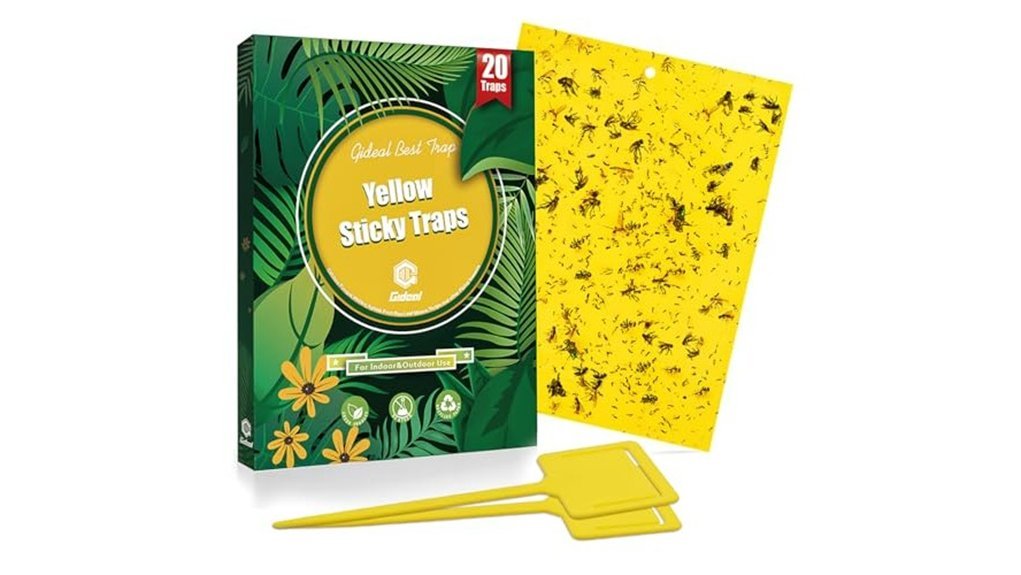
Gideal’s dual-sided yellow sticky traps suit plant owners battling flying pests indoors or out. The 20-pack includes 6-by-8-inch cards, twist ties, and two stands for easy placement near houseplants, balconies, windowsills, or garden edges. Bright yellow surfaces attract whiteflies, fungus gnats, blackflies, thrips, and fruit flies, then hold them without toxic chemicals. The traps are waterproof and tolerate wide temperature swings, making them practical in changing conditions. Use is simple: position them where insects gather and let them work continuously.
Best For: Plant owners and gardeners who want a non-toxic, easy-to-use way to catch flying pests like fungus gnats, whiteflies, thrips, and fruit flies indoors or outdoors.
Pros:
- Dual-sided yellow surface helps attract and trap a wide range of flying plant insects.
- Includes 20 traps plus twist ties and stands for flexible placement.
- Waterproof and durable in changing indoor and outdoor conditions.
Cons:
- Only works for flying insects that are attracted to the yellow surface.
- Sticky cards can be messy to handle and replace.
- Best results depend on placing them close to pest activity.
Wondercide – Indoor Pest Control Spray for Home & Kitchen Peppermint 32 oz
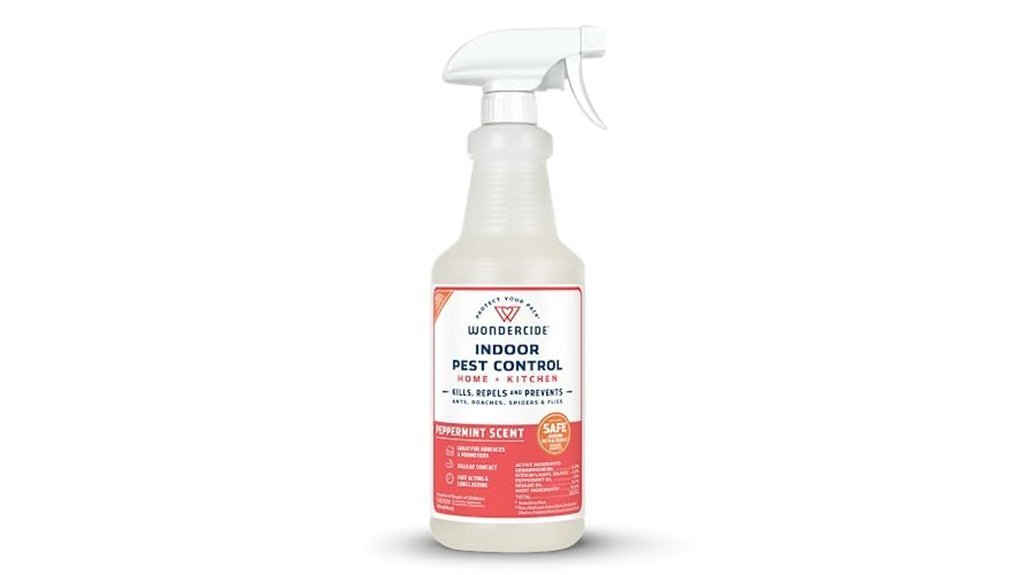
Wondercide’s peppermint indoor spray suits households needing a plant-powered gnat treatment. The 32-ounce formula uses natural essential oils to kill and repel gnats, fruit flies, ants, roaches, spiders, mosquitoes, and other common indoor pests. It serves as both a treatment and a preventative measure, making it useful for ongoing houseplant protection. Safe for dogs and cats when used as directed, it contains no harsh chemicals, artificial colors, or fragrances. The spray can be applied around windows, baseboards, cabinets, sinks, appliances, and pet areas for flexible home coverage.
Best For: Households looking for a plant-powered indoor pest control spray that helps repel and kill gnats, fruit flies, ants, roaches, and other common pests while being safe to use around pets when directed.
Pros:
- Made with natural essential oils and free from harsh chemicals, artificial colors, and fragrances.
- Kills and repels a wide range of indoor pests, including gnats, fruit flies, ants, roaches, and spiders.
- Can be used in many areas of the home, including kitchens, bathrooms, baseboards, and pet spaces.
Cons:
- May need frequent reapplication for ongoing pest control.
- Primarily a spray treatment, so it may not fully solve severe infestations on its own.
- Peppermint scent may not be preferred by everyone.
Factors to Consider When Choosing 10 Brilliant Ways to Get Rid of Gnats in Houseplants: Useful Products and Buying Tips
When choosing among the best ways to get rid of gnats in houseplants, attention should first go to trap type and whether the product targets fungus gnats specifically. Indoor safety, coverage area, and ease of use also matter, especially in homes with children or pets. A practical choice balances effective pest targeting with simple setup and maintenance.
Trap Type
Trap type is one of the most important factors when choosing gnat control for houseplants. Sticky traps, especially bright yellow cards, work well because gnats are drawn to the color and become stuck on contact. Dual-sided versions can improve capture rates by exposing more adhesive surface from different angles. Plug-in traps offer another option, using UV light to attract flying insects continuously and provide round-the-clock control. Many buyers prefer non-toxic designs, since chemical-free traps can still reduce gnat numbers without added pesticides. Ease of use also matters, and most traps need little setup or upkeep, which suits indoor plant care. The best choice depends on infestation level, placement, and how much ongoing control is desired.
Indoor Safety
Indoor safety should come first when choosing gnat control for houseplants, especially in homes with children or pets. Chemical-free options are usually the safest starting point, since they reduce exposure risks in living spaces. Non-toxic traps or sprays made with natural ingredients can help limit unwanted contact with harsh substances while still fitting indoor use. Product labels should be checked carefully for indoor approval, gentle formulations, and low impact on the environment. Good ventilation around plants also matters, because stagnant air can support gnat breeding and make control harder. Regular inspection of leaves, soil, and foliage helps identify infestations early, before they spread or create additional household concerns. Safe choices protect people, pets, and the indoor growing environment at the same time.
Pest Targeting
Targeted gnat control works best when products are chosen for the insects they are meant to catch, especially adult gnats that are drawn to bright colors, sticky surfaces, or specific scents. Adhesive traps and scent-based lures can reduce flying adults quickly, while natural ingredients help limit stress on houseplants. A strong choice also considers the gnat life cycle, since larvae in damp soil may need a different approach than the insects seen near leaves. Products that combine trapping with gentle repellents often provide broader control without adding unnecessary chemical load. Indoor use should remain a priority, particularly where pets or children are present. The best options are those that match the pest stage, support plant health, and fit safely into routine houseplant care.
Coverage Area
Coverage matters because gnat control works best when the product matches the size and layout of the problem area. A small cluster of houseplants may be managed with sticky traps, while a greenhouse, room, or patio may require wider-reaching options such as plug-in traps or multiple units. The number of plants and the square footage affected should guide purchasing decisions, since incomplete coverage can leave breeding sites untreated. Products that work in both indoor and outdoor settings are useful when plants move between locations or sit in mixed environments. The application method also matters: sprays, traps, and spikes should fit the arrangement of the plants so coverage is not blocked by shelves, corners, or dense foliage. Proper matching improves consistency and reduces gaps.
Ease Of Use
Ease of use should be a top priority when selecting gnat control products for houseplants, since the best options require little setup and fit smoothly into a normal care routine. Products that are ready to use straight from the package reduce hassle and help encourage consistent treatment. Sticky traps with simple placement near affected pots are often practical because they need no mixing or complicated assembly. Plug-in traps can also be convenient, as they only require insertion into an outlet for continuous operation. User-friendly designs matter too, especially glue-free sections and applicators that make handling cleaner and safer. Clear instructions and built-in safety features are important, particularly in homes with pets or children. Simple tools are usually used more reliably and with better results.
Weather Resistance
Weather resistance matters because gnat control products may need to hold up in bright windows, humid rooms, or outdoor plant areas. Weather-resistant options are built to endure changing conditions without losing effectiveness, which supports reliable pest control for both indoor houseplants and exterior containers. UV resistance is important in sunny spots because it helps prevent sunlight damage and extends product life. Waterproof construction is equally useful, allowing traps and treatments to keep working in damp rooms, rain-exposed patios, and greenhouse-like environments. Products that tolerate temperature swings also tend to preserve adhesive strength and overall function across seasons. Choosing durable, weather-ready solutions can reduce replacement frequency, limit maintenance, and improve long-term value for ongoing gnat management.
Treatment Duration
Treatment duration is a key factor because gnat control methods vary widely in how long they stay effective. Some products provide protection for up to 8 weeks without reapplication, making them useful for longer management periods. Continuous options, such as plug-in traps, deliver 24/7 defense against gnats and other flying insects, which can reduce gaps in coverage. Sticky traps act quickly, but they often need replacement every few weeks as pest pressure changes. Insect control spikes can also offer extended performance, feeding and protecting plants for up to 6 weeks. Even with long-lasting products, regular monitoring remains necessary to confirm effectiveness and determine when reapplication or replacement is due. Choosing based on duration helps match treatment schedules to infestation severity and maintenance preferences.
Plant Compatibility
Plant safety should guide every gnat-control choice, because not all houseplants respond well to the same treatment. Product labels should be checked for compatibility with the exact species on hand, especially when delicate plants may react badly to chemical sprays or drenches. Indoor sticky traps offer a low-risk option, since they catch adults without touching foliage or roots. Neem oil is often suitable for many houseplants and can support healthier growth while limiting pests. Some buyers prefer dual-purpose formulations that combine fertilization with gnat control, reducing the number of products applied. Environmental needs matter too: methods should match each plant’s light, moisture, and watering habits so stress does not increase.
Frequently Asked Questions
How Do Gnats Enter Houseplants in Winter?
Gnats enter houseplants in winter through infested potting soil, adult insects hiding indoors, open windows, and damp compost. Warm indoor conditions let eggs hatch, while overwatered soil provides ideal breeding sites for them.
Can Gnats Harm Pets or Children?
Gnats usually do not harm pets or children, though they may irritate eyes or skin if disturbed. Their presence can indicate damp soil, which may encourage mold or other indoor hygiene concerns.
How Long Does a Gnat Infestation Usually Last?
A gnat infestation usually lasts two to four weeks, sometimes longer if damp soil and larvae persist. With consistent drying, traps, and soil treatment, the population typically declines within one generation.
Do Gnats Lay Eggs in All Potting Mixes?
No, gnats do not lay eggs in all potting mixes; they prefer moist, organic-rich media. A dry, well-drained mix is less inviting, while contaminated soil or overwatered pots can support egg-laying and larvae.
When Should I Repot a Plant for Gnats?
Repotting is warranted when gnats persist despite drying the soil and treating larvae, or when the mix stays overly wet and decomposed. The plant should move to fresh, sterile medium, with roots inspected first.
Conclusion
By 2026, gnat control in houseplants will feel less like a battle and more like tuning a small ecosystem. One plant owner noticed that after swapping soggy soil for a better mix and adding sticky traps, the gnat swarm disappeared within a week—like turning off a flickering porch light that had been drawing insects all night. With the right tools, from traps to sprayers, healthy plants can stay vibrant and gnat-free.