Affiliate disclosure: As an Amazon Associate I earn from qualifying purchases. This article contains affiliate links to Amazon, so we may earn a commission if you buy through them, at no extra cost to you.
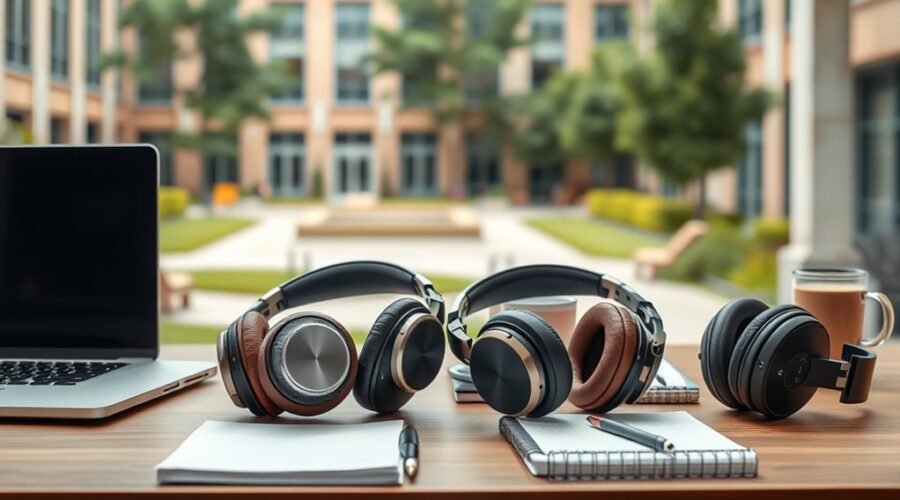
For campus use in 2026, four strong picks stand out. The Audio-Technica ATH-M50X offers detailed sound, strong noise isolation, and a detachable cable. The HyperX Cloud headset adds lightweight comfort and broad device support. House of Marley Smile Jamaica earphones bring eco-friendly materials and easy portability. JLab Epic Bluetooth earbuds deliver long battery life, ear hooks, and sweat resistance. Each option fits different student needs, and the full guide explains which one suits each routine best.
Audio-Technica ATH-M50X Professional Studio Monitor Headphones
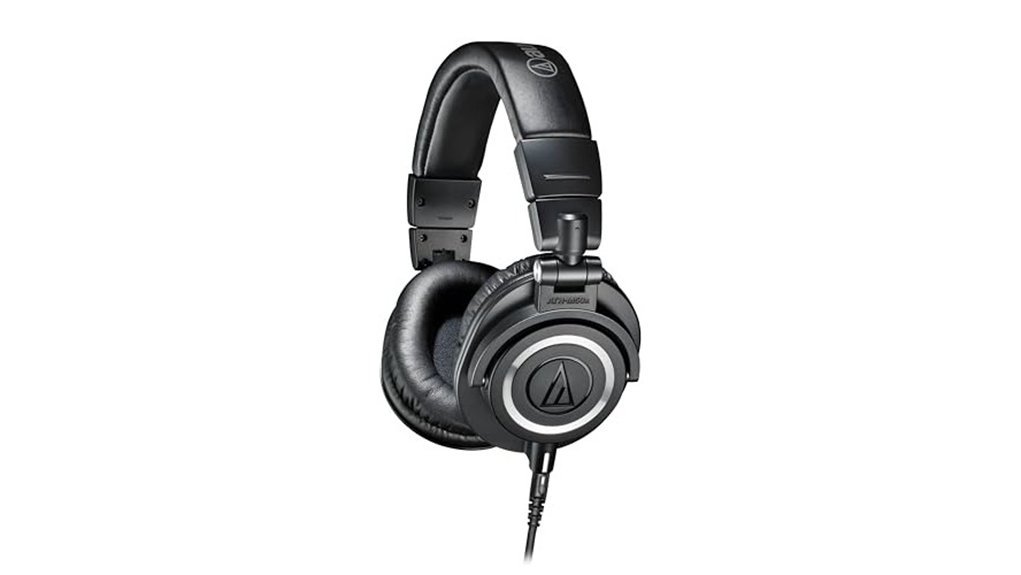
The Audio-Technica ATH-M50X is a strong choice for campus users who want reliable, high-quality sound in a busy environment. Its 45mm drivers deliver clear detail, extended range, and deep, accurate bass, qualities praised by audio professionals. The circumaural fit helps block outside noise in libraries, dorms, and common areas. Swiveling earcups support one-ear monitoring, while the detachable cable adds flexibility for daily use. Durable earpads and headband materials improve comfort during long sessions. As a black, one-size studio monitor headphone, it suits students seeking dependable performance and practical design.
Best For: Students, campus users, and audio enthusiasts who want reliable, high-quality sound, strong isolation, and durable comfort for everyday use.
Pros:
- Clear, detailed sound with deep, accurate bass from 45mm drivers
- Circumaural design and swiveling earcups help with isolation and one-ear monitoring
- Detachable cable and durable earpads/headband make it practical for daily use
Cons:
- Over-ear studio design may feel bulky for portable, casual listening
- Black, utilitarian style may not appeal to users wanting a more stylish look
- Best suited for focused listening, so it may be more headphone than some casual users need
HyperX Cloud Gaming Headset (KHX-H3CLW)
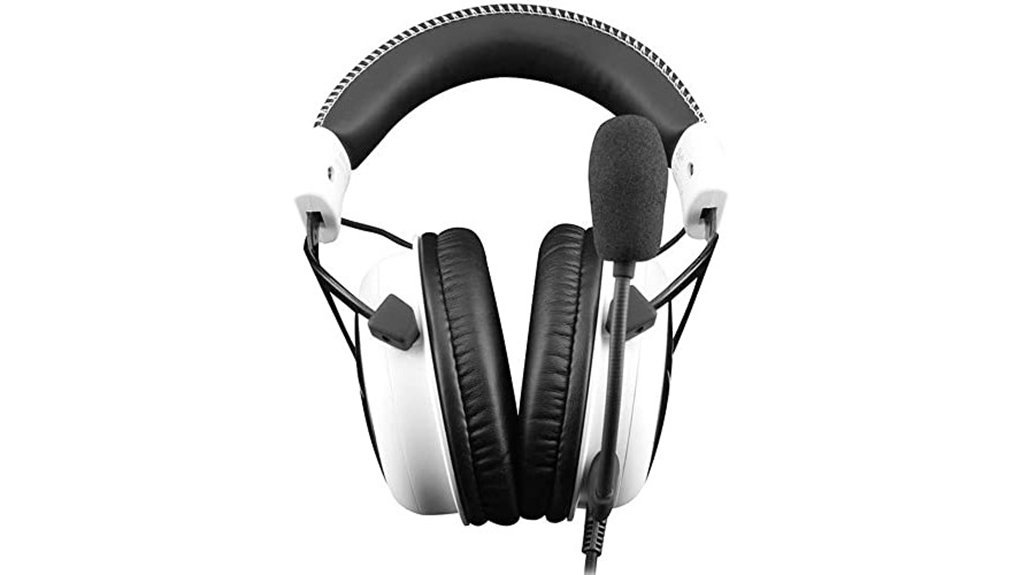
Built for comfort and versatility, the HyperX Cloud Gaming Headset suits students who need all-day audio. The white KHX-H3CLW model from HyperX, manufactured by Kingston Technology, combines a lightweight build with leatherette memory foam ear cups and included velour alternatives. Designed in Sweden and endorsed by elite gaming organizations, it delivers noise isolation through over-ear cups and 53mm HiFi-capable drivers with a 15–25kHz response. A detachable microphone, braided cable, inline volume, and mic mute controls add practicality. It connects via 3.5mm plug to PC, PS4, Mac, iPhone, and Xbox One with adapter.
Best For: Gamers, students, and everyday audio users who want a comfortable, versatile headset with broad device compatibility and a detachable mic.
Pros:
- Very comfortable lightweight design with leatherette memory foam ear cups and included velour alternatives
- Strong compatibility with PC, PS4, Mac, iPhone, and Xbox One with adapter support
- Clear gaming-focused audio with 53mm HiFi-capable drivers, noise isolation, and handy inline controls
Cons:
- Xbox One use requires a separate stereo adapter, which is not included
- Wired 3.5mm connection may be less convenient than wireless options
- Primarily stereo-focused, so it may not suit users seeking advanced surround sound features
House of Marley Smile Jamaica Wired Earphones
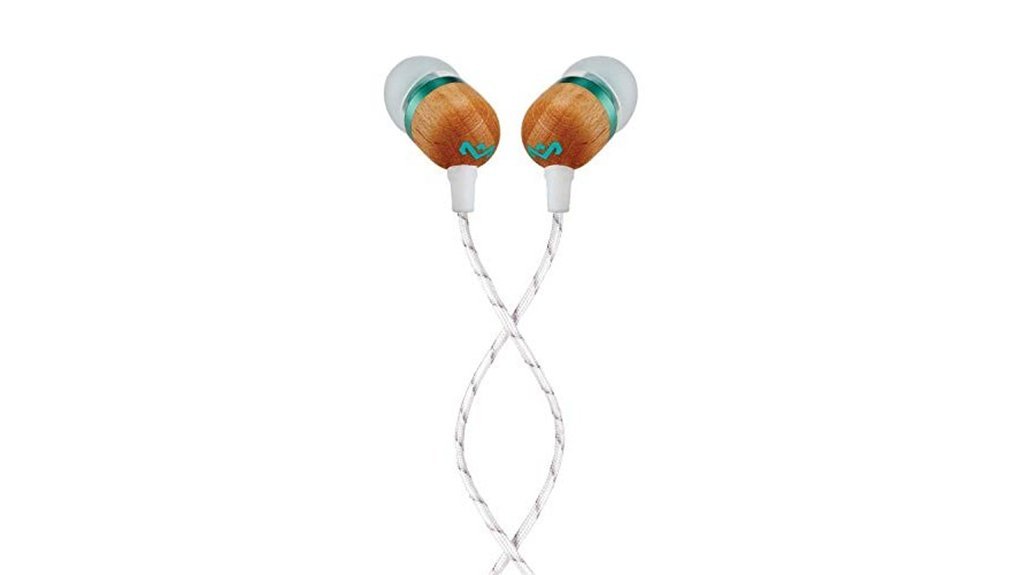
With noise isolation and durable construction, House of Marley Smile Jamaica Wired Earphones suit active campus students. Their 9mm dynamic drivers deliver clear, high-performance sound, while the isolating fit helps block gym or hallway distractions. A one-button remote handles play, pause, and skipping, and the in-line microphone supports quick calls without removing the earbuds. The woven, tangle-free cable, L-shaped gold-plated plug, and wear-resistant build improve daily reliability. FSC-certified wood and recyclable aluminum reinforce the eco-conscious design. Two earbud sizes help optimize fit, and standard-jack compatibility keeps them broadly usable across devices.
Best For: Active students, gym-goers, and everyday users who want durable, noise-isolating wired earphones with eco-conscious materials and broad device compatibility.
Pros:
- Clear sound from 9mm dynamic drivers with noise isolation for fewer distractions.
- Durable, tangle-free woven cable with one-button remote and in-line microphone for convenience.
- Eco-friendly build using FSC-certified wood and recyclable aluminum.
Cons:
- Wired design may be less convenient than wireless earbuds for some users.
- Standard headphone jack compatibility may not suit devices without an audio port.
- Noise isolation can reduce awareness of surrounding sounds in busy environments.
JLab Epic Bluetooth Wireless Sports Earbuds (Blue/Graphite)
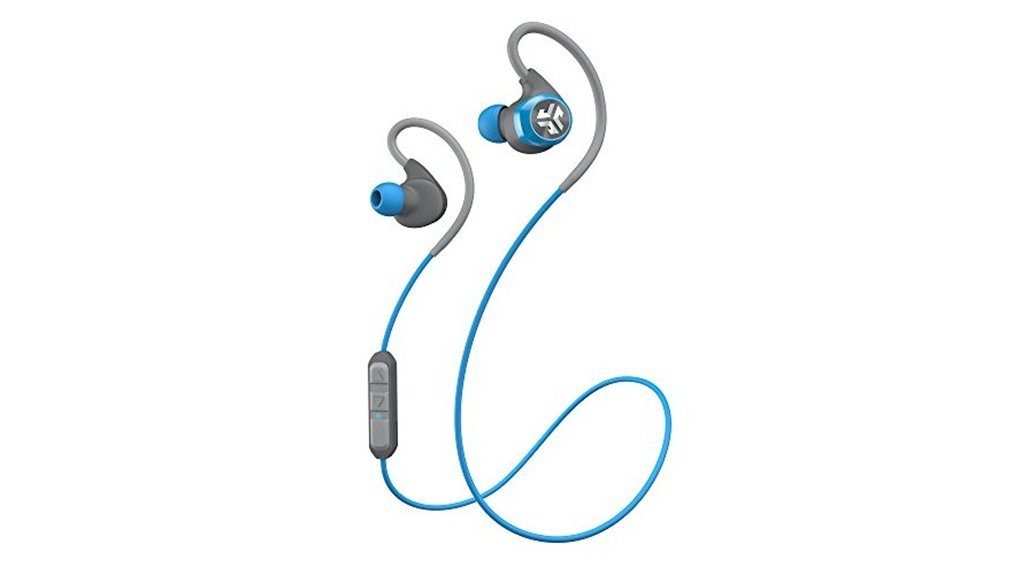
JLab’s Epic Bluetooth Wireless Sports Earbuds suit active students needing secure, long-lasting wireless audio. The Blue/Graphite EPICBT-BLUGRY-BOX model uses Bluetooth 4.0 for cable-free listening and delivers a best-in-class 10+ hour battery life. Its built-in ear hooks help keep the earbuds stable during runs, walks, or gym sessions. With an IPX4 waterproof rating, the design handles sweat and light moisture well. Six pairs of extra-soft silicone gel tips improve comfort and fit. A neoprene phone case is included, adding practical campus convenience for daily transport.
Best For: Active students and athletes who want secure, wireless earbuds with long battery life and sweat-resistant performance.
Pros:
- Best-in-class 10+ hour battery life for extended use
- Built-in ear hooks provide a secure fit during workouts and movement
- IPX4 water resistance and multiple silicone tip sizes improve comfort and durability
Cons:
- Bluetooth 4.0 is older than newer wireless standards
- IPX4 offers only light sweat and moisture resistance, not full waterproofing
- The included neoprene phone case may be less useful for users who already have a carrying case
Factors to Consider When Choosing Headphones You’ll See on Campus: Top Picks and Buying Guide**
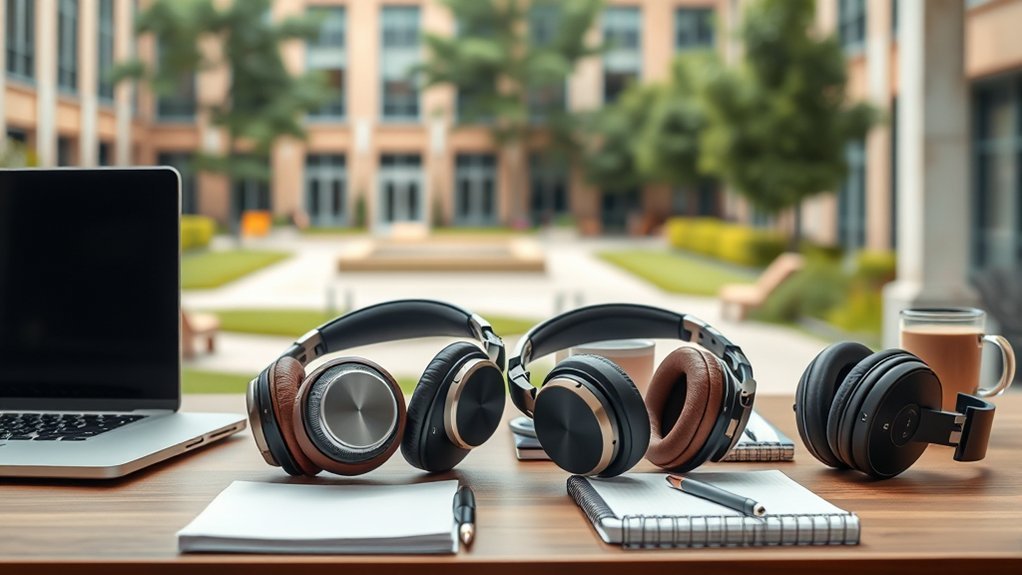
When choosing headphones for campus, sound quality, comfort, noise isolation, portability, and connectivity all shape the overall experience. A strong option balances clear audio with a secure fit that stays comfortable through long lectures and commutes. Reliable wireless or wired connections can then make daily use simpler and more practical.
Sound Quality
Sound quality remains a top priority, especially for campus use where headphones often need to handle music, podcasts, and study audio with equal precision. Large aperture drivers are often favored because they can produce clear mids, deep bass, and a broad frequency range that preserves detail. High-quality dynamic drivers also matter, since they support strong performance across different audio types without distortion. A frequency response of roughly 15 to 25 kHz suggests better reproduction of both low and high tones, helping sound stay balanced and accurate. Noise-isolating and circumaural designs further improve listening by reducing outside distractions in crowded campus settings. Together, these features create a more immersive experience, allowing audio content to remain intelligible and engaging even when surroundings are noisy, active, or unpredictable.
Comfort Fit
Comfort fit becomes especially important on campus, where headphones may be worn for hours during lectures, study sessions, or commutes. A well-designed pair reduces ear fatigue and discomfort during prolonged use. Circumaural models that contour around the ears often feel more natural for extended wear, while also supporting a secure, stable fit. Lightweight construction and memory foam ear cups help distribute pressure evenly, limiting hot spots and soreness. Adjustable headbands matter as well, since they let different head sizes achieve a personalized fit. Practical details also improve daily use. Detachable cables and tangle-free designs make headphones easier to handle in backpacks and dorm rooms, while reducing unnecessary wear. Comfort remains a key factor for students who need dependable performance throughout busy campus routines.
Noise Isolation
Noise isolation matters on campus because it helps block out distractions in crowded libraries, lecture halls, and commuter settings. A well-designed pair reduces ambient noise, so lectures, study sessions, and music remain clear without constant volume adjustments. Circumaural headphones are especially effective because they contour around the ears and create a stronger acoustic barrier than smaller styles. Ear pad materials also influence performance; professional-grade cushioning can improve both comfort and sound blocking. The most important factor is a secure seal, since gaps let outside noise leak in and weaken audio clarity. With better isolation, listening stays balanced and hearing is less likely to be strained during long use.
Portability
Beyond isolation from campus distractions, portability becomes a major part of the decision. Lightweight, compact headphones are easier to slip into a backpack or tote, so they fit naturally into a student’s daily routine. Foldable frames and detachable cables help reduce bulk and keep storage neat, while also limiting tangles after classes. For many campus users, wired models remain appealing because they avoid battery worries during long study sessions and offer straightforward reliability. Durability also matters; sweat and water resistance can be useful for walks between buildings, workouts, or rainy commutes. Comfort should not be overlooked, since portable headphones are only practical if they can be worn for hours without strain. The best choices balance size, convenience, and long-wear comfort.
Connectivity Options
Connectivity choices often shape how well headphones fit campus life. Wired models appeal to users who value a steady connection and simple plug-in use, while wireless options add mobility for walking between classes or studying in shared spaces. A 3.5mm jack remains useful because it supports laptops, phones, and tablets without extra adapters. Detachable cables add flexibility, making replacements easier if a cord is damaged and improving long-term practicality. Wireless models may also include multi-device pairing, letting a listener move from a phone to a laptop without repeated setup. Compatibility should stay central, since campus devices vary widely. For anyone choosing wireless headphones, checking battery specifications remains important so they can support demanding routines without interruptions.
Battery Life
Battery life becomes a major deciding factor once connectivity is settled, especially for students who move from lectures to study sessions without much time to recharge. For campus use, headphones should ideally deliver more than 10 hours per charge so they can cover a full day of classes, commuting, and evening study. Wireless models often provide longer runtimes thanks to improved power management, making them practical for students who stay mobile. Quick charging is also valuable, since a short plug-in during a break can restore enough power for several hours. Energy-efficient designs help preserve battery without sacrificing sound quality. Because advertised figures may differ from real-world performance, user reviews and manufacturer specifications should be checked before purchase.
Durability
Durability is a practical campus priority because headphones are handled constantly, tossed into bags, and worn through long days of classes and commuting. Strong models usually rely on robust plastics, reinforced cables, and earpads built to resist abrasion and repeated use. Professional-grade designs often improve on this with tougher hinges and housings that survive frequent handling without losing sound quality. For students who move between indoor and outdoor settings, water-resistant or sweat-proof ratings such as IPX4 can help protect against rain and workouts. Detachable cables are another useful feature, since a damaged cord can be replaced instead of the entire headset. Brands using sustainable manufacturing may also select longer-lasting materials, supporting both durability and eco-conscious buying.
Frequently Asked Questions
How Long Do Campus Headphones Usually Last?
Campus headphones usually last 2 to 5 years, depending on build quality, usage, and care. Cheaper models often fail sooner, while well-maintained premium pairs can remain reliable much longer with replacement parts.
Can Headphones Help Block Library Distractions?
Yes, headphones can help block library distractions by reducing ambient noise and signaling focus. Noise-canceling models work best, while over-ear designs also create a physical barrier. They cannot eliminate all interruptions, though.
Are Wireless Headphones Allowed in All Lecture Halls?
Not all lecture halls permit wireless headphones; policies vary like shifting weather. The student should check each instructor’s rules and university guidelines, because some halls allow them silently, while others ban distractions outright.
What’s the Best Way to Clean Headphones Safely?
The safest method is gently wiping the earcups and headband with a soft, slightly damp microfiber cloth, avoiding moisture in openings. Removable pads should dry fully after cleaning with mild soap, then reattach carefully.
Do Headphones Affect Hearing During Long Study Sessions?
Yes, if volume stays high; a lecturer once compared it to tapping a bell—briefly harmless, repeatedly damaging. Prolonged listening can fatigue ears, reduce focus, and increase risk of hearing loss. Safer volume and breaks help.
Conclusion
On campus, the right headphones are like a personal shield, tuning out the chaos of crowded halls and buzzing dorms. The Audio-Technica ATH-M50X, HyperX Cloud, House of Marley Smile Jamaica, and JLab Epic each bring a different rhythm to student life, whether for study, play, or the walk between classes. Choosing well means carrying your own soundtrack, a quiet compass guiding every step through the campus storm.