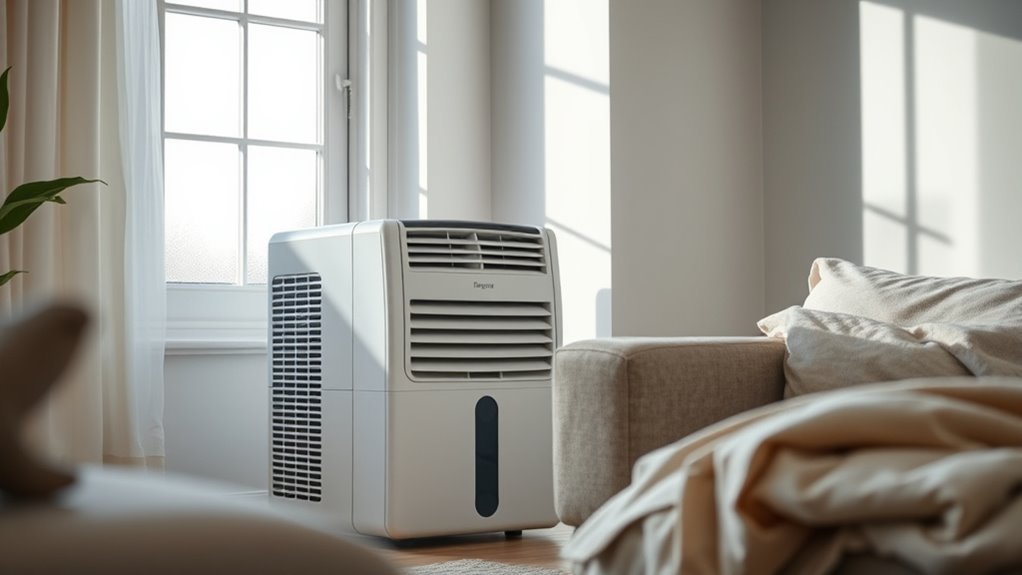
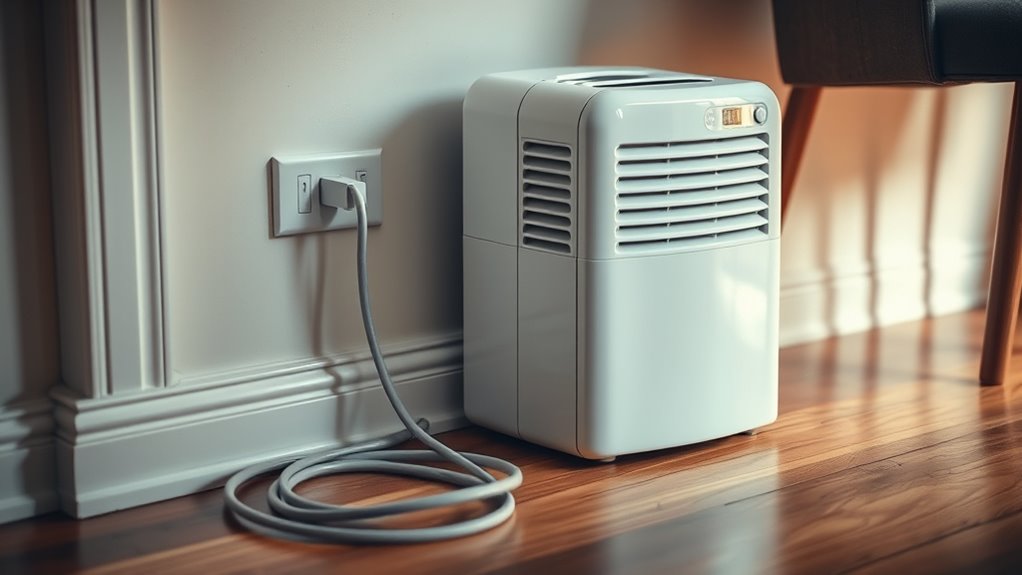
Best Tent Dehumidifiers and Camping Moisture Absorbers for 2026
As an Amazon Associate, this site may earn from qualifying purchases. Product details can change over time, so always check the Amazon listing before buying.
For 2026, the best tent dehumidifiers are not always large electric machines. For most campers, the smarter choice is a small camping moisture absorber, rechargeable silica gel pack, hanging moisture bag, or compact powered dehumidifier for a rooftop tent, RV, cabin, closet, or gear-drying area. These products help control dampness, reduce musty odors, and protect sleeping bags, electronics, clothing, and stored camping gear without taking up too much room.
You’ll want rechargeable silica gel packs like Wisedry for reusable moisture control, a rooftop tent dehumidifier bag for compact travel setups, USB-C rechargeable desiccant packets for small enclosed spaces, or hanging absorbers such as ZARPAX for closets, RV cabinets, and damp gear areas. Larger tents, powered shelters, storage rooms, and RV setups may benefit from DryTote, SANVINDER, or a compact mini unit with temperature control. Match capacity to your space, check the recharge method, and look for clear moisture indicators before you buy.
Quick Verdict
Best overall reusable pick: Wisedry Rechargeable Silica Gel Dehumidifier Packets are the easiest fit for most campers who want reusable moisture control without power while the packets are working.
Best for rooftop tents: The Rooftop Tent Dehumidifier Bag is compact, travel-friendly, and easy to place in a tent, car, closet, or storage area.
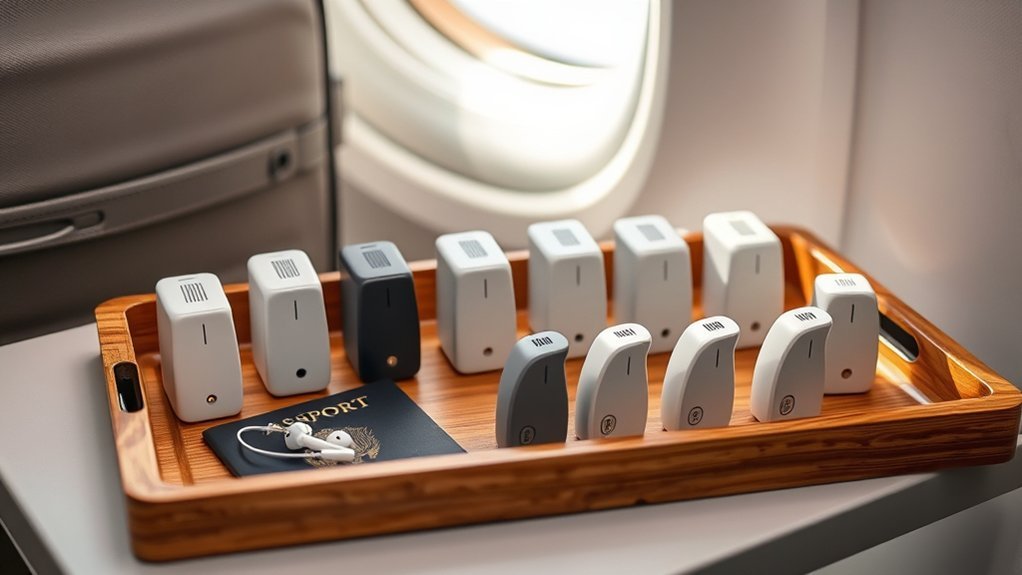
Best for no-microwave recharging: The USB-C Rechargeable Gun Safe Dehumidifier Desiccant Packets suit small enclosed spaces when USB-C recharging is easier than oven or microwave drying.
Best for powered spaces: SANVINDER and the automatic mini dehumidifier make more sense for RVs, cabins, gear rooms, cabinets, and powered enclosed areas than basic backpacking tents.
Quick Comparison of the Best Tent Dehumidifiers
Use this table if you want a faster way to compare the main options before reading the full product notes. For sleeping tents, focus on passive or rechargeable desiccants first. For RVs, cabins, closets, and gear storage, compact electric and hanging options may also make sense.
| Product | Best For | Type | Key Detail | CTA |
|---|---|---|---|---|
| Wisedry Rechargeable Silica Gel Dehumidifier Packets | Reusable moisture control for tents, cars, RVs, safes, and storage spaces | Rechargeable silica gel packets | Two 500g packets, each absorbing up to 150g, max 180g | Check Price on Amazon |
| Rooftop Tent Dehumidifier Bag | Rooftop tents, ground tents, cars, closets, and travel use | Reusable moisture absorber bag | 10 x 2 x 5 inches with color-change recharge indicator | Check Current Amazon Availability |
| Automatic Mini Dehumidifier with Temperature Control Switch | Small enclosed spaces that need automatic moisture control | Electric mini dehumidifier | 800 ml capacity, 45 watts, and automatic humidity sensing | Check Product Details on Amazon |
| USB-C Rechargeable Gun Safe Dehumidifier Desiccant Packets | Small enclosed spaces up to about 90 cubic feet | USB-C rechargeable desiccant unit | 70 grams of silicone beads with color-change status indicator | View Latest Deal on Amazon |
| ZARPAX Hanging Moisture Absorber Bags, Set of 10 | Closets, bathrooms, kitchens, boats, RVs, and tight spaces | Hanging disposable moisture absorber bags | Each absorber holds up to 20 fl oz and covers about 17 square feet | Check Price on Amazon |
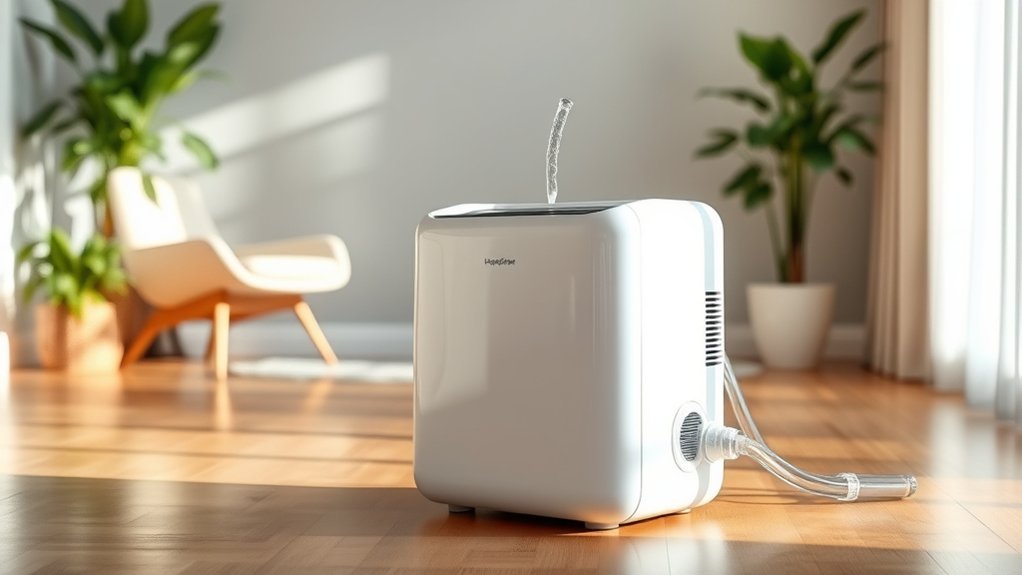
| SANVINDER 25oz Dehumidifier for Bedroom and Home | Small rooms, bathrooms, closets, offices, and damp storage corners | Compact electric dehumidifier | 25 oz tank, up to 320 sq. ft., and under 35 dB operation | Check Current Amazon Availability |
| DryTote Rechargeable Desiccant Pack, 200 Gallons, 100g | Larger storage containers, gear bins, documents, photos, and electronics | Rechargeable desiccant pack | Designed for containers up to 200 gallons | Check Product Details on Amazon |
Before You Buy: Match the Product to Your Camping Setup
- For active sleeping tents: Choose small passive or rechargeable desiccants first, then pair them with ventilation.
- For rooftop tents: Look for compact bags or packs that are easy to store when the tent folds down.
- For RVs and cabins: A compact electric dehumidifier can be useful if you have safe power and a stable place to set it.
- For gear bins: Rechargeable desiccant packs work best in sealed totes, dry boxes, and storage cases.
- For closets and damp corners: Hanging absorber bags are simple, space-saving, and easy to replace.
Wisedry Rechargeable Silica Gel Dehumidifier Packets
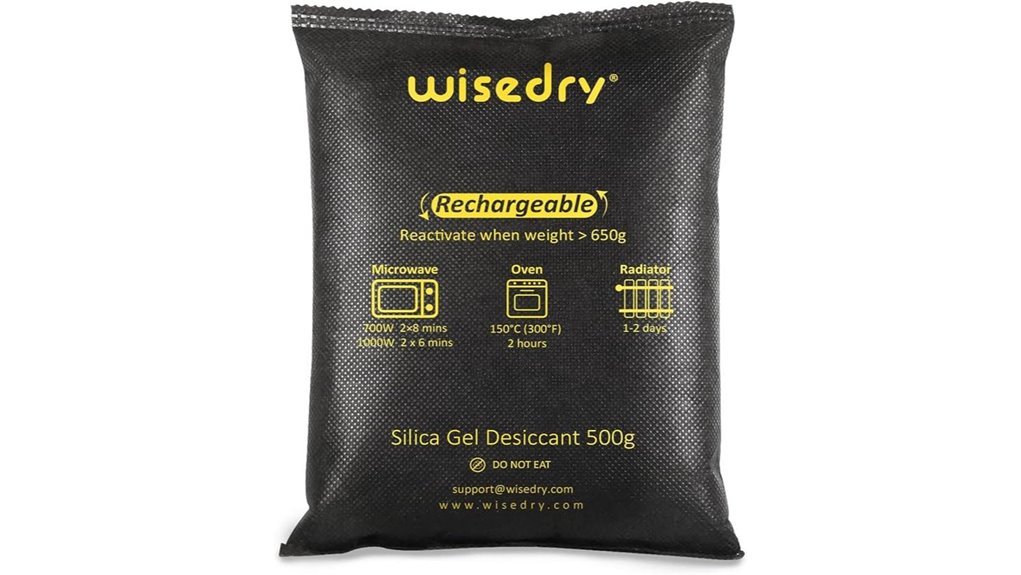
Best Overall Reusable Pick
Wisedry Rechargeable Silica Gel Dehumidifier Packets are a smart pick if you want a reusable moisture absorber for tents, cars, RVs, or storage spaces in 2026. You get two 500g silica gel packets that can each pull in up to 150g of moisture, with a max of 180g. You can dry them in a microwave or oven in 10–16 minutes and reuse them over 10 times. They fit closets, garages, safes, boats, and basements too. The double-packed design helps keep them ready until you need them.
This option makes the most sense if you want a passive dehumidifier that does not need power while it works. It is especially useful for small tent corners, packed camping bins, vehicle storage, and gear that sits closed between trips. You will need access to a microwave or oven when it is time to recharge the packets, so it is better for repeat camping prep than for long off-grid trips where recharging is hard.
Why You’ll Like It: Wisedry solves a common camping problem: moisture trapped in a small enclosed area after rain, cold nights, wet boots, or packed gear. You can place the packets in a tent corner, vehicle, gear tote, safe, closet, or RV cabinet without running a cord or emptying a tank.
Best For: People who want a reusable, easy-to-recharge moisture absorber for cars, RVs, closets, safes, boats, or other small storage spaces.
Who Should Buy This: Choose it if you want a low-maintenance reusable desiccant for weekend camping, stored gear, vehicle moisture, or small enclosed spaces.
Who Should Avoid This: Skip it if you need high-capacity active dehumidifying for a large tent, very wet room, or long trip where you cannot access a microwave or oven.
Pros:
- Reusable and rechargeable in a microwave or oven, making it cost-effective over time
- Strong moisture absorption, with each 500g packet absorbing up to 150g, max 180g
- Versatile for many spaces, including cars, basements, garages, tents, and gun safes
Cons:
- Requires periodic recharging, so it is less convenient than disposable desiccants
- Best performance depends on following microwave/oven reactivation instructions carefully
- Bulkier than small single-use moisture packs, so it may not fit in very tight spaces
Buyer Tip: Choose this if you want a reusable desiccant pack for small, enclosed camping and storage spaces. Skip it if you need powered, continuous dehumidifying in a large tent.
Rooftop Tent Dehumidifier Bag
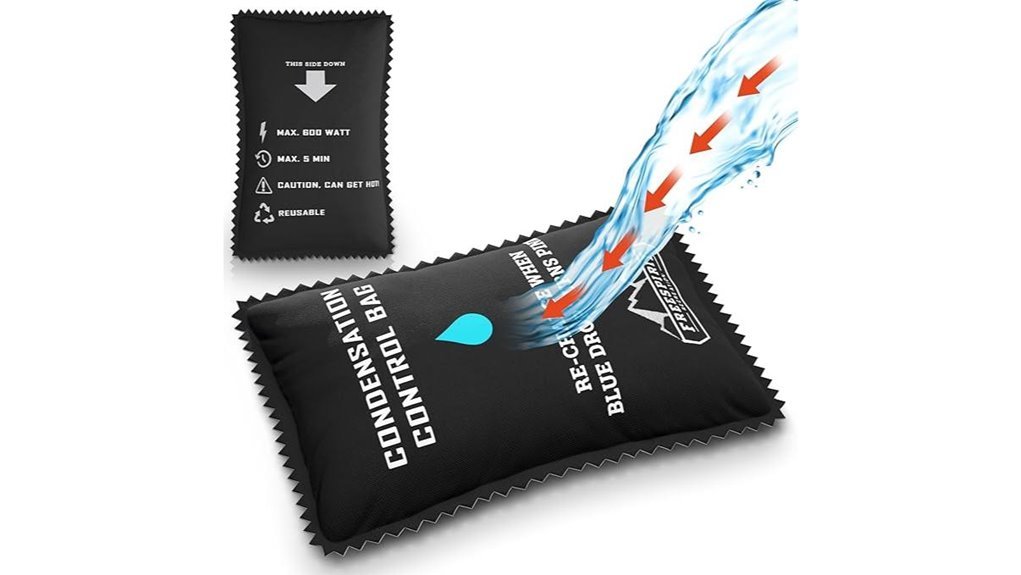
Best for Rooftop Tents and Travel Setups
If you need a compact rooftop tent solution, the Freespirit Recreation Dehumidifier Bag fits well. You get a lightweight, reusable moisture absorber that uses silicone dioxide inside a textile shell and measures 10 x 2 x 5 inches. It soaks up dampness longer, so you won’t recharge it often. When it turns blue to pink, microwave it for five minutes and use it again. The bag also helps fight musty odors in cars, closets, garages, ground tents, and rooftop tents. Backed by a 2-year warranty, it’s a smart, travel-friendly pick.
This bag is easy to place inside a rooftop tent because it does not need a floor spot, power cord, or water tank. It is a practical choice for campers who pack up damp gear, sleep in cooler weather, or store a tent closed between trips. Since it is a passive absorber, it works best as moisture control support rather than a full replacement for airflow and ventilation.
Why You’ll Like It: Rooftop tents often stay folded, compressed, and packed away between trips. A compact absorber like this can help reduce trapped dampness and stale odors when the tent is closed, especially after rainy camping weekends.
Best For: Travel-friendly campers, rooftop tent owners, and anyone needing a reusable moisture absorber for small enclosed spaces like cars, closets, garages, and ground tents.
Who Should Buy This: Choose it if you want a dedicated rooftop tent moisture absorber that is easy to pack, place, and recharge.
Who Should Avoid This: Skip it if you need an electric unit for heavy humidity, a large room, or a continuous moisture-removal setup.
Pros:
- Reusable design with silicone dioxide can be microwaved to recharge, reducing replacement needs.
- Compact and lightweight, making it easy to pack for travel and outdoor use.
- Helps control excess moisture and musty odors in a variety of enclosed spaces.
Cons:
- Requires microwave recharging after it changes color, which may be less convenient than plug-in options.
- Best suited for smaller spaces, so it may not be enough for larger areas with heavy humidity.
- Needs periodic monitoring to know when it’s fully saturated and ready for recharge.
Buyer Tip: Choose this if you need a lightweight bag for a rooftop tent, car, or small camping setup. Skip it if you need high-capacity electric moisture removal.
Automatic Mini Dehumidifier with Temperature Control Switch
Best for Powered Enclosures and Controlled Humidity
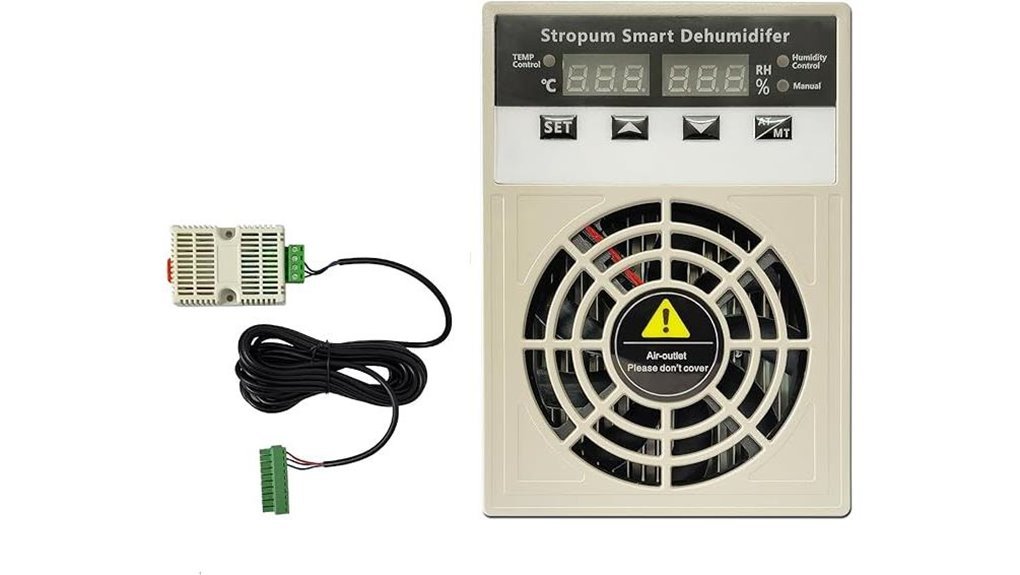
Stropum’s Automatic Small Dehumidifier fits you best if you need precise moisture control in compact spaces. You can use it in electric boxes, cabinets, closets, and other small areas. Its TEMP and humidity sensor adjusts automatically to your set values, while AT/MT modes help you dehumidify efficiently. In a sealed 9-cubic-foot cabinet, it dropped humidity from 80% to 45% in about 50 minutes. You get 800 ml capacity, 45 watts, and 110V/240V compatibility. Install it easily with a hook or rail, and wire it with a small flathead screwdriver.
For tent use, this is the more technical option in the list. It may suit a camper, van owner, or gear-storage setup where you have safe access to power and need a controlled humidity target. It is not the simplest choice for basic backpacking or a casual overnight tent, but it can make sense for compact powered enclosures, storage cabinets, and small gear spaces.
Why You’ll Like It: This product helps when passive desiccants are not enough and you need a set-it-and-monitor approach in a powered, compact enclosure. It is more specialized than a simple camping moisture bag, but that can be useful for gear cabinets, small storage rooms, or controlled equipment spaces.
Best For: People who need automatic, precise moisture control in small enclosed spaces like electric boxes, cabinets, and closets.
Who Should Buy This: Choose it if your camping or storage setup includes a safe powered area and you want humidity sensing instead of simple passive absorption.
Who Should Avoid This: Skip it for backpacking tents, wet campsites without safe power, or setups where wiring and installation feel like too much hassle.
Pros:
- Automatic TEMP and humidity sensing adjusts dehumidification to your set values.
- AT/MT modes and 45W operation provide efficient moisture removal in compact areas.
- Easy to install with hook or rail options and simple wiring using a small flathead screwdriver.
Cons:
- Designed for small spaces, so it may not be suitable for larger rooms or high-humidity areas.
- 800 ml tank capacity may require regular emptying depending on use.
- Best suited for residential or enclosure use, which limits broader applications.
Buyer Tip: Choose this for powered moisture control in a compact enclosure. Skip it if you need a simple, no-wiring camping dehumidifier.
USB-C Rechargeable Gun Safe Dehumidifier Desiccant Packets
Best USB-C Rechargeable Desiccant Pick
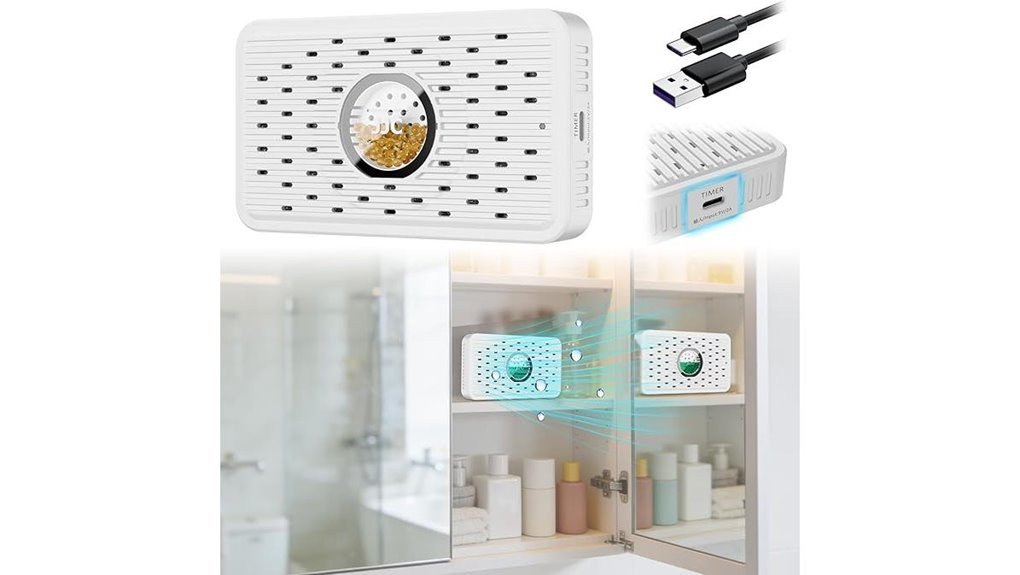
Need a compact, reusable moisture solution for enclosed spaces? You can use this USB-C rechargeable gun safe dehumidifier desiccant packet to control dampness in tents, closets, cabinets, RVs, bathrooms, and even 3D printer storage. Its 70 grams of silicone beads absorb moisture and signal status with color changes: orange means dry, green means it’s working. The durable ABS body stays lightweight at 6.7 ounces, and its built-in heater recharges in 2 to 6 hours. It also shuts off after 10 hours and protects against overheating, so you can dehumidify up to 90 cubic feet safely and efficiently.
This is a good fit if you want a reusable desiccant unit but do not want to use an oven or microwave for recharging. The USB-C recharge method can be easier at home, in an RV, or in a vehicle setup with power access. Since it is rated for small enclosed spaces, it works best in small tents, cabinets, safes, bins, and compact storage areas rather than wide-open spaces.
Why You’ll Like It: USB-C recharging is convenient if you already travel with portable power banks, car chargers, or RV outlets. You can use it passively after charging, then recharge it again when the beads show it is time.
Best For: People who need a compact, reusable moisture absorber for small enclosed spaces like gun safes, closets, RVs, bathrooms, or electronics storage.
Who Should Buy This: Choose it if you want a compact desiccant unit for small spaces and prefer USB-C charging over microwave or oven reactivation.
Who Should Avoid This: Skip it if you need moisture control for a large family tent, a big room, or a space with severe dampness.
Pros:
- USB-C rechargeable design makes it reusable and easy to reactivate without disposable packets.
- Color-changing silicone beads provide a simple moisture status indicator at a glance.
- Lightweight, compact build with auto shutoff and overheat protection for safer use.
Cons:
- Only effective for relatively small spaces, up to about 90 cubic feet.
- Requires recharging and periodic monitoring, so it’s less convenient than a passive desiccant.
- Takes 2 to 6 hours to recharge, which may be slow if you need it back in service quickly.
Buyer Tip: Choose this if USB-C recharging is easier for your setup than microwave or oven reactivation. Skip it for large family tents or severe humidity.
ZARPAX Hanging Moisture Absorber Bags, Set of 10
Best Hanging Moisture Absorber for Closets, RVs, and Tight Spaces
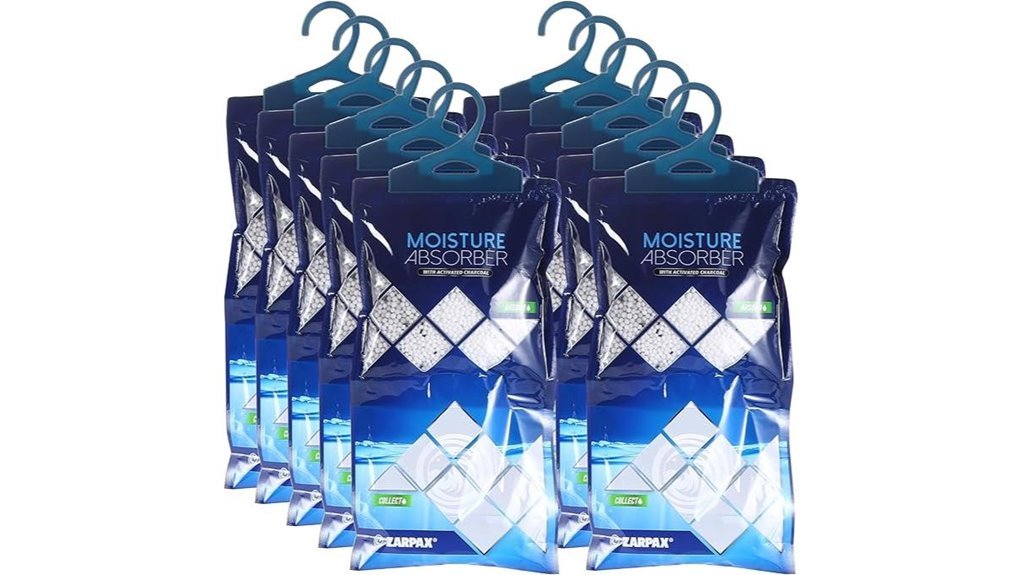
ZARPAX’s 10-pack suits you if you need compact moisture control in tight spaces. You can hang each activated-charcoal bag in closets, bathrooms, kitchens, boats, or RVs to pull in moisture and cut musty odors. Each absorber holds up to 20 fl oz, works continuously, and covers about 17 square feet. The sealed, anti-spill design keeps contents secure, so you won’t worry about leaks. You’ll get up to 45 days of use before the crystals dissolve. At 10.6 ounces, these portable bags save floor space and fit easily on hooks, bars, or other fixtures.
These bags are useful when you want simple moisture control without recharging. They also make sense if you want to hang absorbers in a tent vestibule, gear closet, boat cabin, RV cabinet, or storage space where floor room is limited. Since they are disposable, they are convenient, but they will cost more over time than rechargeable options if you use them often.
Why You’ll Like It: ZARPAX is easy to understand and easy to use. Hang the bag, let it collect moisture, and replace it when the crystals dissolve. That simplicity is useful for closets, RV cabinets, bathrooms, boat cabins, and gear-storage corners.
Best For: People who need a compact, easy-to-hang moisture absorber for small spaces like closets, bathrooms, kitchens, boats, or RVs.
Who Should Buy This: Choose it if you want no-recharge moisture control and have a hook, bar, rail, or closet-style space where the bag can hang safely.
Who Should Avoid This: Skip it if you want a reusable option, need strong active dehumidifying, or dislike replacing disposable absorbers.
Pros:
- Absorbs moisture continuously and helps reduce musty odors with activated charcoal.
- Sealed, anti-spill design helps prevent leaks and keeps contents secure.
- Space-saving hanging format is portable and works well in tight areas.
Cons:
- Covers only about 17 square feet per absorber, so it’s best for smaller spaces.
- Needs replacement after about 45 days or when crystals dissolve.
- May not be strong enough for severe dampness or large rooms.
Buyer Tip: Choose this if you want a no-recharge hanging absorber for small damp spaces. Skip it if you prefer a reusable camping dehumidifier.
SANVINDER 25oz Dehumidifier for Bedroom and Home
Best Compact Electric Pick for Powered Rooms and Gear-Drying Areas
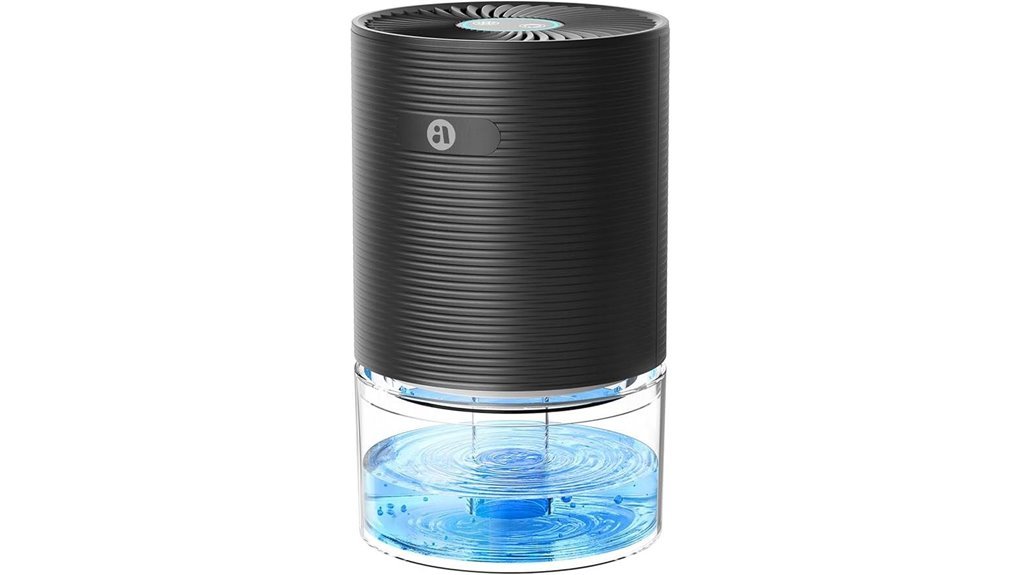
If you need quiet moisture control for a small room, SANVINDER fits the bill. You get a compact 25 oz dehumidifier that covers up to 320 sq. ft. and slips easily onto a nightstand, shelf, or closet floor. Its thermo-electric Peltier system pulls up to 16 oz of moisture per day in warm, humid conditions, while staying under 35 dB for bedroom-friendly use. It shuts off automatically when the tank fills, and the red light tells you when to empty it. You’ll also appreciate its low 0.96 kWh daily energy use and continuous 24-hour operation.
This compact electric option may be useful for campers who dry gear in a cabin, RV, small room, or enclosed storage area after a wet trip. It is not a backpacking-style dehumidifier because it needs power and has a tank to empty. Still, if your camping setup includes a powered shelter, vehicle basecamp, or small storage room, it gives you more active moisture removal than a passive desiccant pack.
Why You’ll Like It: Wet camping gear often needs a dry-out zone after the trip. SANVINDER is a better fit for that kind of powered space than for the inside of a basic tent. Use it where you can place it safely, plug it in properly, and empty the tank when needed.
Best For: People who want a compact, quiet dehumidifier for small rooms like bedrooms, bathrooms, closets, or offices.
Who Should Buy This: Choose it if you need an active electric dehumidifier for a small room, RV, cabin, closet, office, or gear-drying area.
Who Should Avoid This: Skip it if you need a no-power camping absorber, a backpacking solution, or moisture control inside a tent without a safe electrical setup.
Pros:
- Quiet operation under 35 dB makes it bedroom-friendly.
- Compact 25 oz design fits easily on a nightstand, shelf, or closet floor.
- Auto shutoff with red light indicator plus low energy use at 0.96 kWh per day.
Cons:
- Best suited for smaller spaces only, up to 320 sq. ft.
- 25 oz tank may need frequent emptying in very humid conditions.
- Uses Peltier technology, so it won’t dehumidify as quickly as larger compressor models.
Buyer Tip: Choose this for a powered small room, RV, gear-drying area, or closet. Skip it for tent camping without a safe power source.
DryTote Rechargeable Desiccant Pack, 200 Gallons, 100g
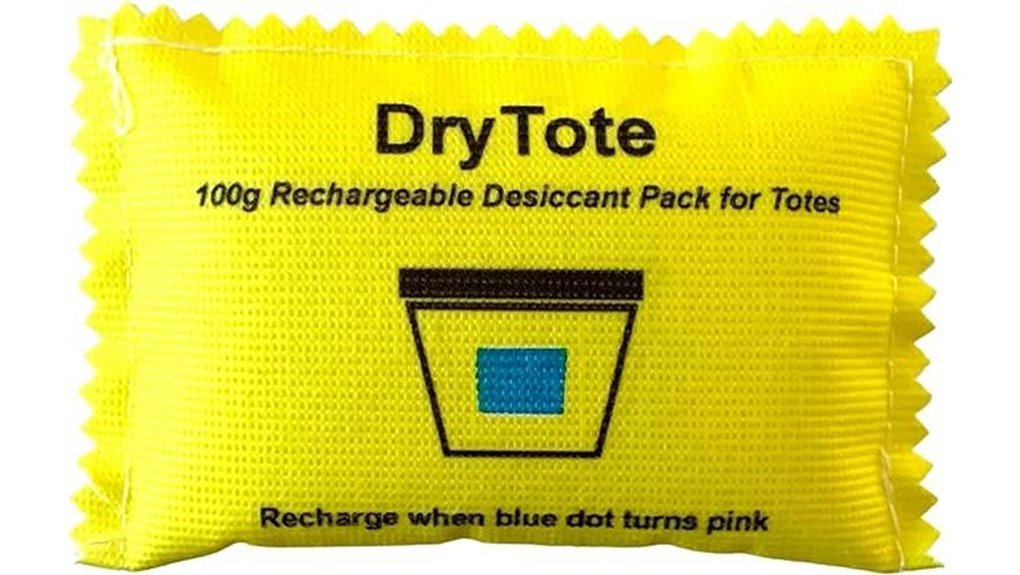
Best for Camping Gear Bins and Larger Storage Containers
DryTote’s rechargeable 100g pack suits you best if you need protection for large storage spaces. You can place it in containers up to 200 gallons, and it’ll absorb moisture to guard documents, photos, electronics, clothing, and other valuables. When the color-changing dot turns pink, you can recharge it in minutes and keep it working without interruption. Its compact 5 x 5 x 2 inch design weighs just 3.53 ounces, so you can move it easily. You’ll also reduce rust, corrosion, oxidation, and fogging in humid conditions, thanks to its durable plastic build.
This is a better match for camping gear storage than for active moisture control inside a large sleeping area. Use it in sealed bins, rooftop tent storage cases, dry bags, totes, and containers where you store electronics, clothing, bedding, or camera gear. If you often pack gear away between trips, this kind of rechargeable desiccant can help reduce stale odors and stored moisture.
Why You’ll Like It: DryTote helps solve the after-trip storage problem. Even when the tent is dry enough to pack, bedding, clothing, electronics, and small gear can still carry moisture into a sealed tote. A rechargeable desiccant pack gives that trapped moisture somewhere to go.
Best For: People who need rechargeable moisture protection for large storage containers, especially for safeguarding documents, photos, electronics, clothing, and other valuables.
Who Should Buy This: Choose it if you store camping gear, camera gear, emergency supplies, documents, or clothing in sealed containers between trips.
Who Should Avoid This: Skip it if you need active dehumidifying inside a sleeping tent or want a product designed mainly for open room air.
Pros:
- Suitable for storage spaces up to 200 gallons.
- Rechargeable in minutes when the indicator turns pink, allowing continuous use.
- Compact, lightweight design makes it easy to place and move.
Cons:
- Best suited for larger storage needs, so it may be overkill for small spaces.
- Requires periodic recharging to maintain effectiveness.
- No detailed warranty coverage is provided in the description.
Buyer Tip: Choose this for sealed camping gear bins and larger storage containers. Skip it if you need moisture control while sleeping inside a tent.
How to Choose the Right Tent Dehumidifier
The right choice depends on how and where you camp. A small backpacking tent needs a different moisture solution than a rooftop tent, RV, cabin, or gear storage tote. Before you buy, decide whether you need passive moisture absorption, a rechargeable desiccant, a hanging absorber, or a powered mini dehumidifier.
For Small Tents
For a small tent, choose a compact desiccant pack or reusable moisture absorber. Wisedry, the rooftop tent bag, or the USB-C rechargeable desiccant option may fit better than a larger plug-in unit. Keep the product away from loose bedding and place it where it will not spill, tip, or block airflow.
For Rooftop Tents
For rooftop tents, portability and storage matter. A reusable bag or compact desiccant pack is easier to pack than a tank-style electric dehumidifier. You should still vent the tent when weather allows, because moisture from breathing, wet clothes, and cold surfaces can build up fast.
For RVs and Gear Storage
For RV cabinets, gear bins, closets, and storage tubs, look for a rechargeable or hanging option that can work while the space is closed. DryTote may be a good fit for larger sealed containers, while ZARPAX hanging bags may work better where you have a hook, rail, or closet bar.
For Powered Spaces
If you have safe access to power, a compact electric dehumidifier can remove more moisture than a passive absorber. The SANVINDER unit may fit small powered rooms or gear-drying areas, while the automatic mini dehumidifier may suit small enclosures that need humidity control. Always follow the manufacturer’s setup and safety instructions.
Pro Tips for Less Tent Condensation
- Vent the tent when weather allows, even in cold conditions.
- Keep wet clothing, boots, and towels outside the sleeping area when possible.
- Use desiccants in sealed bins, rooftop tent storage cases, and vehicle cargo areas.
- Recharge reusable packs before every trip so they start at full moisture capacity.
- Do not expect a small desiccant pack to fix poor airflow, heavy rain leaks, or soaked gear.
Factors to Consider When Choosing a Tent Dehumidifier
When you choose a tent dehumidifier, check its moisture capacity first so it can handle your tent’s dampness. Make sure it fits your tent size, then compare recharge methods, portability, and safety features. The right balance keeps your setup dry, easy to use, and safe on every trip.
Moisture Capacity
Moisture capacity is one of the most important specs to check because it tells you how much water a tent dehumidifier can absorb before it needs recharging. You should look for a unit that can pull in plenty of moisture, such as 150 grams per cycle, so it keeps working longer between charges. Higher-capacity models usually give you steadier humidity control and less hassle during extended use. Some dehumidifiers also include color-change alerts, which make it easy for you to see when the unit’s full and ready to recharge. Depending on the design, a strong absorber can help manage damp air in spaces up to 90 cubic feet or more, so you can keep conditions dry without constant attention.
Tent Size Compatibility
Tent size plays a big role in choosing the right dehumidifier because larger tents need stronger moisture absorption to keep humidity under control. You should match the unit to your tent’s square footage so it can handle the space without straining. In enclosed tents, aim for a model that can cover about 90 cubic feet or more, depending on the layout. For bigger setups, choose a dehumidifier that works well in intermittent cycles, since that helps maintain dryness without wasting power. You’ll also want a lightweight, portable design so you can move it and set it up easily. Make sure it fits your tent’s footprint, because an undersized unit won’t keep moisture in check, while an oversized one can be awkward.
Recharge Method
Recharge method matters because it affects how easy the dehumidifier is to keep working in your tent. You can choose models that recharge by microwave activation or USB-C charging, so you can match the method to your setup. Fast turnaround helps, and some units reactivate in just 5 to 16 minutes. That means you won’t wait long before they’re ready to absorb moisture again. Watch for color-change indicators, too, because they show when it’s time to recharge. If you want fewer interruptions, pick a model that holds more moisture, since it may need recharging less often. You can also reuse some dehumidifiers many times without losing effectiveness, which saves money and reduces waste.
Portability
Just as recharge method affects how often you’ll need to reset a dehumidifier, portability affects how easily you can bring it along and use it in the first place. You should look for a model that feels light in your pack and won’t crowd your tent gear. Aim for units under 2.5 pounds, so you can carry them without strain on hikes or quick trips. Compact size matters too; keep an eye out for designs under 10 inches in height and width, because they fit better in tight tent corners and vehicle storage. You’ll also want a dehumidifier that sets up and packs away fast, since that saves time when you move camp. Rechargeable options add convenience, especially when you camp far from outlets.
Safety Features
Safety features matter because a tent is a small, enclosed space, so you’ll want a dehumidifier that shuts off automatically to help prevent overheating during long use. Look for auto power-off and built-in overheat protection, since both stop the unit before temperatures climb too high. A clear moisture indicator helps you know when to recharge or replace it, so you can act before mold starts growing. Choose a model made with durable, leak-resistant materials to avoid spills inside your tent. Rechargeable units are often safer and more convenient too, because you can reactivate them without disposable batteries. When you compare options, prioritize these safeguards first. They’ll help you keep your gear dry while protecting you, your tent, and the space around it.
Important Safety Note
Small tents are enclosed spaces with fabric walls, sleeping bags, cords, and packed gear. Always follow the manufacturer’s directions. Keep electric units away from loose fabric and water, place tank-style dehumidifiers on a stable surface, and never run a powered unit in a setup that does not have safe electrical access. Passive desiccants also need care: keep them away from children and pets, and do not let loose contents spill into sleeping gear.
Frequently Asked Questions
How Often Should I Replace Tent Dehumidifier Packs?
You should replace disposable tent dehumidifier packs when they’re fully saturated, usually every 2 to 8 weeks, depending on humidity, tent size, and storage conditions. Rechargeable packs do not always need replacing right away, but they should be dried or recharged when the color indicator changes, moisture control drops, or the product instructions say it is time.
Can Dehumidifiers Prevent Condensation in Winter Tents?
Yes, you can reduce condensation, but you can’t eliminate it. You’ll improve airflow, lower moisture, and keep gear drier by venting, drying clothes outside, and using desiccants or a small dehumidifier. In cold weather, body heat, breathing, wet gear, and cold tent walls can still create condensation even when you use a moisture absorber.
Are Tent Dehumidifiers Safe Around Sleeping Gear?
Yes, you can use them safely around sleeping gear if you keep them dry, stable, and away from fabrics. You should also follow the manufacturer’s instructions, since overheating or spills can damage gear quickly. For electric models, use extra caution with cords, tanks, heat, and damp surfaces.
Do Rechargeable Dehumidifiers Work Without Power?
Yes, you can use rechargeable desiccant dehumidifiers without power while they are absorbing moisture, but only after they have been properly dried or charged. You’ll dry, recharge, and reuse them; you won’t get continuous powered dehumidifying unless you plug in an electric unit or replace saturated moisture-absorbing material.
How Do I Store Dehumidifiers Between Camping Trips?
You should empty, dry, and clean your dehumidifier, then store it in a breathable bag or dry container in a cool, dry place. Remove batteries if the product uses them, recharge reusable desiccants before storage, and crack the lid on tank-style units so trapped moisture cannot linger.
Should I Use a Desiccant or an Electric Dehumidifier for Camping?
Use a desiccant pack, moisture bag, or hanging absorber for tents, rooftop tents, sealed gear bins, vehicles, closets, and simple camping storage. Use an electric dehumidifier only when you have a safe powered space, such as an RV, cabin, small room, gear-drying area, or controlled enclosure.
Final Recommendation
If you want one simple reusable camping moisture absorber, start with Wisedry. It works without power while absorbing moisture and is easy to reuse when you have access to a microwave or oven.
If you own a rooftop tent, choose the Rooftop Tent Dehumidifier Bag. Its compact shape and travel-friendly design make it easier to pack and place than a tank-style electric unit.
If you store gear in bins or totes, DryTote is the better match. It is built around sealed storage protection rather than sleeping-area dehumidifying.
If your setup has safe power, consider SANVINDER or the automatic mini dehumidifier. These are better for cabins, RVs, powered rooms, and small enclosures than for basic tent camping.
Conclusion
If you’ve ever woken up to damp tent walls or a clammy sleeping bag, you know how fast moisture can ruin a trip. The best tent dehumidifier for you depends on your setup. Choose Wisedry if you want reusable silica gel packets, the rooftop tent bag if you need a travel-friendly absorber, ZARPAX if you prefer hanging moisture bags, or DryTote if you mainly protect stored camping gear. If you have safe power access, the SANVINDER or automatic mini dehumidifier may give you more active moisture control. Pick the option that matches your tent size, recharge method, and camping style before your next rainy morning.