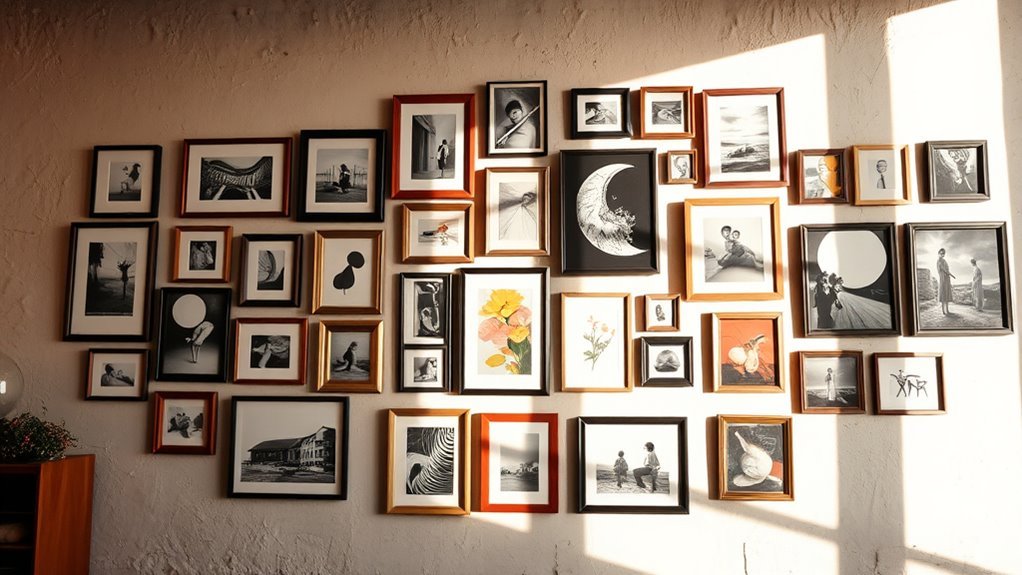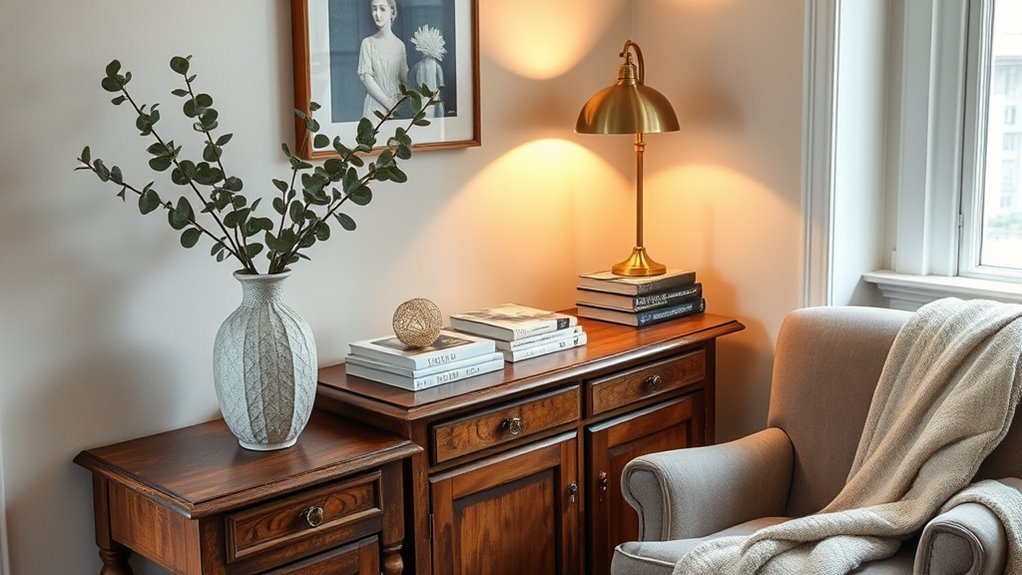
A vignette can turn a blank tabletop, shelf, or corner into a small story about your style. Instead of filling a surface with random decor, you choose a few pieces that work together and give the eye a clear place to land. This guide explains what a vignette means in interior design, how to build one, and how to keep it balanced, personal, and easy to refresh.
Quick Answer
A vignette in interior design is a small, styled grouping of decor that creates a focal point. Most vignettes use three to five items, such as books, vases, candles, art, or plants. The best ones mix height, texture, color, and personal meaning without making the space feel cluttered.
Key Takeaways
- Use a vignette to create a small focal point on a table, shelf, mantel, or nightstand.
- Choose three to five items so the display feels balanced, not crowded.
- Mix heights, textures, shapes, and colors to add depth and visual interest.
- Add one personal or natural element to make the vignette feel warm and lived-in.
- Refresh your vignette with small seasonal swaps instead of restyling the whole room.
What Is a Vignette in Interior Design?
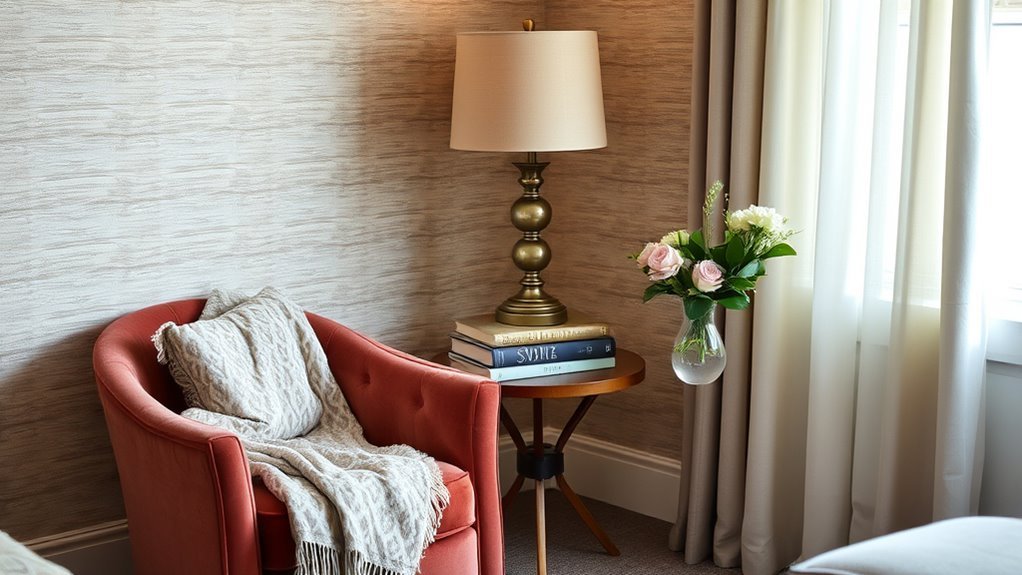
A vignette in interior design is a small, curated display of decorative objects. It helps you style everyday surfaces, such as bookshelves, coffee tables, entryway tables, and nightstands.
A strong vignette reflects your unique style while giving the room a clear focal point. To create vignettes that feel natural, aim for an odd number of items, often three to five.
Mix heights, textures, shapes, and colors so the display feels layered instead of flat. Each vignette can tell a small story through pieces you love, such as books, art, travel finds, flowers, or family photos.
Where Should You Place a Vignette?
The best vignette location depends on where your room needs focus. Look for open surfaces that feel unfinished but still have enough breathing room for daily use.
- Style a coffee table with a tray, books, and a small vase.
- Use a bookshelf to frame art, pottery, and meaningful objects.
- Add a vignette to an entryway table to create a warm first impression.
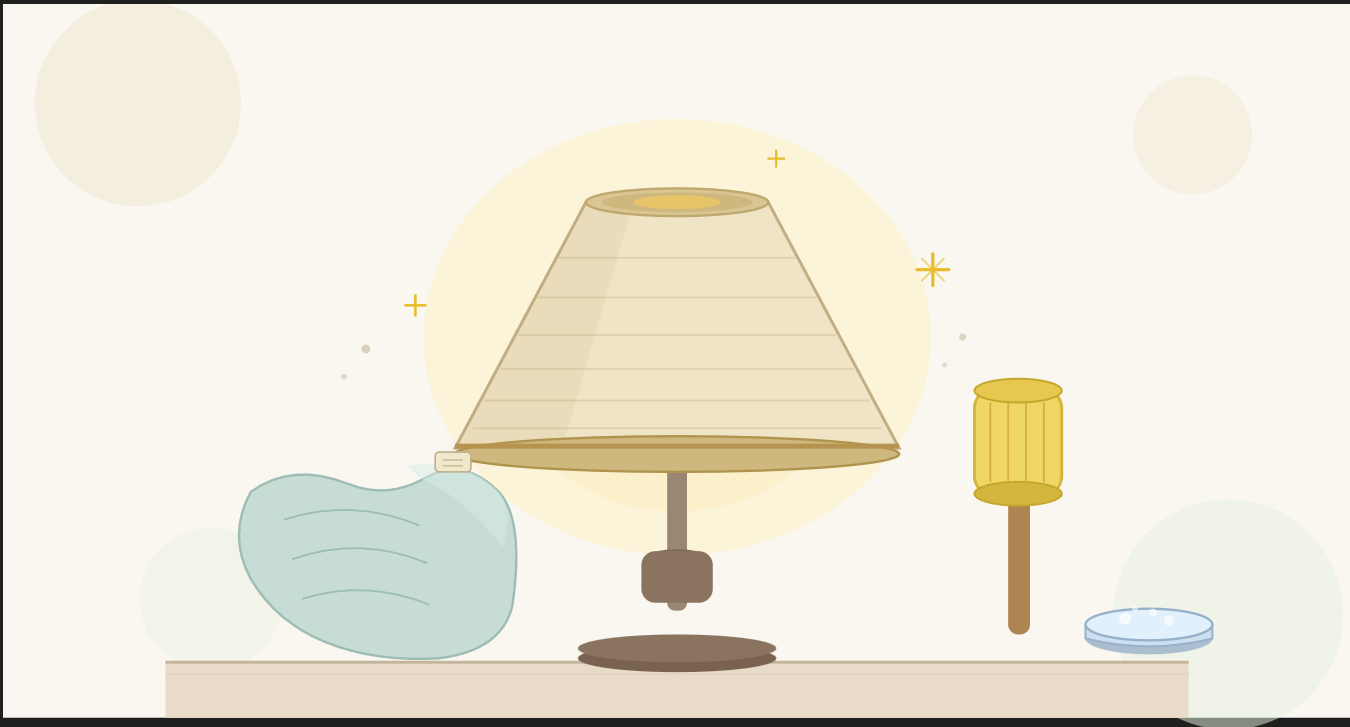
- Build a calm bedside vignette with a lamp, plant, and framed photo.
- Use a bathroom shelf for candles, greenery, and a small decorative tray.
Keep the scale of the vignette in line with the furniture. A large table can handle taller pieces, while a narrow shelf needs fewer, smaller items.
How to Create a Stunning Vignette in Your Space
To create a stunning vignette, start with the right spot and a small group of decor pieces. Then arrange those pieces so the eye moves from one item to the next with ease.
A tray, stack of books, or shallow bowl can help anchor the display. That base keeps the vignette organized and makes the whole arrangement feel intentional.
Recommended Products

【The Perfect Table Centerpiece】 Elevate your home aesthetics with this 13-inch round tray. Featuring a unique Plastic Distressed Wood Grain finish, it perfectly mimics the beauty of weathered white wood. It serves as a stunning focal point for your coffee table, dining area, or ottoman, complementing Boho and Modern Farmhouse decors.

UNIQUE PATTERN DESIGN -The wooden trays for decor have a distinctive washed white pattern on the bottom, and the wood is pressed out of the grain at high temperature, which will bring a rustic and natural decorative style to your home

【Gorgeous Tray】: The wooden coffee table tray boasts an elegant design with fluted circle, exuding natural simplicity. Use it as a unique centerpiece for dining tables, counters and more, but be prepared to receive tons of compliments for your furniture decor.
Choose Your Location Wisely
Choosing the right location helps your vignette turn an ordinary space into a strong focal point. Pick a surface that needs interest but doesn’t need to stay completely clear.
- Identify empty areas that need warmth or attention.
- Use bookshelves, coffee tables, mantels, or entryway tables.
- Match the vignette’s size to the furniture and room.
- Use a tray or stack of books to define the display.
- Move or refresh the vignette when the room starts to feel stale.
Select Key Decorative Items
After you choose a location, pick the key decorative items that bring your idea to life. Select three to five pieces that share a theme, color palette, material, or mood.
Choose one standout piece, such as a unique vase, small sculpture, or framed photo. Then add supporting pieces that vary in height and texture.
| Item Type | Example | Purpose |
|---|---|---|
| Focal Point | Unique Vase | Draws attention |
| Layering Element | Stack of Books | Adds structure |
| Organic Element | Potted Plant | Adds life |
| Textural Element | Woven Basket | Adds warmth |
| Decorative Accent | Artistic Sculpture | Adds visual interest |
Incorporate Height and Color
Varying height and color can turn a simple display into an eye-catching vignette. Place the tallest item toward the back or side, then layer shorter pieces in front.
- Mix tall and short objects, such as plants, candles, books, and sculptures.
- Use three to five decorative items for a balanced display.
- Choose colors that complement or gently contrast with the room.
- Add fresh flowers, branches, or greenery for a natural touch.
- Use a tray to group small pieces and reduce visual clutter.
Pro tip: Step back after styling your vignette, then remove one item if the display feels crowded.
Essential Components for Crafting a Beautiful Vignette
To craft a beautiful vignette, focus on a few key design principles. A clear focal point, balanced scale, and varied texture will make the arrangement feel polished.
You don’t need expensive pieces. A small mix of personal items, natural elements, and useful decor can create a display that feels rich and personal.
Recommended Products
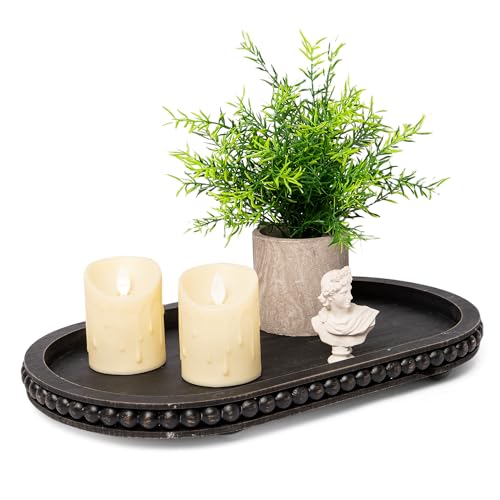
【Package Contents】: You will receive one Length 15 inches Oval Black Wooden Bead Tray in a farmhouse bohemian style to suit your decor needs. 9 inch wide and approximately 1.5 inch total height, including the ball foot height and brown tray height.

Unique Design & Premium Material: Crafted from high quality ceramic with matte pink and spotted finish surface, features cloud-shaped design appearance and simple lines, high temperature ceramic glaze making the ceramic plate surface smooth and delicate, looks elegant and modern. And the bottom edge is unglazed, hand polished, stable and non-slip. A perfect tray decor for your modern home, dresser, vanity, bedroom, living room or bathroom.

A tactile twist on timeless style – With its raised crocodile-skin texture and rich chocolate finish, this oval tray brings a bold, sculptural feel to your space—earthy, edgy, and elegant all at once.
Key Design Principles
A strong vignette uses design basics that help each piece work with the next. Keep these ideas in mind while you arrange your objects:
- Choose one focal point to guide the viewer’s eye.
- Create balance with either symmetry or asymmetry.
- Use the Rule of Thirds to avoid a stiff layout.
- Mix height and texture to add depth.
- Repeat one color or material for cohesion.
Odd-numbered groupings often feel more natural because they give the eye a center point. Three items work well for small surfaces, while five can suit larger tables or shelves.
Essential Decorative Items
Start with personal mementos, such as family photos, handmade pieces, or travel souvenirs. These items help your vignette tell a story that feels true to your home.
Add natural elements, such as a plant, branches, fresh flowers, or a bowl of stones. Then use a tray, shallow bowl, or stack of books as a base to group the pieces.
Aim for a harmonious color scheme that connects with the rest of the room. The vignette should stand out, but it should not feel separate from your larger decor.
Inspiring Vignette Ideas for Every Room
Vignettes offer a simple way to express your personal style in any room. Use these ideas as starting points, then adjust them to fit your home.
- Living Room: Style a coffee table with a decorative tray, stacked books, and a floral arrangement.
- Bedroom: Pair a bedside lamp with a small plant and framed photo.
- Entryway: Place a statement mirror above a bowl for keys and a small sculpture.
- Kitchen: Group a fruit bowl, a few cookbooks, and decorative jars.
- Bathroom: Add scented candles, a tray, and a potted succulent to a shelf.
Recommended Products

Solid Concrete: Hand-crafted from 100% solid concrete by expert artisans, this coffee table tray is designed to enhance any home decor while providing durability and stability, ensuring it withstands daily use without compromising its elegant appearance.

PREMIUM QUALITY - Our tray is made of 100% solid resin and every product is a unique work of art. Elevate your home with this coffee table centerpiece. Our fluted circle tray is perfect to use as a decorative serving tray.

ELEGANT MARBLE LOOK: Features a thick lines texture resin stone finish that mimics the luxurious appearance of real marble.
How Do You Create Balance and Cohesion in a Vignette?
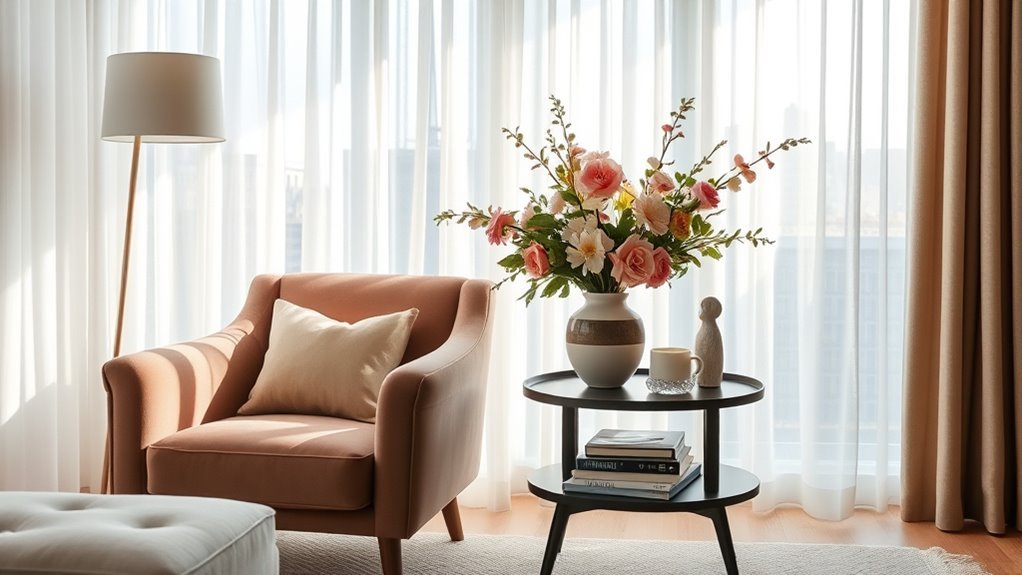
Balance and cohesion help your vignette feel styled instead of random. Start by grouping decorative objects with different heights, sizes, and textures.
Use symmetry when you want a calm, formal look. Use asymmetry when you want the display to feel relaxed and more dynamic.
Color coordination also helps the vignette connect to the room. Repeat one or two colors from nearby pillows, art, rugs, or furniture.
Leave space between items so each piece can stand out. A crowded vignette loses impact because the eye has nowhere to rest.
Common Vignette Styling Mistakes to Avoid
Even a small vignette can feel off when you use too many pieces or ignore scale. A few simple checks can help you fix the display fast.
- Remove items that don’t support the color palette or theme.
- Avoid lining every object in a straight row.
- Skip pieces that all share the same height.
- Keep useful surfaces clear enough for daily life.
- Choose fewer large pieces instead of many tiny ones.
If the arrangement feels flat, add height with books, branches, or a taller vase. If it feels busy, remove the smallest items first.
Seasonal Vignette Ideas to Refresh Your Decor
Small seasonal swaps can refresh your decor without changing the whole room. Keep your main pieces in place, then rotate colors, textures, and natural accents.
Seasonal vignettes work best when they feel subtle, personal, and connected to the rest of your home.
- Fall: Use pumpkins, dried leaves, wood tones, and warm textures.
- Winter: Add knitted textiles, candles, pinecones, and evergreen branches.
- Spring: Bring in fresh blooms, pastel colors, and lighter ceramics.
- Summer: Use bright colors, shells, woven accents, and breezy materials.
- Any Season: Keep one consistent color so each update still feels cohesive.
You can also refresh a vignette by changing only one item. A new branch, candle, bowl, or framed print can shift the mood.
Why Do Vignettes Matter for Home Aesthetics?
Vignettes matter because they help your home feel thoughtful, layered, and personal. They turn everyday surfaces into small displays that add charm and focus.
A vignette also helps you use personal mementos in a clean, styled way. Instead of scattering meaningful objects around the room, you can group them with purpose.
This approach lets you explore colors, textures, and shapes without a large design commitment. You can move pieces around until the space feels right.
Frequently Asked Questions
What Is a Vignette in Decor?
A vignette in decor is a small, styled collection of objects that creates a focal point. You can use one on a shelf, table, mantel, dresser, or nightstand.
What Is an Example of a Vignette?
A simple vignette might include a stack of books, a ceramic vase, and a small plant on a tray. The books add height, the vase creates a focal point, and the plant adds life.
How to Create a Vignette in Interior Design?
Choose one surface, then gather three to five items that share a color, theme, or mood. Mix tall and short pieces, add texture, and leave space so the display feels balanced.
What Is the Rule of Three in Vignette Decor?
The Rule of Three means you group three items to create balance and visual interest. This works well because the eye can move between the pieces without the display feeling too even or too crowded.
Can a Vignette Be Functional?
Yes, a vignette can look good and serve a purpose. For example, an entryway vignette can include a tray for keys, a lamp, and a small bowl while still feeling styled.
How Often Should You Change a Vignette?
Change a vignette whenever the space starts to feel stale or when you want a seasonal update. You don’t need to replace every piece, since one or two swaps can refresh the whole display.
Conclusion
A well-styled vignette gives your home a focused, personal detail that feels both beautiful and intentional. Start with one small surface, choose a few meaningful pieces, and arrange them with height, texture, and space in mind.
As your style changes, your vignettes can change with it. That small display can keep your home feeling fresh, thoughtful, and truly yours.