A steam mop can clean grout, but the results depend on the stain and the grout’s condition. Hot steam loosens dirt and grease in porous lines, while a narrow grout tip can improve contact and pressure. It may brighten tired grout and help with regular upkeep, yet deep stains and mould often need more than steam alone. The key question is how far it can really go, and where it starts to fall short.
What Can a Steam Mop Do for Grout?
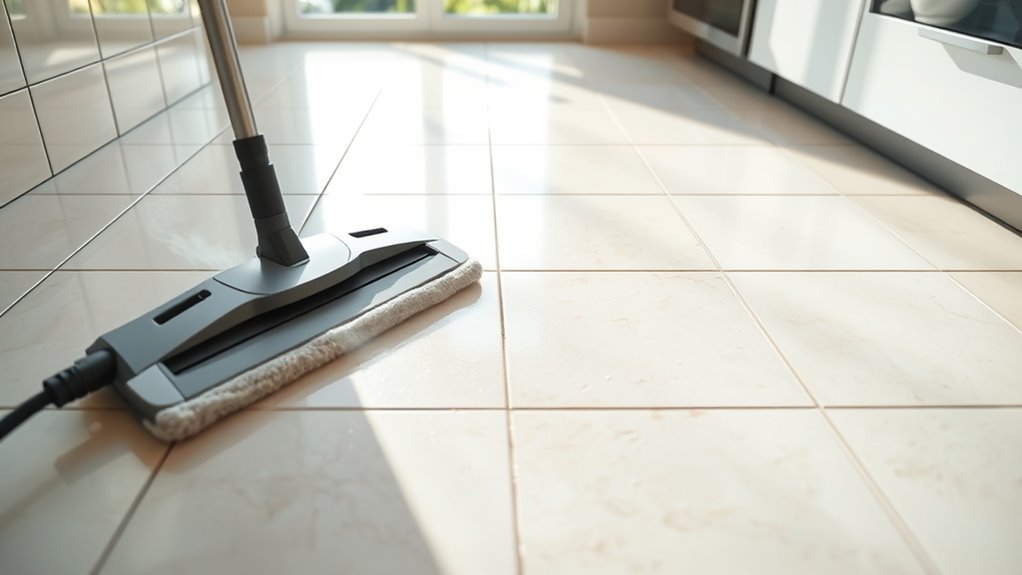
A steam mop can loosen dirt and grease buildup in grout lines, making them easier to clean than with traditional mopping alone. The high-temperature steam reaches into porous grout and lifts residues that ordinary mopping often leaves behind.
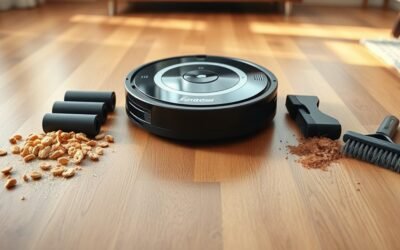
Used with a narrow grout tip attachment, a steam mop directs pressure more precisely along the lines, improving contact and reducing wasted effort. This method offers a practical path to cleaner tile without relying heavily on chemical cleaners, which supports a more environmentally responsible routine.
A narrow grout tip focuses steam along the lines, improving contact and reducing wasted effort.
For many surfaces, the result is a noticeable improvement in brightness and overall appearance. Still, a steam mop is not a complete cure for every stain. Older discoloration and deeply set marks may need additional treatment to disappear fully.
Even so, it gives users a straightforward way to reclaim cleaner grout with less harsh scrubbing and more control.
Why Grout Gets Dirty So Fast
Grout gets dirty quickly because its porous structure absorbs dirt, oils, and moisture instead of keeping them on the surface. That absorption makes grout cleaning more demanding than tile care, since grime settles below the visible layer and darkens the lines over time.
In kitchens and entryways, constant foot traffic adds tracked-in soil and residue, so stains appear faster and more unevenly. The rough texture of grout joints also holds onto particles and bacteria, giving debris more places to remain after routine mopping.
Standard mops often move dirt around rather than remove it from the seams, leaving behind film that builds with each cleaning. In humid spaces, trapped moisture can encourage mold and stubborn staining, especially when maintenance is inconsistent.
For those seeking cleaner, freer living spaces, understanding these causes helps set realistic expectations and supports a smarter grout cleaning routine.
How to Clean Grout With Steam
Steam cleaning grout begins with attaching a narrow grout tip. Then, move the steam mop slowly along each line so the heat can loosen embedded dirt.
For better results, the grout should be cleaned in small sections, with the surface wiped as it is steamed to lift away loosened grime.
Older stains may need a follow-up cleaner, since steam improves cleanliness but may not remove all discoloration on its own.
Steam Cleaning Steps
First, the area around the grout lines should be cleared so the steam cleaner’s nozzle can reach the joints without obstruction.
These steam cleaning steps begin with a narrow grout tip aimed directly at the lines, releasing high-temperature steam to loosen embedded dirt and grime. The operator moves methodically, section by section, so each joint receives even treatment.
If stains remain, a suitable cleaner is applied to the stubborn spots and left for a few minutes to work.
Next, a mop or cloth removes loosened residue and excess moisture. A final light steam vacuum pass can then refine the surface, leaving the grout cleaner, brighter, and better prepared to resist new buildup.
Grout Cleaning Tips
A steam mop can make grout cleaning more efficient by using high-temperature steam to loosen dirt and grease from the lines. For best control, steam cleaners should be fitted with a narrow grout tip so the jet reaches the joint directly.
Before treating an entire floor, a small hidden area should be tested to confirm the grout color returns without damage. If stains remain, a cleaner can be applied after steaming to lift residue more effectively.
Regular steam cleaning helps prevent buildup, reducing effort over time and keeping surfaces easier to maintain. The method is practical for those seeking cleaner spaces with less scrubbing.
Steady passes and prompt wiping after each section support a sharper finish and better results.
What to Expect on Old Grout Stains
On older grout stains, a steam mop can loosen years of built-up dirt and grime, but complete removal is not always realistic because grout is porous and can hold discoloration deep below the surface.
Steam cleaning often lifts surface soil and refreshes the look of grout lines, yet deeply embedded stains may remain visible after treatment. For many homes, the best outcome is partial restoration rather than a full return to the original color.
Regular steam cleaning can slow future buildup, helping grout stay cleaner with less effort over time. When problem areas need extra attention, steam first may improve contact and make later cleaning more effective.
This approach supports a more independent, low-chemical routine while respecting the limits of aged grout. It gives older floors a cleaner, lighter appearance without promising a complete reset, keeping expectations practical and grounded.
When Steam Isn’t Enough
If stains remain after steam cleaning, a targeted grout cleaner may be needed to finish the job.
A brush and the right detergent can help lift residue that steam alone leaves behind.
Testing the cleaner on a small section first can confirm that it suits the grout and will improve the result.
Stubborn Stains Remain
When grout is heavily discolored or aged, steam mops may loosen surface dirt and grime without fully removing stubborn stains. Even after a thorough steam pass, stubborn stains remain because grout is porous and can hold residues below the surface. Steam helps with maintenance and can reduce buildup over time, but it may not penetrate deeply enough for an initial reset. The table below outlines the situation:
| Issue | Result |
|---|---|
| Old discoloration | Often remains visible |
| Porous grout | Absorbs residue deeply |
| Steam cleaning | Lifts surface soil |
| Ongoing care | Improves future results |
For demanding grout, additional products may be needed after steam cleaning to achieve cleaner lines and restore a freer, brighter appearance without unnecessary effort or guesswork.
Try a Cleaner Next
A targeted cleaner can be the next step when steam loosens grime but does not fully restore grout’s original color.
For light residue, an alkaline cleaner such as a baking soda and water paste can support cleaning without harsh effort.
Where mineral deposits or stubborn staining remain, alternating acidic and alkaline cleaners may improve cleaning efficiency and help limit mold growth.
In damp areas, alcohol-based detergents or hydrogen peroxide solutions are especially useful against mold on grout.
The cleaner should be applied with care, allowed to sit briefly, then rinsed well. This measured approach gives surfaces a chance to recover their clean, open look.
Regular steam cleaning, paired with the right cleaner, helps maintain freedom from buildup and preserves grout over time.
Best Steam Mop Attachments for Grout
The best steam mop attachments for grout are narrow grout tips or detail nozzles, since they can reach deep into fine grout lines and direct steam where buildup collects most.
These best steam mop attachments for grout help concentrate heat on narrow seams, making it easier to loosen packed dirt without excessive effort. A round brush attachment can add light scrubbing action, which is useful on porous grout that holds stains in its surface.
For the cleanest result, steam should be applied before any extra cleaner, because heat first lifts debris and opens the way for simpler stain removal. Many mops reach about 120°C, hot enough to reduce bacteria and mould in damp areas.
Used regularly, these attachments support cleaner tile lines, steadier hygiene, and less long-term grime.
How to Remove Mould From Grout
Mould often forms on grout because humid conditions and porous surfaces give spores a place to settle and spread.
A 3% hydrogen peroxide solution can help treat the affected grout, and soaking kitchen roll in it can improve contact time on stubborn spots.
Ongoing control of moisture, along with good ventilation and regular grout cleaning, helps reduce the chance of future growth.
Why Mould Forms
Because grout is porous, it can absorb moisture and organic material, creating a surface where mould thrives in humid conditions.
In kitchens, bathrooms, and other damp spaces, lingering water gives spores a steady foothold. Once settled, they spread across tiny pores and the problem becomes visible as dark staining or patchy growth.
Cleaning can reduce the growth, but the larger issue is always excess moisture. Ventilation matters: fans, open windows, and dry surfaces limit the conditions mould prefers.
Regularly wiping grout and controlling humidity help prevent recurrence. Where buildup is present, alcohol-based detergents may help treat the mould, though stains can remain.
Effective removal depends on reaching the spores directly and keeping the area dry enough that they cannot return.
Hydrogen Peroxide Method
A 3% hydrogen peroxide solution can be an effective way to remove mould from grout, as its oxidising action helps kill spores on contact.
For stronger results, kitchen rolls can be soaked in the liquid and pressed firmly onto the stained lines, giving the solution time to work rather than running off too quickly. After a brief soak, the mould can usually be wiped away with a cloth or brush, revealing cleaner grout beneath.
The area should be well ventilated while the treatment is underway, both for comfort and for safer use. Repeated application may help keep grout hygienic, especially where humidity is high and mould returns easily.
The method offers a simple, practical route to reclaim cleaner surfaces with minimal equipment.
Preventing Future Growth
Once the visible mould has been removed, keeping grout clear depends on limiting the damp conditions that let it return. Preventing future growth means controlling water vapor, especially in bathrooms and kitchens, where grout stays porous and vulnerable. Good ventilation, from extractor fans to open windows, lowers humidity and deprives spores of the moisture they need. Regular cleaning also helps; alternating alkaline and acidic cleaners can reduce soap scum, mineral residue, and organic dirt. Where stains linger, alcohol-based detergents may assist, while 3% hydrogen peroxide remains useful for spot treatment.
| Action | Purpose | Frequency |
|---|---|---|
| Ventilate | Reduce humidity | Daily |
| Clean grout | Remove residue | Weekly |
| Inspect joints | Catch early mould | Monthly |
Dry surfaces after use, and freedom from repeat mould becomes far easier to maintain.
How to Keep Grout Cleaner Longer
Keeping grout cleaner longer depends on a few simple habits that reduce how quickly dirt and moisture settle into the lines. Sealing grout regularly helps block absorption, making it harder for loosened dirt to cling after cleaning.
Regular sealing helps grout resist moisture and dirt, keeping lines cleaner longer.
A light alkaline cleaner, such as baking soda paste, can lift surface soil without wearing down the grout. A routine schedule keeps buildup from taking hold and preserves a fresher look.
- Seal grout on a regular interval.
- Clean with baking soda paste for light soil.
- Mop or steam clean on a set schedule.
- Wipe spills and stains as soon as they appear.
- Improve ventilation and lower humidity in wet rooms.
Prompt action matters. When spills sit, discoloration and mold gain time to spread.
Good airflow in bathrooms and kitchens limits moisture, supporting cleaner joints and less mildew. With steady care, grout stays presentable longer, and the need for heavy scrubbing declines.
Steam Mop vs. Other Grout Cleaners
Steam mops offer a convenient middle ground between routine maintenance and heavy-duty grout scrubbing. Their high-temperature steam can help break loose dirt, grease, and light buildup in grout lines, especially when a narrow grout tip is used to target the joints directly. This makes the process less labor-intensive than manual scrubbing and can leave fewer residues to mop away.
Compared with traditional grout cleaners, however, steam mops may not fully remove deep-set stains or restore discolored grout to its original color. Mixed results are common when stains have aged or penetration is deep. Traditional cleaners and DIY solutions can deliver stronger stain removal, but they usually require more effort and added chemicals.
Regular steam cleaning still has value: it helps maintain grout, reduce grime accumulation, and discourage mold growth. For many households, steam mopping works best as a maintenance tool rather than a complete replacement for more aggressive grout-cleaning methods.
Which Grout-Cleaning Method Works Best?
The best grout-cleaning method depends on the condition of the grout and the level of buildup present. Steam mops often help remove surface dirt and loosen grime with high-temperature steam, making later scrubbing easier. A narrow grout tip improves reach, letting steam enter fine lines that brushes may miss.
Steam mops loosen surface grime well, and a narrow grout tip helps reach the finest lines.
For people seeking practical freedom from heavy maintenance, regular steaming can keep grout cleaner over time and reduce the burden of deep cleaning.
- Light buildup: steam cleaning may be enough
- Narrow grout tips: improve precision
- Older stains: add a cleaner for better results
- Deep discoloration: use combined methods
- Routine care: prevents heavy accumulation
Community experience shows that steam mops can produce visible improvement, but they do not always erase older or deep-set stains.
In many cases, the most effective approach is a sequence: steam first, then targeted product cleaning if needed. That balance helps remove grime while preserving control over the cleaning process.
Frequently Asked Questions
What Is the Best Way to Clean Really Dirty Grout?
The best way is steam cleaning with a narrow grout tip, then scrubbing with an alkaline or acidic cleaner. For stubborn stains, Grout Maintenance improves with baking-soda paste and regular light steam cleaning afterward.
Do I Need to Reseal Grout After Steam Cleaning?
Yes—resealing is usually needed after steam cleaning. Why leave grout exposed? Steam can strip sealant, so Resealing Frequency for high-traffic areas is often every 1–2 years, once grout is fully dry, for lasting protection.
What Is the Best Way to Clean Tile and Grout Floors?
The best way to clean tile and grout floors is steam cleaning combined with targeted Cleaning Techniques: small sections, a grout attachment, and regular maintenance. Stubborn stains may need alkaline or acidic cleaners for deeper restoration.
What Should You Not Clean Grout With?
It should not be cleaned with vinegar, lemon juice, bleach, abrasive scrubbers, steel wool, oil-based products, or harsh cleaners; coincidentally, such Chemical Reactions can weaken grout, stain tiles, and trap dirt, limiting liberation from grime.
Conclusion
A steam mop can be a grout-saving workhorse, blasting away surface grime with hot vapor and a grout tip that reaches where scrubbing often fails. It can dramatically brighten tired lines, though ancient stains may cling like they pay rent. For mould, heavy buildup, or long-neglected grout, steam alone may fall short. Used regularly, however, it is a practical, low-chemical way to keep grout looking fresher for far longer.