You can lower indoor humidity room by room by removing moisture at the source, improving ventilation, and using air conditioning or a dehumidifier where damp air keeps returning. Start with the rooms that create the most water vapor—bathrooms, kitchens, laundry areas, basements, and crawl spaces—then check living rooms and bedrooms with a hygrometer so you are not guessing.
Quick Answer
To lower indoor humidity, keep rooms near 30%–50% relative humidity, vent steam outdoors, fix leaks, run the AC during humid weather, and use a properly sized dehumidifier in damp rooms. Bathrooms and kitchens need exhaust fans; basements and crawl spaces usually need drainage, sealing, and steady dehumidification.
Key Takeaways
- Aim for 30%–50% indoor relative humidity when possible; avoid staying above 60%.
- Use exhaust fans during cooking, showering, and laundry, and make sure they vent outdoors.
- Fix leaks, drainage problems, wet crawl spaces, and condensation instead of relying only on a dehumidifier.
- Place dehumidifiers where air can move freely, keep doors and windows closed, and clean filters and drains often.
- Call a professional for persistent water intrusion, large mold areas, unsafe wiring, or HVAC moisture problems.
At a Glance
| Time Required | 15 minutes for quick moisture fixes; 1–2 hours for a full room-by-room humidity check |
| Difficulty | Easy for daily habits; moderate for leaks, crawl spaces, drainage, and fan upgrades |
| Tools Needed | Hygrometer, exhaust fans, AC, dehumidifier, squeegee, caulk, weatherstripping, flashlight, gloves, and basic leak-repair supplies |
| Cost | Low for meters and daily fixes; higher for dehumidifiers, fan replacement, drainage repairs, or professional mold remediation |
What’s Causing High Indoor Humidity?
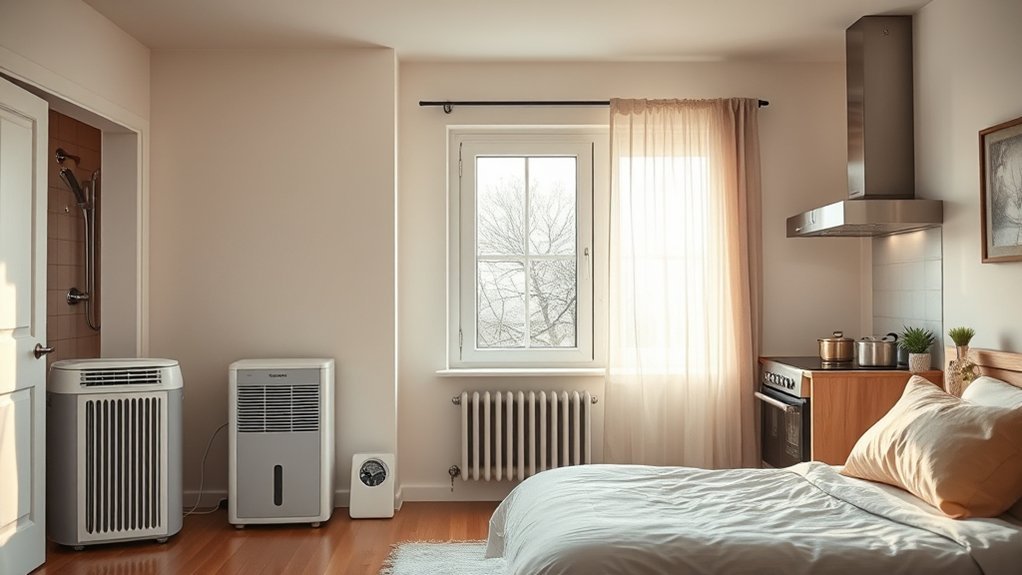
High indoor humidity usually comes from two problems working together: moisture being added indoors and not enough dry air or ventilation to remove it. Everyday activities such as cooking, showering, washing dishes, drying clothes indoors, and running humidifiers can raise moisture levels quickly. Building problems such as plumbing leaks, roof leaks, basement seepage, clogged gutters, poor grading, and damp crawl spaces can keep humidity high even when your daily habits are good.
Warm air can hold more water vapor than cool air. When warm, damp air touches a cold surface, such as a window, pipe, duct, basement wall, or poorly insulated exterior wall, condensation forms. That condensation is a warning sign: the air may be too humid, the surface may be too cold, or both. The EPA recommends keeping indoor relative humidity below 60%, ideally between 30% and 50%, when possible.
A simple hygrometer is the fastest way to know whether a room feels damp because of humidity, poor airflow, a leak, or a cold surface.
Ideal Indoor Humidity by Room
Use a hygrometer instead of judging by feel alone. Check each problem room at least twice: once during normal conditions and once after a moisture spike, such as a shower, cooking session, laundry load, storm, or humid afternoon.
| Room or Area | Target Humidity | What to Watch |
| Living rooms and bedrooms | 30%–50% RH | Window condensation, musty smells, sticky bedding, dust mite or allergy flare-ups |
| Bathrooms and kitchens | Return below 50% soon after use | Fogged mirrors, wet walls, peeling paint, swollen trim, lingering steam |
| Basements and crawl spaces | About 45%–50% RH when practical | Musty odors, efflorescence, damp concrete, rust, mold, wet insulation, standing water |
Note: Do not over-dry the home. Air that stays below about 30% RH can feel uncomfortable and may dry skin, eyes, wood furniture, and musical instruments. The goal is balanced moisture control, not the lowest possible number.
Signs of High Humidity in Each Room
High humidity shows up differently depending on the room. Look for these clues, then confirm with a meter:
- Living room: condensation on windows, damp-feeling upholstery, musty odors behind furniture, or mildew near exterior walls.
- Kitchen: muggy air after cooking, water spots on walls or ceilings, cabinet swelling near sinks, and odors that linger after meals.
- Bathroom: fogged mirrors long after showers, peeling paint, darkened grout, damp towels, and musty smells.
- Bedroom: sticky bedding, condensation on windows, closet odors, and allergy symptoms that worsen overnight.
- Basement: visible mold, rusty metal, damp boxes, powdery mineral deposits on concrete, and a strong musty smell.
- Crawl space: wet soil, sagging insulation, musty air coming through floors, and wood that feels soft or damp.
If a room smells moldy even when you cannot see mold, treat it as a moisture problem until proven otherwise. Hidden leaks, cold-wall condensation, wet insulation, or damp materials behind cabinets can keep humidity high.
Dehumidify Kitchens and Bathrooms Fast
Kitchens and bathrooms create the fastest humidity spikes because they release warm water vapor directly into the air. The best fix is to capture steam before it spreads through the home.
Recommended Products
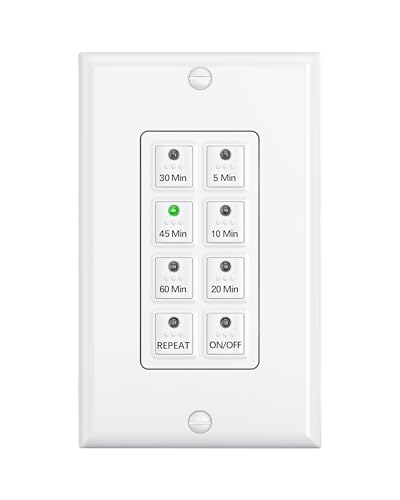
✓ Simple One-Touch Control: Enjoy effortless operation with 6 preset countdown options (5, 10, 20, 30, 45, or 60 minutes). Simply press your desired time setting and BN-LINK countdown timer switch for lights automatically turns devices off after the selected duration—no programming required.

Countdown Timer Switch – Press a button to set a countdown time for your light or bedroom ceiling fan, heater, and bathroom exhaust fan. Never worry about wasting energy in unoccupied rooms

CONVENIENT – replace your current wall switch with a countdown timer to automate fan/motor loads and lights. Four preset time buttons, press to turn on and automatically turns off when time expires
Kitchen Steam Control
Run the range hood or kitchen exhaust fan while cooking and for several minutes afterward. Use lids on pots, especially when boiling water, simmering soups, steaming vegetables, or frying. If your range hood only recirculates air through a filter, it may reduce odors and grease but it will not remove moisture outdoors.
- Cover pots and pans whenever practical.
- Use the back burners if your range hood captures them better.
- Run the dishwasher’s dry cycle only if it vents properly and does not dump steam into the room.
- Vent clothes dryers outdoors and clean the lint path regularly.
- Avoid drying laundry indoors unless you also run a dehumidifier and can keep RH in range.
Pro Tip: If the kitchen humidity jumps after every meal, place a hygrometer away from the stove and watch how long it takes to return below 50%. If it stays high for hours, improve exhaust or add short-term dehumidification nearby.
Bathroom Moisture Removal
Run the bathroom fan during every shower or bath. The Home Ventilating Institute recommends leaving the fan on for 20 minutes after bathroom use. A timer switch or humidity-sensing fan helps because people often turn the fan off too soon.
Fan size matters. For many bathrooms, HVI recommends a 50 CFM minimum for bathrooms 50 sq. ft. or smaller and about 1 CFM per sq. ft. for 50–100 sq. ft. bathrooms. Larger bathrooms need additional capacity based on fixtures such as showers, tubs, toilets, and jetted tubs.
- Squeegee shower walls and glass after bathing.
- Hang towels flat so they dry quickly.
- Keep the fan grille clean and free of lint.
- Make sure the fan vents outdoors, not into an attic or crawl space.
- Leave the bathroom door slightly open after showering if privacy and household layout allow.
Warning: Do not place a standard portable dehumidifier where it can be splashed or sit on a wet floor. Use grounded outlets, keep drainage away from electrical connections, and follow the manufacturer’s bathroom and electrical-safety instructions.
Keep Living Areas Dry and Comfortable
Living rooms, hallways, home offices, and bedrooms usually do not create as much moisture as bathrooms or kitchens, but they can trap damp air if airflow is poor or outdoor humidity leaks inside.
Control Indoor Moisture
Keep windows and exterior doors closed when outdoor air is hot and humid. Run the air conditioner consistently during humid weather instead of letting indoor humidity climb all day and trying to fix it at night. Check weatherstripping around exterior doors and seal obvious gaps around windows, pipes, and utility penetrations.
Do not block supply or return vents with furniture, rugs, curtains, or storage boxes. Replace HVAC filters on schedule and keep condensate drains clear. If the AC cools the room quickly but humidity stays high, the system may be oversized, short-cycling, low on airflow, or overdue for maintenance.
Boost Air Circulation
Fans do not remove water vapor by themselves, but they help dry surfaces and move damp air toward ventilation or dehumidification. Keep interior doors open when practical. Pull furniture a few inches away from exterior walls and corners so air can move behind it.
Use portable fans in damp basements, laundry rooms, closets, and bathrooms only when there is also a way to remove moisture. Otherwise, a fan can simply move humid air to another part of the home.
Note: Opening windows helps only when outdoor air is drier than indoor air. In hot, humid weather, open windows can raise indoor humidity and make the AC or dehumidifier work harder.
Tackle Basement and Crawl Space Moisture
Basements and crawl spaces often stay damp because they are connected to soil, concrete, foundation walls, cold surfaces, and poor drainage. A dehumidifier helps, but it should not be the only fix if water is entering the structure.
Start outside. Clean gutters, extend downspouts away from the foundation, and make sure soil slopes away from the house. Inside, look for plumbing leaks, foundation cracks, damp framing, wet insulation, and condensation on cold pipes or ductwork.
- For basements: seal obvious air leaks, insulate cold pipes, keep storage off the floor, and use a dehumidifier with continuous drainage if the space is regularly damp.
- For crawl spaces: cover exposed soil with a durable vapor barrier, remove wet insulation, improve drainage, and seal major air leaks before relying on a dehumidifier.
- For finished lower levels: avoid carpet directly on damp slabs and check behind furniture, baseboards, and stored items for musty odors or staining.
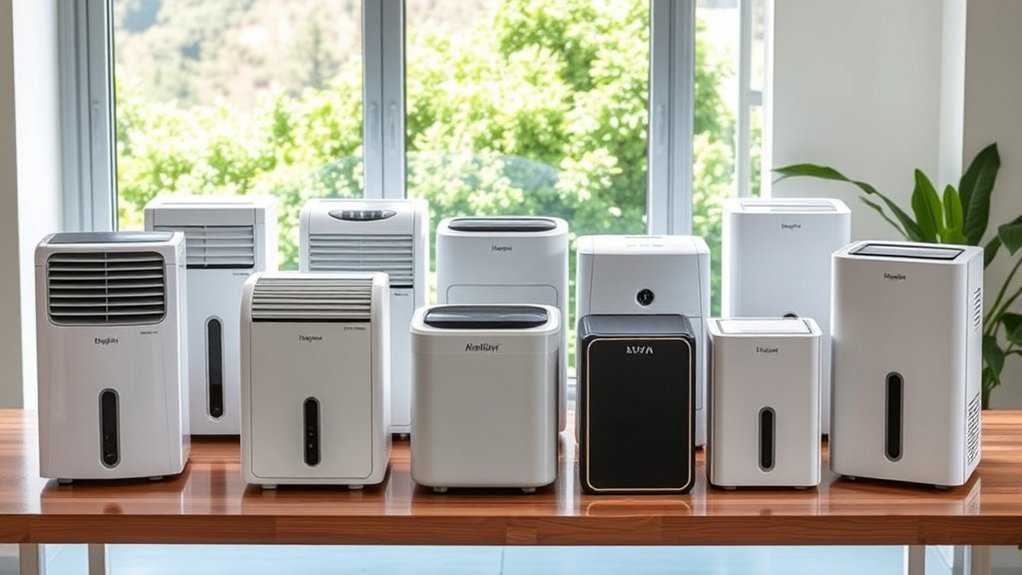
Choose a dehumidifier based on the size of the area, how damp it is, room temperature, drainage options, and manufacturer ratings. In cool basements, look for auto-defrost or low-temperature performance. ENERGY STAR notes that properly sized dehumidifiers and whole-home systems can improve comfort and moisture control, especially in homes where humidity stays high.
Warning: If you see standing water, sewage, widespread mold, wet electrical components, or mold covering more than a small area, stop and call a qualified professional before cleaning or running equipment.
Recommended Products

COMPLETE CRAWL SPACE ENCAPSULATION KIT – Covers up to 2,000 sq. ft. and includes 12 & 20 mil woven vapor barrier, vapor barrier seam tape, butyl tape, professional-grade sealant, and installation fasteners for a full moisture control system.

FULL CRAWL SPACE ENCAPSULATION KIT (UP TO 1,200 SQ. FT.) – All-in-one bundle designed to completely seal crawl spaces. Includes everything needed for a professional-grade installation without the cost of hiring a contractor.

Complete Crawl Space Barrier Kit – Includes a 10 ft x 100 ft 10 mil thick plastic sheeting (covers 1000 sq.ft) and a 2 in x 65 ft sealing tape, providing a convenient all-in-one solution for crawl space encapsulation and moisture control.
Use AC and Dehumidifiers Better
Your air conditioner removes some moisture as it cools, but it has to run long enough to pull moisture from the air. During humid months, steady operation usually works better than turning the system off for long periods and then trying to cool the home quickly.
Use a portable dehumidifier in rooms where humidity remains high even after source control and ventilation. Place it where air can circulate freely. Keep exterior doors and windows closed while it runs. Empty the bucket before it shuts off, or use a safe continuous-drain setup if the model allows it.
- Set the dehumidifier around 45%–50% RH for damp basements and problem rooms.
- Clean the filter and intake grille as the manufacturer recommends.
- Keep the unit away from dust, sawdust, and dirty storage areas that can clog coils.
- Check the drain hose for kinks, clogs, and tripping hazards.
- Do not run a refrigerant dehumidifier in temperatures below the model’s operating range.
If the whole house stays above 55% RH even with the AC running, consider an HVAC inspection. The cause may be poor airflow, dirty coils, duct leakage, an oversized AC, a blocked condensate drain, or the need for a whole-home dehumidifier.
Recommended Products

Semiconductor dehumidifiers use thermoelectric cooling to remove moisture from the air. They create a drier, more comfortable environment by reducing humidity and improving air quality.

Engineered with Dual Semiconductor Technology - Mecmic dehumidifier is designed with two semiconductor modules work together to remove moisture more efficiently than traditional single-semiconductor designs, up to 34 oz (1000 ml) of moisture per day under ideal conditions,helping your space feel fresher and more comfortable in less time. Specifically for bedrooms, bathrooms, closets, laundry rooms, RVs, and other compact areas.

【Efficient Dehumidification】With 360° dual cooling semiconductor technology, the dehumidification area reaches up to 650sq ft. The Levoair safe dehumidifier with 2000ml(68oz)water tank could absorb up to 35oz (1000ml) of moisture per day in a humid environment (Temperature: 86°F, Humidity: 80%RH) and keep moisture below 45%. Say goodbye to humidity!
Fix Leaks and Everyday Moisture Sources
Humidity control gets easier when you stop adding unnecessary moisture. Repair plumbing leaks, roof leaks, basement seepage, and dripping fixtures quickly. Even a slow leak can keep nearby materials damp enough for mold and odor problems.
| Source | Action | Result |
|---|---|---|
| Leaky fixtures | Repair promptly | Prevents constant moisture |
| Roof and basement leaks | Inspect after storms | Stops hidden dampness |
| Gutters and downspouts | Clean and redirect water | Reduces foundation seepage |
| Crawl-space soil | Install a vapor barrier | Blocks ground moisture |
| Indoor clothes drying | Dry outdoors or vent properly | Lowers indoor vapor load |
Also shorten very hot showers, cover aquariums when safe for the setup, avoid overusing humidifiers, and keep appliance drip pans clean. Small habits matter because humidity is cumulative: every moisture source adds to the load your fans, AC, and dehumidifier must remove.
Room-by-Room Troubleshooting Checklist
If humidity stays high after basic fixes, use the symptom to find the likely cause.
| Problem | Likely Cause | Best Fix |
| Bathroom mirror stays foggy for a long time | Fan is off too soon, undersized, dirty, or not venting outdoors | Run fan during use and 20 minutes after; clean grille; verify ducting; upgrade fan if needed |
| Windows sweat in bedrooms | High RH, cold glass, closed doors, or poor airflow | Measure RH, improve airflow, use AC/dehumidifier, and reduce nighttime moisture sources |
| Basement smells musty | Ground moisture, leaks, wet storage, or poor drainage | Fix drainage, remove damp items, seal leaks, and run a continuously drained dehumidifier |
| AC cools but house feels clammy | Short cycling, poor airflow, oversized system, dirty filter, or high outdoor air leakage | Change filter, check vents, seal leaks, and schedule HVAC service if RH stays above 55% |
When to Call a Professional
Some humidity problems are not do-it-yourself fixes. Call a qualified professional if you find:
- mold covering more than a small isolated area;
- standing water, sewage, floodwater, or repeated basement seepage;
- wet insulation, soft subflooring, or rotting wood;
- a bathroom fan that vents into an attic, soffit, wall cavity, or crawl space;
- electrical outlets, cords, or equipment near water;
- an AC system that cools poorly, leaks water, smells musty, or cannot keep RH below about 55%;
- roof leaks, foundation cracks, or drainage problems that keep returning.
For small surface mold, fix the moisture source first and follow safe cleaning instructions. For larger areas, contaminated water, or recurring growth, professional assessment is the safer choice.
Frequently Asked Questions
How do you dehumidify a room quickly?
Close exterior windows and doors, stop the moisture source, run exhaust ventilation if the room has it, turn on the AC, and place a properly sized dehumidifier where air can circulate. Empty the tank, clean the filter, and keep interior doors positioned based on your goal: closed for one-room drying, open for whole-home balancing.
Should you use a dehumidifier if you have COPD?
A dehumidifier may help if your indoor humidity is consistently high because damp air can support mold and dust mites. Keep humidity in a moderate range, often around 30%–50%, and avoid making the air overly dry. If you have COPD, asthma, or another breathing condition, ask your clinician what indoor humidity range is best for your symptoms.
What is the best indoor humidity for eczema?
Many people with eczema do better when indoor air is not extremely dry or excessively damp. A practical home target is usually 30%–50% RH, which also helps limit mold risk. If your skin flares in dry winter air, ask a dermatologist whether controlled humidification is appropriate for you.
Can a dehumidifier help with snoring?
A dehumidifier may help only if high humidity is worsening congestion, mold, or dust mite exposure in the bedroom. It is not a cure for snoring. Loud snoring, choking or gasping during sleep, morning headaches, or daytime sleepiness can signal sleep apnea and should be discussed with a healthcare professional.
Is 60% humidity too high indoors?
A short spike to 60% after a shower or cooking is common, but humidity should not stay there. For mold prevention and comfort, bring the room back toward 30%–50% RH as soon as practical.
Do fans lower humidity?
Circulating fans do not remove moisture from the air. Exhaust fans can lower humidity when they move moist air outdoors, and ceiling or portable fans can help dry surfaces when paired with ventilation, AC, or a dehumidifier.
Should you open windows to lower humidity?
Open windows only when outdoor air is drier than indoor air. In hot, humid weather, open windows often make indoor humidity worse and force the AC or dehumidifier to work harder.
Where should you place a dehumidifier?
Place it in the damp area with space around the intake and discharge so air can move freely. Keep it away from walls, furniture, dust, splashing water, and electrical hazards. For basements, continuous drainage to a safe floor drain or sump can prevent shutoffs from a full bucket.
Conclusion
Lowering indoor humidity works best when you treat the cause, not just the symptom. Vent steam outdoors in bathrooms and kitchens, keep living areas sealed and circulating, control basement and crawl-space moisture, and use AC or dehumidifiers only after leaks and drainage problems are addressed. With a hygrometer, steady ventilation, clean equipment, and quick leak repair, you can keep each room drier, healthier, and more comfortable.
Sources
- U.S. Environmental Protection Agency — Mold Course Chapter 2 — backs up indoor humidity targets, condensation guidance, and moisture sources.
- Centers for Disease Control and Prevention — You Can Control Mold — backs up keeping humidity no higher than 50%, using exhaust fans, fixing leaks, and drying wet materials quickly.
- Home Ventilating Institute — Bathroom Ventilation — backs up running bathroom fans after use and placing exhaust points near moisture sources.
- Home Ventilating Institute — Bathroom Exhaust Fans — backs up bathroom fan CFM sizing guidance.
- ENERGY STAR — Dehumidifiers — backs up dehumidifier placement, safety, maintenance, and whole-home humidity-control guidance.
- Mayo Clinic — Snoring Diagnosis and Treatment — backs up the note that snoring can need medical evaluation and is not solved by humidity control alone.