
Affiliate disclosure: As an Amazon Associate I earn from qualifying purchases. This article contains affiliate links to Amazon, so we may earn a commission if you buy through them, at no extra cost to you.
The best body-positive books for 2026 center self-acceptance, anti-diet thinking, and credible support. Strong picks include *Your Body Is Not an Apology Workbook*, *Lessons from the Fat-o-sphere*, *Happy Fat*, *Health at Every Size*, and *Hunger*. Titles like *Things No One Will Tell Fat Girls*, *FAT!SO?*, and *What We Don’t Talk About When We Talk About Fat* add practical insight and social critique. More helpful details follow below.
Your Body Is Not an Apology Workbook: Tools for Living Radical Self-Love
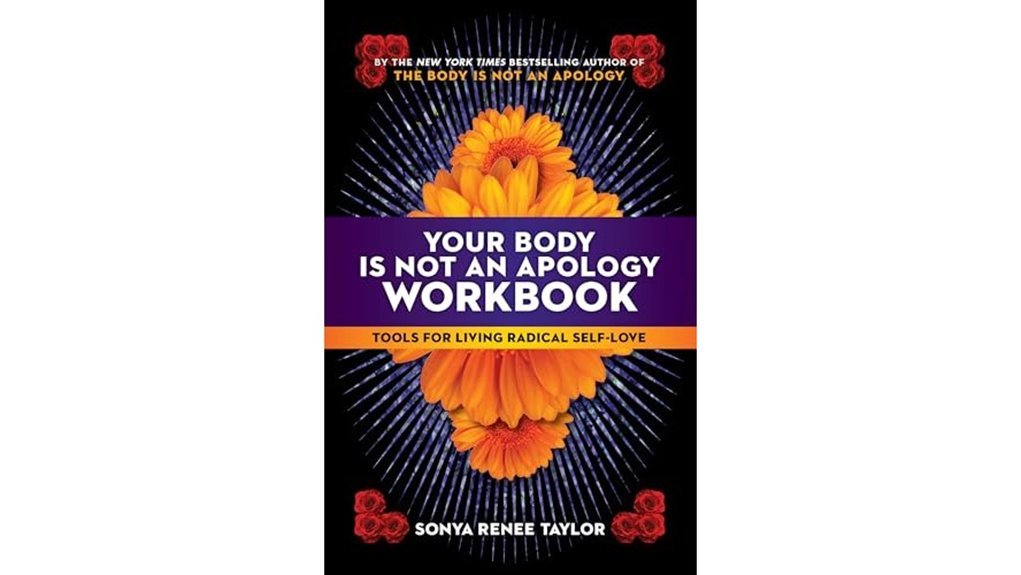
*Your Body Is Not an Apology Workbook: Tools for Living Radical Self-Love* stands out for readers seeking a practical, guided approach to body acceptance, with its workbook format offering exercises and tools for building radical self-love. Published by Berrett-Koehler Publishers under the Berrett-Koehler brand, this 176-page paperback edition was released on March 16, 2021. Its black cover and workbook classification signal a hands-on, structured resource rather than a purely reflective text. As a book, it is positioned for readers who want an active method for challenging shame and strengthening self-acceptance through guided practice.
Best For: Readers who want a hands-on workbook for practicing body acceptance, challenging shame, and building radical self-love through guided exercises.
Pros:
- Workbook format provides structured exercises and practical tools.
- 176-page paperback edition is accessible and easy to use.
- Focuses on active self-acceptance rather than only reflection.
Cons:
- Less suitable for readers looking for a purely narrative or theoretical book.
- Workbook style may feel too guided for those who prefer open-ended reading.
- Black, paperback format offers no special visual or premium features.
Lessons from the Fat-o-sphere: Truce with Your Body
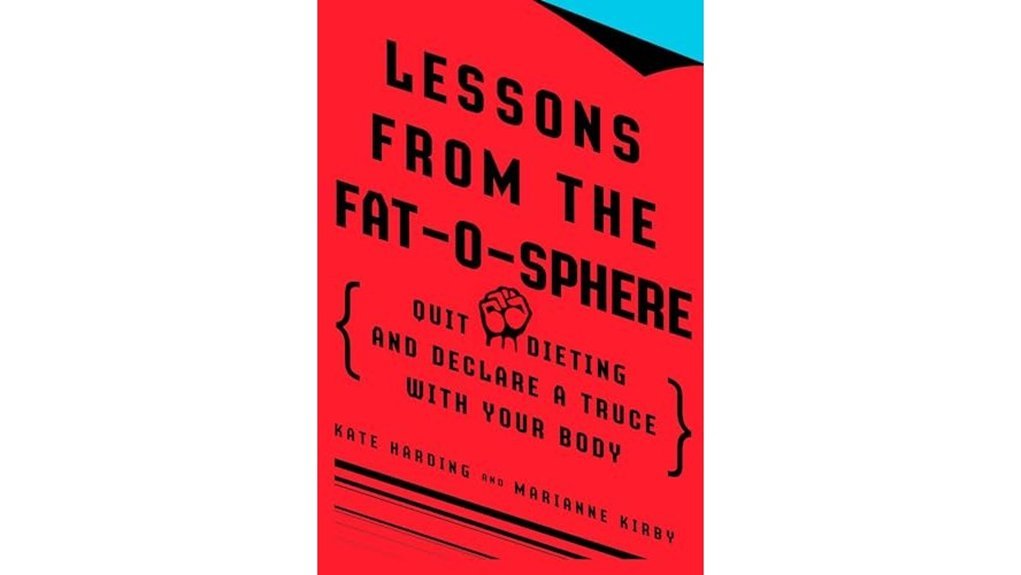
Lessons from the Fat-o-sphere: Quit Dieting and Declare a Truce with Your Body suits readers seeking a supportive alternative to diet culture. Published by Tarcher in 2009 as a 272-page paperback, it centers body positivity, self-acceptance, and resistance to conventional weight-loss rules. Drawing on personal experience and community narratives, the book presents varied voices from the fat acceptance movement. It also links body image to mental health, arguing that dieting often harms well-being. Rather than chase thinness, it encourages a calmer relationship with food, body, and self, while rejecting social pressure and prioritizing health.
Best For: Readers seeking a body-positive, anti-diet perspective that emphasizes self-acceptance, mental well-being, and support from the fat acceptance community.
Pros:
- Offers a supportive alternative to traditional dieting and weight-loss culture.
- Draws on personal experience and community voices for relatable insight.
- Encourages healthier body image, food relationships, and mental well-being.
Cons:
- May not appeal to readers looking for a conventional diet or weight-loss plan.
- Its focus on body positivity may feel too ideological for some audiences.
- Older publication date may mean some references or viewpoints feel less current.
Happy Fat: Taking Up Space in a World That Wants to Shrink You
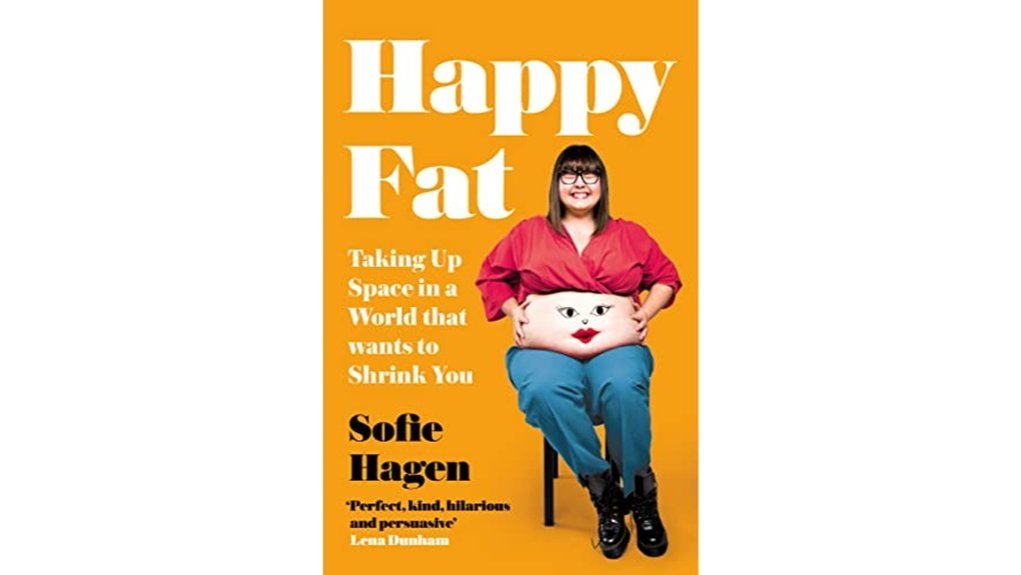
*Happy Fat: Taking Up Space in a World That Wants to Shrink You* is best for readers seeking honest, body-positive empowerment. Published by Fourth Estate as a 336-page paperback reprint in 2021, it presents a direct case for body acceptance and fat liberation. Drawing from personal experience, it challenges restrictive beauty standards and social pressures that police size. Its perspective connects with readers interested in social justice, mental health, and self-acceptance. The book encourages dialogue about body diversity while affirming the right to exist visibly and without apology in a culture that often demands invisibility.
Best For: Readers seeking body-positive empowerment, fat liberation, and thoughtful reflection on self-acceptance and social justice.
Pros:
- Offers a direct, honest perspective on body acceptance and challenging beauty standards.
- Encourages confidence, self-acceptance, and taking up space without apology.
- Resonates with readers interested in mental health, diversity, and body-image activism.
Cons:
- Its focus on body positivity and fat liberation may not appeal to all readers.
- The personal, advocacy-driven approach may feel less useful to those wanting a more neutral self-help book.
- Readers looking for light entertainment or broad general advice may find its themes more specialized.
Health At Every Size: The Surprising Truth About Your Weight
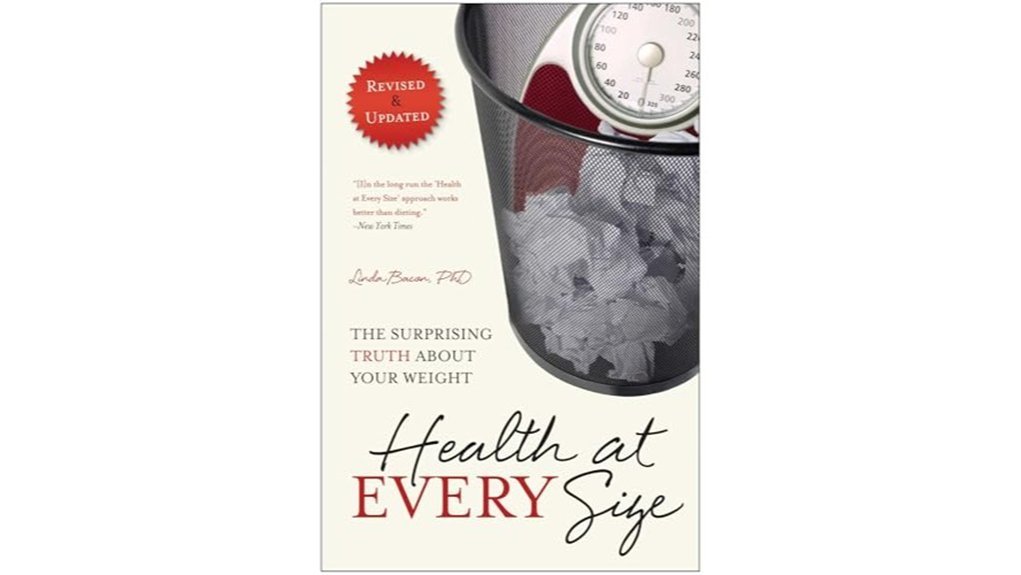
*Health At Every Size: The Surprising Truth About Your Weight* suits readers seeking a practical, body-positive approach to weight and wellness. Published by BenBella Books in its second paperback edition on May 4, 2010, this 400-page book presents a weight-focused topic through a health-centered lens. Its white cover and used good condition make it a straightforward addition for readers and collectors alike. The title suggests a challenge to conventional weight narratives, appealing to those interested in sustainable well-being rather than restrictive ideals. As a product group book, it fits neatly within body-positive reading lists.
Best For: Readers seeking a body-positive, health-centered perspective on weight and wellness, especially those interested in a practical alternative to restrictive diet culture.
Pros:
- Offers a health-focused approach that challenges conventional weight narratives.
- Second paperback edition with 400 pages, providing substantial reading content.
- Used good condition makes it a budget-friendly option for readers and collectors.
Cons:
- The book is an older 2010 edition, so some information may feel dated.
- Used condition may show signs of wear compared with a new copy.
- Focuses on a specific perspective that may not appeal to readers wanting a traditional weight-loss guide.
Hunger: A Memoir of (My) Body
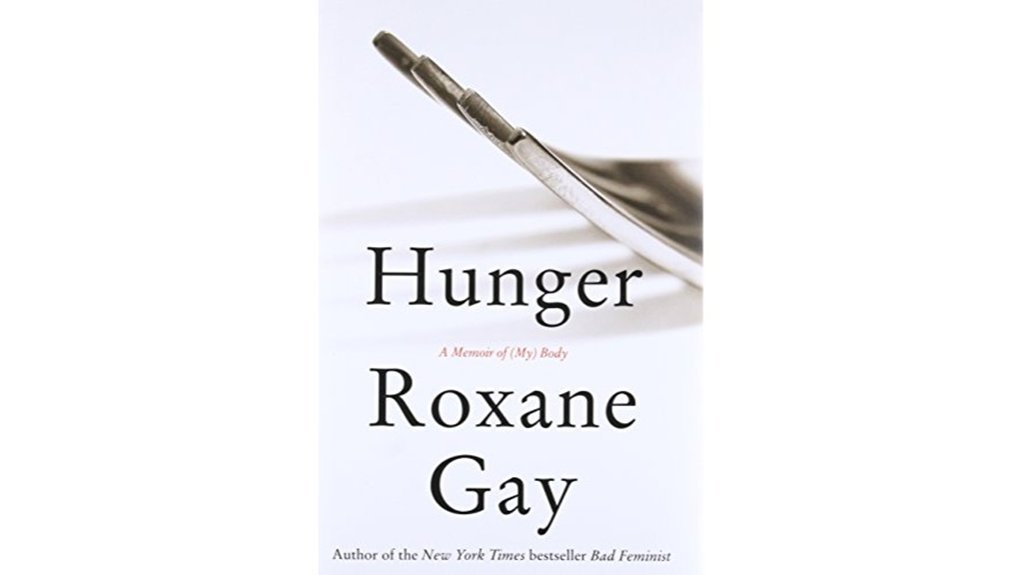
Harper’s hardcover memoir, published in 2017, suits readers seeking an honest body-image narrative. Hunger: A Memoir of (My) Body, by Harper, appears as a 320-page first edition that frames embodiment with directness rather than polish. Its title signals an intimate examination of appetite, identity, and physical self-perception, making it relevant for body-positive reading lists. The hardcover format gives it a substantial presence on the shelf, while the memoir structure invites reflection on lived experience. Readers looking for a serious, personal account of body image may find this book especially resonant in 2026.
Best For: Readers seeking a candid, memoir-style exploration of body image, identity, and embodiment in a hardcover edition.
Pros:
- Honest, personal narrative about body image and self-perception
- Hardcover first edition with a substantial 320-page format
- Likely appeals to readers interested in reflective, body-positive memoirs
Cons:
- Focused on a specific theme, so it may not suit readers wanting lighter reading
- Memoir style may feel too personal or introspective for some
- Hardcover format can be less convenient or affordable than paperback editions
Fat and Queer: An Anthology of Queer and Trans Bodies and Lives
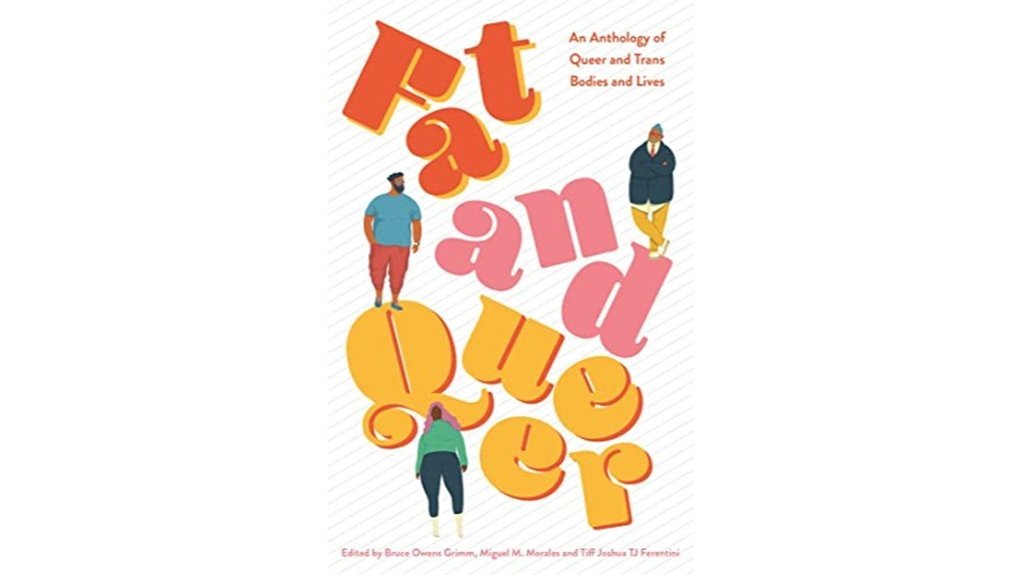
*Fat and Queer: An Anthology of Queer and Trans Bodies and Lives* is best for readers seeking intersectional body-positivity. Published by Jessica Kingsley Publishers on May 21, 2021, this 336-page paperback gathers diverse narratives centered on queer and trans experiences of fatness, embodiment, and identity. The anthology highlights representation without simplifying lived realities, offering a range of voices that challenge narrow beauty standards. Its strength lies in connecting body acceptance with sexuality and gender, making it a useful addition for readers interested in inclusive, affirming perspectives on self-image, community, and visibility.
Best For: Readers looking for an intersectional, affirming anthology that explores fatness, queerness, and trans identities through diverse personal narratives.
Pros:
- Centered on queer and trans experiences with a strong intersectional lens
- Promotes body positivity, representation, and self-acceptance
- Offers a variety of voices and perspectives without oversimplifying lived realities
Cons:
- Its focus is specialized, so it may not appeal to general readers
- Anthology format can feel uneven in style or depth across contributions
- Readers seeking a practical guide rather than reflective essays may find it less direct
VERYFAT VERYBRAVE: Fat Girl’s Guide to Being Brave
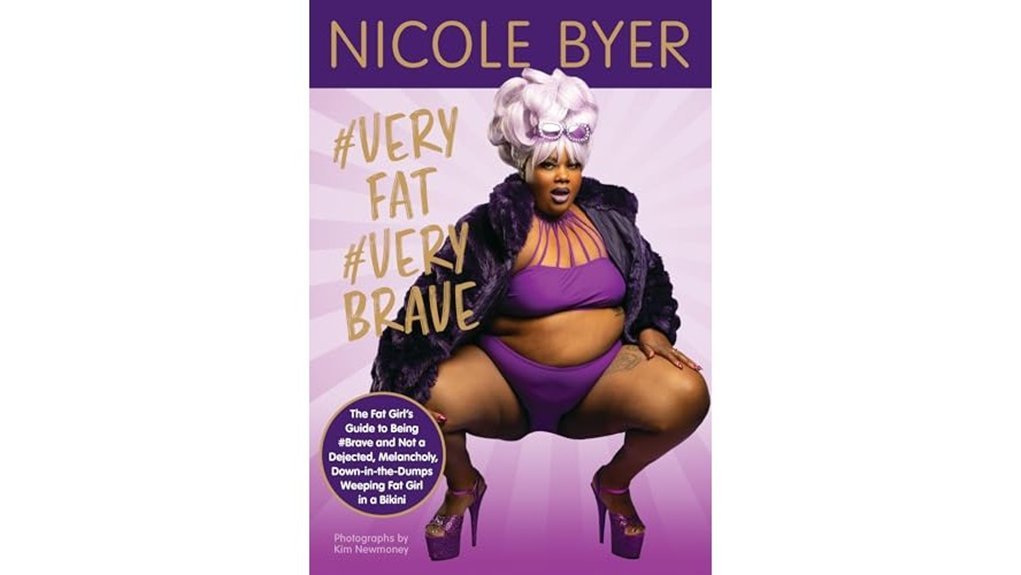
#VERYFAT #VERYBRAVE: The Fat Girl’s Guide to Being #Brave is best for plus-size women seeking confidence and self-acceptance. Published by Andrews McMeel in 2020 as a 192-page paperback, it uses humor and personal anecdotes to confront body image pressures. The book encourages readers to reject demeaning stereotypes and embrace bravery in everyday life, including moments of visibility such as wearing swimwear. Its detached, affirming tone frames self-love as an act of courage rather than compliance, making it a practical body-positive read for those seeking reassurance, resilience, and a more compassionate relationship with their bodies.
Best For: Plus-size women looking for a humorous, affirming guide to body positivity, self-acceptance, and building everyday confidence.
Pros:
- Uses humor and personal anecdotes to make body-image challenges feel relatable and approachable.
- Encourages bravery and self-love in a compassionate, nonjudgmental tone.
- Offers practical encouragement for embracing visibility, including wearing swimwear.
Cons:
- Its highly specific focus on plus-size women may not appeal to a broader audience.
- The conversational, anecdotal style may feel light if you want a more in-depth self-help resource.
- The title and framing may come across as intentionally edgy or provocative for some readers.
The Body Is Not an Apology, Second Edition: The Power of Radical Self-Love
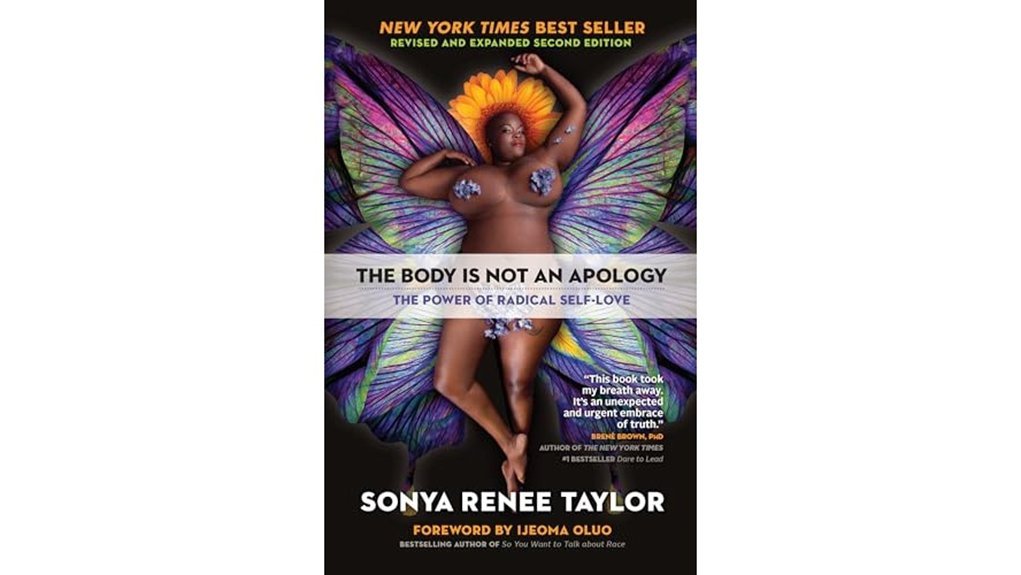
With practical exercises and reflections, this second edition suits readers seeking radical self-love and personal growth. The Body Is Not an Apology, Second Edition: The Power of Radical Self-Love, published by Berrett-Koehler in 2021, presents a concise 176-page paperback centered on body positivity and self-acceptance. Its engaging narrative style supports readers drawn to social justice and self-empowerment. Rather than offering abstract theory alone, it combines personal insight with actionable prompts, making it a practical choice for reflective reading. The book’s focus on radical self-love gives it lasting relevance within contemporary body-positive literature.
Best For: Readers seeking radical self-love, body positivity, and a practical, reflective approach to personal growth and self-empowerment.
Pros:
- Engaging narrative style makes the book approachable and easy to read.
- Includes practical exercises and reflections for active self-work.
- Concise 176-page paperback format is quick and accessible.
Cons:
- Its focus on self-reflection may feel too personal for readers wanting a more academic treatment.
- Short length may not provide as much depth as some readers expect.
- Strong emphasis on body positivity and social justice may not appeal to everyone.
Things No One Will Tell Fat Girls: A Handbook for Unapologetic Living
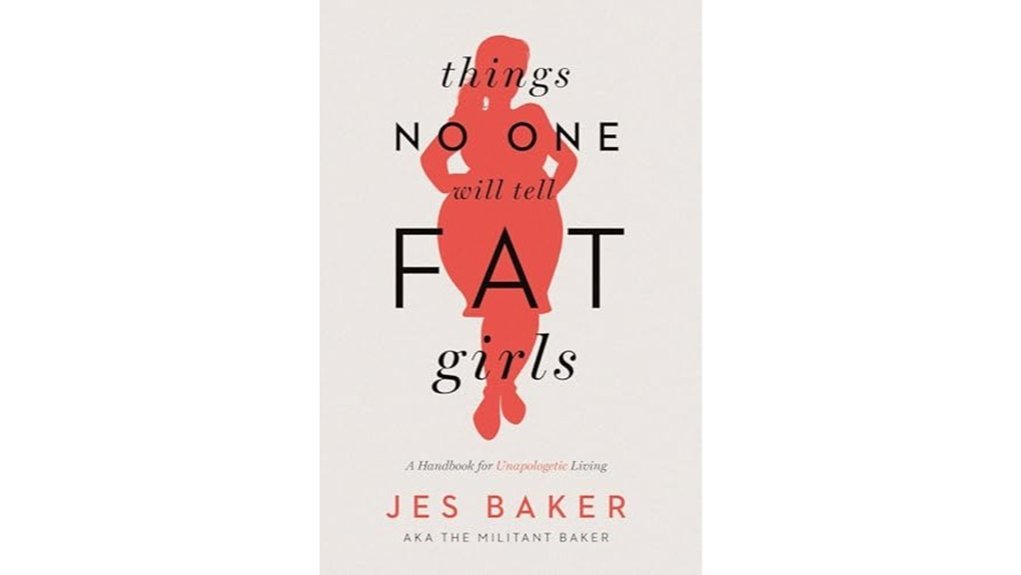
Things No One Will Tell Fat Girls is best for readers seeking direct, affirming guidance on unapologetic living. This 256-page illustrated paperback from Seal Press, published in 2015, centers fat women and others seeking support against stigma. It combines personal anecdotes with practical advice for handling social situations, strengthening self-image, and resisting narrow beauty standards. The book addresses body image with candor, emphasizing confidence, resilience, and self-acceptance. Its perspective challenges conventional expectations while encouraging body diversity. For readers wanting a frank, supportive handbook, it offers steady, useful encouragement without softening its message.
Best For: Readers seeking direct, affirming guidance on unapologetic living, especially fat women and others looking for support against body stigma.
Pros:
- Offers frank, supportive advice with a clear pro-body-diversity perspective
- Combines personal anecdotes with practical strategies for real-life situations
- Encourages self-acceptance, confidence, and resilience without softening its message
Cons:
- Its direct, candid tone may not suit readers wanting a gentler approach
- The focus is specifically centered on fat women, which may feel narrow for some audiences
- May be less appealing to those looking for a more academic or research-heavy discussion
FAT!SO? : Because You Don’t Have to Apologize for Your Size
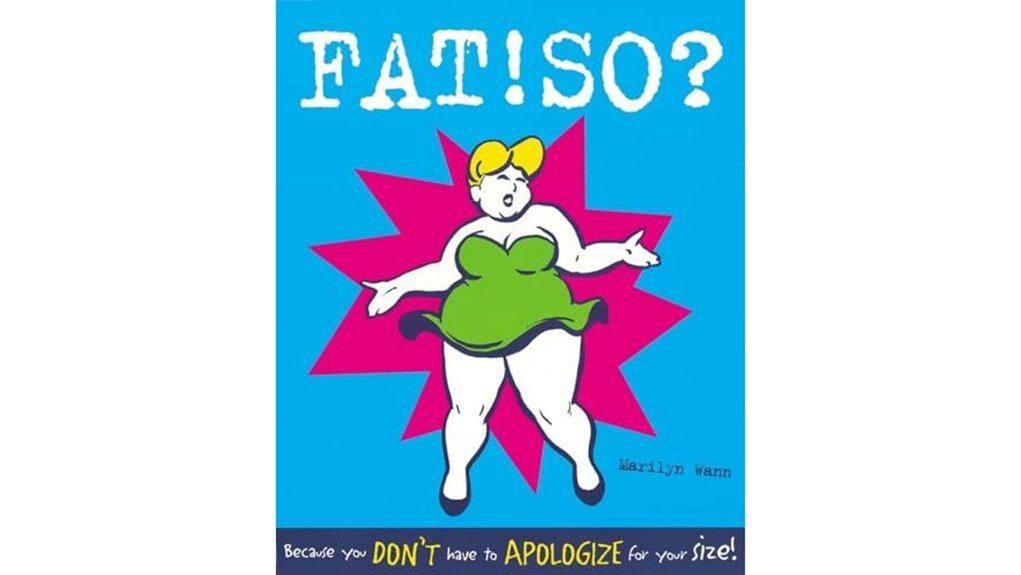
For readers seeking body-image empowerment, *FAT!SO? : Because You Don’t Have to Apologize for Your Size* offers a direct, affirming message. Published by Ten Speed Press in paperback, this 208-page book first appeared on December 1, 1998. Its sky-blue cover suggests a calm, welcoming tone, while its central purpose remains clear: to encourage self-acceptance without shame. The book speaks to individuals confronting body-image pressures and societal standards. As part of a broader movement for body diversity, it contributes to lasting conversations about health, identity, and the right to occupy space unapologetically.
Best For: Readers seeking body-image empowerment, self-acceptance, and an affirming perspective on size and societal standards.
Pros:
- Encourages self-acceptance and body positivity without shame.
- Offers a direct, supportive message for readers facing body-image pressure.
- Contributes to broader conversations about body diversity and identity.
Cons:
- Its subject matter is specific, so it may not appeal to all readers.
- Published in 1998, so some references or perspectives may feel dated.
- Primarily focused on empowerment and messaging, with less emphasis on broad practical guidance.
What We Don’t Talk About When We Talk About Fat
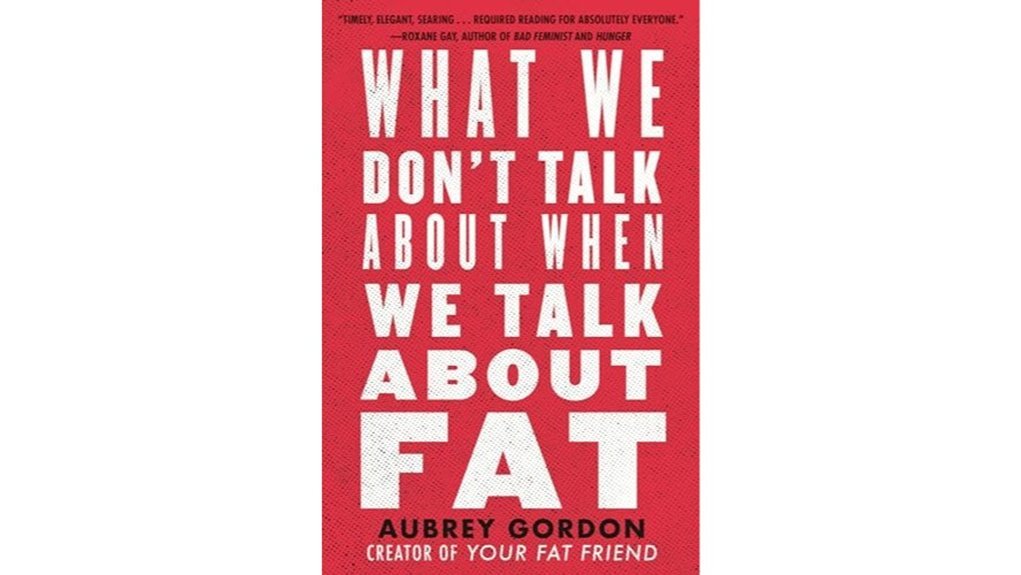
What if body positivity began with unpacking fat bias itself? What We Don’t Talk About When We Talk About Fat, published by Beacon Press on November 16, 2021, offers that exact starting point. In paperback, the 208-page book invites readers to examine how fatness is framed, ignored, and misunderstood in public life. Its brown cover and Beacon Press imprint mark it as a serious nonfiction work rather than a trend piece. As a body-positive selection, it fits a list focused on books that challenge assumptions and broaden the conversation around size, dignity, and visibility.
Best For: Readers interested in body positivity, fat studies, and nonfiction that challenges cultural bias around size and self-worth.
Pros:
- Thought-provoking exploration of fat bias and how it shows up in public life
- Compact 208-page paperback format that’s easy to read and discuss
- Published by Beacon Press, giving it a credible nonfiction profile
Cons:
- Focused and academic in tone, which may not suit readers looking for light reading
- Centered on a specific social topic, so it may have limited appeal outside body image and social justice interests
- Paperback format may feel less durable than a hardcover edition
Factors to Consider When Choosing 10 Body-Positive Books to Read Before Making a Weight-Loss New Year’s Resolution: Useful Products and Buying Tips

Selecting 10 body-positive books before a weight-loss New Year’s resolution starts with checking how clearly each title supports body positivity and self-acceptance. The author’s perspective, publication details, format, and length also help determine whether a book fits the reader’s needs and reading habits. Publisher reputation can further signal editorial quality and whether the content aligns with thoughtful, credible body-positive messaging.
Body Positivity Themes
When choosing body-positive books to read before making a weight-loss New Year’s resolution, readers often look for titles that center self-acceptance, challenge narrow beauty standards, and promote respect for all body sizes and shapes. Effective selections usually reject diet culture and shift attention toward mental health, well-being, and a more peaceful relationship with food. Many titles explore radical self-love, framing body acceptance as a deliberate refusal of unrealistic appearance rules. Strong body-positive works also include personal narratives and community perspectives that reflect race, gender, sexuality, and other intersecting identities. Humor and practical guidance can make difficult topics more approachable, offering strategies for confidence and resilience. Together, these themes help readers consider body image through a broader, more compassionate lens rather than through restriction or shame.
Author Perspective
An author’s perspective can strongly shape the value of body-positive books, especially when the writer draws on lived experience to offer honest insight into body acceptance and self-love. Personal narratives often feel more credible because they reflect real struggles with shame, recovery, and growth. Diverse authors also broaden the discussion by showing how body image intersects with race, gender, disability, and class, making the movement more inclusive. Many writers stress the mental health costs of beauty standards, redirecting attention toward well-being rather than appearance. Their stories can create a sense of community, reassuring readers that isolation is not inevitable. Clear, engaging prose, sometimes paired with reflective exercises, further helps readers examine beliefs, challenge habits, and build a more compassionate relationship with their bodies.
Publication Details
Publication details can be just as important as an author’s viewpoint when choosing body-positive books. A recent publication date helps guarantee the material reflects current conversations about body positivity, self-acceptance, and changing cultural norms. The edition should also be checked, since newer editions may add revised insights, exercises, or reflections that strengthen the reader’s experience. Publishers matter as well; established names often signal careful editing and dependable quality in books on related themes. Buyers may also note the number of pages, which can hint at whether a title offers broad exploration or a more focused message. Finally, the binding type deserves attention, with paperback favoring portability and hardcover offering greater durability for repeated use and long-term keeping.
Format And Length
Format and length can shape how approachable a body-positive book feels, just as much as its publication details. A shorter title of about 176 pages may suit readers seeking quick, focused guidance, while books reaching 400 pages often allow fuller reflection and broader narratives. Paperback editions can be especially practical because they are lighter, easier to carry, and convenient for reading in transit or during breaks. Workbook-style options add value by pairing ideas with exercises, encouraging active use of body-positive principles. Illustrated editions may also deepen engagement through visual cues that make concepts feel more accessible. Different combinations of format and length support different schedules, attention spans, and learning styles, helping readers choose between a brief introduction and a more thorough exploration of body positivity.
Publisher Reputation
Publisher reputation can offer a useful shortcut when selecting body-positive books, since established presses often have a track record of publishing well-researched titles that reflect body-positive values. Reputable publishers usually maintain strict editorial standards, which helps guarantee that authors present credible information and varied viewpoints. Their lists often include works shaped by social justice and inclusivity, signaling a stronger alignment with body-positive movements. A strong reputation may also increase a title’s presence in bookstores and libraries, making it easier to locate. In many cases, books from respected presses receive endorsements from experts, adding another layer of trust. For readers comparing options, publisher credibility can serve as a practical marker of quality, reliability, and consistent commitment to affirming content.
Audience Fit
Audience fit matters because body-positive books are not all written for the same reader. Some titles are designed for people seeking general empowerment around body image, while others speak more directly to women, LGBTQ+ readers, or additional communities with distinct experiences. A strong match often depends on whether the book reflects diverse perspectives and mirrors the reader’s own feelings about self-acceptance. It also helps when the content emphasizes personal growth and mental health, since these themes can influence body image in a meaningful way. Author insight matters too; lived experience can add credibility and relatability. Books that include practical guidance for handling societal pressure may suit readers looking for support while reevaluating weight-loss goals and resolutions.
Practical Takeaways
When selecting 10 body-positive books before making a weight-loss New Year’s resolution, readers often benefit from focusing on titles that reinforce self-acceptance rather than dieting pressure. Books centered on body positivity and self-acceptance can offer empowering narratives that challenge beauty standards and support mental well-being. Titles emphasizing personal growth over weight loss may be more useful, especially when they encourage healthier relationships with food and body image instead of restrictive dieting. Diverse voices within the body acceptance movement can broaden understanding and empathy. It is also practical to choose books with exercises or reflection prompts, since these help translate ideas into daily habits. Readings that foster community support and dialogue may further strengthen belonging, making the process feel less isolating and more sustainable.
Frequently Asked Questions
Which Body-Positive Books Are Best for Teens in 2026?
For teens in 2026, The Body Is Not an Apology, Dumplin’, and Fat Chance, Charlie Vega are strong choices; each offers empathetic, age-relevant body-positive themes, relatable characters, and constructive perspectives on self-acceptance.
Are There Body-Positive Books Focused on Men’s Experiences?
Yes—there are body-positive books centered on men’s experiences, and they open like a door in a long-locked hallway. They explore body image, masculinity, shame, self-acceptance, and media pressure with uncommon honesty.
Which Books Combine Body Positivity With Mental Health Support?
Books that combine body positivity with mental health support include Sonya Renee Taylor’s The Body Is Not an Apology, Brené Brown’s The Gifts of Imperfection, and Caitlin Boyle’s Operation Beautiful, offering compassion, resilience, and self-acceptance.
Are Any of These Books Available as Audiobooks?
Naturally, some are—because even books about self-acceptance now seek more ways to be heard. Availability varies by title and platform, so a quick search on Audible, Libro.fm, or library apps would confirm editions.
Which Titles Are Easiest for Beginners to Start With?
Beginners may find titles with clear, supportive language and practical reflections easiest, especially gentle memoirs and introductory body-acceptance guides. These usually feel less intimidating, offering accessible entry points before deeper or more challenging works.
Conclusion
These body-positive books offer a powerful path toward peace, pride, and personal permission. Through bold stories and brilliant insights, they challenge shame, celebrate size, and strengthen self-worth. Readers seeking self-acceptance may find fresh freedom in these thoughtful titles, each one a reminder that bodies deserve respect, not resentment. As the new year nears, these pages provide a promising pause from perfection and a positive push toward profound self-love.