
If you are shopping for night vision goggles, it helps to know that many products sold under that search term are actually handheld monoculars or binocular-style digital viewers. The two options below are designed for nighttime wildlife observation, property checks, camping, and general low-light viewing, but neither is a true head-mounted, hands-free night vision system.
Focus on the features that affect real use: night viewing range, infrared illumination, magnification, recording quality, battery type, portability, and connectivity. The Bushnell Equinox Z2 is the stronger fit if Wi-Fi streaming and smartphone integration matter, while the JStoon B082PXZNNZ is a simpler digital infrared binocular for users who want straightforward 1080p recording and adjustable IR.
This roundup is reader-supported. When you click qualifying Amazon links, we may earn a referral commission at no additional cost to you.
Quick Verdict
Choose the Bushnell Equinox Z2 if you want a 4.5×40 digital monocular with Wi-Fi/app integration, 1080p recording, tripod compatibility, and a compact 22-ounce design. Choose the JStoon if you prefer binocular-style handheld viewing, adjustable infrared illumination, 1080p recording, and simple controls without paying primarily for smartphone connectivity.
Top Picks
|
Category |
Product |
Why It Fits |
|---|---|---|
|
🏆 Best for Wi-Fi Streaming |
1080p recording, Wi-Fi/app support, tripod mount, and 4.5×40 optics |
|
|
💰 Best for Simple Digital Recording |
1080p recording, adjustable IR, digital zoom, and straightforward handheld operation |
Selection Criteria
When comparing digital night vision devices, prioritize image type, usable magnification, infrared illumination, recording capability, power requirements, mounting options, weather resistance, and how comfortably the device fits your intended use. A model that works well from a tripod may not be ideal for constant handheld scanning, while a lightweight binocular-style viewer may be easier to carry but offer fewer connected features.
We also considered whether published specifications and manuals support the main selling claims. No hands-on testing is claimed here, so the recommendations focus on documented features, practical buyer needs, and clear limitations rather than unsupported performance promises.
Before You Buy
- These picks are handheld devices, not true head-mounted night vision goggles.
- Infrared performance changes with target size, distance, weather, reflective surfaces, and ambient light.
- Recording usually requires a compatible microSD card.
- Check current Amazon availability before relying on a model for an upcoming trip.
Bushnell Equinox
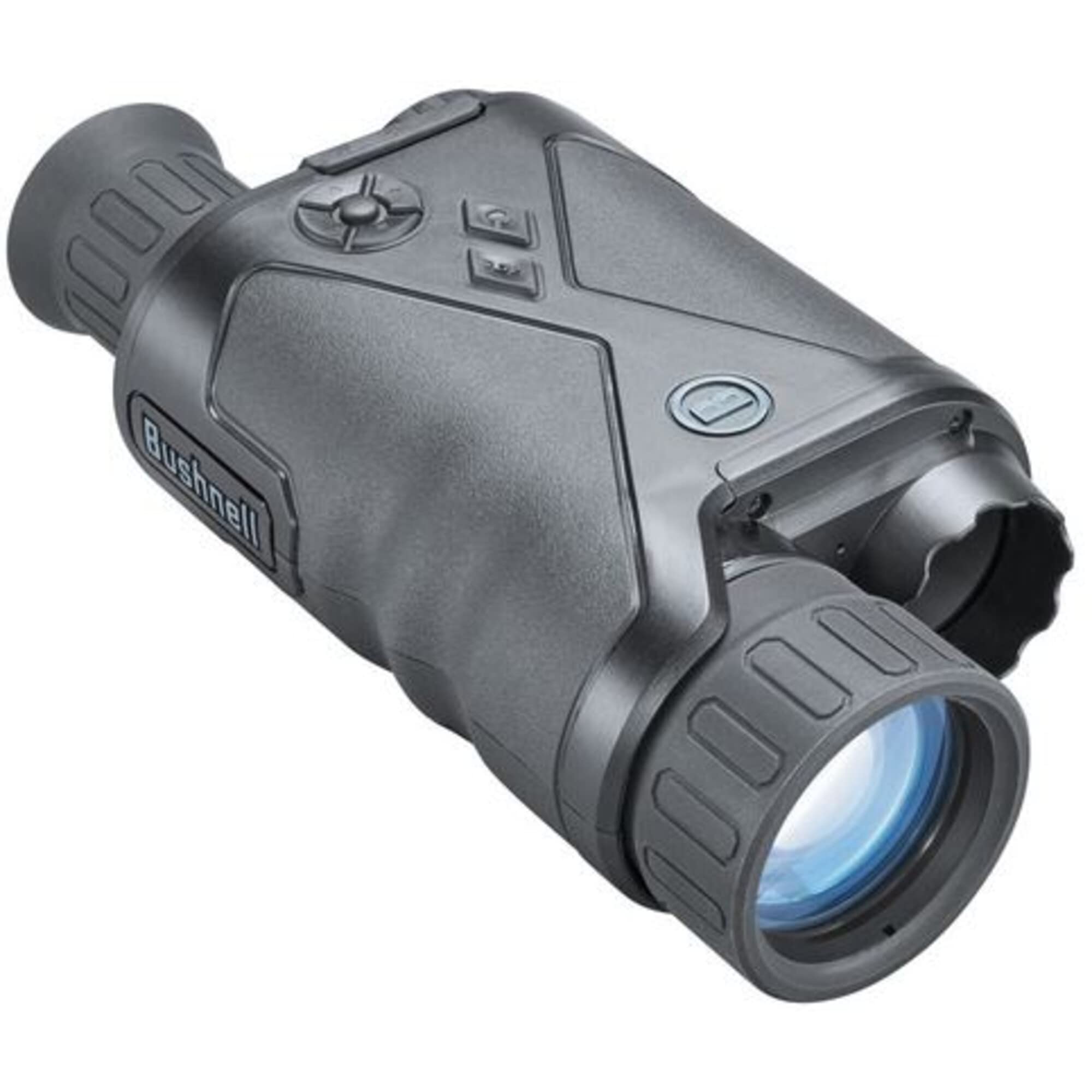
If you want a feature-rich digital night vision monocular, the Bushnell Equinox Z2 4.5×40 is the more connected option in this comparison. It combines 4.5x magnification and a 40mm objective with 1080p recording, Wi-Fi connectivity, microSD storage, and app support for live viewing and remote capture.
The 4.5×40 model is designed for handheld or tripod-mounted observation and uses four AA batteries. Bushnell lists the model at 22 ounces with IPX4 water resistance and a published 750-foot range for this specific configuration. That combination makes it better suited to wildlife observation, property checks, campsite scanning, and stationary nighttime viewing than to true hands-free use.
Best for: buyers who value smartphone integration, 1080p recording, a tripod mount, and a recognizable optics brand.
Who should avoid it: buyers specifically seeking head-mounted goggles, thermal imaging, or a device with an internal rechargeable battery.
What People Say
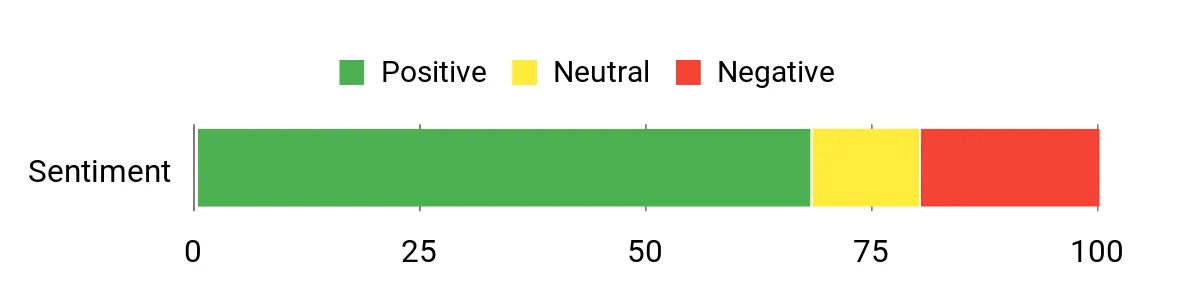
Buyer experience with digital night vision can depend heavily on expectations. The Equinox Z2 offers useful connected features and IR-assisted viewing, but it is still a digital monocular rather than an image-intensifier or thermal system. Check recent reviews on the retailer page for current feedback on display quality, app behavior, and battery consumption.
Review Note: Treat review sentiment as a snapshot rather than a fixed product specification.
|
Pros |
Cons |
|---|---|
|
✅ Wi-Fi/app support with 1080p photo and video capability |
❌ Handheld monocular rather than binocular or head-mounted goggles |
|
✅ Built-in infrared illumination for viewing in very low light and darkness |
❌ Requires four AA batteries, which are not included |
|
✅ Tripod compatibility for steadier observation |
❌ Does not detect heat signatures like a thermal imager |
|
✅ IPX4 water-resistance rating for light exposure to the elements |
❌ Availability can vary by seller and model configuration |
Long-Term Cost Benefits
The Equinox Z2 uses common AA batteries rather than a proprietary removable battery pack. That makes replacement batteries easy to source, although frequent IR and Wi-Fi use can increase ongoing battery costs. Bushnell lists a five-year warranty for the current Equinox Z2 line, which adds useful manufacturer support without relying on an unsupported lifetime-warranty claim.
Return On Investment
The strongest value comes from combining night viewing, 1080p recording, Wi-Fi connectivity, and tripod support in one device. It makes the most sense if you will actually use those connected features. If you only need occasional basic night observation, a simpler digital binocular may be more economical.
Situational Benefits
|
Situation |
How It Helps |
|---|---|
|
Backyard Wildlife Spotting |
Infrared-assisted digital viewing helps you observe animals when visible light is limited. |
|
Tripod-Mounted Observation |
The tripod mount can reduce hand movement during longer stationary viewing sessions. |
|
Smartphone Viewing |
Wi-Fi and the compatible app allow live viewing and remote capture from a phone or tablet. |
|
Nighttime Documentation |
1080p recording and microSD storage let you save observations without carrying a separate camera. |
Versatility
The Equinox Z2 can be used during changing light conditions and combines handheld viewing, tripod use, digital recording, and smartphone connectivity. It is not a thermal imager and should not be expected to locate heat signatures through vegetation, fog, or other visual obstructions the way thermal equipment can.
Safety Features
Use the device according to Bushnell’s operating instructions and never look directly at the sun through the night vision unit or another optical instrument. Its IPX4 rating provides limited water resistance, but it should not be treated as a fully waterproof or submersible device.
Durability
Bushnell describes the Equinox Z2 as ruggedly constructed and lists IPX4 water resistance. The current product line is also backed by a five-year warranty. Use a protective case during transport and keep the battery compartment and ports clean and dry.
Problem Solving Ability
This model is useful when you want to observe and document nighttime activity without carrying separate viewing and recording devices. Wi-Fi integration is particularly helpful when you want to view or capture footage from a smartphone while the monocular remains positioned on a tripod.
Travel Friendliness
At a listed 22 ounces, the 4.5×40 model is manageable for vehicle trips, camping, or short outdoor excursions. Remember that it requires four AA batteries and a microSD card if you want to save photos or videos.
Key Benefits
- 4.5x magnification with a 40mm objective lens
- 1080p recording with microSD storage
- Wi-Fi and app support for streaming and remote capture
- Tripod compatibility and IPX4 water resistance
- Four-AA power system with no proprietary battery required
Check Current Amazon Availability
JStoon Goggles

The JStoon B082PXZNNZ is a digital infrared night vision binocular aimed at buyers who want straightforward nighttime viewing and recording without Wi-Fi being the main attraction. The manual supports 1080p video recording, adjustable infrared illumination, manual focusing, tripod mounting, and digital zoom up to 4x.
Unlike newer rechargeable JStoon models, this exact ASIN uses six 1.5V alkaline batteries. That distinction is important because similarly named JStoon products can have different battery systems, displays, and recording resolutions.
Best for: recreational wildlife observation, camping, nighttime property checks, and users who want simple onboard photo/video recording.
Who should avoid it: buyers wanting a rechargeable internal battery, Wi-Fi streaming, true waterproofing, thermal detection, or head-mounted hands-free operation.
What People Say
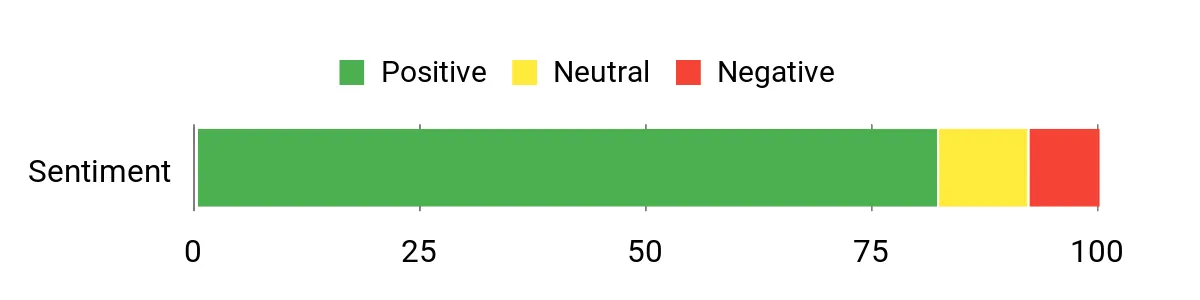
For this type of budget-oriented digital night vision device, buyer satisfaction often depends on realistic expectations about image detail, battery consumption, viewing distance, and screen-based operation. Check current Amazon reviews for the latest feedback rather than relying on an old fixed rating or review count.
Review Note: Compare recent user feedback with the documented manual specifications, especially because JStoon sells several similarly named night vision models.
|
Pros |
Cons |
|---|---|
|
✅ Records video at up to 1080p |
❌ Uses six 1.5V alkaline batteries rather than an internal rechargeable pack |
|
✅ Seven adjustable infrared illumination levels |
❌ Not a true head-mounted goggle system |
|
✅ Digital zoom up to 4x according to the manual |
❌ Should not be immersed in water |
|
✅ Supports tripod mounting and microSD recording |
❌ Infrared viewing is not designed to work effectively through glass |
Long-Term Cost Benefits
The JStoon does not require a proprietary rechargeable battery, but it does require six alkaline batteries. Budget for replacement batteries if you plan long or frequent nighttime sessions. A compatible memory card is also needed if you want to save photos and videos.
Return On Investment
This model makes the most sense for occasional users who want infrared-assisted night viewing and basic 1080p documentation without paying primarily for wireless connectivity. Buyers who use night vision frequently may prefer a model with a rechargeable power system to reduce recurring battery purchases.
Situational Benefits
|
Situation |
How It Helps |
|---|---|
|
Wildlife Observation |
Adjustable infrared illumination and manual focus help you adapt the view as target distance and ambient light change. |
|
Camping |
Handheld operation makes it easy to check the campsite or surrounding area without setting up separate lighting. |
|
Tripod Observation |
A 1/4-inch tripod connection allows steadier viewing when you plan to watch one area for longer periods. |
|
Recording Sightings |
Onboard photo and 1080p video modes let you document observations to a compatible memory card. |
Versatility
The JStoon covers the basic tasks most recreational digital-night-vision buyers need: handheld viewing, adjustable IR illumination, manual focus, digital zoom, tripod mounting, and photo/video recording. It does not provide thermal imaging or the direct optical view of an analog image-intensifier system.
Safety Features
Keep the unit dry and do not immerse it in water. The manual also notes that infrared night viewing is not intended to observe targets effectively through glass, so use it with a clear outdoor line of sight rather than expecting IR illumination to work through a closed window.
Durability
The housing is made for portable outdoor use, but the manual specifically warns against soaking the device. Store it in a protected, dry location and avoid treating it as waterproof unless the exact seller listing provides a verified ingress-protection rating for this ASIN.
Problem Solving Ability
This unit gives casual users one device for low-light viewing, infrared-assisted observation, digital zoom, and simple recording. Its controls and tripod option also make it useful when you want to observe one location without adding a separate camera.
Travel Friendliness
The binocular-style design is suitable for camping, vehicle trips, and short outdoor excursions, but remember to pack six compatible alkaline batteries plus spares if you expect extended use. A memory card is also necessary for recording.
Key Benefits
- Up to 1080p video recording
- Seven adjustable infrared illumination levels
- Digital zoom up to 4x
- Manual focus and tripod compatibility
- MicroSD photo and video storage
Check Current Amazon Availability
FAQ
Digital Versus Intensifier Versus Thermal — Which Is Right for You?
Choose based on the job rather than the marketing label. Digital night vision uses an electronic sensor and display and is often the easiest option for recording photos or video. Many digital models also use built-in infrared illumination to improve the image in very dark conditions.
Image-intensifier night vision amplifies available light and provides a more direct optical-style viewing experience. Performance varies significantly by generation and device quality. Thermal imaging detects heat instead of reflected visible or near-infrared light, making it a different technology for locating warm targets in darkness.
If recording and easy digital operation matter most, a digital unit such as the options in this guide is usually the more straightforward choice. If heat detection is the priority, shop specifically for thermal equipment instead.
Are These True Head-Mounted Night Vision Goggles?
No. The Bushnell Equinox Z2 is a handheld monocular and the JStoon B082PXZNNZ is a handheld digital night vision binocular. Neither should be described as a true head-mounted, hands-free goggle system.
If hands-free use is essential, look specifically for a model whose manufacturer documents a compatible head mount or helmet mount rather than assuming any product marketed with the word “goggles” can be worn on your head.
What Should I Know About Batteries and Runtime?
Battery type matters because infrared illumination and recording can increase power consumption. The Bushnell Equinox Z2 4.5×40 uses four AA batteries. The JStoon B082PXZNNZ manual specifies six 1.5V alkaline batteries.
Carry fresh spares for longer outings and follow the manufacturer’s battery instructions rather than assuming rechargeable cells are supported. Turn down or switch off infrared illumination when it is unnecessary, and remove batteries before long-term storage if recommended by the manual.
How Do I Choose Magnification and Field of View?
Higher magnification makes distant subjects appear larger, but it also makes hand movement more noticeable and can reduce how much of the scene you see at once. Lower magnification is generally easier when scanning or following moving wildlife.
The Bushnell model reviewed here uses 4.5x magnification with a 40mm objective. The JStoon listing identifies a 25mm objective, while its manual describes digital zoom up to 4x. For longer stationary sessions, a tripod can improve stability with either type of device.
Can Night Vision Work Through a Window?
Do not assume infrared night vision will perform normally through glass. Infrared illumination can reflect from the window and interfere with the image, and the JStoon manual specifically states that the device cannot observe targets through glass as intended. For the best result, use night vision with an unobstructed outdoor line of sight.
Is Night Vision the Same as Thermal Imaging?
No. Digital and image-intensifier night vision are designed to produce an image from available light and, in many devices, supplemental infrared illumination. Thermal imagers detect differences in heat. If your goal is finding warm targets when visible details are obscured, thermal equipment serves a different purpose.
Customer Preferences
Choose the Bushnell Equinox Z2 if smartphone streaming, app control, 1080p recording, a 4.5×40 optical configuration, and a lighter 22-ounce monocular are important to you. It is the stronger connected option.
Choose the JStoon B082PXZNNZ if you want straightforward binocular-style viewing, adjustable IR illumination, 1080p recording, digital zoom, and tripod support without making Wi-Fi a priority. Be aware that this exact model uses six alkaline batteries rather than the rechargeable power system found on some newer JStoon products.
Wrapping Up
The main decision is not simply which device has the longest feature list. It is whether you want a connected monocular or a simpler binocular-style digital viewer.
The Bushnell Equinox Z2 stands out for Wi-Fi/app integration, 1080p recording, tripod support, and its 4.5×40 configuration. The JStoon is the more straightforward choice when adjustable IR, 1080p recording, and uncomplicated handheld controls are the priority.
Neither product is a true head-mounted night vision goggle, and neither replaces thermal imaging. Check the current Amazon listing for availability, included accessories, and any model revisions before purchasing.
| Bushnell Night Vision Equinox Z2 Monocular | JStoon Digital Infrared Night Vision Binoculars | |
|---|---|---|
|
|
|
|
| Device Type | Digital night vision monocular | Digital infrared night vision binocular |
| Best For | Wi-Fi streaming, app integration, tripod observation, recording | Simple handheld night viewing, adjustable IR, recording |
| Magnification | 4.5x | 3x listed magnification; manual supports up to 4x digital zoom |
| Objective Lens Diameter | 40 millimeters | 25 millimeters |
| Video Recording | Up to 1080p | Up to 1080p |
| Connectivity | Wi-Fi and compatible smartphone app | No Wi-Fi feature relied upon in this comparison |
| Power | 4 AA batteries | 6 × 1.5V alkaline batteries |
| Head-Mounted? | No | No |
| Check Current Amazon Availability | Check Current Amazon Availability |
This Roundup is reader-supported. When you click through links we may earn a referral commission on qualifying purchases.