Spot cleaning on a robot vacuum is a focused cleaning mode for small messes, not full-room coverage. It usually sends the machine in a tight spiral or repeated passes over a set area, making it useful for spills, crumbs, or pet hair. Compared with standard cleaning, it is faster and more targeted. The real question is how the vacuum decides the zone, and what happens when that zone is not mapped correctly.
What Spot Cleaning Is
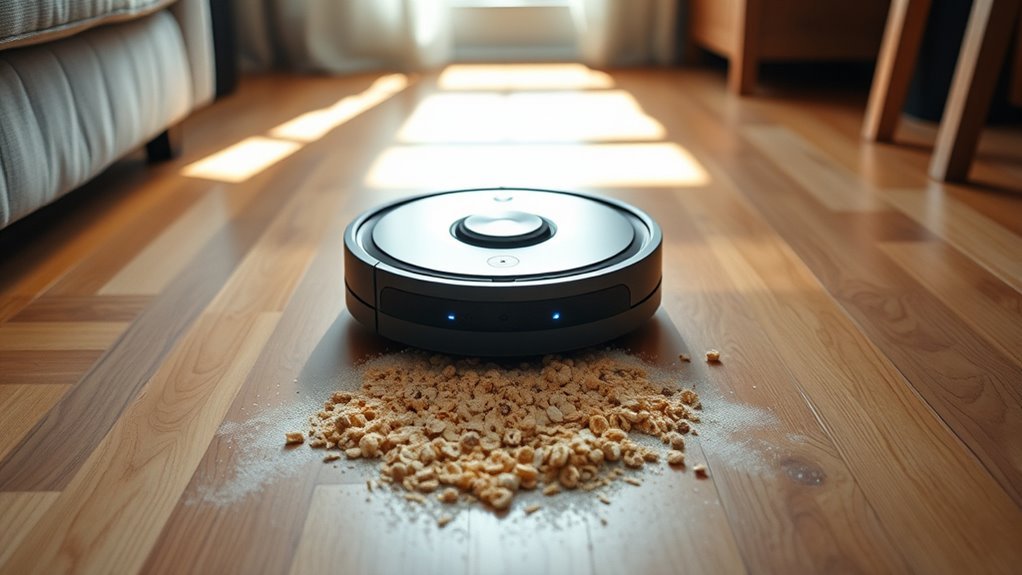
Spot cleaning on a robot vacuum refers to a targeted cleaning mode that focuses on a small, specific area instead of running a full cleaning cycle. It is designed for cleaning a small area that needs quick attention, such as a spill in a kitchen, crumbs in an entryway, or pet hair gathered near a sofa.
Compared with whole-home cleaning, spot cleaning mode saves time and effort while still supporting a cleaner home. This approach suits busy households that want practical control without extra labor.
In pet households, the feature is especially useful because fur often builds up in concentrated patches. A robot with strong suction can remove that debris more effectively than sweeping by hand, especially when used regularly.
The result is a more manageable routine, less waiting, and greater freedom from constant tidying.
How Spot Cleaning Mode Works
When a small mess needs immediate attention, spot cleaning mode directs the robot vacuum to focus on a limited area rather than the entire floor.
Rather than mapping a room-wide route, the robot vacuum traces a spiral path over targeted areas, usually within a circle about 3 feet wide. This concentrated motion lets debris be collected with fewer passes, improving cleaning efficiency compared with standard modes that cover larger spaces.
The robot vacuum traces a spiral path over targeted areas, cleaning efficiently with fewer passes.
Activation is simple: a user can start spot cleaning mode through a mobile app or press a dedicated button on the machine.
While moving, many models use sensors to detect obstacles and adjust course, keeping the cleaning tight and controlled.
In high-traffic areas, this localized approach offers practical relief from frequent dirt and crumbs. Regular use can preserve order in key zones, reducing the burden of full cleaning sessions and giving users more freedom from constant upkeep.
When to Use Spot Cleaning
Localized messes call for spot cleaning, especially after spills, tracked-in dirt, or pet hair collect in kitchens, entryways, and other high-traffic areas. It is best used when a full cleaning cycle would waste time and battery on one small problem.
By targeting the area directly, spot cleaning improves cleaning efficiency and keeps floors presentable with less effort. Regular spot cleaning is especially useful in pet homes, where debris returns quickly and hygiene matters daily.
- Fresh spills before they set
- Dirt concentrated in one area
- Pet hair in high-traffic areas
- Quick touch-ups between full cleans
- Daily upkeep in busy zones
Compared with whole-home cleaning, this approach offers faster relief and more control. When localized messes appear, immediate action helps prevent stains, odor, and buildup.
For households seeking freedom from constant maintenance, regular spot cleaning provides a practical, low-friction way to stay ahead of messes without overcleaning.
How to Set Up Spot Cleaning
Before starting a spot cleaning cycle, the area should be prepared by removing large obstacles, cords, and small furniture so the vacuum can move without interruption.
With the space cleared, the app usually offers the most exact method: open the robot vacuum’s cleaning modes, select spot cleaning, pick the marked area on the map, and tap Start Cleaning. This approach is more controlled than sending the machine to clean the entire room, since it targets only the dirty zone.
When app control is unavailable, many models allow manual setup by pressing and holding the Spot Mode button; the vacuum then travels in a circular pattern. A virtual wall or boundary marker can further free the process by limiting movement to high-traffic sections.
After the session, empty the dustbin and inspect brushes for debris so the device remains ready for the next demand.
How to Fix Spot Cleaning Problems
If a robot vacuum is not spot cleaning effectively, the wheels and brushes should be checked first for debris that can slow movement or reduce contact with the floor. This basic repair often restores reach on embedded dirt, while a deeper reset may be needed when software fails.
For best results, the following steps are practical:
- Clear hair and grit from wheels and brush rollers.
- Empty the dustbin and clean filters to protect suction.
- Recharge the battery fully before the next cleaning cycle.
- Restart the robot and reselect spot cleaning if it will not start.
- Use virtual walls or boundary markers to stop getting stuck in tight zones.
Compared with a full-room run, spot cleaning depends more on movement precision and steady power. When those parts are maintained, the machine can work with more freedom and less interruption.
Frequently Asked Questions
What Are the Downsides of Using a Robotic Vacuum Cleaner?
Robot vacuum drawbacks include robot vacuum limitations on navigation, carpet compatibility, maintenance challenges, noise concerns, and reduced cost effectiveness. Compared with uprights, they often miss debris, need frequent emptying, and struggle with complex layouts or thick carpets.
Can You Wash Something That Is Spot Clean Only?
No; items marked spot clean only should not be washed or submerged. Effective cleaning strategies use spot cleaning techniques, respecting surface compatibility. For ideal usage tips and robot vacuum maintenance, a damp cloth and label guidance suffice.
Should You Run Your Roomba Every Day?
Yes, daily use can be a broom-bright tide for busy homes. It offers daily cleaning benefits, supports robotic vacuum maintenance, and suits an ideal cleaning schedule, though surface type considerations and efficiency comparison should guide each household.
How Do I Get My Roomba to Spot Clean?
He activates Roomba spot clean by pressing Spot Clean on the robot or choosing it in the app. Spot cleaning tips: clear obstacles, check Roomba settings, compare Cleaning modes, follow Maintenance advice, and note effectiveness comparison.
Conclusion
Spot cleaning on a robot vacuum is a practical way to handle small, localized messes without running a full-house cycle. It focuses on a narrow area, it follows a tight spiral path, and it delivers faster results than standard cleaning modes. Used for spills, crumbs, or pet hair, it offers targeted efficiency with minimal effort. When it works properly, it saves time, conserves battery, and keeps cleanup simple, precise, and convenient.