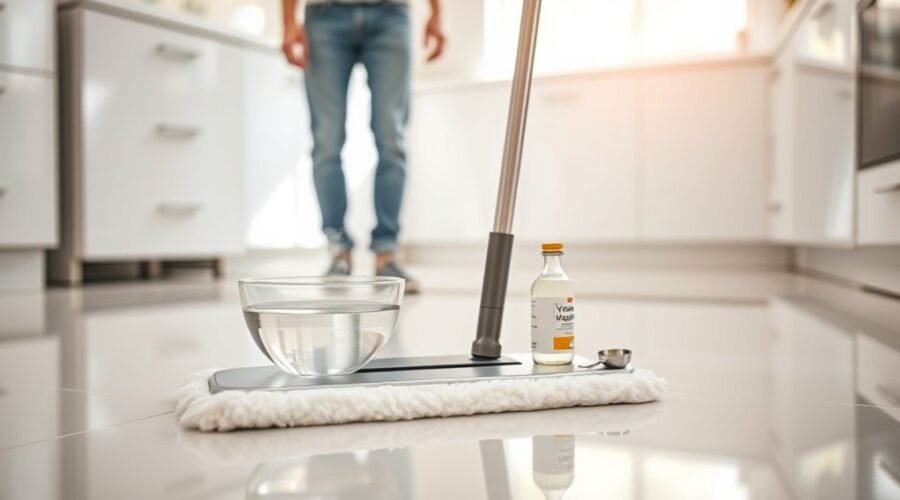
Experts disagree on putting vinegar in a steam mop. Some say a diluted mix can help lift buildup, but many warn it may corrode internal parts, leave residue, and shorten the unit’s life. Floor type matters too, since vinegar can dull or damage certain finishes. The real issue is whether the specific mop can handle it, and the answer is often less simple than it seems.
Can You Put Vinegar in a Steam Mop?
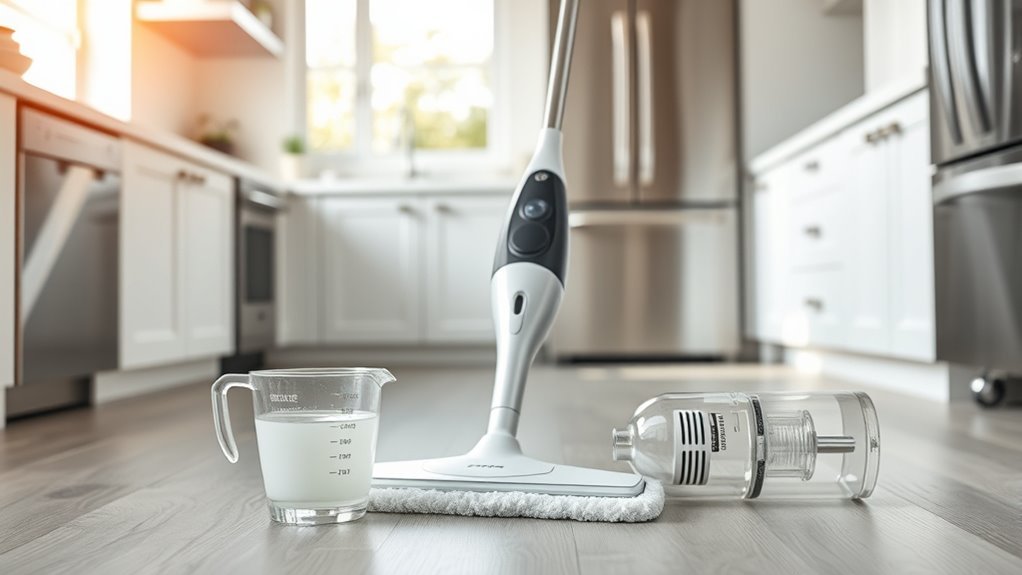
Yes, vinegar can be used in a steam mop, but compatibility depends on the specific model and floor type, so the user manual should be checked first.
When approved, a practical cleaning solution is usually a 1:1 mix of vinegar and water. Clear, filtered vinegar is preferred to reduce the risk of clogging, while distilled water helps limit mineral buildup inside the steam mop. This combination supports a simpler, low-cost routine for those seeking cleaner spaces without unnecessary dependence on harsh products.
After use, the reservoir should be rinsed with plain water to clear residue and reduce lingering odor. Operation should occur in a well-ventilated area, since vinegar steam may cause mild respiratory irritation for some users.
The method is effective only when matched to the appliance’s design and the flooring’s tolerance, keeping performance steady and maintenance manageable.
Why Vinegar Can Damage Steam Mops
Vinegar can accelerate mineral buildup inside a steam mop, especially when combined with tap water, which can reduce steam flow and increase maintenance needs.
Its acidity may also corrode internal parts and damage seals or rubber components, creating leaks and performance failures.
In some models, residue can clog the steam nozzle and restrict output, making manufacturer guidance essential.
Mineral Buildup Risks
One major concern with adding vinegar to a steam mop is mineral buildup inside the unit. When vinegar is mixed with tap water, the minerals already present can accumulate in channels, tanks, and spray paths, reducing steam flow and forcing the machine to work harder.
Manufacturers generally advise distilled water instead of vinegar because it lowers mineral buildup and helps preserve output consistency.
Vinegar may seem like a simple cleaning aid, but repeated use can interfere with performance and shorten useful service life.
For users who want reliable, low-maintenance operation, the practical choice is following the approved fill instructions.
In many cases, using unapproved liquids can also affect warranty coverage, leaving the owner responsible for repairs.
Corrosion And Clogging
Beyond mineral buildup, vinegar can also damage a steam mop through corrosion and clogging. Its acetic acid can attack internal metals, weakening parts that regulate heat and flow.
Rubber seals and gaskets may degrade, raising leak risk and reducing system control. Unfiltered vinegar may carry particles that clog nozzles, valves, and channels, slowing steam delivery and lowering cleaning power.
Over time, these failures can limit freedom of use and force costly repairs. Many manufacturers advise against vinegar because corrosion and clogging may void the warranty.
- Corrosion can shorten component life.
- Clogging can restrict steam output.
- Seals may fail under acid exposure.
- Residue can accumulate without proper cleaning.
What Vinegar Does to Floor Surfaces
Its acidic composition helps lift grease, grime, and stains from many floor surfaces, making it an effective natural cleaner in a steam mop. A diluted vinegar solution can support sanitation on hard surfaces by disrupting residue and reducing microbial load, without the burden of harsher chemical products.
For users seeking cleaner routines and less dependence on commercial cleaners, this offers a practical, low-cost option. However, the same acidity can create damage to the steam finish or surface layer when used on natural stone, hardwood, or delicate grout, where etching and dulling may occur. In those cases, restraint protects the floor and preserves long-term performance.
The vinegar odor usually fades as floors dry, and ventilation speeds that process. Applied correctly, vinegar can be a disciplined tool for maintaining many floors while limiting waste and unnecessary expense.
Which Floors Can Handle Vinegar?
Vinegar is generally acceptable on ceramic tile, vinyl, and laminate, provided use is controlled and the finish is monitored.
Hardwood and natural stone are poor candidates because acidity can dull coatings or etch the surface.
Floor compatibility depends on material sensitivity, so surface type should guide its use.
Safe Floor Types
Certain floor finishes tolerate vinegar better than others. For liberated, practical cleaning on hard surfaces, it remains a useful option when matched to the right material and used with restraint.
- Sealed hardwood: usually compatible when the finish is intact and the solution is diluted.
- Tile: generally safe, with vinegar helping remove residue without harmful buildup.
- Laminate: acceptable in moderation, but repeated use may dull the finish.
- Vinyl: safe only when the floor is well sealed and maintained.
Natural stone such as marble or granite should not be included, because acidity can etch the surface.
Manufacturer guidelines remain the final check before any use. Applied correctly, vinegar supports efficient cleaning without unnecessary chemical burden.
Floors To Avoid
Not all flooring materials tolerate vinegar equally well.
Natural stone surfaces, including marble, granite, and limestone, should be avoided because vinegar can etch and permanently mar their finish.
Hardwood floors also present risk; the acid in vinegar may dull protective coatings and contribute to long-term wear, especially with repeated use.
Delicate tile grout can weaken or discolor after exposure, reducing structural integrity and visual consistency.
Sensitive coatings on furniture or specialty finishes may react poorly too, so manufacturer guidance should be checked before any cleaning.
In contrast, laminate and vinyl usually handle vinegar better, though an inconspicuous test remains prudent.
The practical rule is simple: reserve vinegar for compatible surfaces and keep it away from materials that demand gentler care.
That choice protects freedom from costly damage.
How to Use Vinegar Safely in Cleaning
Before adding vinegar to a steam mop, the user manual should be checked to confirm compatibility with the specific model and floor surface. Safe use depends on measured dilution, steady technique, and attention to air quality.
When vinegar in steam is used correctly, it can help lift residue without forcing harsh chemicals into the home.
- Mix vinegar and water at a 1:1 ratio to reduce clogging and protect internal parts.
- Use distilled water or filtered water to limit mineral buildup and keep output consistent.
- Maintain proper ventilation during cleaning so fumes do not irritate the respiratory system.
- After use, rinse the reservoir with plain water to remove residual vinegar and prevent buildup.
This method supports a cleaner space while preserving equipment.
Careful handling gives the user more control, less waste, and a practical path to effective cleaning.
Can You Put Vinegar in a Steam Mop Reservoir?
Vinegar can be added to a steam mop reservoir, but only if the manufacturer’s manual confirms compatibility with that model. When permitted, a 1:1 mix of vinegar and water is the standard approach, with clear, filtered vinegar helping reduce clogging in the steam mop system.
Distilled water remains the preferred base because it limits mineral buildup and supports longer equipment life. In practice, the reservoir should never be treated as universally resistant to acids; some seals, hoses, and valves may react poorly.
Vinegar may offer antimicrobial action and stain removal, making it a practical, low-waste choice for people seeking cleaner routines with less chemical dependence. If a model allows it, the reservoir should be used with restraint, precision, and respect for the device’s limits.
This keeps performance stable and preserves the freedom to clean efficiently without unnecessary damage or odor.
How to Clean a Steam Mop With Vinegar
A compatible steam mop can be cleaned by running a 1:1 mix of white vinegar and water through the reservoir to break down mineral deposits and help disinfect internal parts. Before this cleaning, the user manual should confirm compatibility with the steam mop model.
The reservoir is then filled, and the unit is operated normally so the vinegar solution reaches internal channels.
- Mix equal parts water and white vinegar.
- Pour the solution into the reservoir.
- Let it sit for at least 30 minutes.
- Empty, then rinse thoroughly with clean water.
This vinegar treatment helps loosen buildup and may extend machine life, especially with tap water use. It also reduces lingering odor when rinsed well.
Regular maintenance preserves performance and keeps the steam mop ready for disciplined, low-waste cleaning.
What to Use in a Steam Mop Instead
Instead of vinegar, a steam mop should generally be filled with distilled water to reduce mineral buildup and maintain consistent performance, especially when tap water would leave deposits over time. This option supports reliable steam output, cleaner operation, and low-maintenance eco-friendly cleaning without introducing unnecessary additives.
Fill your steam mop with distilled water to reduce buildup and keep performance consistent.
For users seeking stronger results, manufacturer-approved steam mop solutions are the next choice; they are formulated for specific models and surface types, reducing risk while preserving function.
A mild alternative is plain water with a few drops of dish soap, but compatibility must be confirmed in the manual before use. Harsh chemicals and essential oils should be excluded because they can compromise internal parts and reduce warranty protection.
The practical rule is simple: keep the steam mop’s cleaning chamber filled with distilled water or approved solution, and reserve vinegar only for occasional reservoir cleaning when the manufacturer permits it.
Steam Mop Problems Vinegar Can Cause
Used in a steam mop, vinegar can create several practical problems that outweigh its cleaning benefits. Manufacturers often warn against non-approved solutions, so a vinegar steam routine may void the warranty and remove support.
- Corrosion can attack internal components, shortening service life and reducing reliability.
- Unfiltered vinegar may leave particulate buildup, clogging channels and weakening steam output.
- The acidity can mark damaged surfaces, especially natural stone, hardwood floors, and delicate grout.
- In closed spaces, vinegar steam may irritate breathing passages, especially for sensitive users.
These risks are not theoretical. They affect performance, safety, and the freedom to maintain a home without avoidable repairs.
A mop that should simplify labor can instead become a source of wear, odor, and frustration. For most users, avoiding vinegar preserves the machine, protects surfaces, and keeps cleaning efficient.
Frequently Asked Questions
What Solution Can I Put in My Steam Mop?
A steam mop should usually contain plain distilled water; some models allow a 1:1 vinegar solution. These water types support steam mop advantages, improve cleaning efficiency, and reduce mineral buildup. Always consult the manual first.
What Can I Use Instead of Distilled Water in My Steam Cleaner?
Filtered water, low-mineral tap water, or tested rainwater can replace distilled water in a steam cleaner. Though some doubt water alternatives, careful steam cleaner maintenance preserves cleaning efficiency and prevents damaging buildup.
Can I Put Dawn Dish Soap in My Steam Cleaner?
No, Dawn dish soap should not be put in a steam cleaner. Dish Soap Safety is poor here; foam can damage performance and clog lines. For Steam Cleaner Efficiency, use water or approved Alternative Cleaners only.
What Is the Best Floor Cleaning Solution for a Steam Mop?
Distilled water is the best floor cleaning solution for a steam mop. Studies suggest 60% fewer mineral deposits versus tap water, improving steam mop safety, supporting eco friendly options, and reinforcing practical floor cleaning tips.
Conclusion
In expert guidance, vinegar in a steam mop is a risk, not a routine. Its sharp acidity can leave a faint chemical trace in the reservoir, etching at seals and internal parts like slow rain on metal. Some floors may tolerate it, but many manuals do not. Distilled water remains the safer current for regular use, while vinegar belongs only to occasional, manufacturer-approved cleaning of the tank, preserving performance, warranty, and the mop’s lifespan.