Many people wonder whether essential oils belong in a steam mop, but the answer is not always simple. Most manufacturers recommend plain water only, since oils can clog parts and affect performance. Yet there are safer ways to add scent without risking damage. The details matter, especially when warranty coverage and floor safety are involved, and the difference may be more important than it first appears.
Can You Put Essential Oils in a Steam Mop?
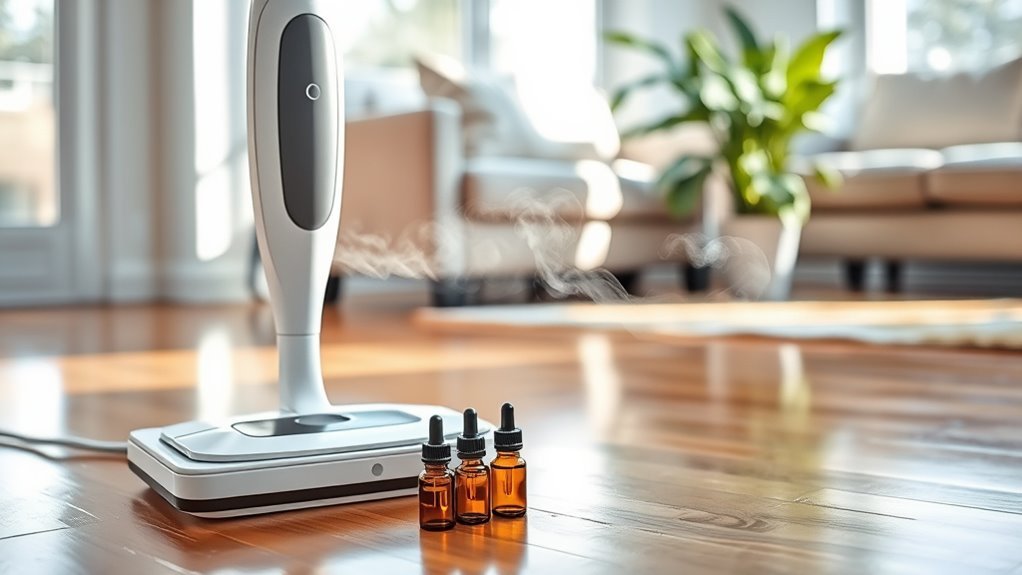
Essential oils should not be added directly to a steam mop’s water reservoir, as they can clog internal parts, damage the machine, and may void the warranty.
A steam mop is designed to work best with water alone, and manufacturers’ instructions usually state that no additives should be used.
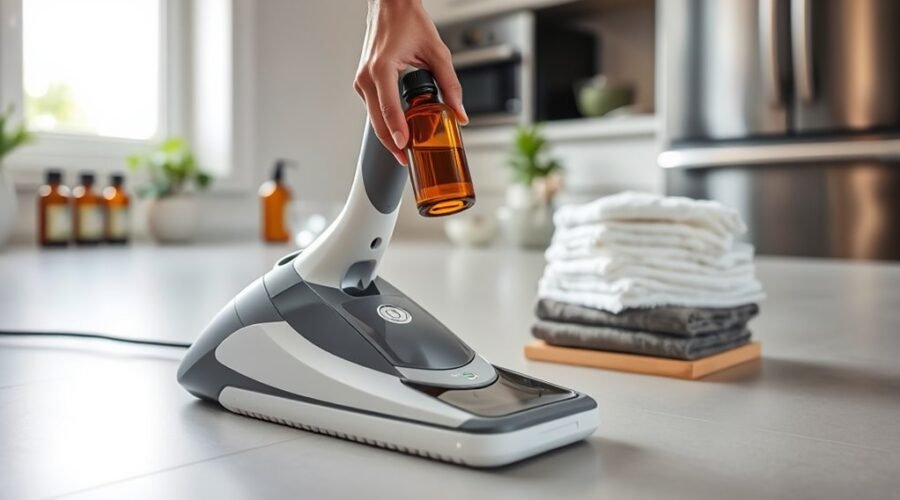
For those who want fragrance without risk, a few drops of essential oils can be placed on the mop pad before cleaning, keeping liquids away from the tank and plumbing.
Another option is a lightly scented room spray or nearby diffuser, which leaves the steam mop free to do its job.
Some users mix essential oils with rubbing alcohol and warm water, but that method should be tested on a small area first.
Freedom in cleaning comes from using tools safely, avoiding preventable damage, and choosing methods that protect both the machine and the space being cleaned.
Why Steam Mops Need Plain Water
Steam mops are designed to work with plain water only, since additives can leave residue and reduce cleaning performance.
Using oils or cleaning solutions may cause buildup that clogs internal parts and shortens the life of the machine.
Following the manufacturer’s water-only guidance helps protect the mop’s components and keeps steam output effective.
Plain Water Only
A steam mop works best when its reservoir contains plain water only, since the machine is engineered to generate steam from water alone and adding oils or cleaners can interfere with internal parts.
For steam mops, plain water only is the safest choice because manufacturer guidelines usually call for water alone in the tank. This protects the nozzle, supports reliable steam output, and helps keep the appliance within warranty terms.
Distilled water is often preferred, because it reduces mineral buildup that can slow performance over time. Regular rinsing and drying of the tank also helps prevent odors and keeps the unit ready for steady, independent use.
Following these simple limits lets the tool clean effectively without unnecessary risk or dependence on additives.
Avoid Additive Buildup
Over time, additives can leave residue inside a steam mop, creating buildup that may clog internal parts, weaken steam output, and reduce cleaning performance.
A steam cleaner works best with plain water, because manufacturers do not want users to add anything that could trigger additive buildup and void warranty coverage.
- Use only water in the reservoir.
- Clean with the machine as directed.
- Add fragrance elsewhere, not in the tank.
This approach helps keep steam strong, supports reliable sanitation, and limits stale-water odors.
Essential oils are better placed on the mop pad or used in the room after cleaning. That keeps the mop free to do its job without extra residue, giving users a safer, simpler path to fresh floors and steady results.
Protect Mop Components
Protecting the mop’s internal parts starts with using plain water, because steam mops are engineered for that purpose. Steam cleaners work best when additives are avoided, since oils and detergents can coat the nozzle, restrict flow, and weaken performance. To protect mop components, distilled water is a better choice than tap water because it reduces mineral deposits and helps extend service life. Manufacturer guidelines should be followed closely, as violations may damage seals, heaters, or pumps and may void the warranty.
| Water choice | Component impact | Result |
|---|---|---|
| Plain water | Safe flow | Reliable steam |
| Distilled water | Less buildup | Longer life |
| Additives | Clogging risk | Malfunctions |
What Happens When You Add Oils to the Tank
Adding essential oils directly to the steam mop’s water tank can cause more harm than benefit. The oils can coat parts inside the machine, clogging channels and disrupting steam flow. Over time, residue may build up, reducing performance and increasing the risk of malfunction. Some units may also lose warranty coverage when substances other than water are used.
- Clogged internal pathways can weaken steam output.
- Residue may collect and shorten the mop’s lifespan.
- Heat and oil together can interfere with normal operation.
Most manufacturers recommend plain water in the water tank for reliable cleaning and safer use. That keeps the system open, limits buildup, and supports consistent steam generation.
Essential oils may seem like a simple upgrade, but in the tank they can create avoidable damage. The practical choice is to follow the manufacturer’s guidelines and keep the machine free from unnecessary additives.
Safe Ways to Add Scent to a Steam Mop
To add scent safely, the fragrance should be kept off the steam mop’s internal reservoir and placed on the mop pad instead. This approach protects the machine, preserves warranty coverage, and supports safety.
A few drops of essential oils on the mop pad can release aroma as steam moves through the fabric, giving a cleaner feel without risking clogged parts. Another option is a DIY mix of essential oils, rubbing alcohol, and warm water, lightly applied to the mop pad before use.
Some choose a diluted lemon juice blend for a fresh scent, but manufacturer guidance should be checked first. For those who want the freest and simplest path, room air fresheners can scent the space without entering the mop at all.
The key is restraint: keep liquids away from the tank, use the pad only, and let the machine do its job.
Best Essential Oils for Cleaning Floors
Lavender oil is often chosen for floor cleaning because it helps reduce odor-causing bacteria and leaves a calm, fresh scent.
Eucalyptus oil can support odor control with strong antimicrobial properties, while lemon oil is useful for cutting grease and lifting stains.
For safety, a few drops should be placed on the mop pad rather than in the steam mop’s water tank.
Lavender Floor Freshness
A few drops of lavender oil can be a practical way to freshen floors while cleaning, especially because its calming scent and antimicrobial properties help reduce odor-causing bacteria.
For safer use, the oil should go on the mop pad, not into the steam mop reservoir. That keeps the device working as intended and lowers the risk of clogging or damage.
- Check the manufacturer’s guidelines before use.
- Add only a few drops to the pad.
- Wipe floors as usual for a pleasant scent.
Lavender oil can support a cleaner, more peaceful space without extra effort. Its pleasant scent and antimicrobial properties make it a useful option for people who want an easier, more liberated cleaning routine.
Eucalyptus Odor Control
Eucalyptus oil offers a practical way to control odors while steam cleaning, thanks to its strong antimicrobial properties and fresh, calming scent.
In a steam mop, eucalyptus oil should be used sparingly, with a few drops placed on the mop pad rather than in the water tank to reduce clogging risk. This approach supports odor control while helping keep floors clean without unnecessary strain on the appliance.
A light mist of distilled water and eucalyptus oil in a spray bottle can pre-treat surfaces before mopping. Before use, the manufacturer’s guidelines should be checked to confirm compatibility.
Used correctly, eucalyptus oil can make floor care feel more independent, efficient, and invigoratingly clean.
Lemon Grease Removal
Lemon oil is especially useful for cutting through grease and grime, making it a strong option for floor cleaning in kitchens and other high-traffic areas. It can help surfaces smell nice while supporting a cleaner, fresher home.
- Place a few drops of lemon oil on the mop pad, not in the water reservoir.
- Use it on cleaning floors where grease buildup or sticky residue is common.
- For a gentler mix, combine lemon juice with distilled water and test first.
Its natural acidity helps break down stains, and its antibacterial properties add useful sanitation. This approach keeps the steam mop protected from damage and gives people a practical, low-waste way to clean with more freedom and less harsh chemical load.
How to Remove Odours From Steam Mop Pads
To keep steam mop pads from developing lingering odours, they should be washed thoroughly after each use with hot water and a mild detergent to remove bacteria and residue.
For a steam mop, this routine helps mop pads stay functional and less likely to trap smells. If odours persist, soaking the pads in a vinegar and water solution, equal parts of each, for 30 minutes before washing can help neutralize them without harsh chemicals.
After cleaning, mop pads must be air dried completely before storage. Damp fabric encourages mold and mildew, which can quickly recreate unpleasant odors and undermine hygiene.
A dryer is not recommended, because high heat can damage the fibers and reduce absorbency. Pads should also be inspected regularly for wear, staining, or odor retention.
When smells remain after washing, replacement is the safer option. Clean, dry mop pads support safer floor care and reduce dependence on additives.
How to Keep Your Steam Mop Smelling Fresh
Keeping a steam mop smelling fresh starts with basic maintenance after each use. Empty and rinse the water tank immediately so stale water cannot settle into odors. Using distilled water helps reduce mineral buildup, which supports a cleaner machine and a more reliable fresh smell.
Mop pads should be washed after every session and left to air dry fully before storage; trapped moisture invites bacteria and musty scents.
- Drain the reservoir after cleaning.
- Wash and dry pads completely.
- Wipe the reservoir and exterior regularly.
A few drops of essential oil may be placed on the mop pad before use for a light scent, not inside the tank, where residue can linger.
Regularly cleaning the water reservoir and connected parts keeps performance steady and odor risk low. With simple care, the machine stays ready, clean, and free from unnecessary smells, giving users a more liberated cleaning routine.
What Your Steam Mop Manual Says
A steam mop’s manual usually gives the clearest answer: most manufacturers recommend using only water in the reservoir to protect internal parts and preserve performance. A steam mop works best when the user follows the manufacturer’s instructions exactly, since additives can clog jets, reduce steam output, and may void the warranty. Some brands permit diluted vinegar, but only if the manual explicitly allows it. Essential oils should not be mixed into the tank; if desired, they belong on the mop pad, not in the reservoir.
| Item | Manual guidance | Risk |
|---|---|---|
| Water | Recommended | Low |
| Essential oils | Avoid in tank | Clogging |
| Vinegar | Only if approved | Possible damage |
| Cleaners | Usually prohibited | Warranty loss |
| Mop pad scenting | Safer option | Minimal |
Reading the manual supports safe use, effective cleaning, and more freedom from avoidable repairs.
Frequently Asked Questions
What Can I Put in My Steam Mop to Make It Smell Nice?
A steam mop can smell nicer with manufacturer-approved scented cleaning solutions, natural fragrance boosters like a few drops on the pad, or compatible demineralized water. Careful steam mop maintenance helps avoid clogs, damage, and warranty issues.
What Is the Best Essential Oil to Use in a Steam Room?
Lavender oil usually suits a steam room best; its calming scent and antibacterial touch often match the moment by coincidence. For aromatherapy benefits, eucalyptus and tea tree are popular essential oils, while steam room safety favors diluted use.
Can I Put Dawn in My Steam Cleaner?
No, Dawn should not be added to a steam cleaner. It can foam, clog, and damage the machine. For steam cleaner maintenance, use water only; detergent alternatives are rarely needed, and cleaning effectiveness remains high.
Can I Put Vinegar in My Steam Mop?
Usually not; many steam mop maintenance guides warn vinegar can damage components. If used, dilute it heavily and consult the manual. Better vinegar alternatives include distilled water, plus cleaning tips like regular tank rinsing.
Conclusion
In the end, essential oils should stay out of the steam mop’s tank. Plain water keeps the machine running smoothly, while oils can clog parts, leave residue, and shorten its life. For a fresher clean, a few drops on the mop pad can add scent without risk. Reading the manual remains the safest guide. A steam mop works best when treated like a clear stream, not a scented soup.