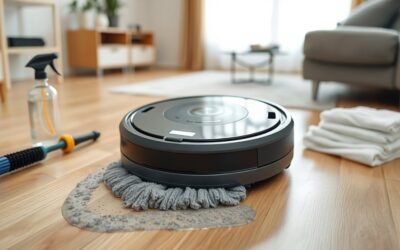
Steam mop pads collect dirt, grime, and bacteria with every use, so regular cleaning matters. The process is simple, but doing it the wrong way can shorten the pads’ life or leave residue behind. A few basic supplies, the right washing method, and proper drying can keep them working well. The next steps show how to clean them thoroughly, remove stubborn odors, and know when it is time to replace them.
Why Steam Mop Pads Need Cleaning
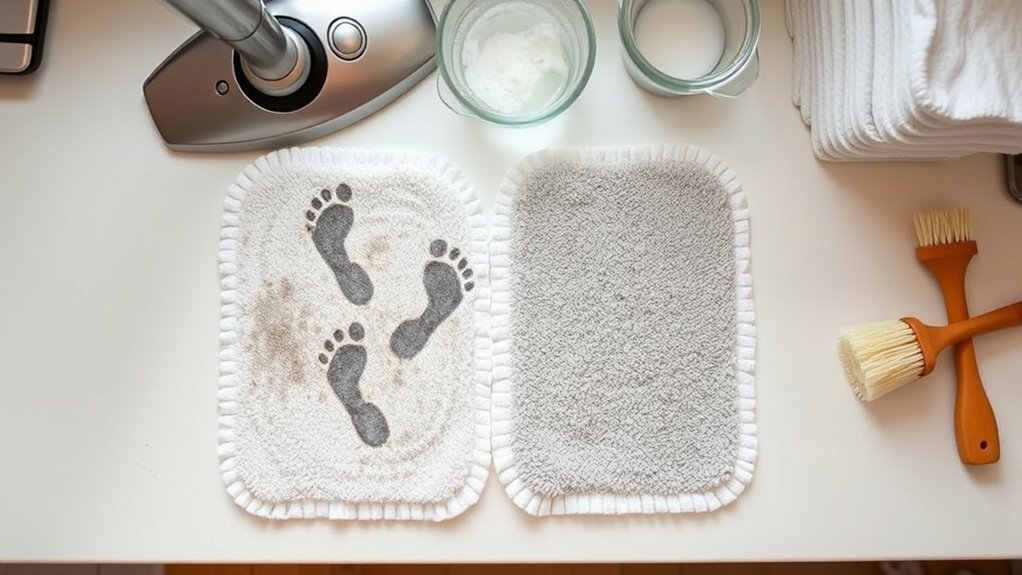
Steam mop pads should be cleaned regularly because they trap dust, dirt, and grime during use, and a dirty pad can spread contaminants instead of removing them.
Steam mop pads should be cleaned regularly to prevent spreading contaminants and keep floors truly clean.
Steam mop pads with grime buildup lose absorbency, which weakens a cleaning routine and leaves floors less sanitary.
Dirty pads can also develop odors and harbor bacteria, undermining hygiene and comfort in the home.
When residue collects, steam flow may be reduced, and streaks can appear, making the mop less effective.
Proper maintenance preserves peak performance by keeping the fibers able to lift soil efficiently.
It also protects the pad from premature wear, which extends lifespan and reduces replacement costs.
Routine washing or rinsing after use helps keep steam mop pads ready for the next task.
Clean pads support consistent results, better surface care, and a more independent approach to household cleaning.
What You Need to Clean Steam Mop Pads
Gathering the right supplies makes cleaning steam mop pads quicker and more effective. Start with mild detergent, a soft-bristled brush, baking soda, and white vinegar for lifting grime and removing odors without overpowering the fabric.
Keep a basin or sink ready for hand washing, or a washing machine set to a gentle cycle if machine cleaning is allowed. Warm water, around 90°F to 105°F, helps loosen soil while protecting microfiber fibers from heat damage.
- Mild detergent, baking soda, and white vinegar
- Soft-bristled brush, basin, or washing machine
- Warm water and the care instructions
A vacuum or trash can also helps clear loose debris before washing. Always check care instructions first, since some steam mop pads require specific handling and reject harsh chemicals.
With these basics prepared, the cleaning process becomes simple, efficient, and less wasteful, helping keep steam mop pads ready for steady service.
How to Clean Steam Mop Pads
Clean steam mop pads matter because dirty fibers spread grime and reduce cleaning power.
The best method is to remove loose debris, pre-treat stains, then wash the pads by hand or on a gentle machine cycle with mild detergent.
They should be rinsed well, air dried fully, and replaced when the fibers no longer clean effectively.
Why Clean Pads Matter
Maintaining steam mop pads is essential for effective floor cleaning, since dirty pads can spread grime and leave streaks behind.
Cleaning steam mop pads after each use helps reusable mop pads avoid dirt buildup, bacteria and odors, and supports effective cleaning performance. A deep clean is not needed every time, but regular washing with mild detergents keeps fibers intact and ready for the next task.
Proper maintenance also includes air drying and storing pads in a dry place, which helps prolong lifespan and preserve cleaning power. Because these pads usually last 40 to 60 wash cycles, routine care protects the investment and keeps floors cleaner with less effort.
- Wash after each use
- Use mild detergents only
- Air dry before storage
Best Cleaning Methods
Before washing, the steam mop pads should be removed and shaken free of loose debris. Then, any stubborn stains can be pre-treated with a mild detergent or vinegar solution.
For machine washing, use warm or cold water with a dye-free liquid detergent; this helps clean steam mop pads without increasing wear and tear. Avoid bleach and fabric softeners, which can reduce absorbency and lessen ideal cleaning performance.
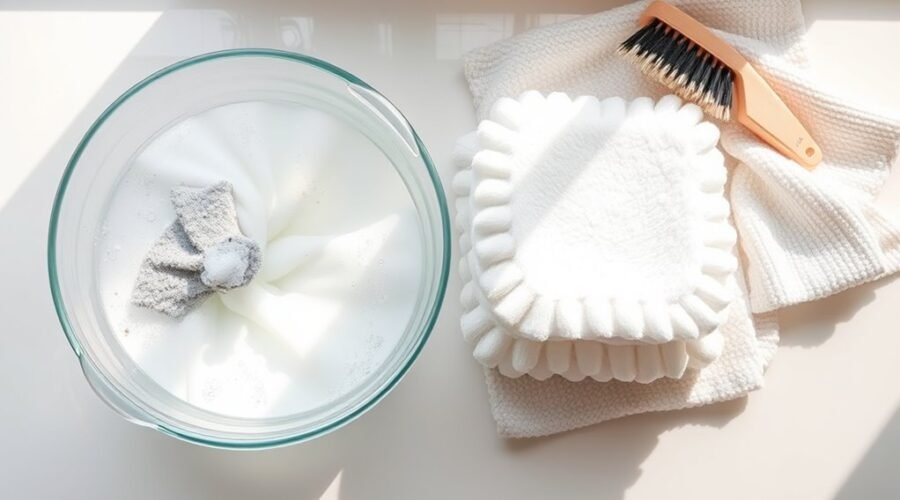
For hand washing, soak the pads in warm soapy water for 15 to 20 minutes, gently rub the fabric, and rinse thoroughly until no soap remains. To remove odors, a vinegar solution can neutralize residue.
After steam mopping, inspect pads for damage and replace pads every 40 to 60 wash cycles to keep results consistent.
Care And Replacement Tips
Proper care keeps steam mop pads performing well between washes and extends their useful life. To maintain peak cleaning, clean pads after every use with detergent and warm water, then air dry the pads fully.
Regularly inspect pads for thinning fabric, lingering odors, or loose stitching, and replace them after 40 to 60 wash cycles. Use mild detergents only; harsh additives are common mistakes to avoid because they can weaken fibers and reduce absorbency.
Store them in a dry, well-ventilated area to prevent dirt, moisture, and mold from settling in. Rotate multiple pads when possible so each pad dries completely and wears evenly.
These simple habits preserve freedom from dirty floors and keep steam mopping effective.
- inspect pads before reuse
- use mild detergents, never fabric softeners
- replace them on schedule
How to Remove Stains and Odors From Steam Mop Pads
Stubborn stains on steam mop pads can be treated by first rinsing them under warm running water. Then, apply a paste made from two parts baking soda and one part warm water to the marked areas and let it sit for 20–30 minutes before washing. This pre-rinse helps flush grime and prepares the pad for a deeper clean.
To tackle odors, soak the pads in a vinegar solution made with one cup of white vinegar and four cups of warm water. The vinegar helps neutralize odors and break down detergent buildup.
For persistent stains, soak the pads in hot water with a laundry booster such as OxyClean for several hours. Then, scrub gently and wash with detergent.
After cleaning, rinse thoroughly to remove all residue, since leftover soap can trap odors and reduce performance. A careful routine gives the pads a cleaner finish and helps them work freely.
How to Dry Steam Mop Pads
Steam mop pads should be air dried completely after washing to prevent mold and bacteria growth.
Hanging them flat in a well-ventilated area or outdoors helps them dry quickly while keeping their shape.
A dryer should be avoided, since high heat can damage the fibers and reduce effectiveness.
Air Dry Thoroughly
After washing, steam mop pads should be air dried completely before they are used again, since damp fibers can encourage mold and bacteria growth.
To preserve freedom from moisture-related issues, pads should air dry in a ventilated area, either by being hung or laid flat on a clean surface. This helps them dry evenly, keep their shape, and support ideal hygiene between uses.
- Hang pads where airflow is steady and unrestricted.
- Lay pads flat on a clean surface if hanging is not practical.
- Rotate multiple pads so each one can dry completely before reuse.
Before reattaching, each pad should feel fully dry to the touch.
Careful drying protects performance, limits contamination, and keeps the cleaning routine efficient without unnecessary dependency on replacement pads.
Avoid High Heat
High heat should be avoided when drying steam mop pads, because a dryer can melt synthetic fibers and weaken the pad’s structure. To avoid high heat, air dry the pads flat on a clean, dry surface. This method helps preserve shape, limits fabric deterioration, and reduces the risk of damage to the pads.
Before reuse, make sure each pad is completely dry, since damp fibers can invite mold and mildew. If machine drying is unavoidable, use the air fluff or low heat setting only. Then inspect pads for fraying, thinning, or other wear.
Consistent care protects performance and supports longevity. Clean, dry pads stay ready for service without unnecessary stress, helping each user maintain control over the routine and the tool.
How Often to Clean and Replace Steam Mop Pads
To keep a steam mop working at its best, pads should be cleaned after each use so dirt and bacteria do not build up and reduce performance. This cleaning routine protects hygiene, supports peak cleaning performance, and keeps steam mop pads ready for the next wash cycle.
Clean steam mop pads after each use to prevent buildup, protect hygiene, and keep performance at its best.
The needed frequency depends on home size and use: small apartments usually need one pad, medium homes often need two to three, and large homes may require four to six. Pads used in bathrooms should be washed more often because higher hygiene demands call for cleaner tools and less cross-contamination.
- Inspect pads regularly for thinning fabric or weak Velcro grip.
- Replace pads every 40 to 60 wash cycles, or about 6 to 12 months.
- Add dedicated bathroom pads when dirt levels are higher.
When pads need replacement, fresh ones restore efficient cleaning and help maintain a safer, freer home routine.
Frequently Asked Questions
How Often Should You Wash Steam Mop Pads?
They should be washed after every use, with higher cleaning frequency after spills or heavy traffic. Proper steam mop maintenance improves pad longevity; fabric types, stubborn stains, washing methods, drying techniques, odor removal, machine compatibility, user tips matter.
Can I Run Vinegar Through My Steam Mop?
Generally, no—like a locked gate, steam mop safety depends on the manual. Steam mop benefits may improve with diluted vinegar, but steam mop maintenance favors vinegar alternatives, cleaning solution comparisons, and eco friendly cleaning for mop pad longevity.
How Do You Wash Your Mop Pads?
Mop pads are washed by shaking off debris, then choosing machine washing or hand washing according to Mop pad materials, Cleaning frequency, and Pad compatibility; use Eco friendly cleaners for Stain removal, then follow careful Drying techniques and Mop maintenance, regardless of Steam mop brands.
Can I Use Dawn Dish Soap in My Steam Cleaner?
Probably not; the manual should guide steam cleaner safety. If used, dilute Dawn for stain removal. Know the ropes: test cleaning solutions, avoid chemical reactions, and prevent dish soap residue to protect mop pad longevity and fabric care.
Conclusion
In the end, steam mop pads prove a simple truth: the very tools meant to remove dirt quickly become dirty themselves. Regular washing, stain treatment, and complete drying keep them effective and sanitary, while timely replacement prevents weak cleaning results. A few minutes of care after use can save far more effort later. The irony is useful here—cleaning the cleaner is what keeps the floor truly clean.