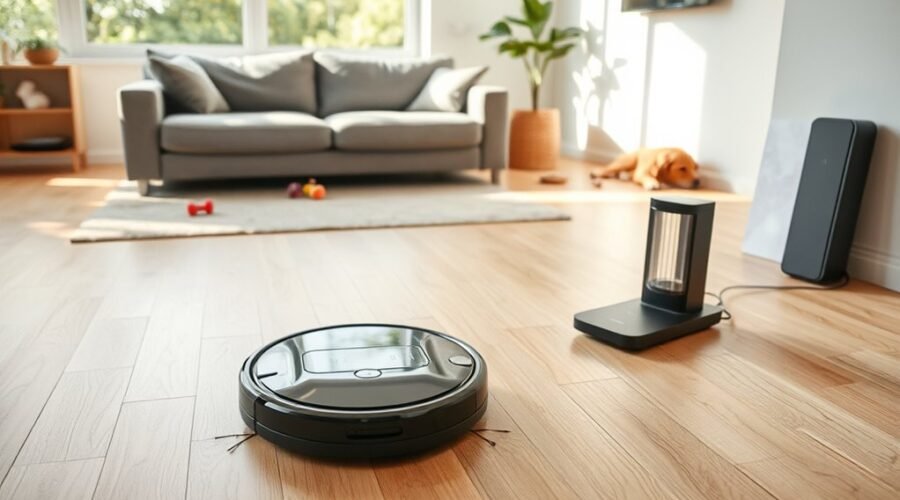
A robot vacuum mop combines two cleaning tasks in one machine: it picks up dust, crumbs, and pet hair, then adds water to wipe hard floors. Most models rely on sensors and mapping to move around furniture and avoid trouble spots. The real differences appear in suction strength, mopping control, and dock features. Those details can change how well the device fits a home, and they are worth a closer look.
What a Robot Vacuum Mop Does
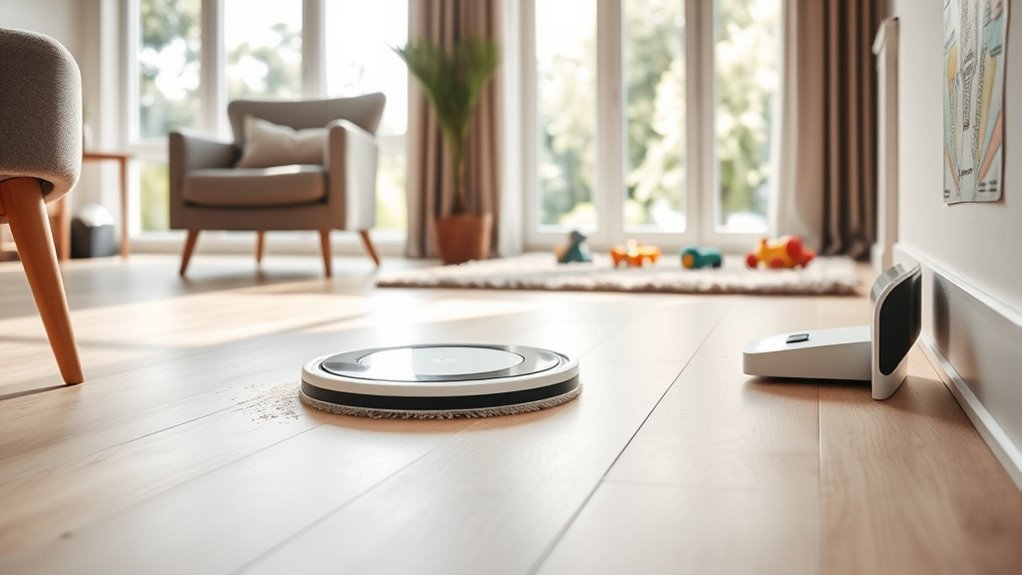
A robot vacuum mop combines vacuuming and mopping in one device, using suction to collect dry debris while washing hard floors with water or cleaning solution. For the user seeking liberation from chores, the Robot vacuum mop reduces repeated labor by handling dust, crumbs, and light spills in one pass.
Strong suction helps with pet hair and everyday debris, while obstacle avoidance keeps coverage efficient around furniture and room edges. Many models can detect carpet and raise mop pads, protecting mixed surfaces without manual intervention.
Mopping performance varies, but premium units usually leave a more even finish on sealed hard floors. App controls allow scheduling and monitoring, giving greater control without constant attention.
In higher-end systems, self-cleaning docks wash pads and empty dirty water, further lowering maintenance. The result is a cleaner home with less interruption, less physical effort, and a more autonomous cleaning experience overall.
How Robot Vacuum Mops Work
Robot vacuum mops work by combining suction and wet cleaning in a single pass, using separate systems to pick up dry debris and wash hard floors. These robot vacuum mops use dual-action systems to shift from vacuum or mop without manual labor, giving homes cleaner routines and more control over time. Navigation sensors guide movement, while customizable water delivery matches surface needs and reduces excess moisture. Smart features let users start jobs, monitor progress, and set schedules from a phone or voice assistant.
| Component | Purpose | Effect |
|---|---|---|
| Suction motor | Lift dust and crumbs | Better pickup |
| Mop pad or roller | Apply water and scrub | Removes residue |
| Navigation system | Map rooms and avoid obstacles | More complete coverage |
| Controls and app | Manage tasks remotely | Easier daily use |
Performance metrics such as suction power and mopping style shape results, especially on hard flooring.
Robot Vacuum Mop Features to Compare
When comparing robot vacuum mops, the most useful features are the ones that directly affect cleaning results and everyday convenience. A strong robot vacuum mop should combine vacuum and mop functions without making either task feel compromised.
Models with dual spinning mop pads often scrub more effectively than basic drag cloths, especially on stuck-on messes. Suction strength matters for debris pickup, but numbers alone do not tell the whole story; airflow, brush design, and sealing also influence results.
Auto carpet detection is another practical feature, because it lets the unit lift its mop when crossing rugs or carpeted areas. Navigation capabilities deserve close attention too, since precise mapping and obstacle avoidance reduce missed spots and wasted time.
Cleaning solution compatibility should be checked carefully, because some units accept only water while others allow approved detergents. Choosing well here supports cleaner floors, fewer manual chores, and more freedom from constant upkeep.
Best Floors and Home Types
Hard floors are the best match for robot vacuum mops, especially tile, laminate, and hardwood, where vacuuming and mopping can work together to clear dust and light stains.
A mop/vacuum combo performs best in homes with minimal carpeting, because carpet detection helps it avoid rugs during each cleaning session and keeps floor care simple. This setup suits apartments and smaller homes, particularly those under 200 square meters, where a single automated pass can cover most surfaces without constant oversight.
Pet presence also matters. In homes with shedding animals, models with strong pickup and mopping support can reduce hair and tracked-in dirt in one routine.
For tile homes, grout cleaning becomes a useful advantage, since some advanced robot vacuum mops can handle lines and corners more effectively than basic units.
The best results come from matching the model to the floor plan, not from forcing it to replace every cleaning task.
Common Robot Vacuum Mop Tradeoffs
Even in a well-matched home, robot vacuum mops involve clear tradeoffs. A Combo unit promises hands-off cleaning, yet many models still require mode changes between vacuum and mopping, which can interrupt the rhythm of household life.
Some machines, such as models praised for mopping, may still lag on carpet and leave pet hair behind, so a separate vacuum remains useful. Mopping quality also varies: spinning-pad designs generally remove stains better than basic drag cloths, but they add maintenance and wear.
Some mop well but falter on carpet and pet hair; spinning pads clean better, but need more upkeep.
Advanced features include carpet detection and automatic lift systems that protect rugs, though not every machine has them, so oversight may still be needed.
Price widens the divide. Budget units under $600 usually deliver basic automation, while premium options above $1,600 offer stronger cleaning, smarter control, and more specialized features.
The freedom they offer is real, but it comes with cost, care, and compromise.
How to Choose the Right Model
Choosing the right robot vacuum mop starts with the home itself: floor type, carpet coverage, and how much maintenance the owner is willing to tolerate. A model built for a hard floor may excel on tile yet leave grout lines partly untouched, so surface behavior matters.
Strong suction power becomes more important as carpet increases; premium units usually lift debris better than budget machines. For mixed rooms, auto carpet detection and mop lifting help keep rugs dry during cleaning.
An auto-empty base reduces daily maintenance and keeps the system freer to run with less interruption. App functionality also deserves close attention, because good controls allow scheduling, room targeting, and alerts without fuss.
Edge cleaning matters in homes with baseboards and tight corners, where weaker designs leave dust behind. The best choice balances wash performance, vacuum strength, and convenience, so the robot supports a cleaner home while asking for less labor in return.
Frequently Asked Questions
Is It Worth Getting a Robot Vacuum With Mop?
Yes, if robot efficiency matters. A robot vacuum with mop can improve cleaning performance on compatible floor types, though user experiences vary. A careful price comparison, durability concerns, and maintenance tips should guide the decision.
What Are the Disadvantages of Using a Robot Mop?
Robot mop limitations include weak deep cleaning, cleaning efficiency concerns, and floor types compatibility issues. Water tank capacity may be small, noise levels can annoy, maintenance requirements add chores, and price comparison often favors traditional mops.
How Do Robot Vacuum Mops Work?
Robot vacuum mops work by using navigation technology, suction power, and cleaning modes to move across floor types, vacuum debris, and release water from a water tank. Battery life limits runs; maintenance tips improve performance.
How Often Should You Run a Robot Vacuum and Mop?
Daily in busy zones, every other day for pet hair, weekly elsewhere—because dust clearly prefers tyranny. Cleaning frequency depends on floor types, battery life, and user reviews; use scheduling features and maintenance tips to stay free.
Conclusion
To summarize, a robot vacuum mop combines vacuuming and light mopping in a single automated device, making it a practical choice for routine hard-floor care. Its real value depends on navigation quality, suction strength, water control, and maintenance features such as self-cleaning docks. Performance can vary by floor type and mess level, so owners should compare models carefully. For many homes, the best option is the one that matches cleaning needs and daily habits.