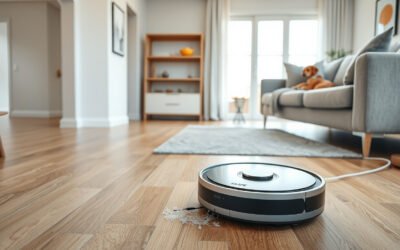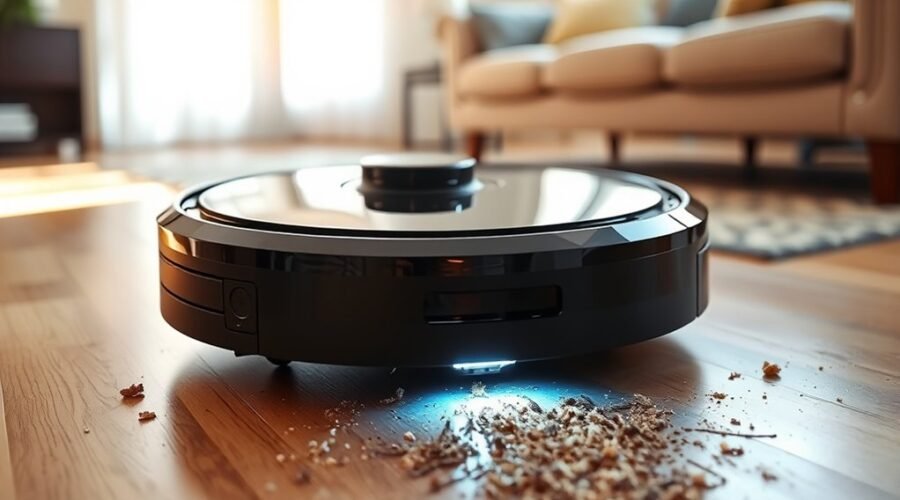
Dirt detection on a robot vacuum is a smart cleaning feature that helps the machine notice when an area needs extra attention. It uses sensors to pick up signs of debris, changes in floor conditions, and sometimes surface patterns. When dirt is found, the vacuum can slow down, make additional passes, or boost suction in that spot. The result is a more focused clean, but the way it decides where dirt is hiding is not always obvious.
What Is Dirt Detection on a Robot Vacuum?
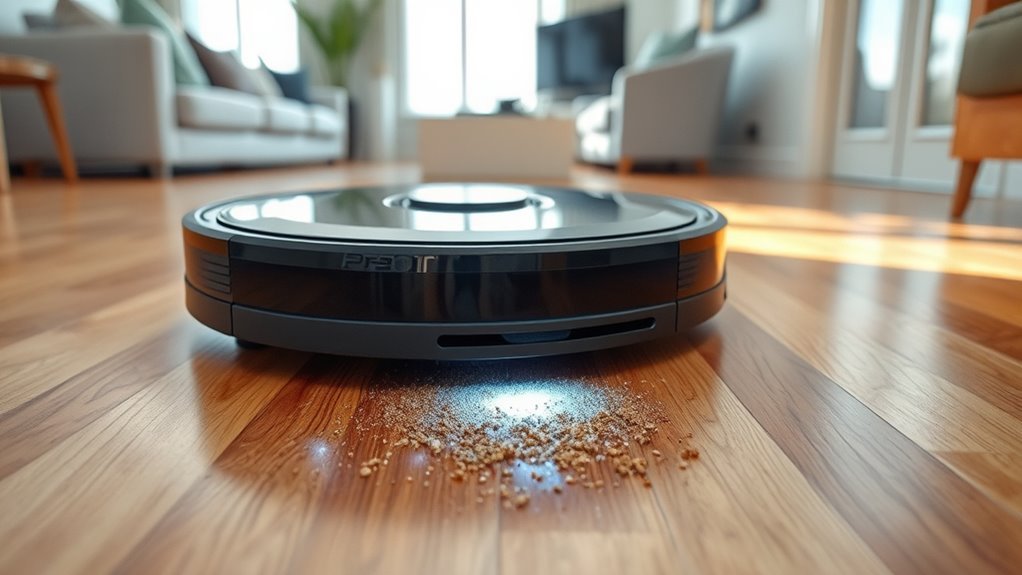
Dirt detection on a robot vacuum is a built-in feature that uses sensors to identify areas with heavier dirt buildup and adjust cleaning accordingly.
Dirt Detection helps the machine recognize where more effort is needed during a cleaning cycle, so it can apply extra passes in those spots. This supports a more independent approach to floor care, reducing the need for constant oversight.
Dirt Detection identifies spots that need extra attention, helping the vacuum make additional passes for a more thorough clean.
During use, indicators such as flashing lights or green dots on the Clean Map™ may show when Dirt Detection is active. The Clean Map™ report can also summarize where dirt was found and how the vacuum responded, giving a clear view of cleaning patterns and efficiency.
On advanced models, past cleaning data may help improve future results, allowing the vacuum to adapt to changing dirt levels. The result is more thorough cleaning with less wasted movement.
How Does Dirt Detection Work in Robot Vacuums?
At work inside a robot vacuum, dirt detection relies on built-in sensors, including infrared and optical types, to spot areas with more dust and debris as the machine cleans.
When dirt detected levels rise, the robot responds by changing its cleaning routine, often increasing suction or making extra passes over the same spot. This targeted response helps the machine spend effort where it matters most, instead of treating every room the same.
Many models also mark these areas on a Clean Map™ with green dots, giving a clear record of where cleaning was intensified.
In advanced units, AI can learn from earlier cleaning patterns and refine future decisions, making recognition faster and more accurate over time.
The result is a more efficient path to cleaner floors, with less wasted energy and shorter overall cleaning time for people seeking simpler, more autonomous upkeep.
What Sensors Power Dirt Detection?
A robot vacuum’s dirt detection system typically combines infrared, acoustic, and optical sensors to judge how much debris is present on a surface.
In dirt detection, infrared units measure floor distance and changes in reflected light, helping the robot vacuum cleaner notice dust, crumbs, and other small obstructions. Acoustic sensors listen for sound patterns created by particles moving under the machine, which can reveal how concentrated the dirt is.
Optical sensors add another layer by capturing surface images and identifying visible soil patterns, letting the system read carpets, tiles, and hard floors with greater accuracy.
These sensors feed data into onboard algorithms that process signals in real time. The result is a practical, adaptive approach that supports more efficient cleaning, allowing the robot vacuum cleaner to respond to conditions without wasteful overwork.
What a Robot Vacuum Does When It Detects Dirt
When dirt is detected, the robot vacuum activates Dirt Detect™ Technology and shifts its focus to the affected area.
It then makes extra cleaning passes to remove more debris and improve coverage.
These dirt events are also marked on the Clean Map™ with indicators such as green dots for later review.
Dirt Detect Activation
Once Dirt Detect™ activates, the robot vacuum uses its built-in sensors to identify areas with heavier dirt concentration and shifts its cleaning focus accordingly.
This Dirt Detect response directs more cleaning effort toward those zones while reducing time spent on already clean floors. The feature is usually shown by flashing blue or white lights, indicating that enhanced cleaning mode is active.
In practice, the vacuum adapts its path in real time, helping it work more efficiently and use battery power responsibly. The Clean Map™ report may later mark those spots with small green dots, giving a clear record of where extra attention was applied.
This process supports cleaner results with less wasted motion, which can feel like a small practical freedom.
Extra Cleaning Passes
Extra cleaning passes begin when the robot vacuum’s sensors detect dirt levels above normal thresholds, prompting Dirt Detect™ Technology to focus more time on the affected area.
This response helps clear Dirt where ordinary cleaning may fall short, without requiring manual intervention.
- Sensors identify concentrated debris.
- Extra cleaning passes target the spot.
- Suction and speed may adjust.
- Cleaning effort supports a fuller, freer result.
Clean Map Markers
Those extra cleaning passes do more than improve pickup in the moment; they also leave a record in Clean Map™ reports. When Dirt Detect™ senses concentrated debris, the robot vacuum responds with targeted passes, and the map marks each event with small green dots. These markers show where extra attention was needed, giving a clear view of how the machine adapted in real time.
| Marker | Meaning |
|---|---|
| Green dot | Dirt event logged |
| Dense cluster | Repeated Dirt Detect™ activity |
Such records help users see cleaning efficiency without guesswork. Clean Map™ data also reveals patterns across cycles, making it easier to understand where dirt gathers and how the robot performs. That transparency supports a more self-directed cleaning routine.
How Clean Map Shows Dirt Events
The Clean Map™ presents Dirt Detect™ activity as a set of small green dots, each marking a specific spot where the robot vacuum found higher levels of dirt and applied extra cleaning attention.
The Clean Map gives a practical record of where cleaning effort was concentrated, helping users see patterns without guesswork.
- Each dot identifies a precise dirt event.
- Reports are available in the iRobot Home App.
- The view summarizes cleaning efficiency over time.
- Repeated marks can guide future room planning.
How Dirt Detection Differs From Regular Cleaning
Regular cleaning follows a standard route and schedule, covering the floor in a fixed pattern.
Dirt detection adds adaptive spot cleaning by changing the vacuum’s actions in real time when sensors find heavier debris or pet hair. This targeted response often leads to extra passes in dirty areas while reducing effort in spaces that are already clean.
Adaptive Spot Cleaning
Unlike standard cleaning, which follows a fixed schedule or pattern, dirt detection lets a robot vacuum adjust its path in real time based on where sensors find heavier soil. This adaptive spot cleaning responds to dirt levels by revising the cleaning path and focusing effort where it matters most.
Instead of moving on after one pass, the machine can return for repeated coverage, producing a deeper clean with less waste.
- Sensors measure localized dirt levels.
- The robot changes its cleaning path instantly.
- Dirty zones receive multiple passes.
- Lights and Clean Map™ reports show when and where it activates.
For users, this means more control and less guesswork. The system supports a freer, more efficient way to clean, with attention directed where debris accumulates most.
Standard Route Cleaning
Standard route cleaning follows a fixed pattern or schedule, covering spaces evenly without changing behavior based on how dirty an area is.
In standard route cleaning, the robot treats each section the same, whether the floor is already clean or covered in debris. This approach is predictable and easy to manage, but it can waste time moving over areas that need little attention.
Dirt detection changes that model. Using sensors, the robot identifies dirtier zones, then adjusts its path, suction power, and number of passes in real time.
That makes cleaning more focused and efficient. Instead of distributing effort evenly, dirt detection directs more work where it is needed most, reducing unnecessary travel and improving results in hard-hit areas, supporting cleaner floors with less wasted labor.
What Dirt Detection Can Detect and Miss
Dirt detection in robot vacuums is designed to identify areas with heavier concentrations of debris, allowing the machine to focus cleaning where it is needed most. This dirt detection can sense dust, pet hair, and larger particles, then raise suction or slow the pass for deeper pickup.
Yet it may miss very fine debris that sensors do not register well, leaving a light residue behind.
- Detects visible dust buildup
- Picks up pet hair effectively
- Adjusts for larger crumbs and grit
- May overlook ultra-fine particles
Performance also varies by floor type. Carpets often give stronger readings because debris sits within fibers, while hardwood can offer less obvious signals.
For best results, sensors should be kept clean and maintained regularly. With that support, the system remains a practical tool for people seeking cleaner rooms and more control over everyday upkeep.
Why Dirt Detection Saves Time
By identifying concentrated debris and directing extra attention to those spots, dirt detection helps robot vacuums clean more efficiently and finish the job faster.
Instead of treating every room as equally dirty, the system concentrates effort where soil is heaviest, cutting unnecessary passes over already clean areas. In those zones, dirt detection can trigger multiple sweeps and stronger suction, delivering deep cleaning without wasting time elsewhere.
Because cleaning paths and power adjust in real time, the robot uses its battery more wisely and can cover more space before returning to charge. That means fewer interruptions and less waiting for a full reset.
Visual reports also show where dirt detection activated, giving a clear record of where attention was spent. The result is a more autonomous routine: less manual oversight, fewer repeat cleanups, and a faster path to a cleaner floor.
How to Keep Dirt Detection Working Well
To keep dirt detection working reliably, the robot vacuum needs regular maintenance and an uncluttered path. Clean sensors and brushes often so the machine can detect dirt accurately and respond to changing dirt levels without hesitation.
Clear floors of cords, toys, and other obstacles, because an open route helps the robot focus on dirtier areas instead of wasting effort.
- Wipe sensors with a soft, dry cloth.
- Remove hair and debris from brushes.
- Replace worn filters and brushes promptly.
- Use the iRobot Home App to track alerts.
Routine cleaning sessions also matter. Scheduled runs let the vacuum learn where dirt levels rise most often, improving its ability to detect dirt over time.
When accessories stay fresh and the route stays open, the robot works with greater independence and consistency.
Frequently Asked Questions
What Are the Downsides of Using a Robotic Vacuum Cleaner?
Robotic vacuum cleaners may offer convenience, but their Battery life, Cleaning efficiency, Maintenance requirements, and Floor types limitations can reduce usefulness. They often miss spots, require emptying, get stuck, and need supervision on large or cluttered homes.
Is It Okay to Run a Robot Vacuum Every Day?
Yes, running a robot vacuum daily is generally sensible. Daily cleaning benefits include less dust and debris, while robot vacuum efficiency often improves with consistent use. For many homes, frequent automation supports cleaner, freer living.
How Does a Robot Vacuum Know Where to Clean?
It knows through navigation technology and sensor types, which help it map rooms, avoid obstacles, and track coverage. Cameras, infrared, and acoustic sensors guide movement, while software plans efficient paths and revisits dirtier areas.
Why Isn’t My Roomba Picking up Dirt?
Like a clogged throat, a Roomba may miss dirt because brushes or pathways are blocked, dirt sensors are dirty, suction power is weak, the dustbin is misplaced, or filters need cleaning or replacement.
Conclusion
In the end, dirt detection helps a robot vacuum clean with more focus and less waste, like a flashlight finding the darkest spots in a room. By using sensors to spot debris, track surface changes, and adjust cleaning strength, it can spend more time where dirt is present and less time where floors are already clean. While not perfect, it is a practical feature that improves efficiency, saves time, and supports smarter home cleaning.