Robot vacuums can handle light salt on floors, especially with strong suction and soft brush systems. They may also help with fine residue when a mop function is included. Still, salt can scratch hard surfaces, and heavier buildup may be too much for a robot alone. The real question is how much salt is present, and when manual cleaning becomes the safer choice.
Are Robot Vacuums Good for Salt?
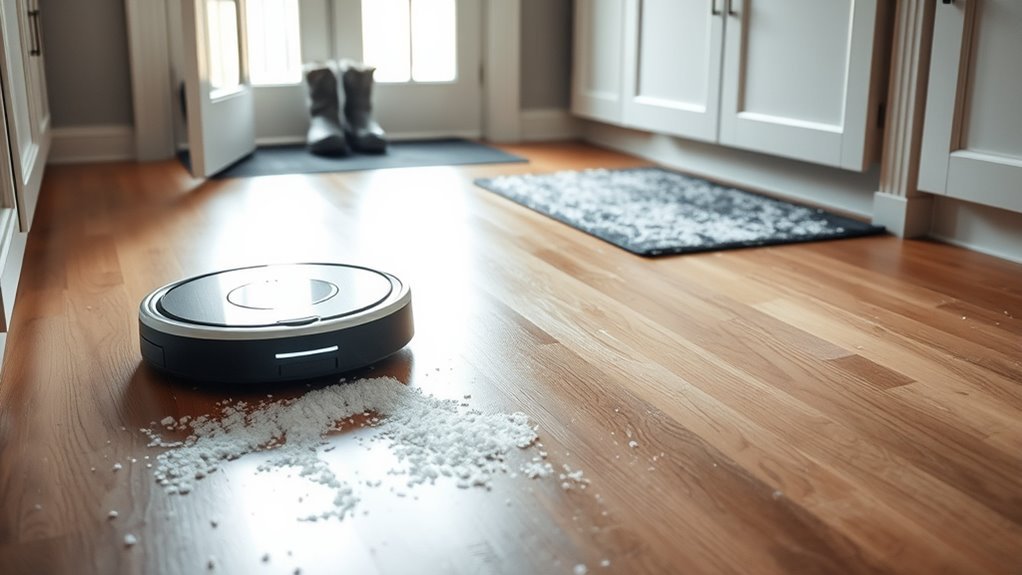
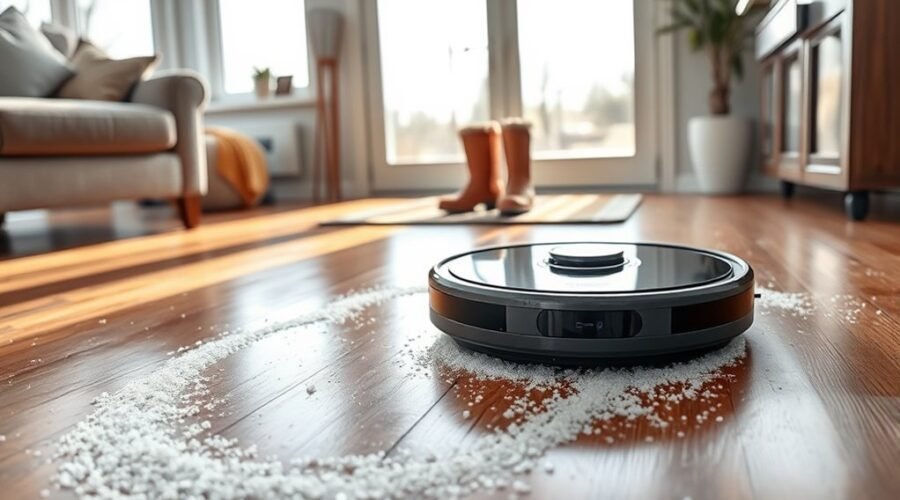
Robot vacuums can be effective for cleaning salt from hard floors, particularly when they have strong suction and brush systems built for debris pickup.
In practice, robot vacuums with adjustable suction power handle salt better, since higher settings can lift heavier debris without excessive wear on the floor.
Models with mopping capabilities can add value by dissolving and wiping away fine salt residue after vacuuming.
Reliable advanced navigation helps the machine cover open areas efficiently while avoiding repeated passes that may spread salt around.
Regular maintenance matters as well: the dust bin should be emptied often, and brushes checked for buildup, because salt can collect quickly and reduce performance.
For users seeking cleaner floors with less manual labor, a well-equipped robot vacuum can be a practical tool.
It is most effective on hard surfaces, where salt removal is straightforward and routine upkeep remains manageable.
Why Salt Can Scratch Hard Floors
While robot vacuums can remove salt from hard floors, the material itself can still pose a risk if it is left behind. Salt grains act as abrasive debris, and on hardwood or laminate they may cause scratching when walked on or dragged during cleaning. When moisture is present, salt can crystallize into sharper fragments, raising the chance of surface wear. High concentrations may also dull glossy tile and wood finishes, and repeated exposure can weaken protective sealants on wood floors.
| Surface | Salt Effect | Result |
|---|---|---|
| Hardwood | Abrasive grains | Scratching |
| Laminate | Crystals build | Dulling |
| Tile | High salt load | Etching |
| Sealed wood | Sealants weaken | More damage |
A robot vacuum with soft brush rolls and adjustable suction helps reduce risk, but careful cleaning still matters. Removing salt promptly supports longer floor life and preserves a cleaner, freer space.
Which Robot Vacuums Handle Salt Best
For salt cleanup, the best robot vacuums combine strong suction, adjustable power, and floor-safe brushes.
Models with powerful suction, such as the Dreame X60 Max Ultra Complete at 35,000 Pa, lift salt granules from hardwood floors and tile with less effort.
Powerful suction, like the Dreame X60 Max Ultra Complete’s 35,000 Pa, lifts salt from hardwood and tile with ease.
Among robot vacuums, units with mopping capabilities, like the Roborock QREVO Curv 2 Flow, add value by rinsing their mops during cleaning, which helps reduce salt residue and streaking.
Adjustable suction settings matter because they let users match output to the floor, preserving surfaces while still removing fine debris.
Specialized brushes, as seen on the Shark UV Reveal, can sweep up salt without adding scratches.
Regular maintenance also matters: washing and replacing mop pads keeps performance consistent and prevents leftover grit from being spread around.
In practice, the best robot vacuums for salt are those that balance force, control, and low-risk contact.
When You Should Clean Salt by Hand
Salt should be cleaned by hand when buildup is heavy or the residue has compacted into stubborn spots.
In these cases, a robot vacuum may leave grit behind or risk clogging its brushes and filters.
Manual cleaning helps remove all residue and reduces the chance of scratching the floor surface.
Heavy Salt Buildup
When salt builds up heavily on a floor, manual cleaning becomes the safer and more effective option. Heavy salt buildup can scratch surfaces, especially hardwood floors, so robot vacuums are not always enough.
Once salt hardens into a crust, many models struggle to lift it, even when mixed with dust and debris. Manual cleaning gives direct control, reduces wear, and helps prevent damage from residue left behind.
If salt is wet, the floor may become slick, creating safety risks that call for immediate hand cleaning. In winter or coastal areas, regular maintenance matters most.
Routine sweeping, scrubbing, and drying keep floors clear and preserve freedom from avoidable repair costs. When deposits are deep, traditional tools remain the most reliable choice.
Stubborn Residue Spots
Stubborn salt spots often need hand cleaning because robot vacuums may miss residue that has crystallized or sat on the floor for too long. On hardwood floors, gritty crystals and damp film can linger after salt spills, creating stubborn residue that needs manual scrubbing. Warm water and a gentle scrub brush help lift buildup without stressing the surface.
| Situation | Best response | Risk |
|---|---|---|
| Dry crystals | Hand clean | Scratch wear |
| Moist film | Wipe and scrub | Slippery haze |
| Tight edges | Clean corners manually | Missed buildup |
Regular maintenance matters: prompt cleanup limits damage and keeps robot vacuums focused on routine dust, not hardened salt.
How Robot Mop Combos Remove Salt Safely
Robot mop combos remove salt safely by pairing strong suction with damp mopping, allowing residue to be dissolved and lifted without spreading it across the floor.
These robot mop combos rely on cleaning pads that trap fine crystals while the suction clears loosened debris in one pass.
Adjustable water flow lets users customize moisture levels, which supports controlled salt removal on hard surfaces without flooding them.
Advanced navigation helps the machine detect high-traffic areas and concentrate effort where salt tends to gather, reducing wasted passes and keeping the process efficient.
Microfiber cleaning pads add another layer of control, holding particles securely as the mop moves.
Routine upkeep matters too: emptying the tank and washing the cleaning pads prevents crusting, preserves performance, and keeps salt from building up inside the unit.
For households seeking cleaner floors with less effort, this approach offers practical support and steady results.
Features That Prevent Scratches on Hard Floors
Once salt has been lifted from the floor, the next concern is protecting the surface from unnecessary wear. Robot vacuums help by pairing soft rubber wheels with gentle brush bars, a combination that can prevent scratches on hardwood floors and tile. Intelligent navigation reduces repeated passes, so the machine moves with purpose instead of grinding over the same area. Low-profile bodies also slip under furniture without scuffing finishes.
| Feature | Benefit | Surface effect |
|---|---|---|
| Soft rubber wheels | Gentle contact | Less abrasion |
| Gentle brush bars | Controlled pickup | Fewer marks |
| Intelligent navigation | Efficient routes | Less repeated wear |
| Adjustable suction power | Tuned cleaning | Safer on delicate floors |
| Debris management | Captures grit | Lower scratch risk |
Advanced models add adjustable suction power and debris management, keeping larger particles from being dragged across the floor. For households seeking cleaner, freer living spaces, these design choices support steady care without sacrificing performance.
How to Prevent Salt Buildup on Floors
Preventing salt buildup on floors starts with routine cleanup, since regular sweeping or vacuuming removes residue before it can accumulate into harder-to-manage deposits. A robot vacuum can help, but larger salt crystals may require more direct attention to clean hard floors fully and prevent tracking.
- Regularly vacuum entryways and high-traffic paths.
- Use a damp mop on hard floors to dissolve salt stains.
- Adopt a no-shoe policy indoors to limit winter salt indoors.
- Seal tile or hardwood and monitor humidity to reduce damage.
These steps keep salt from bonding to surfaces and make each cleaning faster. A hybrid machine with mopping can support maintenance, yet it works best after loose debris is removed.
Dehumidifiers may also help when moisture makes salt buildup worse. With consistent habits, floors stay cleaner, safer, and easier to maintain.
Frequently Asked Questions
What Removes Salt Residue From Floors?
Warm water with white vinegar removes salt residue effectively, supporting floor maintenance and surface protection. A pH-neutral cleaner, damp microfiber, and careful cleaning techniques aid residue removal; eco friendly options help winter cleaning and reduce salt damage.
What Are the Downsides of Using a Robotic Vacuum Cleaner?
Downsides include limited suction power, imperfect navigation accuracy, surface compatibility issues, higher noise levels, ongoing robot maintenance, shorter battery lifespan, and weak value in price comparison, making them less freeing for demanding cleaning tasks.
What Is a Good Floor Cleaner That Neutralizes Salt?
A pH-neutral salt neutralizer, ideally 6.5–7.5, works best for floor maintenance. Enzyme-based or mild vinegar solutions support residue prevention, seasonal cleaning, and eco friendly solutions; verify robotic vacuum compatibility before use and follow cleaning tips.
What Is a Good Floor Cleaning Solution for Robot Vacuums?
A pH-neutral, hardwood-safe concentrate, such as Bona Hard-Surface Floor Cleaner, suits robot vacuum features; user reviews often praise floor cleaning effectiveness. A hypothetical tiled entryway shows salt damage prevention improves with eco friendly solutions and maintenance tips.
Conclusion
In the grand drama of winter grit, robot vacuums can play the diligent intern: they collect loose salt, brush up fine residue, and even mop away the evidence without much complaint. But when salt hardens into a crusty little dictatorship, the machine bows out and a human has to intervene. For best results, use soft brushes, strong suction, and regular cleaning habits to keep floors smooth, safe, and free of crunchy betrayal.