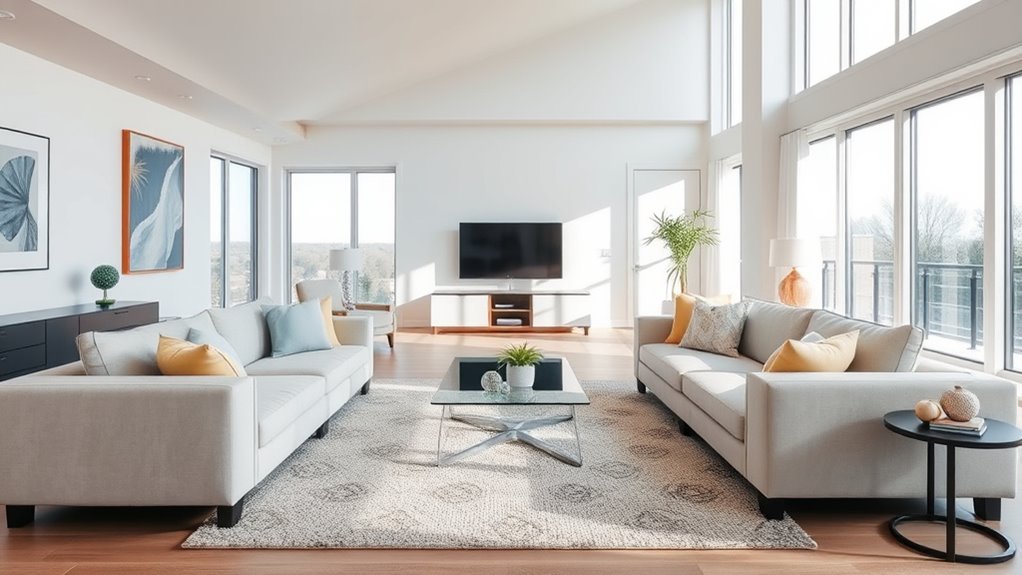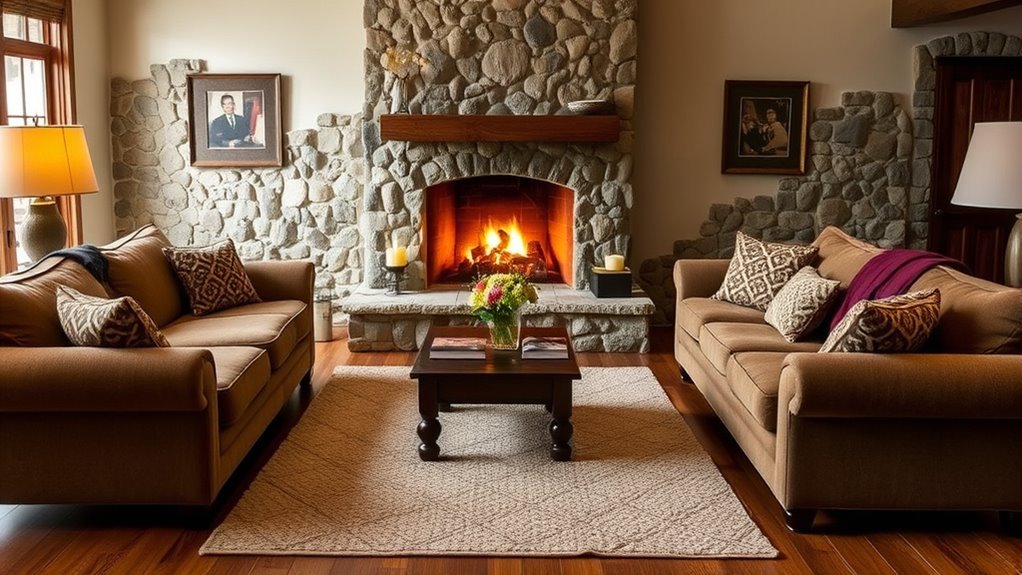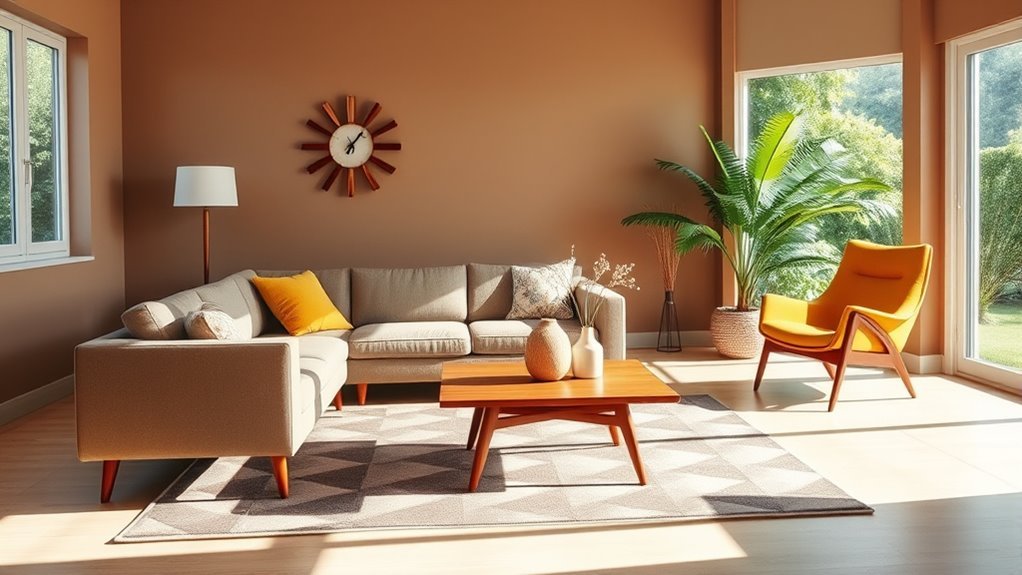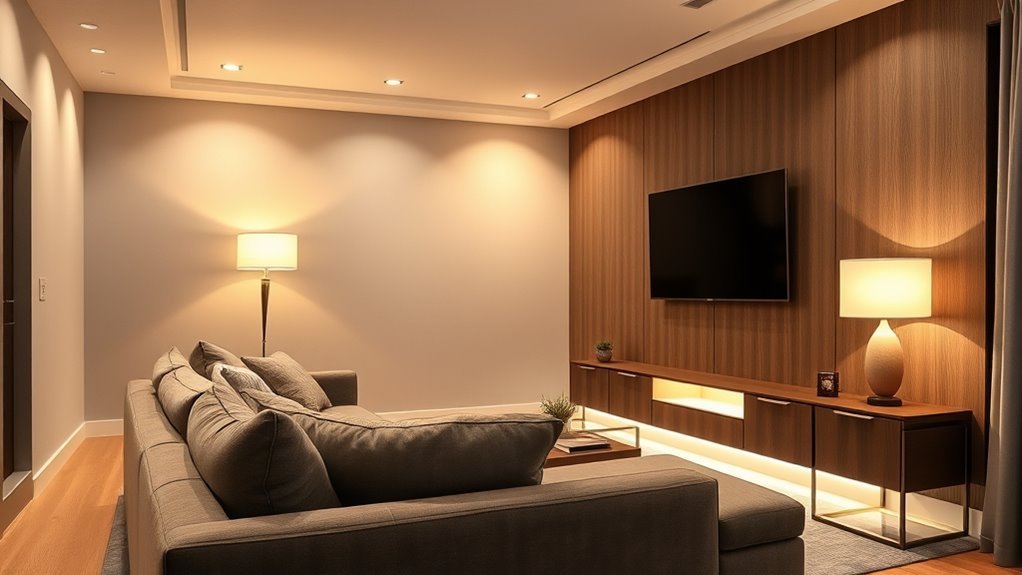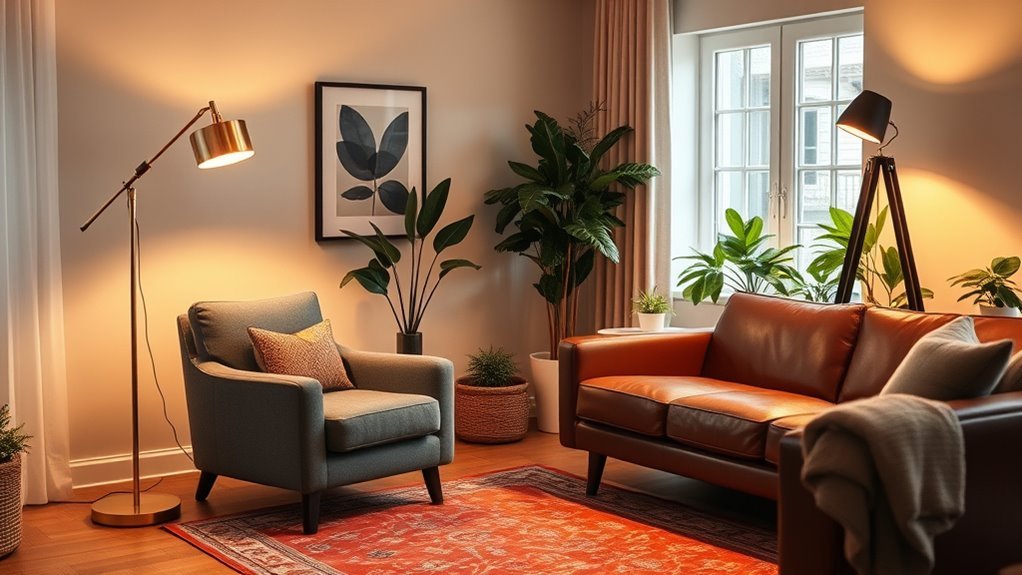
To choose and place floor lamps in your living room, start with the way you actually use the room: reading, relaxing, watching TV, entertaining, or filling a dark corner. Then match the lamp type, height, shade, bulb brightness, and placement to that job. The best floor lamp should look intentional, light the right zone, avoid glare, and keep cords safely out of walkways.
Quick Answer
Choose a living room floor lamp by matching it to a clear purpose: task lighting for reading, ambient lighting for softness, or accent lighting for style. Place it near seating, corners, or dark zones, keep the bulb near seated eye level when possible, use warm LED bulbs, and check for glare, shadows, and safe cord routing.
Key Takeaways
- Pick the lamp for the job first: reading, ambient glow, accent lighting, or filling a dark corner.
- Use bulb brightness in lumens, not just watts, and stay within the lamp’s maximum wattage rating.
- Warm white bulbs around 2700K–3000K usually feel best in living rooms, while slightly cooler light can help task areas.
- Place lamps near seating, corners, consoles, or reading chairs, then test the room at night for glare and shadows.
- Keep cords visible enough to inspect, out of walkways, and never hidden under rugs.
At a Glance
| Time Required | 20–45 minutes to assess the room, test placements, and choose bulb settings |
| Difficulty | Easy |
| Tools Needed | Tape measure, outlet check, bulb package details, and a phone camera for testing glare and dark spots |
| Cost | Usually the cost of the lamp plus one or two LED bulbs; dimmable or smart bulbs cost more |
How to Assess Your Floor Lamp Lighting Needs for the Living Room
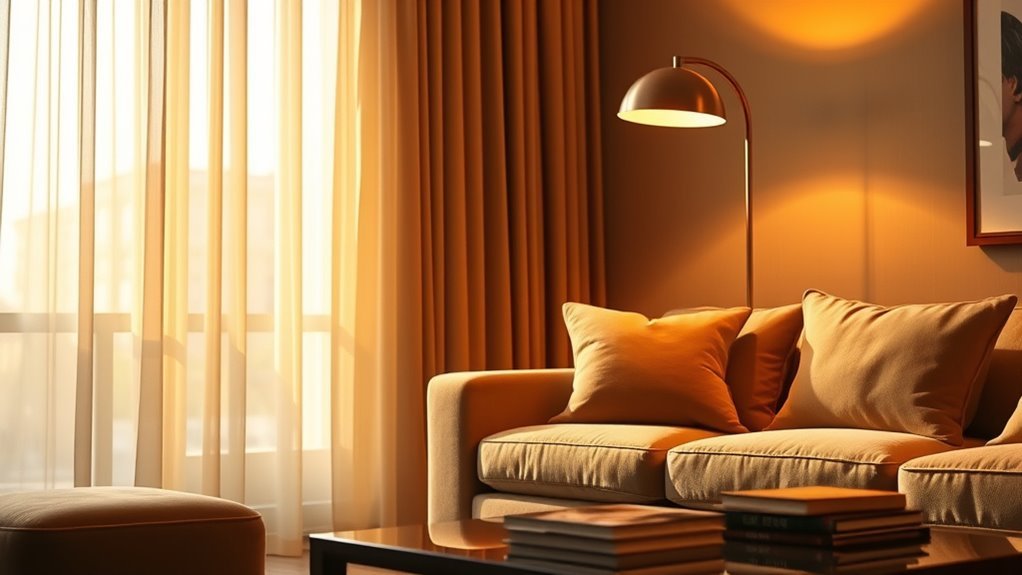
Before choosing a floor lamp, look at your living room after sunset. Daylight can hide the real problem areas, so turn on your existing lights and notice where the room still feels dim, flat, or uncomfortable. Check the sofa, reading chair, TV wall, corners, side tables, console area, and any walkway that feels shadowy.
Next, decide what each lamp needs to do. A reading chair needs focused task light. A conversation area needs soft, flattering ambient light. A dark corner may need an uplight or tall shade that spreads light upward. A decorative corner can handle a sculptural lamp with a softer glow.
Also consider room size, ceiling height, furniture scale, wall color, and natural light. Dark paint, heavy curtains, and deep upholstery can absorb light, so those rooms often need more total lumens or more than one lamp. Pale rooms may need fewer lumens but better glare control, because bright bulbs can feel harsh against light walls.
Recommended Products

【Sturdy and Safe Tall Pole Lamp】Tall lamps for living room is about 72 inches high with a well-weighted, high-stability standing lamp base, heavy enough to hold the whole floor lamp - prevent being tipped over includes the aged, child, pets, etc. The thick chrome finish lamp poles make it a practical corner lamp for accent or reading lighting at your office, desk and bedside.
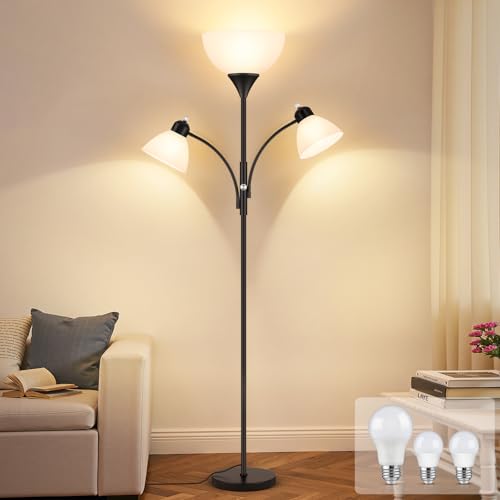
Included 3 Ultra-Bright Bulbs with 1900 Lumens: Coucrek adjustable floor lamp features 3 lights (1 Torchiere light + 2 reading lights) delivering 1900 total lumens for brilliant illumination. The 9W main bulb (900 lumens) and 5W reading bulbs (500 lumens each) provide perfect 3000K warm white light, gentle on the eyes yet bright enough for reading or tasks. Enjoy long-lasting 25,000+ hour bulb life, reducing frequent replacements.
Check Your Existing Light Sources
A floor lamp works best as one layer of a lighting plan, not as the only light in the room. Note what you already have: ceiling lights, sconces, table lamps, picture lights, candles, or daylight from windows. Your new lamp should fill a gap instead of duplicating a light source that already works.
- If the ceiling light feels harsh: add a shaded floor lamp for warmer, lower-level light.
- If one corner disappears at night: add a torchiere, globe lamp, or tall fabric shade.
- If reading strains your eyes: add an adjustable task lamp beside the seat.
- If the room feels flat: add a lamp with texture, height, or a sculptural base.
Choose a Floor Lamp Style That Complements Your Decor
When picking a floor lamp, think about how its shape, finish, shade, and scale fit the living room’s decor. A lamp should feel connected to the room, but it does not have to match every metal, wood tone, or fabric perfectly. In many rooms, a floor lamp works best when it repeats one element and contrasts another.
Recommended Products

Modern Floor Lamp with 0-100% Fully Dimmable Brightness :Compared to traditional non-dimmable living room floor lamps, our unique floor lamp offers a full stepless dimming function(0 - 100%), making it adaptable to various room styles and lighting requirements you need. This brass floor lamp with linen shade has a convenient knob switch – simply twist it to customize your favorable lights of floor lamps for living room and bedrooms

Exceptional Support: Proudly based in California, O'Bright offers direct and personal customer service. Reach out to us by phone or email for any inquiries or warranty needs. Experience the peace of mind that comes with accessible, real-person support from an established American company.

[FLOOR LAMP]: SAFAVIEH's Renla floor lamp is a 17.25" standing lamp for a living room, bedroom or reading nook, under an iron shade.
Match Existing Color Palette
To create a cohesive and inviting living room, choose a floor lamp that works with your existing color palette. Neutral shades like white, cream, linen, gray, or black can blend quietly into the room. A bold shade or colorful ceramic base can become a statement piece if the rest of the room is simple.
For a modern space, try slim metal, matte black, brass, glass, or a clean drum shade. For a rustic or farmhouse room, wood, woven textures, linen shades, or aged metal feel warmer. For a traditional room, consider a pleated shade, turned base, antique brass, or classic pharmacy lamp.
Consider Room Functionality
While considering the functionality of your living room, choose a lamp style that supports the way the room is used. A sculptural lamp may look beautiful, but it will not solve a reading problem if the shade blocks too much light. Start with function, then choose the prettiest version of that function.
| Function | Best Lamp Style |
|---|---|
| Reading | Adjustable task lamp, pharmacy lamp, or downlight floor lamp |
| Relaxation | Fabric shade, globe lamp, or dimmable ambient lamp |
| Entertaining | Statement lamp with warm, flattering light |
| Dark corner | Torchiere, arc lamp, or tall shade that spreads light |
| Accent feature | Sculptural, colorful, or textured lamp |
Explore Various Design Styles
Choosing a floor lamp that harmonizes with your living room’s design style can make the room feel more finished. Use these ideas as a starting point:
- Mid-century modern: choose clean lines, warm wood, brass, cone shades, or tripod bases.
- Rustic charm: choose natural materials like wood, rattan, linen, ceramic, or woven shades.
- Industrial edge: choose black metal, exposed hardware, cage shades, or adjustable arms.
- Minimalist: choose slim silhouettes, simple shades, and quiet finishes.
- Traditional: choose a classic column base, pleated shade, pharmacy lamp, or warm metal finish.
- Bohemian: choose rattan, fringe, sculptural shapes, handmade textures, or a soft diffused shade.
Choose the Right Type of Floor Lamp
Different floor lamps spread light in different ways. A torchiere sends light upward and is useful for dark corners. An arc lamp can reach over a sofa or sectional when there is no side table. A task lamp points light downward for reading. A tripod lamp adds presence and works well in larger rooms. A globe or shaded lamp creates a softer glow for general ambiance.
Pro Tip: If your living room already has many straight lines, such as a rectangular sofa, square coffee table, and clean-lined media console, a round shade or curved arc lamp can soften the room. If the room has many soft shapes, a slim linear lamp can add structure.
What to Consider About Floor Lamp Height and Shade Color
When deciding on the perfect floor lamp, height and shade color shape both comfort and mood. Many standard floor lamps fall around 58 to 64 inches tall, but the better rule is this: when you are seated, the bulb should not shine directly into your eyes. The shade should hide the brightest part of the bulb, and the light should land where you need it.
Shade color matters too. A white, cream, or linen shade usually spreads more light and keeps the room airy. A black, charcoal, or opaque shade focuses light more dramatically and can feel intimate, but it may not brighten a dark room as well. Patterned or textured shades add personality, but they can also cast shadows, so test them at night if possible.
Recommended Products

Multi-Function Dimmable Lamp: Vertical lamp includes an 12W dimmable LED bulbs that can be set to different color temperatures (3000K-6500K). 5%-100% dimmable brightness can be used to create different atmospheres and customize your favorite bedroom floor lamp.

2026 Upgrade: We always put users first and noticed customers expect greater durability and stability from their floor lamps. In February, we upgraded our materials to include high-quality LED bulbs and a full metal body, earning ETL certification. Our lamp is built to be more stable and durable, eliminating issues like sudden shut-offs and unsteady stands. Enjoy superior quality for a more convenient and comfortable life.

[DIMMABLE FLOOR LAMP FOR BRIGHTNESS & COLOR] This tall lamp can use the remote control to adjust the brightness by stepless from 10% to 100% and color temperature from 3000K to 6000K, for warm white, natural white, and cool white light. You can adjust the brightness from super soft and cozy to bright and energizing, and switch between warm, natural, and cool light depending on your mood.
Choose Bulbs by Lumens, Kelvin, and CRI
Do not choose a bulb by wattage alone. ENERGY STAR explains that brightness is measured in lumens, not watts. A soft accent lamp may only need about 450 lumens, while a reading lamp often works better around 800 lumens or more, depending on shade type, distance, and your eyesight.
For living rooms, warm white bulbs usually feel best. The U.S. Department of Energy explains that lower color temperatures around 2700K–3000K are considered warm, while higher Kelvin temperatures look cooler. For most living rooms, 2700K creates a cozy glow, 3000K feels warm but a little cleaner, and 3500K can work for task areas where you want more clarity.
Also check CRI, or Color Rendering Index, if you care about how fabrics, art, wood, and paint colors look at night. A CRI of 80 or higher is a good baseline for most living rooms, while 90+ can make colors look richer and more accurate.
Warning: Always follow the lamp’s maximum wattage rating, use bulbs marked as compatible with the fixture and dimmer, and stop using any lamp or cord that feels hot, smells burnt, flickers unusually, or shows damage. Do not hide extension cords under rugs or use them as permanent wiring.
Strategically Position Floor Lamps for Maximum Functionality
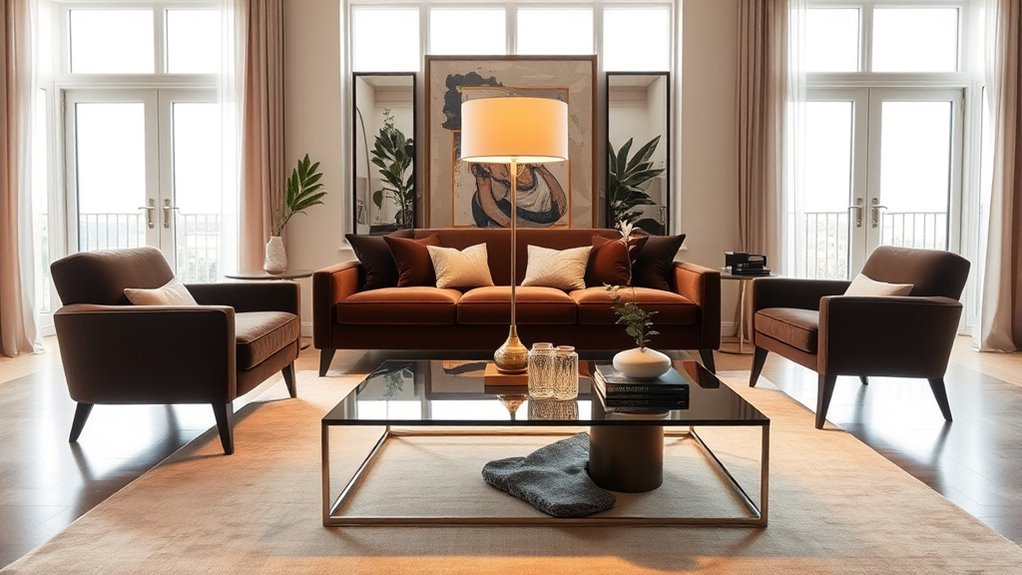
To maximize functionality, start by identifying key areas in your living room that need illumination, like reading nooks, conversation spaces, side tables, dark corners, and traffic paths. A good placement should improve how the room works without blocking movement or creating visual clutter.
Identify Key Areas
Strategically positioning floor lamps in your living room can transform the space, making it more functional and inviting. Start by identifying where activities happen:
- Reading zones: place an adjustable lamp beside or slightly behind a chair so the light falls over your shoulder onto the book.
- Game areas: use a lamp with a wider shade or brighter bulb so puzzles, cards, and board games are easy to see.
- Social spaces: use warm-toned bulbs and shaded lamps near sofas or accent chairs to flatter faces and soften the room.
- Workspaces: use a directed task lamp if the living room doubles as a laptop, writing, or homework spot.
- Dark corners: use an uplight or tall shaded lamp to lift the room visually and reduce harsh contrast.
Balance Light Sources
Achieving a harmonious balance of light sources in your living room elevates both comfort and functionality. Use ambient lighting by placing floor lamps in corners or near seating areas to create a warm atmosphere while avoiding harsh shadows. Taller lamps can spread light widely, while shorter or adjustable options are better for focused tasks like reading.
Try not to place every light on one side of the room. If the left side has a floor lamp, balance the right side with a table lamp, sconce, picture light, or another floor lamp. Balanced lighting makes the room feel calmer and prevents one bright area from making the rest of the room look darker.
Avoid Glare and TV Reflections
Glare can ruin an otherwise beautiful lamp placement. Sit in every main seat and look toward the lamp, TV, artwork, mirrors, and windows. If you can see the bare bulb or a bright reflection on the screen, adjust the shade, move the lamp a few inches, lower the brightness, or switch to a diffused bulb.
For TV rooms, place floor lamps beside or behind seating rather than directly beside the screen. A soft lamp behind a sofa or in a rear corner can reduce contrast without reflecting across the television.
Layer Your Lighting for Enhanced Ambiance
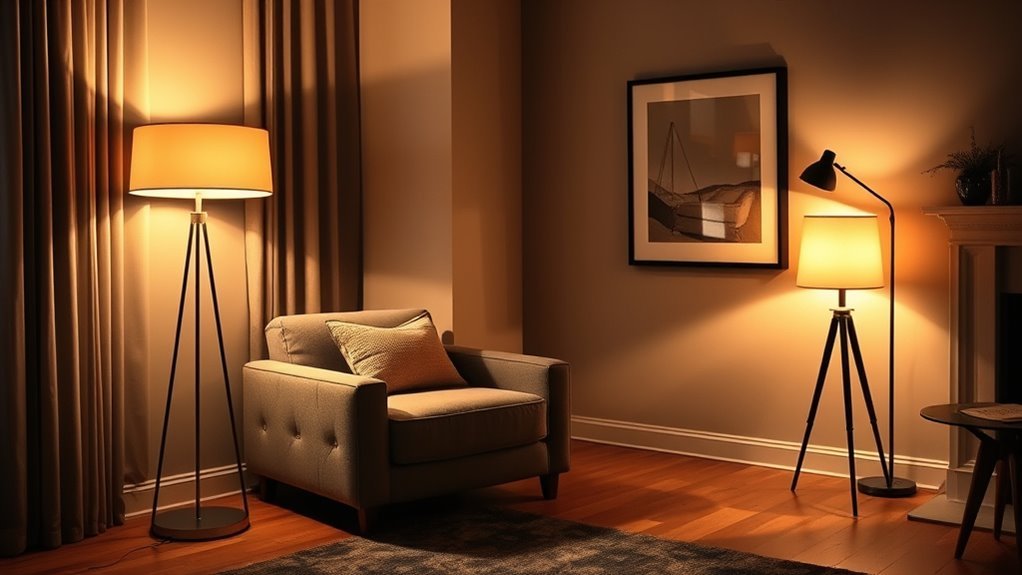
While creating a warm and inviting living room, layering your lighting is essential for enhancing ambiance. The simplest formula is to combine three layers: ambient light for the whole room, task light for specific activities, and accent light for mood or focal points.
- Ambient lighting: ceiling lights, shaded floor lamps, torchieres, and large glowing shades.
- Task lighting: adjustable floor lamps, reading lamps, and pharmacy lamps.
- Accent lighting: small pools of light near art, plants, shelves, fireplaces, or architectural details.
Dimmable floor lamps are especially helpful because the same lamp can support reading early in the evening and a softer glow later at night. If you use LED bulbs, make sure both the bulb and the lamp or dimmer are marked as dimmable.
How to Fine-Tune Your Lamp Placement for Better Results
After layering your lighting for that inviting ambiance, fine-tuning your lamp placement can elevate the overall effect even further. Start by placing the lamp where you think it belongs, then test it in real conditions: at night, with the TV on, while seated, and while walking through the room.
| Lamp Placement Tip | Why It Works |
|---|---|
| Place lamps near natural light sources for balance | The room feels consistent from day to night |
| Keep the bulb or shade near seated eye level when possible | It reduces direct glare and improves comfort |
| Use multiple lamps instead of one very bright lamp | Layered light feels softer and reduces dark corners |
| Move the lamp 6–12 inches at a time while testing | Small adjustments can fix shadows, glare, and awkward scale |
Note: A floor lamp should not pinch traffic flow. Leave enough room to walk comfortably around the base, and route the cord along a wall or behind furniture without covering it under a rug.
Evaluate the Overall Impact of Your Floor Lamps on the Room
Evaluating the overall impact of your floor lamps can transform your living room into a harmonious retreat. Once the lamp is in place, step back and check both the look and the function.
- Does the lamp size feel balanced with the sofa, chairs, and ceiling height?
- Does the finish repeat at least one other material in the room?
- Does the shade hide the bulb from seated eye level?
- Is the light bright enough for the task without feeling harsh?
- Are there dark corners that still need another lamp or accent light?
- Does the lamp create glare on the TV, mirrors, framed art, or windows?
- Is the cord routed safely and kept out of walkways?
If something feels off, do not assume you chose the wrong lamp right away. Try a warmer bulb, a lower-lumen bulb, a different shade, or a small placement shift first. Often, the lamp is right but the bulb or position needs adjusting.
Frequently Asked Questions
How do I choose a floor lamp when I cannot decide?
Start with the job the lamp must do. If you need reading light, choose an adjustable task lamp. If the room feels dark, choose a taller shaded lamp or torchiere. If the room already has enough light, choose a statement lamp for style. Function first makes the style decision easier.
How tall should a living room floor lamp be?
Many standard floor lamps are about 58 to 64 inches tall, but the best height depends on your seating and shade. When you sit down, the bulb should not shine directly into your eyes. For reading, the light should fall onto the page or task area, not your face.
How many floor lamps should a living room have?
Most living rooms need one or two floor lamps, depending on size and existing lighting. A small room may only need one lamp near a chair or dark corner. A larger room or sectional layout may need two lamps balanced on different sides of the seating area.
What bulb is best for a living room floor lamp?
A warm LED bulb is usually best. Try 2700K for a cozy glow or 3000K for a cleaner warm light. For brightness, choose lumens based on the task: softer accent lamps can use lower lumens, while reading lamps often need about 800 lumens or more.
Should floor lamps match table lamps?
They do not have to match exactly. A room usually feels more collected when lamps coordinate through one shared detail, such as finish, shade color, shape, or style. For example, a brass floor lamp can pair well with a ceramic table lamp if both have warm white shades.
Where should I put a floor lamp in a small living room?
In a small living room, place the floor lamp where it solves more than one problem. A slim lamp beside the sofa can light a reading spot and add evening ambiance. A corner lamp can brighten the room without taking up table space. Avoid wide tripod bases in tight walkways.
How do I prevent floor lamp glare on a TV?
Place the lamp beside or behind seating rather than next to the TV screen. Use a shade that hides the bulb, choose a lower-lumen or dimmable bulb, and test the lamp from each seat. If you still see reflections, move the lamp a few inches or angle the shade away from the screen.
Conclusion
By thoughtfully selecting and positioning your floor lamps, you can transform your living room into a warm, inviting space that works better every evening. Start with the room’s real lighting needs, choose a lamp style that fits your decor, use the right bulb, and test the placement from each seat. The best result is not just a prettier lamp—it is a living room that feels balanced, comfortable, safe, and easy to use.
Sources
- U.S. Department of Energy — Lighting Choices to Save You Money — supports LED efficiency, longevity, and energy-saving guidance.
- U.S. Department of Energy — Lighting Principles and Terms — supports Kelvin, CRI, glare, ambient lighting, task lighting, and accent lighting guidance.
- ENERGY STAR — Learn About Brightness — supports choosing bulbs by lumens instead of watts.
- Electrical Safety Foundation International — Extension Cord Safety Tips — supports extension cord, overload, heat, and cord-routing safety guidance.