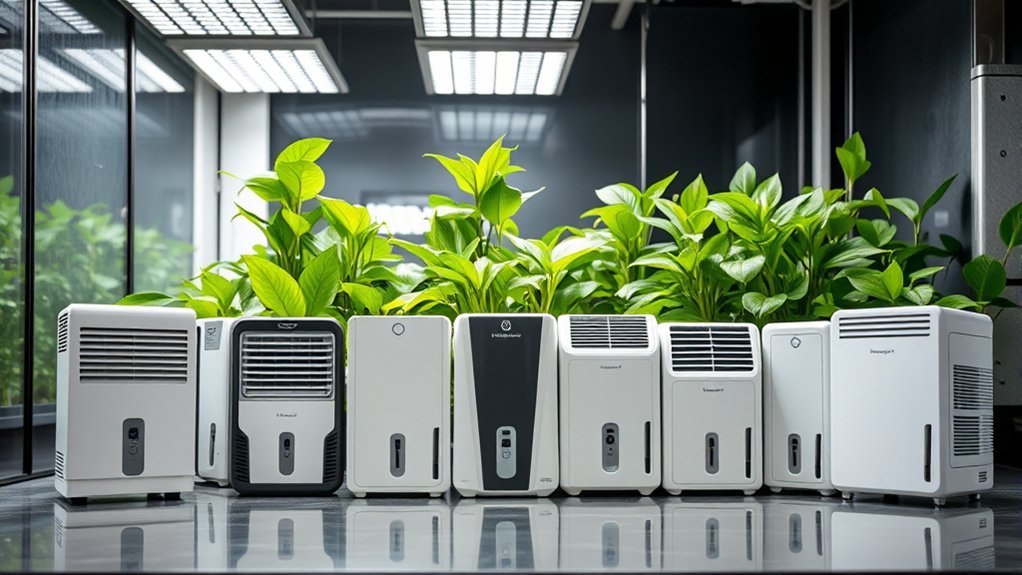
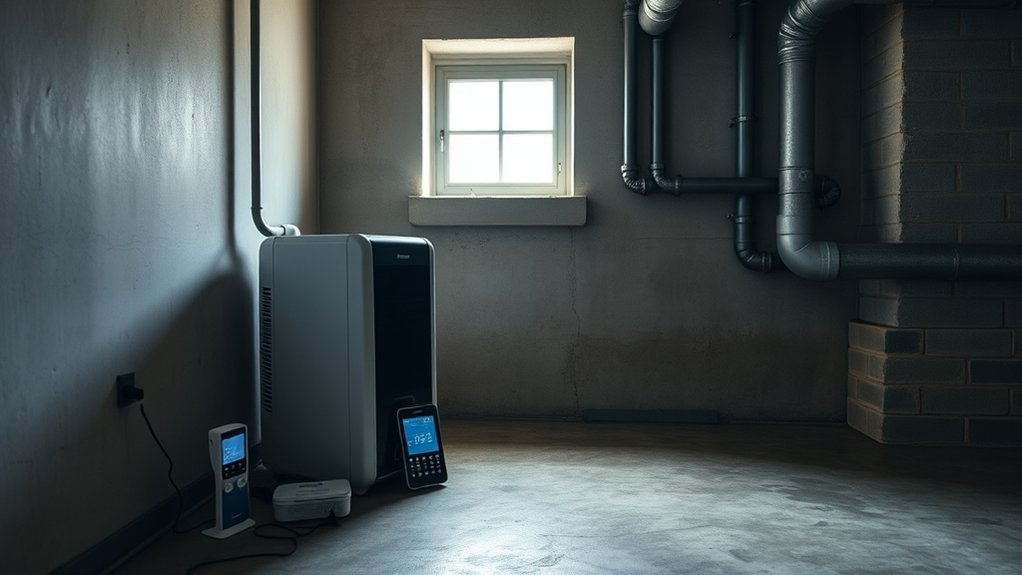
Choosing the right 5/8-inch drain line for a basement dehumidifier helps you avoid water backups, wet floors, hidden clogs, and messy bucket emptying. The best option depends on your dehumidifier outlet size, drain distance, hose flexibility, kink resistance, and whether you need a simple gravity-drain hose or a longer condensate-style setup. Below, you’ll find clear tubing, model-specific drainage kits, reinforced PVC hose, and long HVAC drain lines that can work for different basement layouts.
Quick Verdict: Best 5/8 Drain Line Options for Basement Dehumidifiers
Best overall simple drain line: Clear Vinyl Tubing 5/8″ ID × 13/16″ OD because it gives you a true 5/8-inch inner diameter, a clear wall for checking flow, and a manageable 10-foot length.
Best long-run tubing: Eastrans Clear Vinyl Tubing, 50ft x 5/8″ ID because it gives you more routing distance while staying clear, flexible, and easy to cut.
Best heavy-duty option: DAVCO Braided Clear PVC Tubing because the reinforced wall helps reduce kinks in tighter basement layouts.
Best model-specific kit: Midea Dehumidifier Water Hose Connector and Drainage Pipe Set if you own a compatible Midea dehumidifier and want the connector included.
Quick Comparison Table
| Product | Best For | Key Fit Detail | Main Benefit | Amazon |
|---|---|---|---|---|
| Flehomo Universal Drain Hose | Long HVAC-style drainage routes | 5/8-inch hose, 50 ft | Flexible outdoor or indoor routing | Check Price |
| Clear Vinyl Tubing 5/8″ ID × 13/16″ OD | Short basement drain runs | 5/8-inch ID, 10 ft | Clear flow checking | Check Price |
| Eastman Clear Vinyl Tubing, 20 Foot | Flexible drainage where 1/2-inch ID fits | 1/2-inch ID, 5/8-inch OD | Easy trimming and clear flow view | Check Price |
| Midea Drainage Pipe Set | Compatible Midea dehumidifiers | 5-meter kit with connector | Model-specific replacement setup | Check Price |
| Eastrans Clear Vinyl Tubing | Long basement routes | 5/8-inch ID, 50 ft | Long, clear, cut-to-fit tubing | Check Price |
| DAVCO Braided Clear PVC Tubing | Kink-prone tight layouts | 5/8-inch ID, reinforced wall | Heavy-duty kink resistance | Check Price |
| Condensate Pump Drain Hose | Very long HVAC-style runs | 5/8-inch ID, 164 ft | Long routing flexibility | Check Price |
Before you buy: Always check your dehumidifier’s drain outlet size first. A “5/8” hose may refer to inner diameter or outer diameter, and some dehumidifiers need a threaded adapter, clamp, or brand-specific connector.
Flehomo Universal Drain Hose for Mini Split Systems
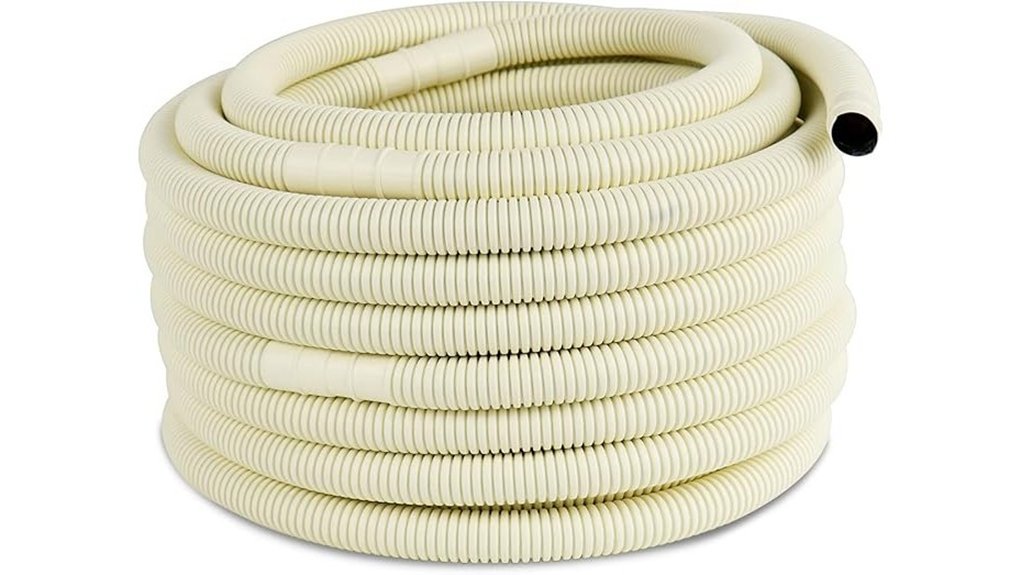
Best for long HVAC-style drainage routes: The Flehomo 50 Ft Universal Drain Hose is a strong pick if you need a flexible, durable line for a mini split system, condensate setup, or similar drainage route that may need extra length. You get 50 feet of 5/8-inch hose made from tough PE with a carbon fiber inner layer, so it can handle indoor or outdoor use while staying easier to route than stiff pipe.
Its smooth interior helps reduce drain friction and sludge buildup, which matters when the line runs across a basement wall, behind equipment, or toward a floor drain. You can trim it as needed, and the sockets every 39 inches make connections simpler. Flehomo backs it with a 30-day return option.
Why you’ll like it: This hose is useful when a short vinyl tube will not reach your drain point. It gives you more routing freedom and can be cut down instead of forcing you to join multiple short hoses.
Best For: DIY homeowners, HVAC installers, and mini split users who need a long, flexible, UV-resistant drain hose for indoor or outdoor setups.
Pros:
- 50-foot length gives plenty of reach for a variety of drainage and mini split installations.
- Durable PE construction with a carbon fiber inner layer helps it resist UV damage and weather wear.
- Smooth inner pipe and built-in sockets every 39 inches make it easier to cut, connect, and maintain.
Cons:
- May be longer than needed for smaller or simpler basement dehumidifier installations.
- 5/8-inch inner diameter may not fit every dehumidifier outlet without checking compatibility first.
- No detailed warranty terms are provided in the text beyond the 30-day return option.
Buy this if: You need a longer line and want a cut-to-fit hose that can handle a more complex route.
Avoid this if: Your dehumidifier sits right beside a floor drain and only needs a short, simple hose.
Clear Vinyl Tubing 5/8″ ID × 13/16″ OD
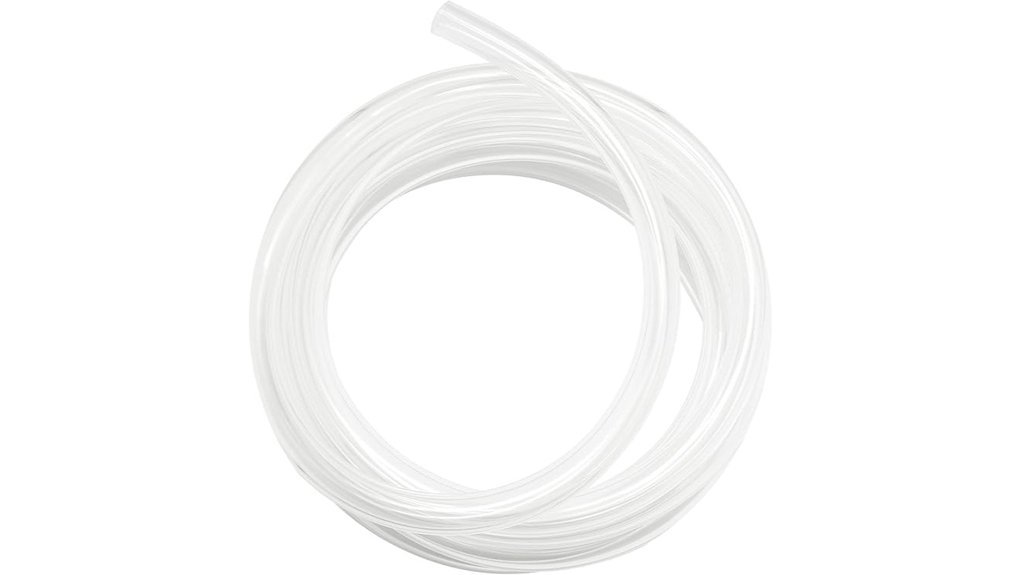
Best simple 5/8-inch basement drain line: If you need a sturdy, see-through drain line, this clear vinyl tubing fits the job well. You get 5/8″ ID by 13/16″ OD PVC tubing with a 3/32-inch wall, so it feels firm and resists kinks better than very thin tubing.
Its clear body lets you check water flow at a glance, which is helpful when your dehumidifier runs daily and you want to spot clogs before they cause overflow. The 10-foot length gives you room to route a dehumidifier drain cleanly without leaving too much extra slack. It handles 45 PSI and temperatures from 23°F to 149°F. You can also cut it to size, and it works for aquariums, pumps, irrigation, and other drainage tasks.
Why you’ll like it: The clear wall is the biggest advantage. You can quickly see whether water is moving, whether algae or residue is building up, and whether the hose needs flushing.
Best For: Homeowners, hobbyists, and DIY users who need a sturdy, clear, easy-to-cut vinyl tube for drainage, water transfer, aquariums, irrigation, or light industrial use.
Pros:
- Clear PVC construction makes it easy to monitor flow.
- Thick 3/32-inch wall helps resist kinking and improves durability.
- Versatile 10-foot length suits many drainage and tubing projects.
Cons:
- 45 PSI working pressure may be too low for higher-pressure applications.
- Firm 73A hardness makes it less flexible than softer tubing.
- Temperature range is limited for very hot or very cold environments.
Buy this if: You want a true 5/8-inch inner diameter hose for a short, visible basement drain run.
Avoid this if: You need a very soft tube for tight bends or a longer run across a large basement.
Eastman Clear Vinyl Tubing, 20 Foot (98622)
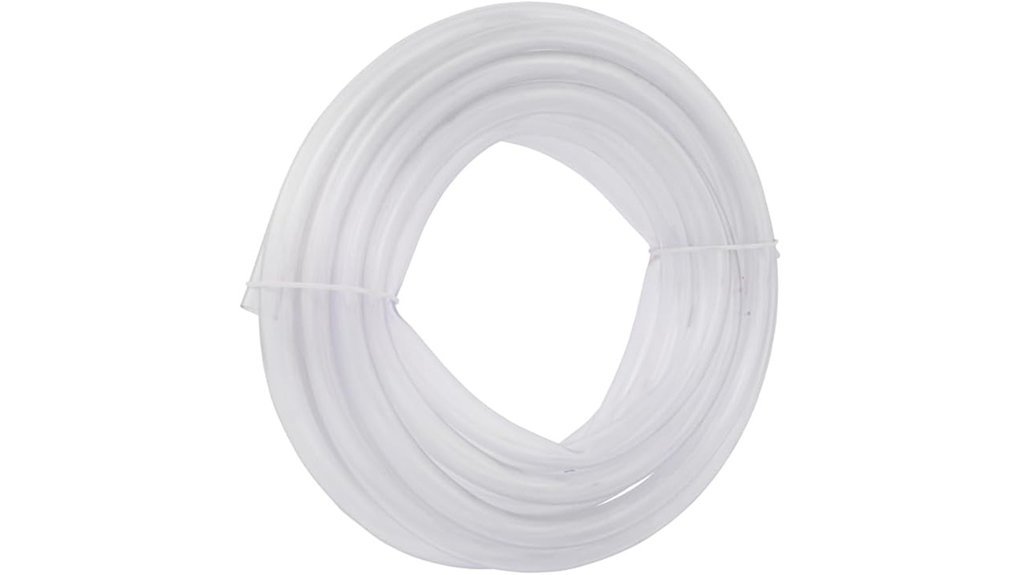
Best for setups that need 1/2-inch ID tubing: Eastman’s 20-foot clear vinyl tubing works best when you need a flexible, easy-to-trim drain line and your dehumidifier accepts this size. This product has a 1/2-inch ID and 5/8-inch OD, so check your drain outlet carefully before buying if your target is a true 5/8-inch inner diameter hose.
The clear wall lets you check flow at a glance, and the 20-foot length gives you more routing room than a short 10-foot hose. Its 1/16-inch thickness handles 19 to 55 PSI and temperatures up to 170°F, so it’s sturdy enough for many basement drainage tasks. You can also use it for potable water, aquariums, or lab tasks. It’s FDA compliant, but it isn’t ideal for ice maker supply.
Why you’ll like it: This tubing is useful when you need a middle-length hose that is easy to cut and route. It can be a good choice for general drainage, but the 1/2-inch ID means fit should be confirmed first.
Best For: Homeowners, DIYers, and technicians who need flexible clear PVC tubing for drain lines, potable water, aquarium, or lab use.
Pros:
- Clear tubing makes it easy to monitor flow and spot clogs.
- Flexible and easy to cut to size for a variety of setups.
- FDA compliant and suitable for potable water applications.
Cons:
- Not recommended for ice maker supply lines.
- Limited temperature range compared with specialty tubing.
- Pressure rating may be too low for some higher-demand applications.
- It is 1/2-inch ID, so it may not match dehumidifiers that require a true 5/8-inch inner diameter.
Buy this if: Your dehumidifier or adapter works with 1/2-inch ID tubing and you want a 20-foot clear line.
Avoid this if: Your unit specifically needs 5/8-inch inner diameter tubing with no adapter.
Midea Dehumidifier Water Hose Connector and Drainage Pipe Set
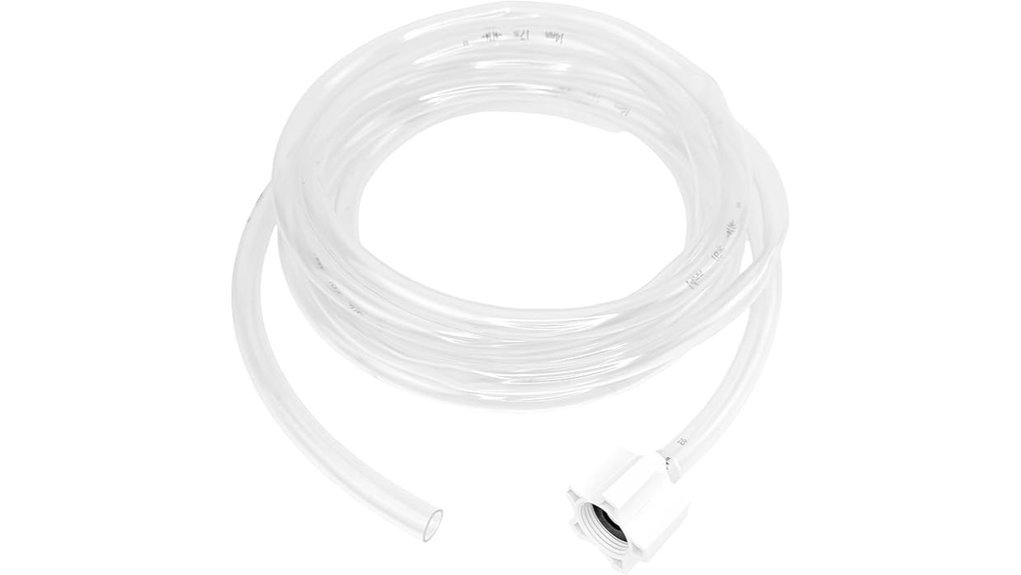
Best for compatible Midea dehumidifiers: Midea’s 5-meter drainage pipe set suits you if you need a reliable replacement for compatible dehumidifiers. You can use it with Midea models rated for 1,500, 3,000, or 4,500 square feet, so it fits many common basement setups when the model compatibility matches.
The connector and hose use sturdy, high-quality materials that should hold up well for regular drainage. If your original parts break, you can swap them in without building a custom hose setup. You can also cut the pipe to your preferred length, giving you more flexibility for farther drainage. One set includes everything you need for compatible units.
Why you’ll like it: A model-specific kit can reduce guesswork. Instead of matching separate adapters, clamps, and tubing, this gives compatible Midea owners a more direct replacement path.
Best For: Midea dehumidifier owners with 1,500, 3,000, or 4,500 sq. ft. units who need a durable, easy-to-install replacement drainage hose set.
Pros:
- Compatible with multiple common Midea dehumidifier sizes.
- Made from sturdy, high-quality materials for reliable long-term use.
- Hose can be cut to a custom length for flexible drainage setup.
Cons:
- Only works with compatible Midea dehumidifier models.
- Includes just one drainage pipe set, so no extra backup parts.
- May not suit users who need a longer hose than the included 5 meters without splicing.
Buy this if: You own a compatible Midea dehumidifier and want a connector-and-hose replacement kit.
Avoid this if: You use another dehumidifier brand or need universal 5/8-inch tubing.
Eastrans Clear Vinyl Tubing, 50ft x 5/8″ ID
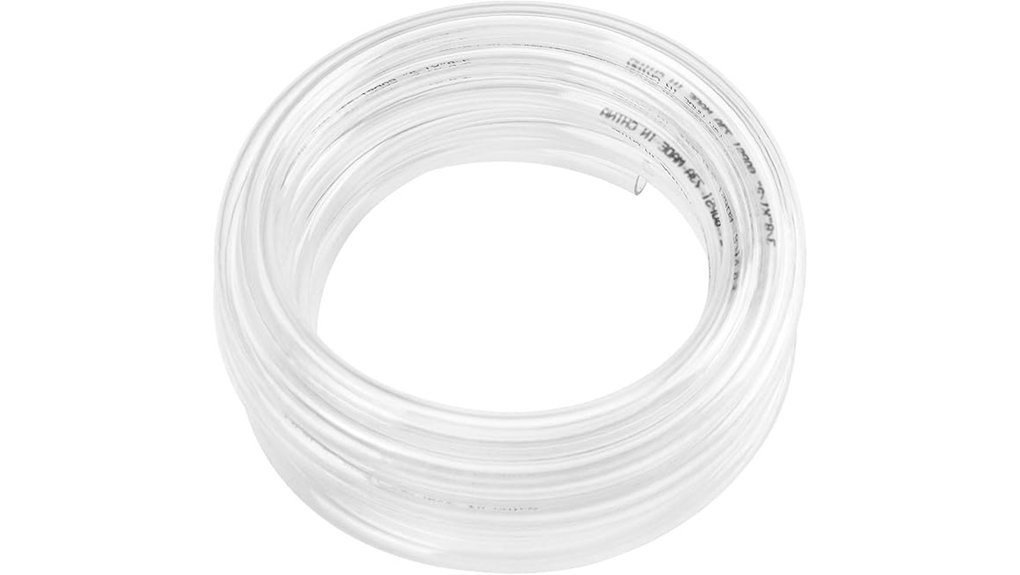
Best long clear tubing option: Eastrans’ 50-foot clear vinyl tubing suits you when you need a long, flexible dehumidifier drain line. You get 5/8-inch inner diameter, firm 73A PVC, and a 30 PSI working rating, so it can handle typical basement drainage demands.
Its clear body lets you check flow fast, while the UV-, chemical-, abrasion-, and corrosion-resistant build helps it last in different home and utility setups. You can bend, shape, and cut it with standard tools, and it’s BPA free, non-toxic, and safe for many home uses. Its 23°F to 149°F range gives you added versatility.
Why you’ll like it: This is a good choice when the dehumidifier is not close to the drain. The 50-foot roll gives you flexibility, and the clear wall makes maintenance easier over time.
Best For: Homeowners, hobbyists, and light-duty users who need a long, flexible, clear vinyl tubing line for dehumidifier drainage or other general-purpose liquid transfer tasks.
Pros:
- Clear tubing makes it easy to monitor flow and spot buildup.
- Flexible, easy to cut, and simple to shape for custom installations.
- Resistant to UV, chemicals, abrasion, and corrosion, with BPA-free, non-toxic PVC.
Cons:
- 30 PSI working pressure may be too low for higher-pressure applications.
- Not suited for extreme temperatures outside its 23°F to 149°F range.
- Firm 73A tubing may be less pliable than softer hose options for tight bends.
Buy this if: You need a long, cut-to-fit 5/8-inch ID hose and want to visually check water flow.
Avoid this if: Your basement route has tight bends where reinforced tubing would be safer.
DAVCO Braided Clear PVC Tubing with Stainless Clamps
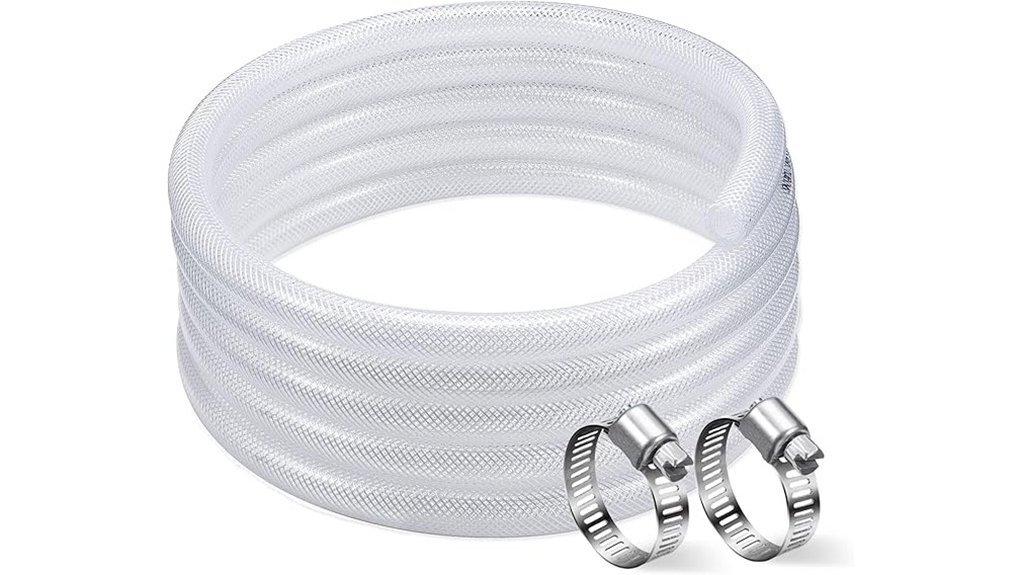
Best heavy-duty kink-resistant hose: DAVCO’s braided PVC tubing suits you if you need a tough, kink-proof drain line for a tighter or more demanding basement layout. You get a 5/8-inch inner diameter, 7/8-inch outer diameter, and a 10-foot length that’s easy to route near a dehumidifier, pump, sink, or floor drain.
Its polyester yarn reinforcement and thick wall help it resist kinks, weather, and wear, while the 200 psi working pressure gives you plenty of durability for a hose in this category. It’s lightweight, BPA-free, and safe for many water and chemical uses. You can unfold, roll up, and store it easily, and DAVCO backs it with five inspection stages and 24/7 support from Los Angeles.
Why you’ll like it: Kinks are one of the most common reasons dehumidifier hoses stop draining. A reinforced hose can be worth it if your line must bend around shelves, pipes, or equipment.
Best For: Homeowners, aquarium hobbyists, and DIY users who need a durable, kink-resistant clear PVC tubing solution for water or chemical applications.
Pros:
- 200 psi working pressure for strong, reliable performance.
- Polyester yarn reinforcement and thick wall construction help prevent kinks.
- BPA-free, lightweight, and easy to handle, store, and route.
Cons:
- 10-foot length may be too short for larger projects.
- Clear PVC tubing may not be ideal for every chemical application.
- More heavy-duty than basic tubing, so it may be overkill for simple low-pressure tasks.
Buy this if: You want a stronger, reinforced 5/8-inch ID hose for a short but kink-prone route.
Avoid this if: You need a 30-foot or 50-foot line without joining multiple hose sections.
Condensate Pump – Drain Hose 5/8″ – 16 & 18 164ft
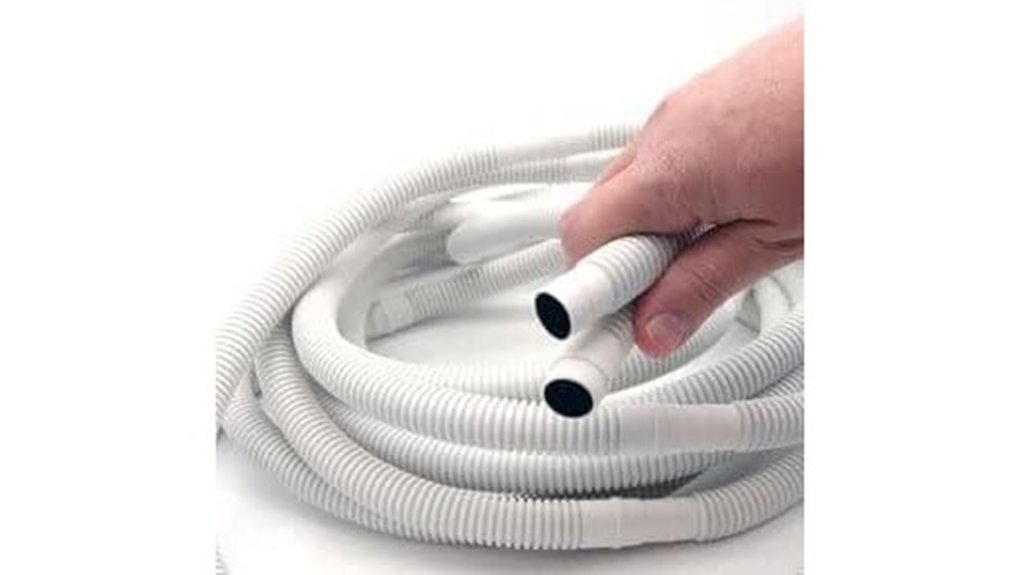
Best for very long condensate drain routes: If you need a versatile drain hose for mini-split, heat pump, condensate pump, or long basement routing, this one fits well. You get a 164-foot HVAC Premium condensate line with 5/8-inch ID sizing and 16 mm or 18 mm fittings, so you can match many condensate outlets and standard connectors.
The PE construction gives you flexibility, corrosion resistance, and reliable indoor or outdoor use. Its black inner liner helps block UV damage and reduce drain friction, while cut marks every 19.68 inches make installation easier. With a 4.4-star rating, it’s a practical, long-run option for basement drainage needs.
Why you’ll like it: This is not the simplest choice for a short dehumidifier hose, but it makes sense when you need a long condensate-style line that can be cut to fit a more complex route.
Best For: DIYers, HVAC installers, and homeowners needing a long, flexible 5/8-inch condensate drain hose for mini-split or heat pump systems.
Pros:
- 164 ft length with cut marks every 19.68 inches for flexible, precise installations.
- Compatible with many condensate outlets and standard 16 mm or 18 mm connectors.
- Durable PE construction with UV-resistant black inner liner for indoor or outdoor use.
Cons:
- May be longer than needed for smaller residential installs.
- Single-purpose hose, so it may not suit non-HVAC drainage applications.
- Limited review count, so long-term performance feedback is relatively small.
Buy this if: You need a long condensate hose and plan to trim it to a custom route.
Avoid this if: You only need a basic 10-foot dehumidifier drain hose beside a floor drain.
Factors to Consider When Choosing a 5/8 Drain Line for Dehumidifier in Basement
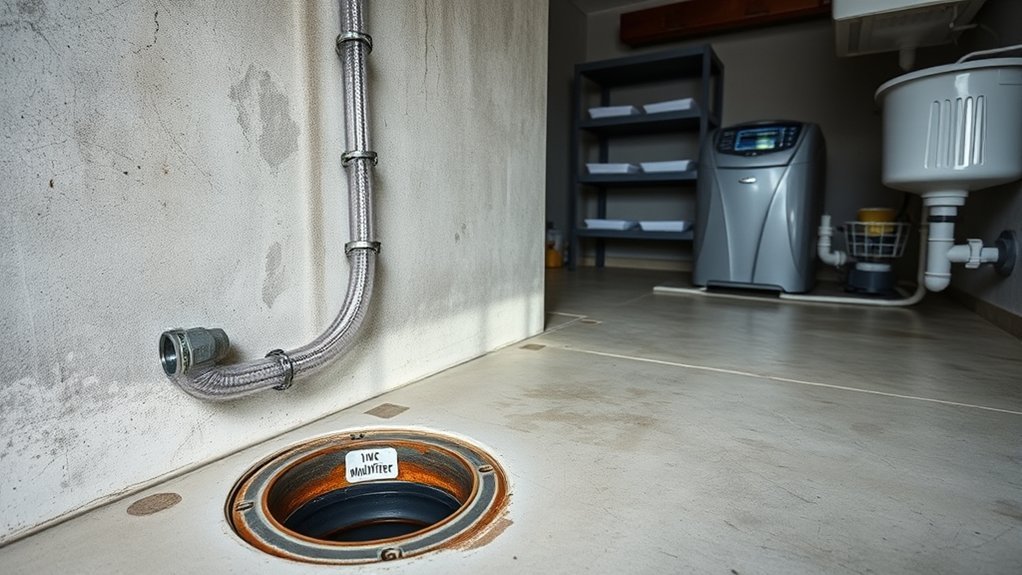
When you choose a 5/8 drain line for your basement dehumidifier, check that the size matches your unit and supports steady water flow. You’ll also want a line made from durable, kink-resistant material that can handle the length you need without clogging, cracking, or backing up. A mold-resistant option helps keep the drain cleaner and cuts down on maintenance.
Before You Buy Checklist
- Confirm whether your dehumidifier needs 5/8-inch inner diameter, 5/8-inch outer diameter, or a threaded adapter.
- Measure the full route from the dehumidifier to the floor drain, sink, sump basin, or condensate pump.
- Keep the hose as short and straight as possible to reduce standing water.
- Choose clear tubing if you want quick clog checks.
- Choose reinforced tubing if the line must bend around tight corners.
- Use clamps or adapters when needed so the line does not slip off during continuous drainage.
Drain Line Size
A 5/8-inch drain line usually gives your dehumidifier the right balance of flow and control in a basement setup, but you should check whether the listing means inner diameter or outer diameter. You should check the inner diameter first, because it determines how quickly water leaves the unit and how likely the line is to clog. If you choose a wider ID, you can move water faster and lower the chance of overflow and basement damage.
Next, measure the run so the line reaches the drain point without extra bends that slow flow. You also need enough flexibility to route around pipes, joists, and other obstacles during installation. Keep wall thickness in mind, too, since a sturdier wall helps the line hold its shape and stay secure under pressure.
Material Durability
Once you’ve settled on the right 5/8-inch size, material quality becomes the next thing to check. You should favor high-quality PVC or polyethylene, because both resist wear and hold up well in damp basement conditions. Look for UV-resistant, flexible tubing if part of the run sits near sunlight, a window, or an outdoor exit point.
A thicker wall, around 3/32 inch or more, adds strength and helps the hose stay reliable over time. You’ll also want a line that’s non-toxic and BPA-free, especially if it runs near living areas. Finally, check the pressure rating; a hose built for about 200 psi usually offers better long-term durability, though most gravity-drain dehumidifier setups do not require high pressure.
Kink Resistance
Even with the right 5/8-inch size and durable material, kink resistance is what keeps your dehumidifier drain line flowing smoothly in a basement. You need tubing that resists bends and twists, because a single weak spot can block water flow and back up your system.
Look for reinforced walls or braided construction if your hose must turn behind equipment or around storage shelves. A higher working pressure rating can signal stronger structure, and some hoses handle up to 200 PSI. PVC and polyethylene both vary in performance, so choose thicker, sturdier designs if your setup puts stress on the line. You should also inspect the hose regularly. Catching a kink early helps you fix it fast and avoid drainage trouble later.
Length Requirements
After you’ve chosen a kink-resistant line, the next thing to check is length. You want a 5/8 inch drain hose that reaches from your dehumidifier to the drain without extra slack. In most basements, that means about 10 to 50 feet, depending on your layout.
Keep it as short as possible, because extra length adds friction and can raise the chance of clogs or overflow. If the hose includes cut marks, use them to trim it precisely instead of leaving excess tubing. Also make sure the material can flex around shelves, walls, or other obstacles without stressing the line. Finally, confirm the total length stays within the manufacturer’s limit so your unit drains smoothly and reliably.
Mold Resistance
Because basements stay damp, you should choose a 5/8 drain line that resists mold and mildew while keeping water moving out of the dehumidifier. Mold grows where moisture lingers, so your line needs a material that won’t trap grime or encourage buildup.
Look for smooth inner walls, since they help water flow freely and reduce sludge accumulation. A dependable drain line also lowers the risk of standing water near the unit, which makes mold less likely to spread around the dehumidifier. You should inspect the line regularly and clear clogs before they block drainage. Keep the hose dry on the outside when possible and let air circulate around it, because stagnant, wet surfaces invite growth.
Installation Ease
Installation is easier when you choose a 5/8 drain line with pre-installed connection sockets, since they make cutting and connecting faster and less fussy. You’ll save time when the hose already fits standard fittings and needs fewer adapters.
Pick flexible polyethylene or PVC so you can bend it around joists, corners, and pumps without kinking or fighting stiff tubing. Smooth inner walls also help you because water moves more freely and clogs are less likely during long basement runs. If sunlight reaches the area, choose a UV-resistant line to keep it from cracking or hardening. Finally, make sure you have enough length, plus customizable options, so you can reach the drainage point cleanly without extra connectors or awkward extensions.
Pro Tip: Keep the Slope Simple
For gravity drainage, route the hose downward whenever possible. Avoid uphill loops, dips, and low spots where water can sit. If the drain point is higher than the dehumidifier outlet, you may need a condensate pump instead of a simple gravity hose.
Safety Note
Do not route a drain hose where people can trip over it, where it can freeze, or where leaking water could reach electrical outlets, power strips, extension cords, or appliance plugs. Secure loose hose sections and inspect the connection after the first few hours of drainage.
How to Match a Drain Line to Your Basement Setup
For a Dehumidifier Next to a Floor Drain
Choose a shorter clear vinyl hose, such as a 10-foot option, and keep the route straight. This setup is easier to inspect, easier to clean, and less likely to clog because water has less distance to travel.
For a Dehumidifier Across the Room
Choose a 20-foot or 50-foot hose and trim it to the shortest workable length. A clear hose helps you check flow, while a reinforced hose helps if the line must turn around storage bins, beams, or equipment.
For a High Drain Point
If water must travel upward to a sink, laundry drain, or distant discharge point, a gravity hose may not be enough. In that case, pair the dehumidifier with a compatible condensate pump and use tubing that matches the pump outlet.
For a Brand-Specific Connection
If your unit uses a special connector, a model-specific kit can save time. The Midea set is a good example for compatible Midea models because it includes the connector and pipe together.
Frequently Asked Questions
Can I Connect a 5/8 Drain Line Directly to My Sump Pump?
Yes, you can, if your sump pump basin accepts it and local codes allow it. You’ll want to secure the line above the waterline and avoid backflow, kinks, or overloading the pump. Do not push the hose deep into standing water, because that can increase the chance of backflow or poor drainage.
How Do I Prevent Basement Drain Hose Freezing in Winter?
Keep the hose indoors, slope it continuously, insulate it, and avoid cold exterior walls. You can add heat tape where appropriate or route it to a warmer drain. The best prevention is to avoid low spots where water sits inside the hose during cold weather.
Do 5/8 Drain Lines Fit All Dehumidifier Brands?
No, you can’t assume 5/8 drain lines fit every dehumidifier brand. You should check your unit’s outlet size first, then use an adapter or clamp if needed, because fittings and thread styles vary. Also confirm whether your product requires 5/8-inch ID or 5/8-inch OD tubing.
How Often Should I Replace a Dehumidifier Drain Hose?
You should replace your dehumidifier drain hose every 2-3 years, or sooner if it cracks, kinks, leaks, stiffens, or clogs often. Inspect it monthly during heavy use, and swap it immediately when you notice wear, mold, or poor drainage.
Is a Longer Drain Line Likely to Reduce Dehumidifier Performance?
Usually not, if you keep the line clear and avoid sharp kinks, uphill runs, and standing-water dips. You might see slightly slower draining over long distances, but your dehumidifier’s moisture removal usually won’t drop much as long as water can leave the unit properly.
Is Clear or Black Drain Tubing Better?
Clear tubing is better if you want to see water movement, buildup, or clogs quickly. Black or UV-resistant tubing can be better if the line gets sunlight or runs outdoors. For most indoor basement dehumidifier setups, clear tubing is convenient because it makes maintenance easier.
Do I Need a Clamp for a Dehumidifier Drain Hose?
You may need a clamp if the hose slips, leaks, or connects to a smooth outlet. Some dehumidifier drains use threaded fittings or adapters instead. A secure connection matters because even a small leak can leave water on the floor during continuous drainage.
Final Recommendation
For most basement dehumidifiers, start with the Clear Vinyl Tubing 5/8″ ID × 13/16″ OD if you need a simple short hose and want easy flow checks. Choose Eastrans Clear Vinyl Tubing if your drain point is farther away. Pick DAVCO Braided Clear PVC Tubing if your route has tight bends and kink resistance matters most.
For compatible Midea units, the Midea Dehumidifier Water Hose Connector and Drainage Pipe Set may be the easiest replacement. For long HVAC-style or condensate pump routes, the Flehomo or Condensate Pump Drain Hose options give you more length and routing flexibility.
Conclusion
When you pick the right 5/8 drain line, you’re not just moving water—you’re protecting your basement from leaks, overflow, and daily bucket-emptying hassle. The best option for you depends on fit, flexibility, durability, visibility, and how far the line needs to run.
Choose one that matches your dehumidifier outlet and your basement layout, then keep the hose short, sloped, and kink-free. With the right setup, you’ll enjoy cleaner, drier air with less maintenance and fewer moisture problems over time.