Affiliate disclosure: As an Amazon Associate I earn from qualifying purchases. This article contains affiliate links to Amazon, so we may earn a commission if you buy through them, at no extra cost to you.
In 2026, hearing aid wearers benefit most from five essential accessories: anti-loss clips or lanyards, a UV-C dryer and dehumidifier, a protective storage case, a daily cleaning kit, and wax guard filters. These items help prevent drops, reduce moisture damage, block debris, and keep devices working longer. Compact options like Ear Gear Mini and BOCOKO cases add convenience for active users. More practical details can reveal which choices fit each routine best.
BBTO 4 Pcs Hearing Aid Clips, Adjustable Anti-loss Lanyard for Senior Adult
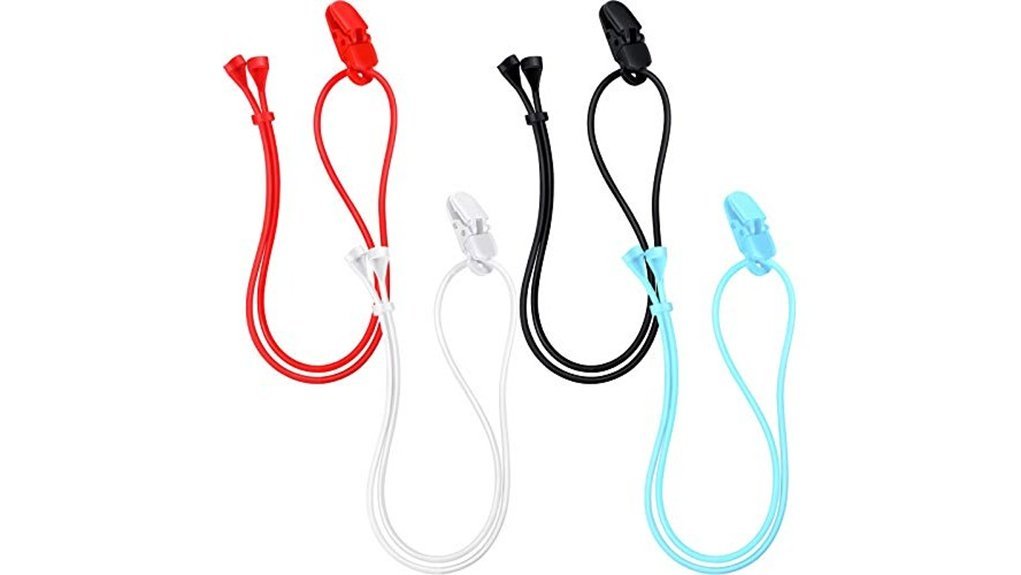
The BBTO 4 Pcs Hearing Aid Clips are a practical choice for seniors and adults who want extra security for behind-the-ear hearing aids during everyday activities. Each adjustable lanyard uses flexible silicone loops that fit many hearing aids and amplifiers, while a sturdy plastic alligator clip fastens to shirts, collars, or jackets. The anti-loss design helps reduce drops when walking, gardening, shopping, exercising, or bending to change batteries. Measuring about 12 inches, it offers usable length without excess bulk. It is washable with mild soap and water, dries quickly, and works well at home, outdoors, or while traveling.
Best For: Seniors and adults with behind-the-ear hearing aids or amplifiers who want a simple, adjustable anti-loss clip for everyday security.
Pros:
- Flexible silicone loops and a sturdy alligator clip provide a secure, comfortable hold.
- Helps prevent accidental drops during walking, gardening, shopping, exercising, or bending.
- Washable, quick-drying, and easy to attach in seconds.
Cons:
- Best suited for behind-the-ear styles, so it may not work with all hearing aid types.
- The plastic clip may feel less durable than metal alternatives for some users.
- The 12-inch length may be too short or too long depending on personal preference.
Kapak UV-C Hearing Aid Dryer & Dehumidifier
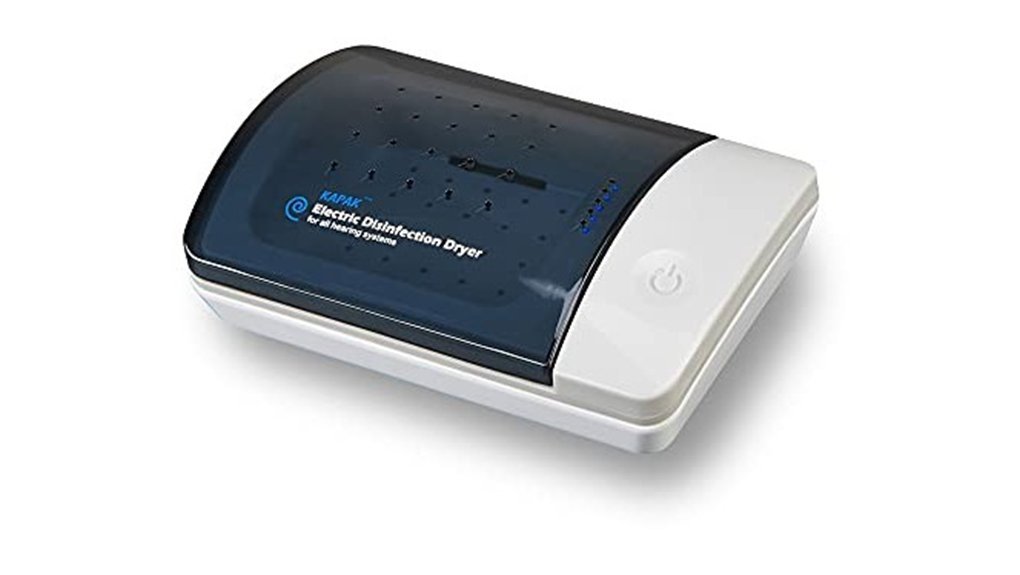
For wearers who value effortless upkeep, Kapak’s UV-C Dryer delivers automatic care in one compact unit. The Kapak Ultra Violet C Clean Hearing Aid Dryer and Dehumidifier, model DB-UVC028, dries and dehumidifies up to two hearing amplifiers at 122°F, helping preserve longevity and hygiene. Its microprocessor-controlled cycle switches off after three hours, while UV-C lighting sanitizes devices in eight minutes. USB and mains power add flexibility. A soft-touch button and gentle vibration simplify use, and LED indicators show progress. The system offers set-and-forget convenience while reducing moisture-related wear and ear canal concerns.
Best For: Wearers who want an easy, set-and-forget solution for drying, dehumidifying, and UV-C cleaning their hearing aids at home.
Pros:
- Automatically dries and dehumidifies up to two hearing amplifiers at 122°F to help support longevity and hygiene.
- UV-C light cleans devices in just 8 minutes, with LED indicators and a soft-touch button making it easy to use.
- Flexible USB or mains power options add convenience for home or travel use.
Cons:
- Holds only two average-sized hearing amplifiers, so capacity is limited.
- The automatic cycle runs for three hours, which may feel long if you only want a quick dry.
- As a specialized device, it may be more than some users need for basic hearing aid care.
Ear Gear Mini Cordless Hearing Aid Protector
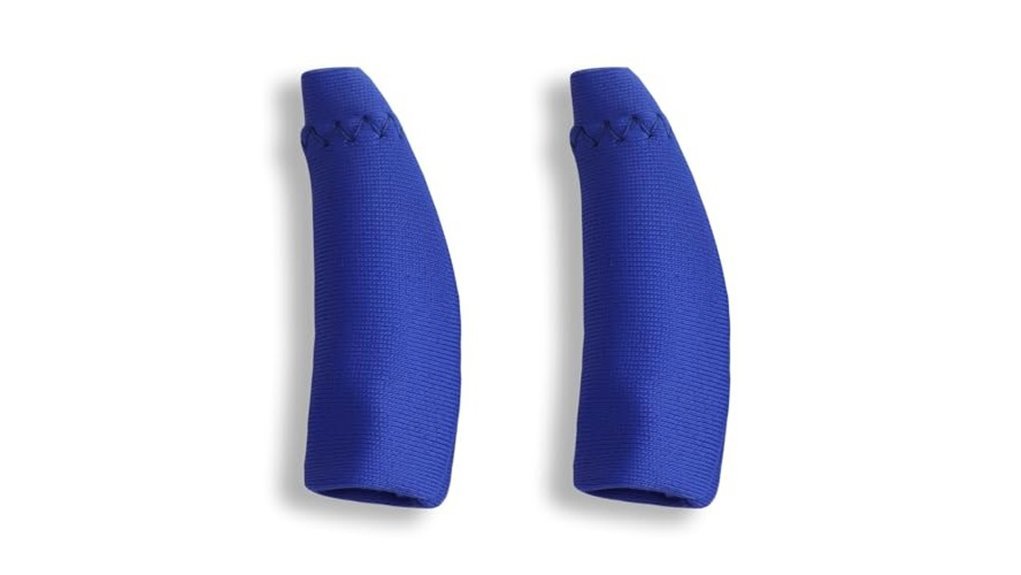
Ear Gear Mini Cordless protects hearing aids from dirt, sweat, moisture, and wind. The Ear Gear Enterprises Ltd. model 56089 is designed for cordless devices up to 1.25 inches, making it a practical choice for active wearers. Its royal blue version is one of eight fashionable colors, and the line includes mono, binaural, and eyeglass styles. Options with or without a stretch cord and locking clip allow flexible use. Suitable for work, beach outings, gardening, sports, and travel, it serves hearing aid wearers of all ages with compact, reliable coverage.
Best For: Hearing aid wearers of all ages who want compact, everyday protection for cordless devices up to 1.25 inches during active use and travel.
Pros:
- Protects hearing aids from dirt, sweat, moisture, and wind.
- Available in multiple styles and 8 fashionable colors for flexible personalization.
- Suitable for a wide range of activities like work, sports, gardening, beach outings, and travel.
Cons:
- Only fits hearing aids up to 1.25 inches, so it won’t work for larger devices.
- Cordless Mini sizing may not suit all hearing aid shapes without careful measurement.
- Accessories may require choosing between multiple variants, which can make selection a bit confusing.
BOCOKO Hearing Aid Hard Case with Cleaning Tools
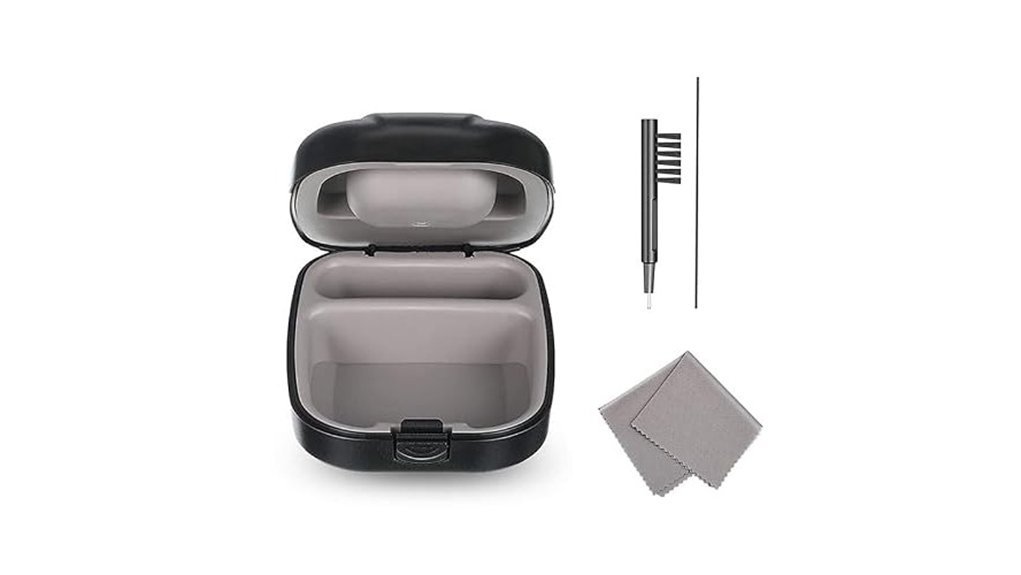
BOCOKO’s hard shell case suits hearing aid wearers who prioritize durable, travel-ready protection. This black, four-piece set uses a rigid plastic exterior with a silicone lining, giving better impact and compression resistance than soft zipper cases. It helps shield devices from pressure inside bags, on desks, or after accidental drops. Its compact shape fits hearing aids up to 5 cm long and slips easily into pockets, clothing, or handbags. The included brush, wire, and microfiber cloth support nightly cleaning, while the all-in-one tool handles debris, wax removal, and battery insertion efficiently.
Best For: Hearing aid wearers who want a compact, travel-friendly hard case with added cleaning tools for everyday protection and maintenance.
Pros:
- Hard plastic shell with silicone lining offers stronger protection than soft zipper cases.
- Compact size fits hearing aids up to 5 cm and slips easily into pockets or bags.
- Includes useful cleaning tools for brush cleaning, wax removal, and battery insertion.
Cons:
- Only fits smaller hearing aids up to 5 cm in length.
- Hard case design may be less flexible than soft pouches for some users.
- Cleaning kit is basic and may not replace more specialized maintenance tools.
Hearing Aid Wax Guard Filters for Phonak/Widex/Resound
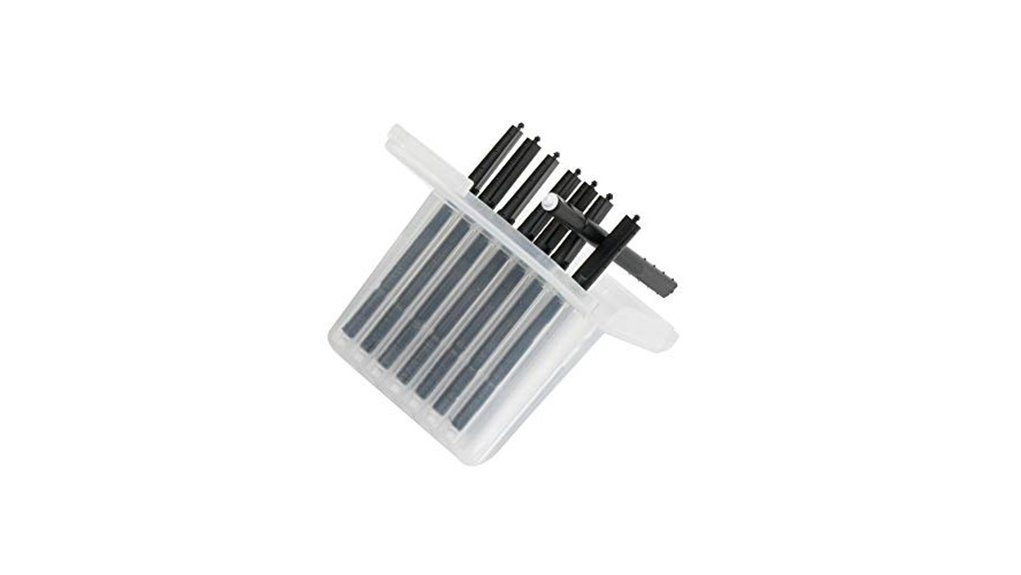
The BIZALAMA wax guard filter is ideal for Phonak, Widex, and Resound users seeking reliable protection. Manufactured by SVR TECHNOLOGY under the Geeloa model, this black hearing aid accessory is designed to prevent clogging and support long-lasting device performance. Each pack includes 40 filters, arranged as five packs of eight, offering convenient replacement when buildup occurs. Its durable rubber construction adds practical resilience. Easy to use and compatible with Widex, Resound, and Phonak hearing aids, it provides a straightforward maintenance solution. Customer support remains available for questions and concerns.
Best For: People using Phonak, Widex, or Resound hearing aids who want an easy way to prevent wax buildup and maintain reliable device performance.
Pros:
- Compatible with Widex, Resound, and Phonak hearing aids
- Helps prevent clogging and supports long-lasting performance
- Comes with 40 filters for convenient replacements
Cons:
- Only useful for compatible hearing aid models
- Filters need to be replaced regularly
- May not fit users looking for a more universal accessory
Factors to Consider When Choosing 7 Essential Accessories for Hearing Aid Wearers: Useful Products and Buying Tips
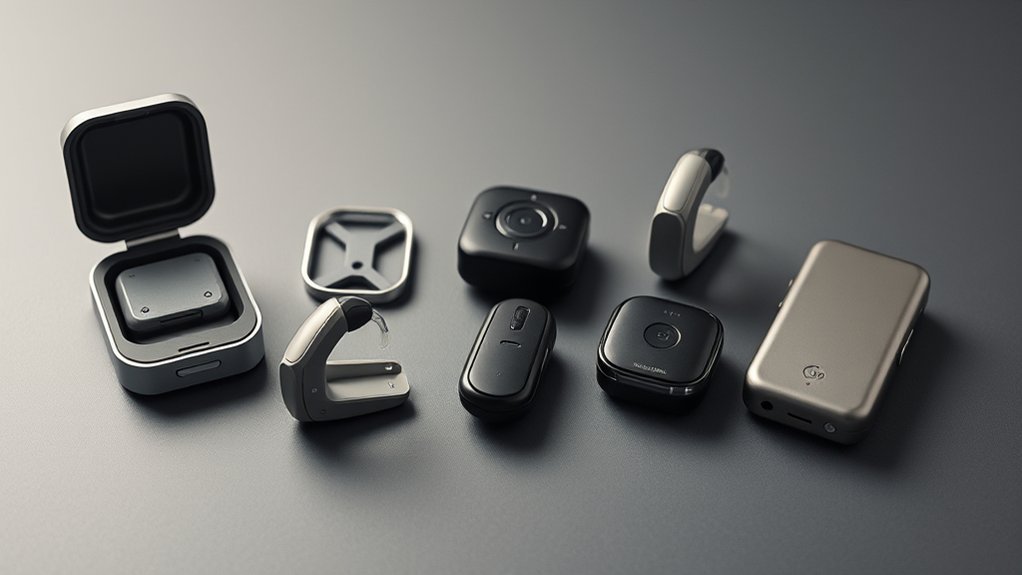
Choosing the right hearing aid accessories depends on device compatibility, since products must match the model and style in use. Daily protection, moisture control, secure attachment, and cleaning essentials also matter because they help preserve performance and reduce damage. Careful buyers compare these factors to select useful products that support both comfort and long-term device care.
Device Compatibility
Device compatibility is the first filter when evaluating accessories for hearing aid wearers, since a mismatched product can interfere with performance or fit. Each accessory should match the specific hearing aid model to avoid functionality problems. Cleaning tools, including wax guard filters, must be intended for the correct brand, because manufacturers often use different specifications. Protective cases should fit the size and shape of the devices so they remain secure in transit. Accessories for storage or drying also require attention, as dryers and dehumidifiers need enough capacity for the number and dimensions of hearing aids owned. Lanyards and clips should offer adjustable features that align with the hearing aids for a stable attachment. Careful checking reduces inconvenience and supports reliable use.
Daily Protection
Daily protection matters because hearing aids are vulnerable to moisture, dirt, and sweat, all of which can shorten performance and lifespan. Protection begins with accessories designed to shield devices from everyday exposure during gardening, exercise, and commuting. Hard cases are especially valuable for transport, since they help prevent compression when hearing aids are stored with heavier items in bags. Cleaning brushes and wax loop cleaners support routine upkeep by removing debris before it blocks key parts and reduces sound quality. Anti-loss features, such as secure clips or retention aids, also matter because they reduce the chance of accidental drops or misplacement during active days. Together, these tools preserve function, simplify care, and extend usable life without adding unnecessary complexity.
Moisture Control
Moisture control is a critical consideration for hearing aid wearers, since excess humidity can damage internal components and gradually reduce performance. UV-C hearing aid dryers offer a practical solution by removing moisture and bacteria while supporting longer device life. Regular dehumidification at about 122°F helps maintain hygiene and reliable function, reducing the risk of irritation in the ear canal. Moisture-resistant covers add another layer of protection during exercise, rain, or outdoor use. Keeping hearing aids dry improves sound quality, preserves battery reliability, and enhances daily comfort. When selecting moisture-control accessories, durability, ease of use, and compatibility with specific hearing aid models remain important. Consistent drying routines help safeguard performance and support long-term device value.
Secure Attachment
Secure attachment accessories, including clips and lanyards, help reduce the risk of accidental drops and loss during everyday movement. In hearing aid wearers, these products support daily reliability by keeping devices connected during walking, bending, and other routine tasks. Adjustable lengths allow a better fit for different body types and clothing styles, reducing strain while preserving freedom of movement. Silicone loops offer flexible security for behind-the-ear hearing aids and amplifiers, while sturdy clips can grip shirts, collars, or jackets with dependable hold. Such options are practical for people who need added confidence in busy settings, outdoor activity, or travel. By choosing a secure attachment method that matches the device and wardrobe, wearers can maintain stable placement and greater peace of mind throughout the day.
Cleaning Essentials
Keeping hearing aids clean is a basic part of reliable daily use, since wax and debris can clog components and reduce performance. A practical cleaning kit usually includes a brush, wax loop, and microfiber cloth, covering most routine maintenance needs with minimal effort. These tools help remove buildup from vents, microphones, and other small openings without damaging delicate parts. Wax guard filters also matter, because they block debris before it reaches the receiver and should be replaced regularly. For deeper hygiene, UV-C cleaning devices can sanitize aids within minutes and may support longer service life. Moisture control is equally important, so drying and dehumidifying accessories help protect internal electronics and reduce the risk of ear canal irritation from dirty devices.
Portability Needs
Portability is an important factor when choosing hearing aid accessories, because wearers need tools that are easy to carry and simple to use throughout the day. Compact accessories can fit in pockets, handbags, or carry-ons, keeping cleaning tools, protective cases, and drying devices close at hand during routine errands or travel. Lightweight construction also matters, since it reduces bulk and makes handling easier for seniors and others with limited strength. For powered items such as dryers or dehumidifiers, USB and mains compatibility adds flexibility and supports use in different settings. Accessories with simple attachment or detachment mechanisms further improve convenience, allowing quick setup without unnecessary effort. In practice, portability supports consistent care, better mobility, and a smoother daily experience for hearing aid wearers.
Replacement Supplies
Among the most practical hearing aid accessories are replacement supplies, especially wax guard filters that should be changed regularly to prevent clogging and preserve long-term performance. These filters help shield hearing aids from earwax and other debris, reducing the risk of damage and performance decline. Models often require specific guard types, so compatibility should be checked before purchase to maintain proper function. High-quality rubber construction is often preferred because it can improve durability and filtering effectiveness. Regular replacement helps keep hearing aids operating reliably and avoids interruptions caused by blocked components. It is also wise to keep spare filters on hand, since stocking up allows maintenance needs to be addressed promptly whenever wear or buildup appears.
Ease Of Use
Ease of use is a major consideration when choosing hearing aid accessories, since even helpful products can become inconvenient if they are difficult to attach, adjust, or maintain. Accessories with simple clips or loops allow quick setup and reduce daily frustration. User-friendly controls, such as soft-touch on/off switches, help wearers operate products without awkward maneuvers or repeated handling. Lightweight, compact designs are especially practical because they are easier to carry, less likely to be dropped, and simpler to store. Cleaning also matters; items that can be washed with mild soap and water support long-term convenience. Products that require minimal monitoring are often the most efficient, since they can be set once and left alone. Overall, ease of use directly affects whether an accessory remains helpful.
Frequently Asked Questions
How Do I Know if an Accessory Fits My Hearing Aid Model?
Accessory fit is confirmed by matching the hearing aid’s exact brand, model, and receiver style with the accessory specifications. Compatibility charts, manufacturer guidance, and audiologist verification help guarantee proper pairing and function.
Can I Travel With Hearing Aid Accessories Through Airport Security?
Yes, hearing aid accessories can usually pass through airport security in carry-on luggage, though batteries may need separate screening. He would keep them accessible, carry documentation, and follow TSA or local airport rules carefully.
How Often Should Accessories Be Replaced for Best Performance?
Like clock hands, accessories age steadily; most perform best when replaced every 6 to 12 months, though batteries, domes, and filters may need earlier renewal if sound weakens, fit loosens, or wear appears.
Are Hearing Aid Accessories Safe for Children or Teenagers?
Yes, many hearing aid accessories are safe for children and teenagers when age-appropriate, properly fitted, and supervised. Small parts, charging items, and cleaning tools may pose choking or misuse risks, so adult guidance remains important.
Which Accessories Help Most During Exercise or Outdoor Activities?
Sweat-resistant covers, retention clips, sport bands, and portable dry boxes help most during exercise or outdoor activities. They reduce slippage, moisture damage, and loss, while windshields and remote microphones improve hearing in noisy environments.
Conclusion
In the grand orchestra of hearing-aid ownership, these accessories play the role of backstage heroes—never glamorous, always necessary. A clip may save a device from the floor, a dryer may rescue it from moisture, and a hard case may prevent life’s tiny catastrophes. Even wax guards, the least celebrated of the bunch, earn their quiet applause. Choosing wisely is less a shopping spree than an act of preventive diplomacy with daily chaos.