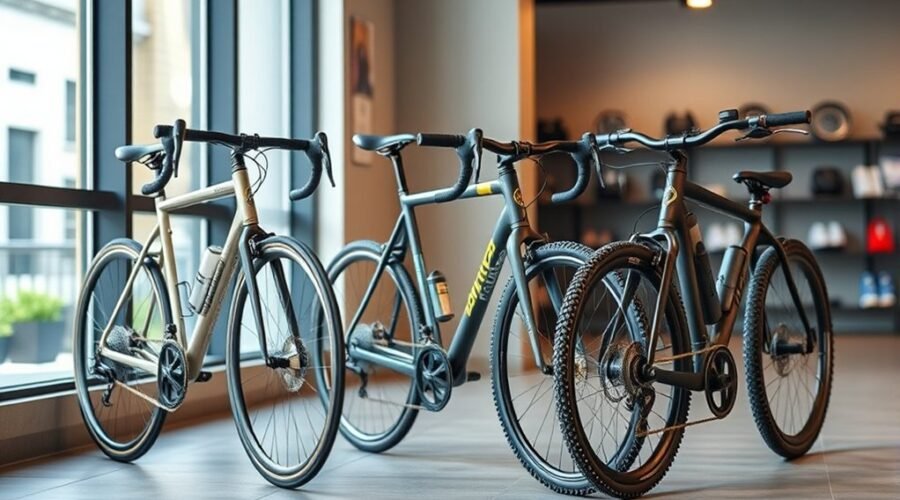
Choosing the right bike in 2026 starts with matching the bike type to terrain, fit, and budget. Road bikes suit smooth pavement, while mountain bikes handle rough trails and hybrids fit mixed use. Key buying factors include frame size, gearing, tire width, and comfort adjustments. Useful extras include a reliable bike bell, waterproof lights, and quality lubricant for maintenance. A smart purchase also accounts for accessories, upkeep, and safety, with more useful details ahead.
Accmor Classic Aluminum Bike Bell for Adults Kids
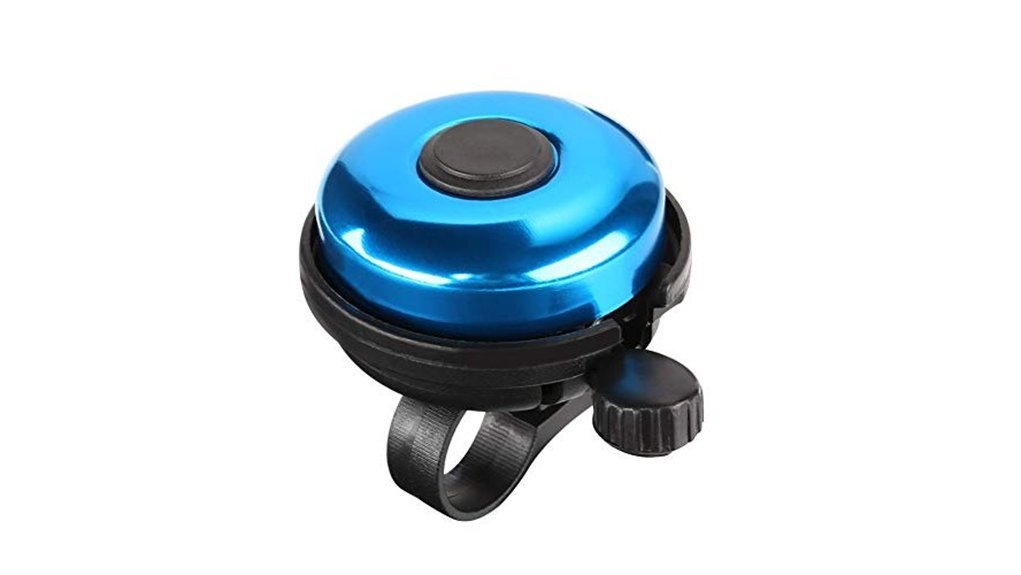
For riders who want a simple safety upgrade with a clear, attention-grabbing ring, the Accmor Classic Aluminum Bike Bell is a practical choice. Its crisp ringtone is loud enough to warn pedestrians and other cyclists on mountain roads, city paths, or neighborhood rides. Built from aluminum and engineering plastic, it resists rust and aging for longer use. Installation is straightforward, taking about a minute with a screwdriver on handlebars measuring 0.83 to 0.86 inches. It fits standard straight bars and works with MTB, BMX, cruisers, kids’ bikes, and stunt scooters alike.
Best For: Riders who want a simple, durable, easy-to-install bike bell with a loud, clear ring for added safety on a variety of bikes and scooters.
Pros:
- Loud, crisp ringtone helps alert pedestrians and other cyclists.
- Easy one-minute installation with a screwdriver on compatible handlebars.
- Durable aluminum and engineering plastic construction resists rust and aging.
Cons:
- Only fits handlebar tubes in a specific 0.83–0.86 inch diameter range.
- Right-hand use may not suit every rider’s preference or setup.
- Simple design offers function over extra features or customization.
Vont Bike Lights, Waterproof Front & Back Illumination
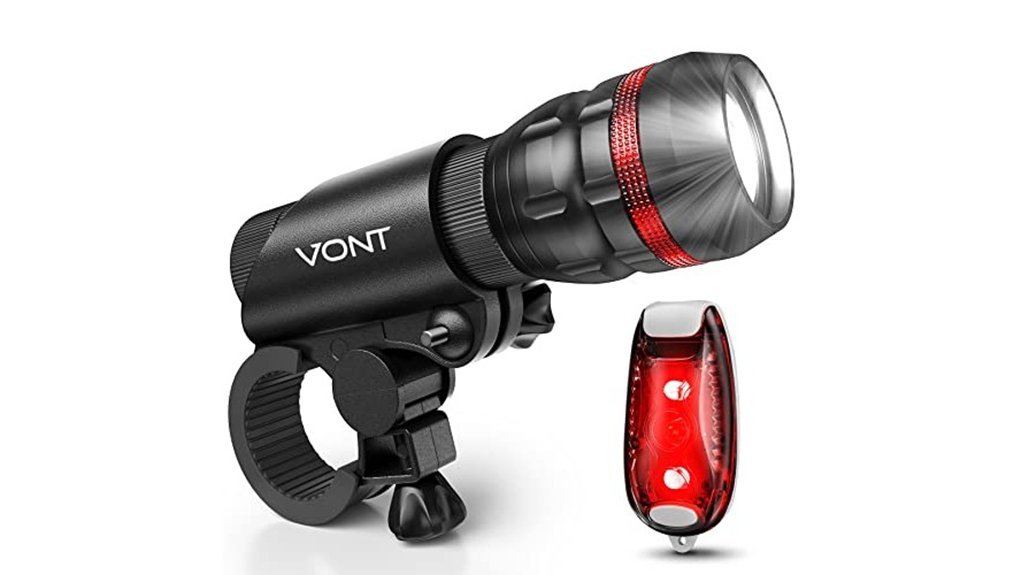
Vont Bike Lights suit riders who need dependable front and rear visibility in any weather. The set works on mountain, kids, and street bikes, installing in seconds without tools. Its ultra-bright LED system delivers 300 lumens from the front, lighting roads and nearby surroundings while reaching objects up to 1,000 feet away. The lights are waterproof and made with military-grade materials, so they withstand drops, heavy impact, and underwater exposure. With 2X longer battery life and a lifetime warranty against loss, theft, and defects, it offers durable, long-term safety.
Best For: Riders who want a durable, waterproof bike light set with strong front and rear visibility for commuting, trail riding, or family biking in any weather.
Pros:
- Ultra-bright 300-lumen front light improves visibility and reaches objects up to 1,000 feet away.
- Waterproof, military-grade construction is built to handle drops, impact, and underwater exposure.
- Installs in seconds without tools and comes with a lifetime warranty.
Cons:
- Front brightness may be more than some casual riders need.
- Battery life details are relative, so long rides may still require planning.
- Best value is for riders who will use both front and rear lights regularly.
Tri-Flow TF0021060 Superior Lubricant Drip Bottle- 6 oz
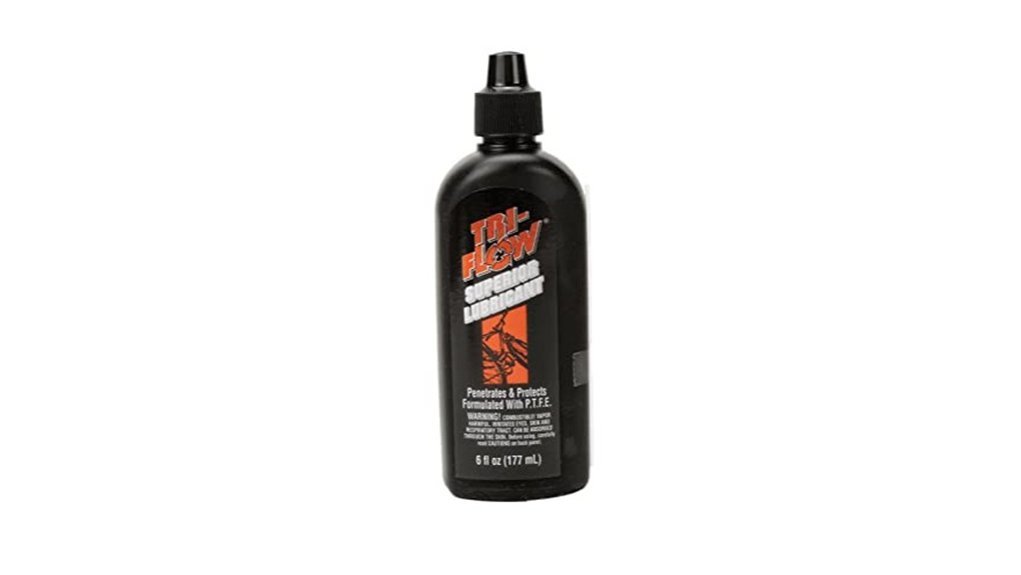
Tri-Flow TF0021060 offers compact, reliable lubrication for riders who maintain chains and pivot joints. The 6 oz drip bottle uses high-grade petroleum oils and special additives to improve lubrication while displacing moisture. That combination helps prevent rust and corrosion, making it useful in wet or humid conditions. It also supports stubborn hardware, including rusted or corroded nuts and bolts. The black, sports-oriented formula is suited to routine bicycle upkeep and broader outdoor use. Its performance remains steady under extreme temperatures, giving it practical value for year-round maintenance and long service life.
Best For: Cyclists, outdoor enthusiasts, and DIY users who need a compact lubricant for chains, pivot joints, and freeing rusted hardware.
Pros:
- Helps lubricate chains and pivot joints effectively
- Displaces moisture to help prevent rust and corrosion
- Performs well in extreme temperatures and humid conditions
Cons:
- Small 6 oz bottle may require frequent replacement for heavy use
- Drip bottle design can be slower than spray application
- Petroleum-based formula may not suit users seeking synthetic options
Factors to Consider When Choosing How to Buy the Right Bike for You: Useful Products and Buying Tips
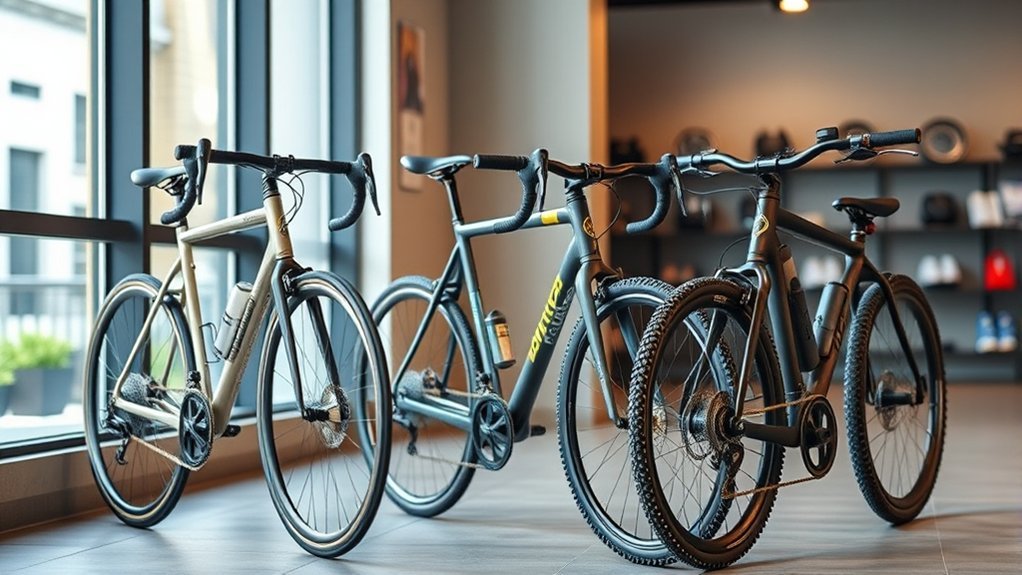
Selecting the right bike starts with matching bike type to the rider’s needs and the terrain most often traveled. Fit and comfort should be checked carefully, along with basic safety gear that supports secure riding. Lighting and visibility also matter, especially for anyone riding in low light or busy areas.
Bike Type Needs
Choosing the right bike begins with matching the bike type to the rider’s environment and goals. A road bike suits smooth pavement, while a mountain bike is built for rough use. Commuters, fitness riders, and racers should compare intended use before selecting a frame and setup. Frame material also matters: aluminum usually balances light weight and durability, while steel tends to add comfort and stability. Gearing should reflect the expected conditions, since multiple gears help manage varied demands, whereas a single-speed option can stay simple and light for flatter urban riding. Fit remains essential; the correct frame size and riding position support comfort, efficiency, and control. A poorly sized bike can reduce performance and create unnecessary discomfort over time.
Riding Terrain
Riding terrain should guide nearly every bike choice, because different surfaces call for different designs. Mountain bikes suit rugged trails, while road bikes excel on smooth pavement. Tire width and tread matter: wider, knobby tires improve traction and stability on dirt, gravel, and wet paths, whereas thin tires roll faster on asphalt. Frame geometry also shifts performance. A relaxed setup supports steady travel on flat routes, while a sportier shape helps control on steep, technical climbs. Suspension deserves attention too. Full suspension absorbs shocks on rough ground; hardtails stay lighter and more efficient on easier roads. Bike weight matters as well: lighter models handle hills more easily, while heavier frames can feel steadier on demanding off-road sections and long descents.
Fit And Comfort
Fit and comfort shape how well a bike performs for its rider. A proper fit should leave a slight bend in the knees during pedaling, supporting efficient power transfer and reducing strain. Top tube length also matters, since it should match torso length and allow a natural reach to the handlebars without forcing the back. Saddle height deserves careful adjustment; when the heel can touch the pedal at its lowest point, pedaling tends to stay smooth and effective. Handlebar height further affects comfort. Higher bars can ease pressure on the back and neck, while lower bars create a more athletic position. Test rides remain essential, because different models reveal which geometry best suits the rider’s body type, riding style, and daily expectations.
Safety Gear
Safety gear can make a bike far safer and more practical for everyday use. A high-quality bike bell is a simple but important purchase, since a loud, clear warning helps alert pedestrians and other cyclists before close passes. Reliable bike lights also matter, especially models with bright front and rear illumination for low-light riding. Ultra-bright LED lights that reach up to 1000 feet can improve path awareness and reduce visibility problems. Durability should not be overlooked; waterproof gear performs better in rain and harsh conditions, whether riding at night or on rough terrain. Buyers should also check for strong product support, including a lifetime warranty against defects, because long-term reliability and peace of mind are valuable when choosing safety equipment.
Lighting Visibility
Lighting visibility is a critical factor when choosing bike equipment, since poor visibility contributes to most bike light incidents. Reliable illumination reduces risk by making riders easier to notice and by revealing hazards sooner. Ultra-bright LED bike lights, reaching up to 300 lumens, help riders see and be seen across greater distances. Front lights should cast a clear beam far enough to illuminate paths and objects up to 1000 feet ahead, giving extra time to react. Waterproof, durable housings improve performance in rain, mud, and rough terrain, supporting safe night riding. Long battery life is also important, because uninterrupted light is essential during extended trips and reduces the chance of sudden darkness.
Maintenance Essentials
Regular maintenance keeps a bike performing smoothly and safely, especially when chain and pivot joints are lubricated with quality moisture-displacing products that help prevent rust and corrosion in harsh weather. Routine care should also include inspecting cables, brakes, tires, and bearings for wear, since timely replacement of damaged parts reduces the chance of breakdowns. Riders who expect rain or night use benefit from durable, waterproof lights that preserve visibility and improve awareness on dim roads. Easy-to-install accessories, including bells and clip-on lamps, add convenience without complicating upkeep. Selecting products designed to resist moisture and survive temperature swings helps preserve component life. A consistent maintenance habit supports dependable handling, quieter operation, and safer riding across changing conditions, making upkeep an essential part of choosing a bike.
Budget Planning
After maintenance considerations, the next step is deciding what the bike should cost overall. A sensible budget includes the purchase price plus accessories, maintenance, and insurance. Prices vary widely by type, so comparing average costs for mountain, road, and hybrid bikes helps set realistic expectations. If a preferred model exceeds the available funds, financing or installment plans may make it attainable without straining cash flow. Essential accessories such as lights, locks, and safety gear should be reserved for in the budget, since they affect both convenience and protection. Seasonal sales, clearance events, and reputable second-hand listings can reduce costs further. By planning for all expenses in advance, the buyer is better positioned to choose a bike that fits needs, finances, and long-term value.
Frequently Asked Questions
How Do I Choose Between a Road Bike and a Hybrid Bike?
A road bike suits fast paved riding and fitness; a hybrid bike suits comfort, versatility, and mixed surfaces. He should choose road for speed, hybrid for practicality, considering terrain, posture, distance, and daily use.
What Frame Size Fits My Height and Inseam?
Frame size depends on height and inseam: around 5’2″ fits 47–49cm, 5’6″ fits 51–54cm, 6’0″ fits 56–58cm. Inseam should allow 1–3 inches of standover clearance; a shop fit is ideal.
Which Bike Materials Are Best for Durability and Weight?
Aluminum and carbon fiber often balance durability and low weight best; steel offers exceptional toughness and repairability, while titanium combines longevity with lightness. The ideal choice depends on budget, riding style, and maintenance priorities.
How Much Should I Budget for a Quality Beginner Bike?
A quality beginner bike typically costs $500 to $1,200, depending on type and components. They should also budget extra for helmet, lock, pedals, and maintenance, since these essentials can add another $100 to $300.
What Accessories Are Essential Beyond Lights, Bells, and Lubricant?
Essential accessories beyond lights, bells, and lubricant include a helmet, lock, pump, spare tube, multitool, tire levers, and water bottle cage. Depending on riding, fenders, gloves, and high-visibility clothing also greatly improve comfort and safety.
Conclusion
Choosing the right bike in 2026 comes down to matching needs, comfort, and safety with the right accessories. A classic bike bell, waterproof Vont lights, and Tri-Flow lubricant can make any ride smoother and safer. Notably, studies suggest that cyclists who use proper lights and maintenance gear are considerably more likely to ride year-round. By focusing on practical features and dependable add-ons, shoppers can make a smarter, longer-lasting bike choice.