Affiliate disclosure: As an Amazon Associate I earn from qualifying purchases. This article contains affiliate links to Amazon, so we may earn a commission if you buy through them, at no extra cost to you.
The best ways to watch Star Wars in order in 2026 depend on the viewer’s goals. A strict chronological watch starts with the prequels and follows the saga forward. Release order preserves the original reveals. Canon-focused fans may add guides like Star Wars Timelines, Bloodline, and Shadow of the Sith for context. Collectors can use The Complete Saga Blu-ray set. The right path balances story flow, time, and lore, and the details below clarify each option.
Star Wars Timelines
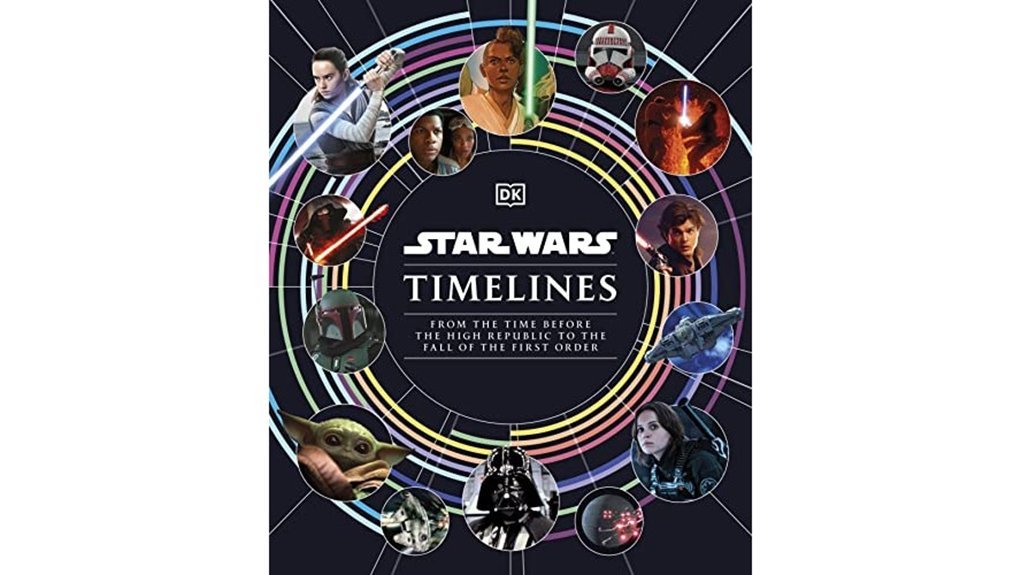
For readers who want more than a simple viewing list, Star Wars Timelines offers a dense, carefully organized guide to the saga’s history, making it especially well suited to dedicated fans and lore-focused readers. Published by DK as a 344-page hardcover in April 2023, it presents a thorough timeline of major events and characters across the franchise. Its black binding and clear structure reflect a reference-book approach rather than casual reading. For viewers deciding order, it can deepen context, clarify chronology, and support a more informed marathon through the Star Wars universe.
Best For: Dedicated Star Wars fans, lore enthusiasts, and readers who want a detailed reference timeline to better understand the saga’s chronology and major events.
Pros:
- Comprehensive, carefully organized timeline of Star Wars history
- In-depth coverage of events and characters across the franchise
- High-value reference book format for readers seeking context and lore
Cons:
- Not ideal for casual readers looking for a quick watch-order guide
- Dense, reference-style presentation may feel less engaging as light reading
- Focuses on chronology and lore rather than entertainment or storytelling narrative
Star Wars Jedi: Survivor Standard – Steam PC [Online Game Code]
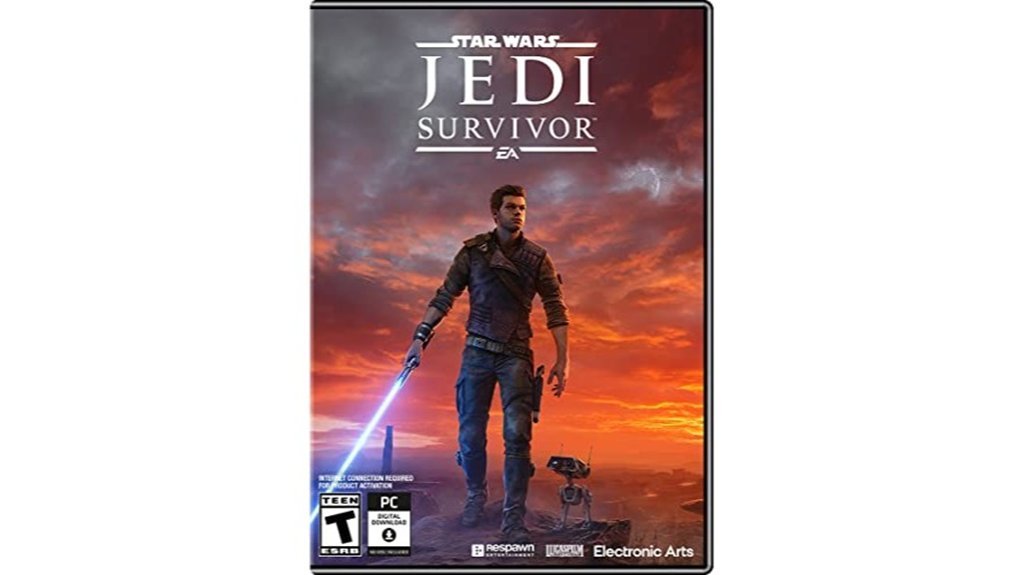
Star Wars Jedi: Survivor Standard on Steam PC delivers cinematic combat and expanded Force abilities. As a software download from Electronic Arts, it places Cal, now a seasoned Jedi Knight, at the center of a darker chapter in the Star Wars galaxy. New lightsaber styles and refined combat deepen each encounter, while exploration spans both fresh planets and familiar locations. Each world introduces distinct enemies and hazards. With the Dark Times closing in, Cal faces hard choices to protect those he loves, giving the experience narrative weight beyond simple action.
Best For: Fans of action-adventure Star Wars games who want a story-driven Jedi experience with cinematic combat, new Force abilities, and exploration across multiple planets.
Pros:
- Enhanced combat with new lightsaber fighting styles and Force powers
- Strong narrative centered on Cal’s growth and difficult moral choices
- Varied exploration across new and familiar Star Wars locations
Cons:
- Requires a taste for story-heavy, cinematic gameplay
- May be challenging for players who prefer simpler action systems
- Exploration and combat can feel demanding rather than casual
Bloodline (Star Wars)
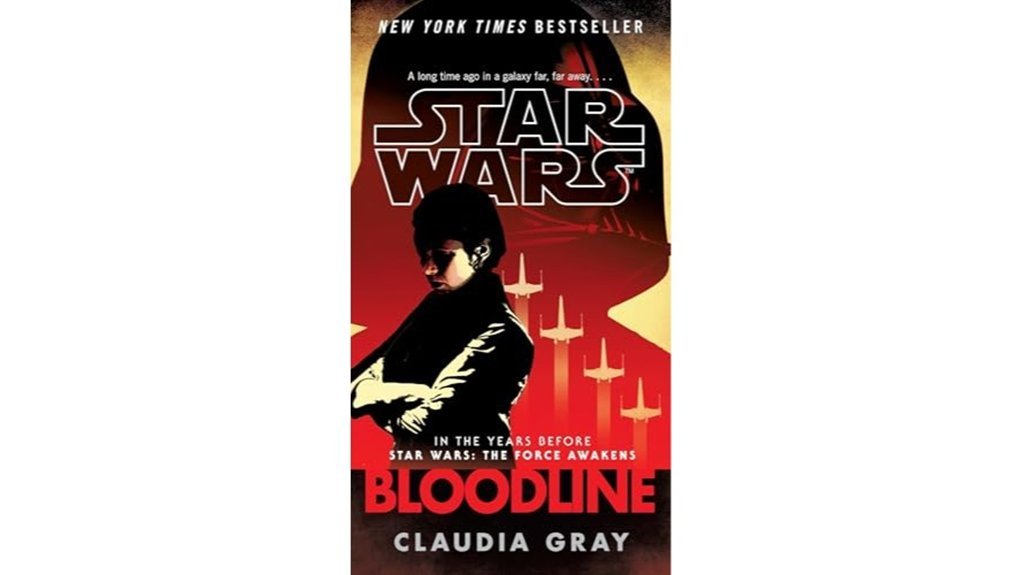
Bloodline is a 432-page Del Rey Star Wars novel published by Random House Worlds in black hardcover and paperback editions, released on January 31, 2017. The book belongs to the Star Wars franchise and appears as a standard tie-in novel rather than a screen release, yet it remains relevant for viewers following chronology across the saga’s expanded canon. Its black hardcover and paperback formats reflect a conventional retail presentation. For an order-focused Star Wars journey, Bloodline offers story context that bridges major eras, complementing films and series with political and character background.
Best For: Star Wars readers and canon-focused fans who want a political, chronology-rich novel that bridges major eras in the saga.
Pros:
- Deepens the Star Wars timeline with added political and character context.
- A substantial 432-page novel for readers who enjoy longer tie-in stories.
- Published by Del Rey/Random House Worlds in a standard hardcover and paperback retail format.
Cons:
- It’s a tie-in novel, so it may not appeal to readers looking for a screen-based story.
- Best appreciated by those already invested in Star Wars canon and chronology.
- The black hardcover/paperback presentation is conventional rather than especially collectible or visually distinctive.
Star Wars: Shadow of the Sith
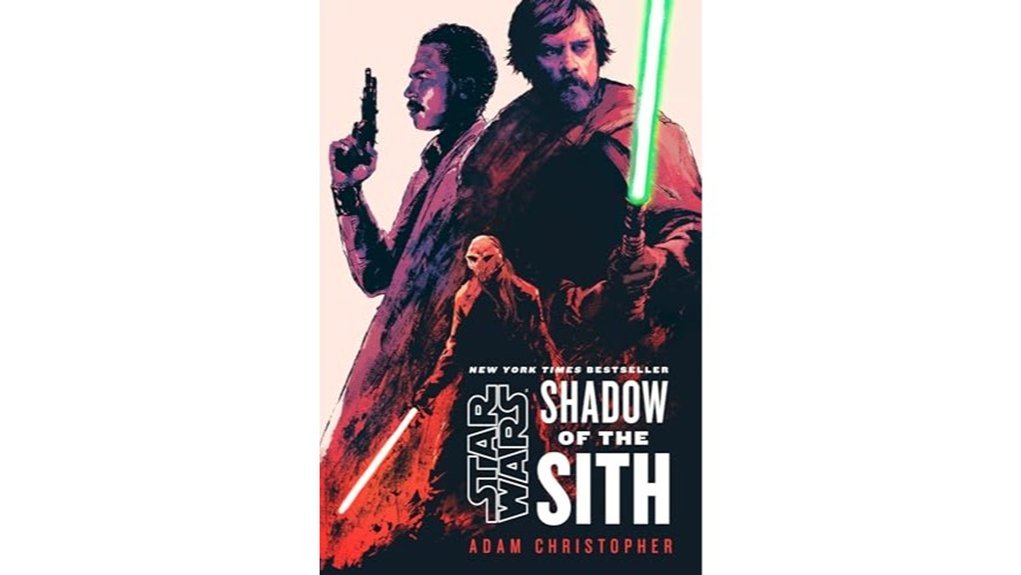
With 512 pages, *Star Wars: Shadow of the Sith* suits readers who want a substantial canon tie-in. Published on March 28, 2023 by Random House Worlds and branded through Random House Books for Young Readers, this black paperback arrives as an international edition. Its size signals a deliberate, expanded narrative rather than a quick companion piece. For viewers building a Star Wars timeline in 2026, it fits best as a bridge text that deepens era context between screen entries. The book’s 1 edition status keeps it straightforward to identify and recommend within a broader order.
Best For: Fans of Star Wars canon who want a substantial, character-driven tie-in novel that adds timeline context between screen entries.
Pros:
- 512 pages provide a fuller, more immersive reading experience.
- Fits well as a bridge text for viewers building out the Star Wars timeline.
- Paperback international edition is easy to identify and recommend.
Cons:
- May feel too long for readers looking for a quick companion read.
- Best appreciated by those already invested in Star Wars canon.
- International edition and specific branding may matter less to casual buyers.
Star Wars: The Complete Saga [Blu-ray]
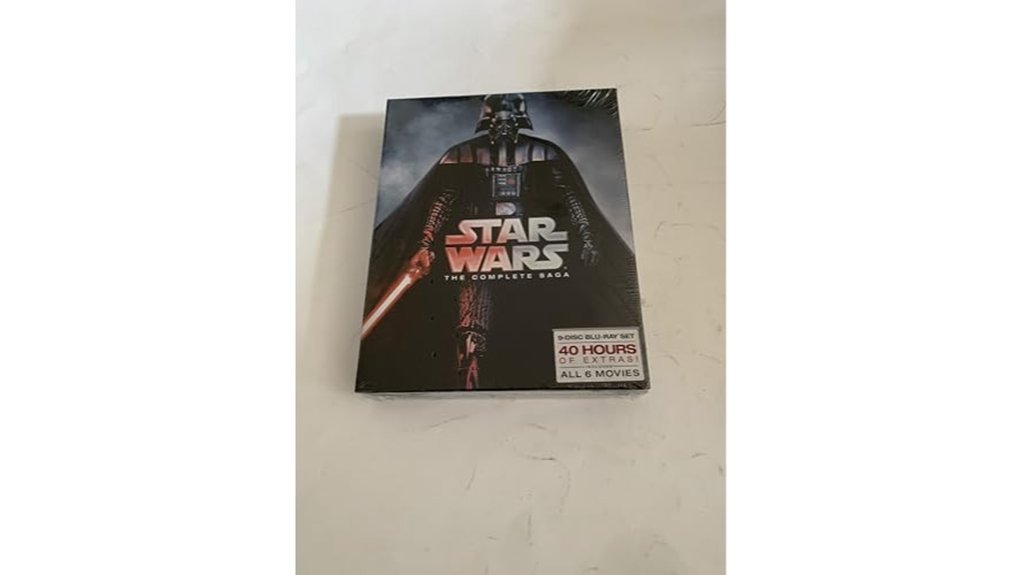
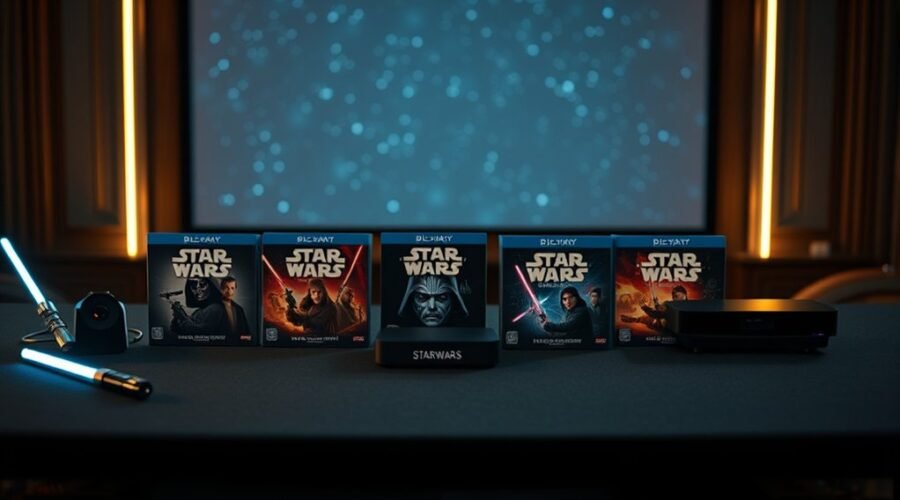
For collectors seeking a pristine viewing set, Star Wars: The Complete Saga on Blu-ray offers all nine films in one package. Released on October 13, 2015, this 20TH CENTURY STUDIOS set is presented in brand new condition and ships in a box with relevant accessories. The Blu-ray format delivers color video with AC-3 audio, making it a straightforward physical option for home viewing. Classified as a DVD product group item, it suits viewers who prefer a complete, organized collection rather than assembling the saga film by film.
Best For: Collectors and Star Wars fans who want a brand-new Blu-ray box set of the complete saga for organized home viewing.
Pros:
- Brand new condition with box and relevant accessories included
- Blu-ray format with color video and AC-3 audio for physical media enthusiasts
- Complete saga collection from 20TH CENTURY STUDIOS in one set
Cons:
- Physical disc set may not appeal to viewers who prefer streaming
- Listed under the DVD product group, which may cause some catalog confusion
- Publication date is 2015, so it may not include the latest release features or updates
Factors to Consider When Choosing How to Watch Star Wars in Order: the Ultimate Guide
Choosing how to watch Star Wars in order depends on several key factors, including whether a viewer prefers release order or chronological order. Many start with the original trilogy first, then decide how to approach the prequels and sequels while keeping canon versus Legends in mind. Story complexity also matters, since the best path often depends on how much context and continuity the viewer wants at the outset.
Release Versus Chronological
The choice between release and chronological viewing shapes how Star Wars unfolds for the audience. Release order follows the path first shown to viewers, beginning with A New Hope in 1977 and continuing through the later trilogies. This approach highlights how special effects, pacing, and storytelling evolved over time, while also preserving major surprises and dramatic tension. Chronological order, by contrast, arranges events according to the saga’s internal timeline, starting with The Phantom Menace. That structure can provide a more linear understanding of character arcs and plot progression across the franchise. The preferred method often depends on individual goals: release order is frequently suggested for newcomers, while chronological viewing appeals to those seeking a continuous narrative flow and a different perspective on the same galaxy.
Original Trilogy First
Starting with the Original Trilogy offers a direct introduction to Star Wars at its source. A New Hope, The Empire Strikes Back, and Return of the Jedi first brought Luke Skywalker, Princess Leia, and Darth Vader to audiences between 1977 and 1983, establishing the saga’s core conflict and enduring lore. This viewing order emphasizes heroism, redemption, and the struggle between good and evil in their most immediate form. It also showcases the groundbreaking special effects that helped define the franchise and still support its appeal. For new viewers, beginning here creates a clear foundation for the story’s character arcs and narrative depth. Later films and series can then be understood as expansions on an already familiar, fully formed cinematic universe, enhancing appreciation without sacrificing discovery.
Prequels And Sequels
Whether viewed in release order or chronological order, the prequel and sequel trilogies shape Star Wars in different ways. The prequels—The Phantom Menace, Attack of the Clones, and Revenge of the Sith—trace the rise of the Galactic Empire and Anakin Skywalker’s descent into Darth Vader. They also establish political conflict and Jedi history that give earlier events added context. The sequels—The Force Awakens, The Last Jedi, and The Rise of Skywalker—shift to Rey, Finn, and other new heroes confronting the First Order and the Empire’s remnants. Chronological viewing can clarify motivations and the larger arc, while release order preserves the original audience’s unfolding discovery. Their differing tones also matter: the prequels emphasize betrayal and loss, while the sequels focus on legacy and identity.
Canon Versus Legends
A key factor in choosing a Star Wars viewing order is understanding canon versus Legends. Canon is Lucasfilm’s official storyline, covering films, television series, books, and comics released after 2014. It includes major entries such as The Force Awakens and The Mandalorian, which connect within a shared timeline and reinforce character arcs across media. Legends refers to earlier published material no longer treated as official continuity. Though non-canonical, it still contains notable storytelling, including the Thrawn trilogy and Bloodline. The distinction matters because canon usually builds directly from one installment to the next, while Legends may follow alternate events or timelines. Recognizing this difference allows viewers to decide whether to prioritize the official narrative or explore broader, legacy-era material in a chosen order.
Story Complexity Level
Story complexity is often the deciding factor when choosing how to watch Star Wars in order. The saga spans trilogies, standalone films, and series, and each arrangement presents the narrative with a different level of difficulty. Chronological viewing can clarify how characters develop, especially when prequels reshape relationships first implied in the original trilogy. Release order, by contrast, preserves major twists and reveals in the way they were originally designed. Expanded lore from animated series and novels adds depth, but also increases the amount of information a viewer must track. For that reason, the best approach depends on how much timeline work and character tracking a viewer wants to manage while following the larger Star Wars story across multiple productions.
Viewing Age Suitability
Age suitability is an important factor when deciding how to watch Star Wars in order, since the franchise includes material that ranges from mild adventure to darker emotional themes. In general, the series is considered suitable for viewers aged 10 and up, though some films include mild violence and story elements that may call for parental guidance. The original trilogy is usually the most family-friendly option, while the prequels often present more intense action and darker material. Animated entries such as Star Wars: The Clone Wars are often easier for younger audiences to follow. The sequel trilogy may suit older children and teens better because it explores loss and redemption. Because each installment differs, individual content should always guide viewing choices.
Time Commitment Needed
Watching Star Wars in order can demand a significant time commitment, especially for viewers who want the full saga experience. A chronological marathon of the main films and spin-offs can take more than 20 hours, with each core movie usually lasting 2 to 2.5 hours. When animated series and other additional content are included, the total can rise beyond 30 hours, depending on the choices made. Standalone films and episodes generally add 1 to 1.5 hours each, so pacing matters. Viewers may benefit from scheduling breaks between installments to avoid fatigue during longer sessions. Those aiming for deeper understanding should also reserve time for supplementary materials, such as behind-the-scenes documentaries or fan theories, which can further enrich the overall viewing experience.
Extra Media Options
Supplemental Star Wars media can deepen the experience beyond the films themselves. Books such as Star Wars Timelines and Bloodline add lore, political context, and character background that sharpen a chronological viewing plan. Video games, including Star Wars Jedi: Survivor, provide interactive storytelling that extends familiar themes through exploration and combat. Animated series and spin-offs often supply missing context, revealing motivations and relationships that the movies only hint at. Official comics and graphic novels widen the universe further by focusing on side stories and lesser-known figures. Audiobooks and documentaries offer another route, delivering narrative material and behind-the-scenes perspective in accessible formats. For viewers deciding how much to include, these options can enrich the order without being required, allowing a tailored balance between completeness and simplicity.
Frequently Asked Questions
Which Star Wars Content Is Best for First-Time Viewers?
The original trilogy is best for first-time viewers, especially A New Hope, The Empire Strikes Back, and Return of the Jedi. It provides the clearest introduction, strongest characters, and most iconic Star Wars experience.
Should I Watch the Star Wars Holiday Specials?
Probably not, unless curiosity is burning a hole in the pocket. The holiday specials are mostly novelty items, better treated as curiosities than essentials. First-time viewers usually gain more from the main films and series.
Are Anime Star Wars Series Included in the Viewing Order?
Yes, anime Star Wars series are usually included when seeking a complete viewing order, though only if canonical or personally desired. Nonessential anthologies may be skipped. Their placement depends on release date or chronological timeline.
Can I Skip the Prequels Without Missing Important Plot Points?
Yes—coincidentally, the prequels introduce Anakin’s fall, Palpatine’s rise, and key Jedi history. Without them, several later moments lose weight. A viewer can skip them, but important emotional and political context will be missed.
What Is the Best Watch Order for Kids in 2026?
For kids in 2026, a light chronological order works best: Episode I, II, Clone Wars essentials, then IV, V, VI. It keeps surprises simple, avoids confusion, and introduces darker material gradually.
Conclusion
In the end, choosing a Star Wars viewing order is less a rulebook than a road map through a galaxy of legends. Whether one follows release order, timeline order, or a character-focused path, each route offers its own force and flavor. From the first lightsaber hum to the final showdown, the saga remains timeless. After all, isn’t the real question not how to watch, but how deeply to feel the Force?