Affiliate disclosure: As an Amazon Associate I earn from qualifying purchases. This article contains affiliate links to Amazon, so we may earn a commission if you buy through them, at no extra cost to you.
For a cleaner kid’s backpack in 2026, four useful picks stand out: BLACK+DECKER Dustbuster for crumbs and seams, Meowoo Heavy Duty Mesh Laundry Bags for machine washing, Honey-Can-Do’s drying rack for fast air-drying, and Pine-Sol for disinfecting hard, nonporous surfaces nearby. A backpack should be durable, washable, and quick to dry so germs, mold, and odor do not build up. The right care choices can make school bags safer and longer lasting.
BLACK+DECKER Dustbuster Cordless Handheld Vacuum (HHVI315JO42)
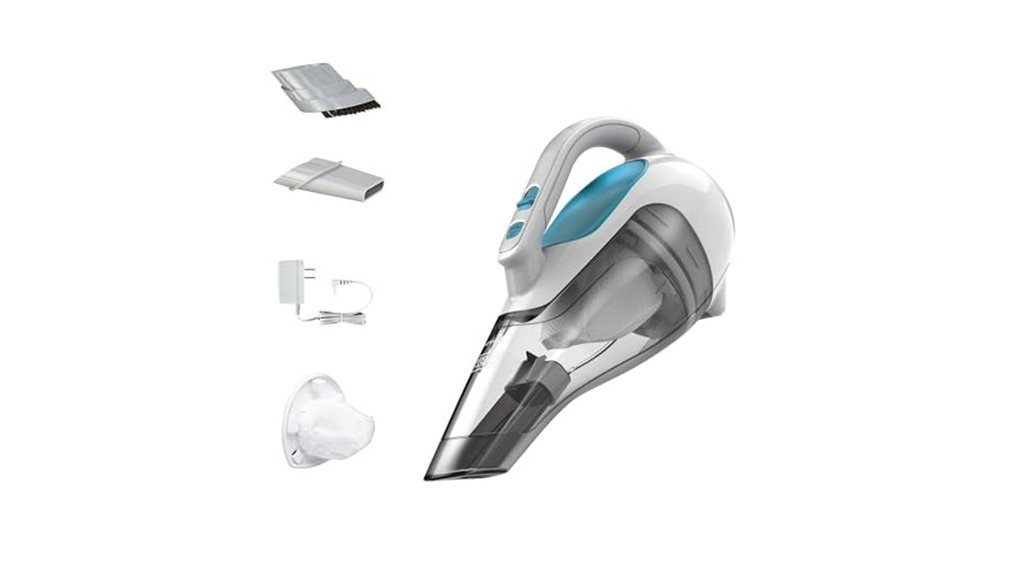
The BLACK+DECKER Dustbuster Cordless Handheld Vacuum (HHVI315JO42) is a practical choice for parents who need a quick, reliable way to clean out a child’s backpack between washes. Its wide mouth helps lift crumbs and larger debris, while the crevice tool reaches seams, pockets, and tight corners. Strong lithium-powered suction supports thorough cleanup, and the translucent dirt bowl makes it easy to check when emptying is needed. The high-capacity bowl reduces interruptions during bigger messes. Washable bowl and filters simplify upkeep. A wall-mount charging base keeps it stored neatly and ready for use.
Best For: Parents or busy households looking for a compact, easy-to-use handheld vacuum for quick cleanups of crumbs, debris, and tight spaces.
Pros:
- Wide mouth makes it easy to pick up larger debris quickly.
- Crevice tool helps clean seams, pockets, and other hard-to-reach areas.
- Washable bowl and filters make maintenance simple and convenient.
Cons:
- Best suited for small, quick cleanups rather than full-size vacuuming tasks.
- Cordless battery life may not be ideal for extended cleaning sessions.
- Handheld design means it has a smaller dirt bowl than larger vacuums.
Meowoo Heavy Duty Mesh Laundry Bags (2 Pack)
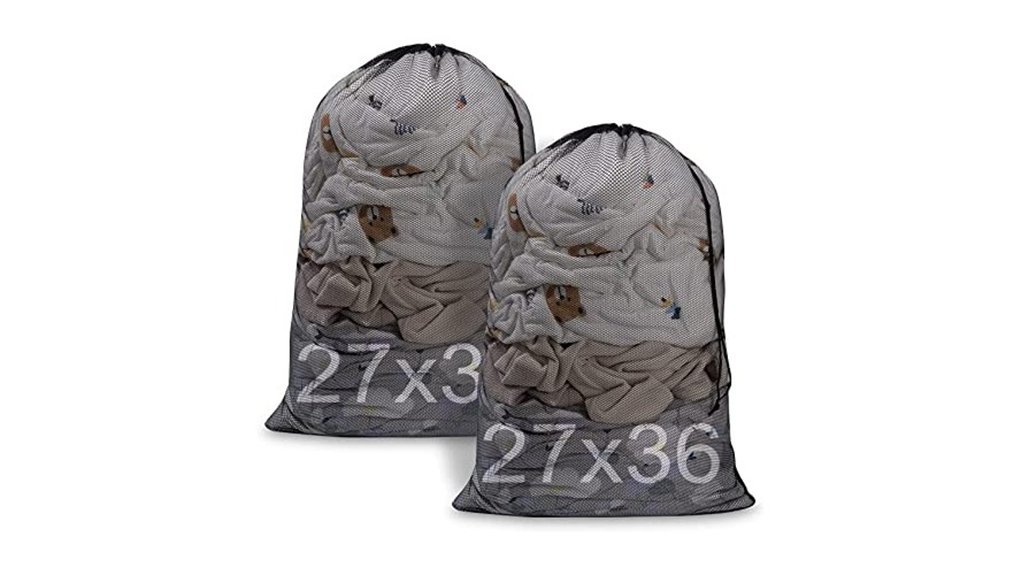
For parents who need a durable wash bag, Meowoo’s heavy-duty mesh set offers reliable protection. The two black 27×36-inch bags are made from sturdy mesh and feature a drawstring closure with a lockable design. They can help contain a child’s backpack, small gear, or laundry during washing, while also serving for travel, storage, or sports use. The bags work well as hamper liners in dorms or at home. Because they are machine washable, upkeep stays simple. Meowoo’s model 43397-43674 provides practical, reusable protection.
Best For: Parents, students, and active households who need durable, reusable mesh laundry bags for washing, storage, travel, or sports gear.
Pros:
- Heavy-duty mesh construction offers durable, reusable protection.
- Drawstring closure with a lockable design helps keep items contained.
- Machine washable and versatile for laundry hampers, travel, and storage.
Cons:
- Only two bags are included, which may not be enough for larger households.
- Mesh material may not be ideal for very delicate items that need extra padding.
- Large 27×36-inch size could be bulkier than needed for small loads.
Honey-Can-Do 6-Tier Collapsible Steel Clothes Drying Rack, 24 ft, White
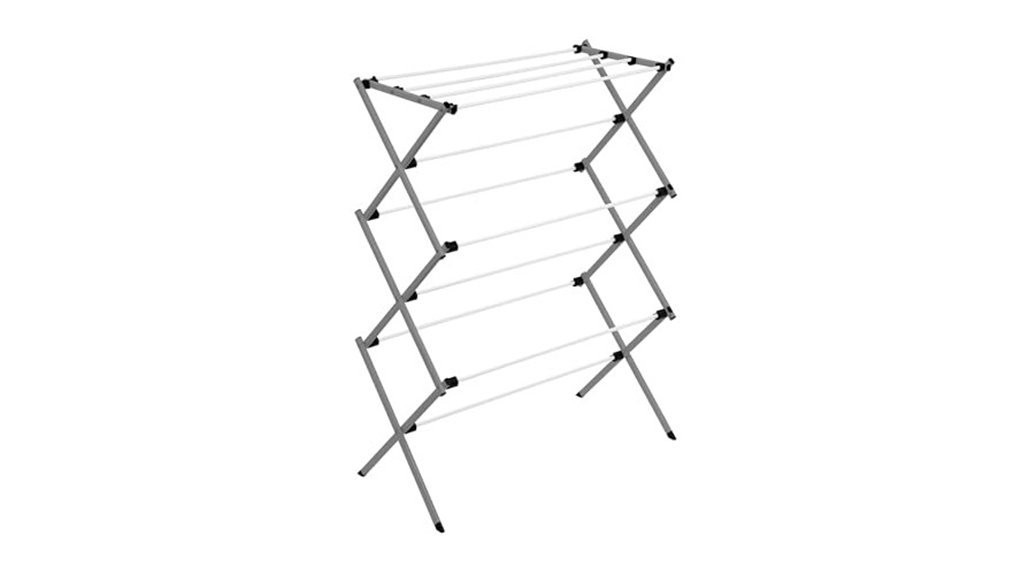
With 24 feet of drying space, this collapsible rack suits families washing backpacks and bulky gear. The Honey-Can-Do DRY-09065 uses six accordion tiers to support shirts, towels, sweaters, and delicates, while holding up to 50 pounds without bending. Its coated steel rods help prevent snags on backpack straps, liners, and other delicate fabrics. Measuring 29 by 14 by 42 inches, it fits apartments and narrow laundry rooms. When not needed, it folds to 3 inches for storage behind a washer, in a closet, or under a bed. It works indoors or outdoors for dependable air-drying.
Best For: Apartment dwellers, dorm residents, and small-space households who need a sturdy, foldable drying rack for everyday air-drying of clothes, delicates, and bulky items.
Pros:
- Offers 24 linear feet of drying space across six accordion tiers.
- Supports up to 50 lbs and works well indoors or outdoors.
- Folds down to 3 inches for easy storage in tight spaces.
Cons:
- May be too small for very large laundry loads.
- Steel frame can be less portable than lightweight plastic racks.
- Best suited for air-drying only, not a replacement for machine drying.
Pine-Sol All Purpose Cleaner, Original Pine, 2-Pack
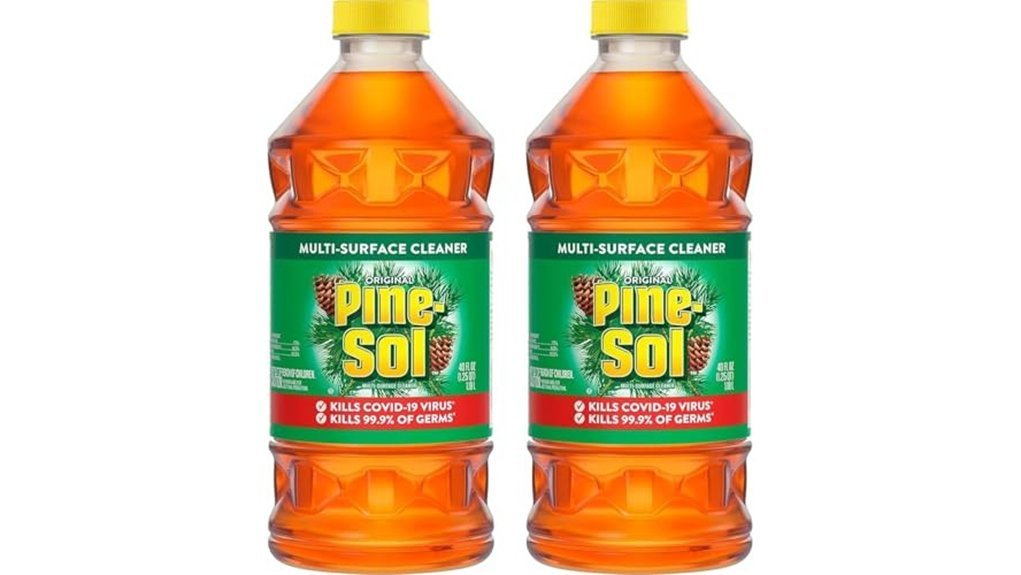
Pine-Sol All Purpose Cleaner, Original Pine, suits families needing a concentrated disinfecting solution for stubborn backpack grime. This two-pack of 40-ounce bottles offers an all-purpose formula that cleans, disinfects, and kills 99% of germs. It handles tough dirt, grease, and residue on hard nonporous surfaces, making it useful for backpack exteriors, nearby counters, and other washable items. The concentrate can be diluted for many jobs, yielding up to 40 gallons of solution. Its long-lasting pine scent also helps reduce odor-causing bacteria, while the formula may freshen laundry when needed.
Best For: Families or households looking for a concentrated all-purpose cleaner that disinfects, tackles tough grime, and leaves a fresh pine scent.
Pros:
- Cleans, disinfects, and kills 99% of germs.
- Concentrated formula can be diluted to make up to 40 gallons of solution.
- Suitable for many hard nonporous surfaces and can also freshen laundry.
Cons:
- Not intended for all surface types, especially porous or delicate materials.
- Strong pine scent may not appeal to everyone.
- Requires dilution for many uses, which adds an extra step.
Factors to Consider When Choosing to Wash Your Kid’s Backpack: It Has More Germs Than a Toilet
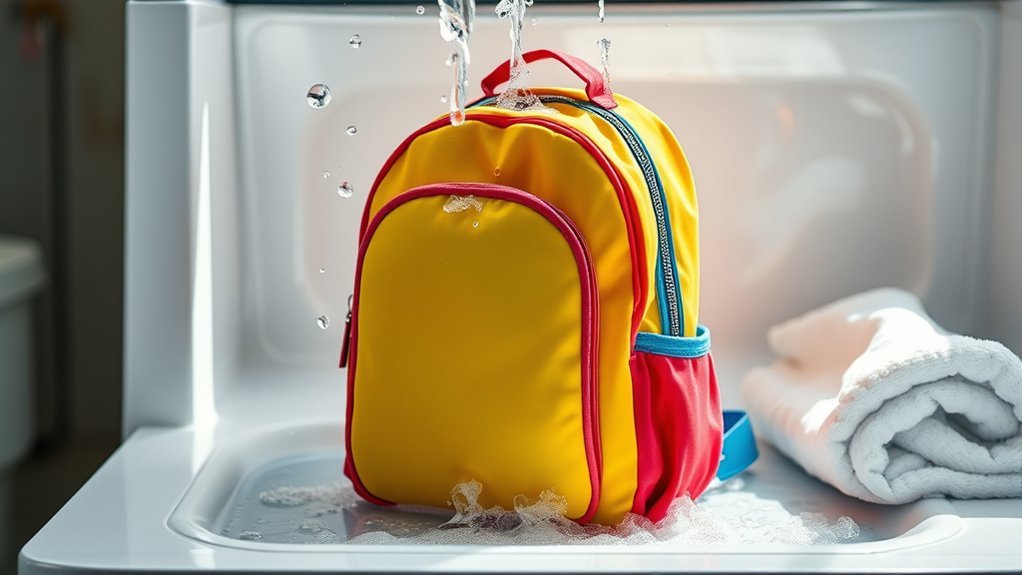
When choosing how to wash a kid’s backpack, material durability and washability should come first, since repeated cleaning can weaken some fabrics. Germ resistance, size and fit, and zipper quality also matter because they affect how well the bag handles frequent use and sanitation. A backpack that is sturdy, easy to clean, and built with reliable hardware will better withstand the demands of school life.
Material Durability
Material durability should guide the decision to wash a child’s backpack, especially if it is made from high-denier polyester or nylon, which can handle repeated cleaning and daily wear more effectively. These fabrics generally resist abrasion, stretching, and seam failure better than thinner alternatives, making them suitable for routines that include frequent handling and rough use. Reinforced stitching also matters, since strong seams help the pack endure heavy books, lunch containers, and shifting contents without tearing. Water-resistant treatments can extend service life by limiting moisture damage, while UV-resistant materials reduce fading and surface breakdown after sun exposure. Backpacks built from sturdy materials are less likely to weaken during maintenance, so their condition remains more consistent over time and their protective structure stays intact.
Washability
Even the toughest backpack needs the right care, and washability matters just as much as fabric strength. A child’s backpack can collect far more germs than a toilet seat, so regular cleaning is not optional. Machine-washable designs simplify upkeep and help remove dirt, bacteria, and allergens that build up with daily use. Care should be taken to choose materials that tolerate frequent washing without shrinking, warping, or fading. Some models include removable, washable liners, which make cleaning easier and help shield the main fabric from stains and odors. When a backpack can be washed often, harmful bacteria are reduced and the bag stays fresher longer. That makes washability a practical feature for maintaining a cleaner, healthier routine for children.
Germ Resistance
Germ resistance should be a top concern because backpacks can hold germs for days on fabric surfaces, turning them into easy breeding grounds for bacteria and viruses. Children’s backpacks have been shown to carry up to 20 times more germs than a toilet seat, which makes regular cleaning more than a cosmetic task. Fabric choices such as nylon and polyester may trap moisture, helping microbes persist longer between washes. Hot water washing can greatly lower bacterial counts and remove lingering contamination. For added protection, antimicrobial sprays or wipes may be used on the exterior between full cleanings. A backpack that resists moisture and accepts sanitizing treatments is easier to keep hygienic, especially when daily use exposes it to shared surfaces, food residue, and classroom germs.
Size And Fit
Backpack fit affects both comfort and hygiene because a bag that is too large or poorly balanced is more likely to be overpacked, dragged on dirty surfaces, and used in ways that increase wear and contamination. A properly sized pack should sit against the child’s back, covering the lower back without extending below the waist. This helps reduce strain on shoulders and spine during daily use. When loaded, the weight should stay within 10 to 20 percent of body weight to avoid discomfort and injury. Adjustable straps help maintain a secure fit as the child grows, while even weight distribution limits pressure points and supports better posture. Because a well-fitted backpack is easier to carry correctly, it is less likely to be mishandled and dirtied.
Zipper Quality
Strong zippers help a child’s backpack hold up to frequent use, and heavy-duty options are less likely to jam or break after repeated opening and closing. Zipper quality affects both durability and daily function, especially when a bag is opened dozens of times a day. Nylon and metal zippers generally resist wear better than plastic versions, making them more reliable over time. Water-resistant or waterproof zippers add another layer of protection by limiting moisture entry, which can matter in busy school settings. Large zipper pulls also improve ease of use for small hands, helping children manage their own bags. Reinforced stitching around the zipper track further reduces misalignment and supports smooth operation, even after repeated stress from cleaning and regular use.
Drying Speed
Drying speed matters because a damp backpack can become a breeding ground for bacteria, mold, and mildew. Faster drying limits the time moisture gives germs a chance to multiply, which makes post-wash care especially important. Materials with moisture-wicking properties help pull water away from the fabric, shortening drying time after cleaning or rain. Mesh panels and breathable fabrics improve airflow, letting evaporation happen more quickly. A backpack should ideally be dried within a few hours to reduce the risk of mildew in seams, pockets, and padding. Placing it on a drying rack can further speed the process by maximizing air circulation. In practice, quicker drying supports better hygiene and helps keep the backpack safe for daily school use.
Frequently Asked Questions
How Often Should I Wash My Kid’s Backpack?
A child’s backpack should generally be washed every few months, or sooner if it becomes visibly dirty, smelly, or contaminated. Frequent spot-cleaning and airing out can reduce how often deep cleaning is needed.
Can I Put a Backpack in the Washing Machine?
Can a backpack ride the washing machine’s tumbling waves? Yes, if its care label allows, empty it first, use gentle cycle, cold water, and air-dry; delicate materials or padded straps may be damaged.
How Do I Remove Stubborn Marker Stains Safely?
He should blot the stain with rubbing alcohol on a cloth, then rinse with cool water and mild soap. Strong scrubbing is avoided, since it can spread ink or damage fabric and colors.
Will Washing Damage Waterproof Backpack Coatings?
Washing can catastrophically damage waterproof coatings if done harshly. Gentle hand washing with mild soap, cool water, and air drying usually preserves them, while bleach, heat, and aggressive scrubbing can strip protection surprisingly fast.
Should I Air Dry or Machine Dry the Backpack?
Air drying is usually safer, since machine drying can warp fabric, shrink straps, or damage coatings. It should be hung in a ventilated area, with pockets open, until fully dry before reuse.
Conclusion
A child’s backpack is more than fabric and zippers; it is a tiny moving world, carrying crumbs, dust, and the day’s invisible germs. With a handheld vacuum, mesh laundry bags, a drying rack, and a trusted cleaner, its worn shell can be restored like a lamp polished after a storm. Clean gear does not just look better—it quietly shields the child who carries it, turning an everyday bag into a small emblem of care.