Affiliate disclosure: As an Amazon Associate I earn from qualifying purchases. This article contains affiliate links to Amazon, so we may earn a commission if you buy through them, at no extra cost to you.
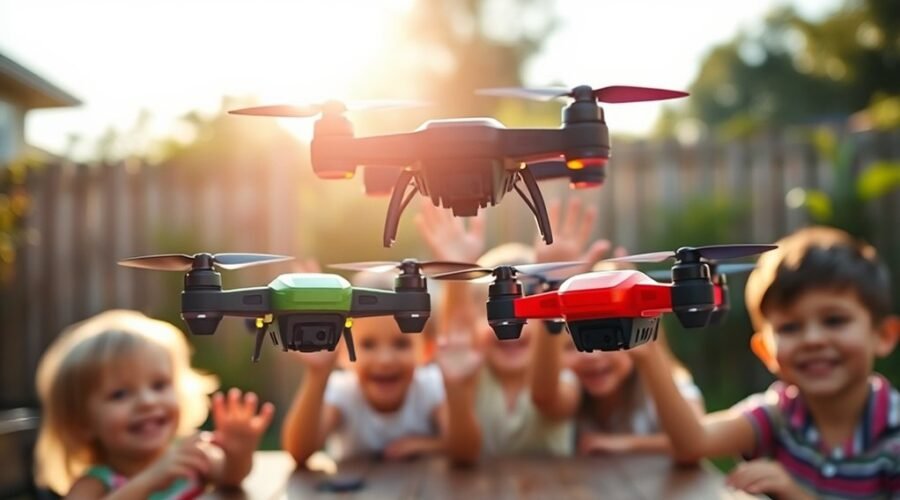
Two standout drones under $50 for kids in 2026 are the Rolling Spider and the Air Hogs Mission Alpha Vehicle, Black. The Rolling Spider offers stable flight, 360° flips, a mini-camera, and easy smartphone control. The Air Hogs Mission Alpha delivers strong racing fun, stunts, and indoor-outdoor versatility. Both are affordable, kid-friendly, and built for beginner pilots. Safety, stability, and simple controls make them smart picks, and more helpful details follow below.
Rolling Spider
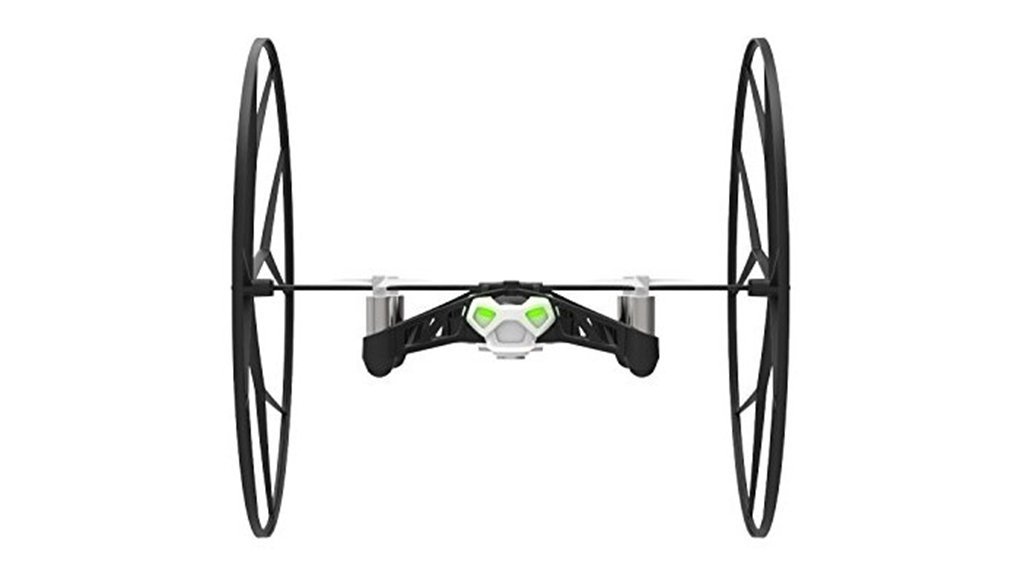
The Rolling Spider by Parrot is a compact, kid-friendly drone that stands out for indoor and outdoor use, easy smartphone control, and safety features like a propeller circuit-breaker. This white PF723000 model from Parrot Inc. uses a stable quadricopter design and needs no FAA registration. It reaches 18 km/h and performs 90° and 180° turns, plus 360° flips in any direction. A vertical mini-camera supports aerial photos and video. Bluetooth 4.0 links it directly to iOS and Android devices, while removable wheels let it roll across floors, walls, and ceilings.
Best For: Families, beginners, and hobbyists looking for a compact, easy-to-control drone for indoor/outdoor play and basic aerial photos.
Pros:
- Kid-friendly and easy to control with smartphone support
- Stable quadricopter design with 360° flips and sharp turns
- Built-in mini-camera and removable wheels for versatile use
Cons:
- Limited top speed compared with larger drones
- Bluetooth 4.0 control may offer shorter range than more advanced systems
- Best suited for casual use rather than professional photography
Air Hogs Mission Alpha Vehicle, Black
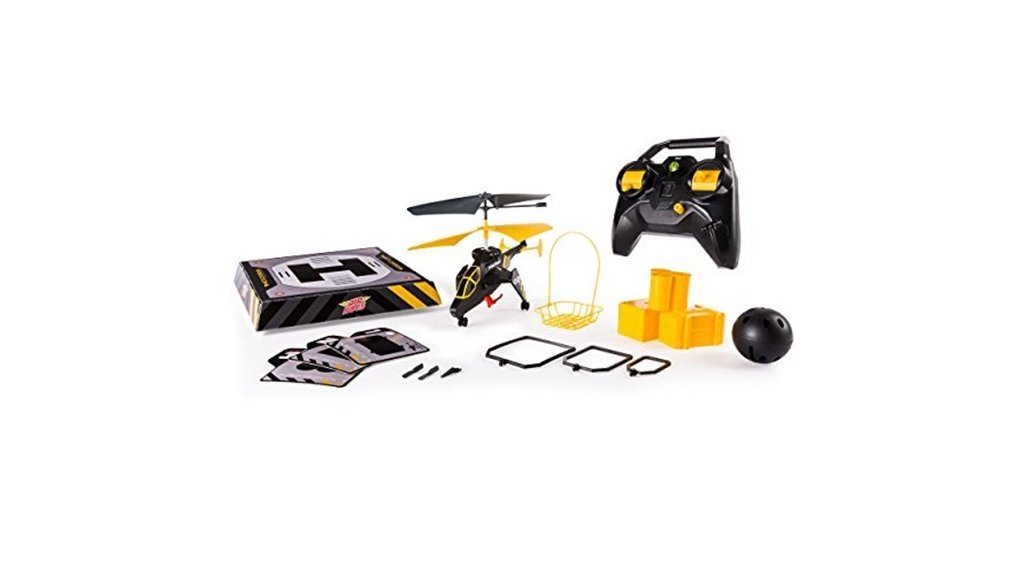
Air Hogs Mission Alpha Vehicle, Black suits kids who want fast indoor-outdoor R/C action and stunt practice. Made by Spinmaster under the Air Hogs name, model 20065670-6028823 reflects a brand known as an industry innovator and category leader. This black remote-control vehicle is engineered for strong performance, precision racing, and stunts. Its design works well indoors or outside, giving beginners and experienced hobbyists alike room to improve control. With broad appeal across ages and skill levels, it delivers plenty of thrills without demanding a hefty price, making it a practical pick for R/C fun.
Best For: Kids, beginners, and experienced R/C hobbyists who want an affordable black remote-control vehicle for indoor and outdoor racing, stunts, and skill building.
Pros:
- Strong performance for precision racing and stunt practice
- Works well both indoors and outdoors
- Broad appeal across ages and skill levels without a high price tag
Cons:
- May not satisfy users looking for premium, advanced hobby-grade features
- Best suited to casual fun rather than highly specialized competition use
- Outdoor performance can still depend on terrain and conditions
Factors to Consider When Choosing 9 Drones Under $50 That Your Kids Will Love: Useful Products and Buying Tips
When choosing drones under $50 for kids, safety features, flight stability, and ease of control should come first. It also helps to match the drone to the intended setting, whether it is for indoor or outdoor use. Durable designs with added protection can better withstand crashes and keep the experience enjoyable.
Safety Features
Safety should be the first filter for any kid-friendly drone, especially at this price point. A good model should include propeller guards or similar built-in protections to reduce injury and limit damage during bumps. Low-speed settings and beginner modes are also important, since they let young pilots practice without facing overly sharp controls. Lightweight construction is another plus, because it can soften the impact of accidental drops and lessen risks to nearby objects. Models with an emergency shut-off or fail-safe mode deserve attention as well, especially when signal loss could otherwise lead to trouble. Buyers should favor designs that feel sturdy and simple to handle, since safety features matter most when children are still learning to manage their first flights.
Flight Stability
Flight stability is one of the most important factors for beginner pilots, since a steady drone is easier to control and less likely to crash. For drones under $50, a balanced quadricopter design often provides the best hovering performance because four propellers distribute lift evenly. Helpful stabilization features, such as altitude hold and gyroscopic sensors, can keep the aircraft smoother in the air and reduce unwanted drifting. Models suited for both indoor and outdoor use may also perform better across changing conditions, since they are built to handle different spaces and air movement. Stability can be supported further by protective details like propeller circuit-breakers, which help limit damage during unexpected impacts and keep the drone flying longer.
Ease Of Control
Ease of control often matters most for young beginners, since a drone that responds predictably is easier to learn and more enjoyable to fly. Models with simple layouts, touchscreen interfaces, or app-based commands can reduce confusion and help children build confidence quickly. Direct Bluetooth connectivity to a smartphone is also useful, because familiar devices often make steering and navigation more intuitive. Fun extras such as 90° and 180° turns or acrobatic flips can keep practice engaging while reinforcing basic handling skills. Safety features like propeller circuit-breakers are equally important, as they can limit damage and reassure new pilots. A well-designed drone should combine easy control, playful movement, and protective features so learning feels manageable and rewarding for kids.
Indoor Outdoor Use
After ease of control, the next key consideration is where the drone can be used. For kids, a drone rated for both indoor and outdoor use offers the most value, since it can move from living room practice to backyard flights without changing models. Stable quadricopter designs are especially useful because they handle tight indoor spaces and still remain manageable outdoors. Models with removable wheels can add flexibility, letting the drone travel across floors and even other surfaces in playful ways. Acrobatic features also help maintain interest, giving children more to do in varied settings. Indoors, safety features such as propeller circuit-breakers are important, because obstacles and close quarters make flight mistakes more likely.
Durability And Protection
Durability matters most when a drone is meant for children, because frequent bumps, hard landings, and rough handling are part of normal play. A sturdy frame made from resilient materials helps the drone survive drops without cracking or losing performance. Built-in safety features, such as propeller circuit-breakers, can reduce damage during crashes and improve overall reliability. Protective or removable parts, including wheels, add another layer of defense when the drone is used on different surfaces. Stability also matters, since a well-balanced model is less likely to collide with walls or furniture and suffer wear. A warranty or accidental-damage guarantee further supports long-term value by covering unexpected mishaps. For parents, these protections can mean fewer repairs and more uninterrupted play.
Age And Skill Fit
Matching a drone to a child’s age and skill level is essential for both safety and enjoyment. Younger children usually do best with models that have simple controls, gentle responsiveness, and built-in safeguards that reduce crashes. Beginners often need stability features, such as altitude hold or one-key takeoff, because these make early flights less frustrating. More confident kids may appreciate drones with flips, turns, and other acrobatic moves, provided the controls remain manageable. Safety should still come first, so propeller guards and circuit-breakers are valuable on any beginner-friendly model. Speed also matters; a quick drone can overwhelm inexperienced pilots, while slower flight gives them time to react and learn. The best choice matches ambition with control, keeping flying fun, not stressful, as skill improves.
Frequently Asked Questions
How Long Do These Drones Typically Fly on a Single Charge?
They typically fly 5 to 10 minutes per charge, with some cheaper models reaching only 3 to 6 minutes. Battery size, wind, and flight style all affect duration, so spare batteries help.
Are Replacement Propellers Easy to Find for Budget Drones?
Yes, replacement propellers are usually easy to find for budget drones, especially popular models. They are often sold online or in starter kits, though availability depends on the drone’s exact size and brand.
Can These Drones Be Flown Indoors Without Damaging Furniture?
Yes, small budget drones can be flown indoors if space is open and prop guards are fitted, but furniture remains vulnerable to bumps. Slow modes, soft landings, and supervision reduce damage risk considerably.
What Age Is Recommended for Kids Using These Drones?
Astonishingly, most of these drones suit children aged 8 and older, though some simpler models fit ages 6 to 7 with supervision. Small parts, controls, and battery handling make adult guidance essential for safety.
Do Any of These Drones Support Beginner-Friendly Altitude Hold?
Some do, especially toy drones with gyroscopic stabilization or barometric sensors, which help maintain altitude automatically. Others rely on throttle control alone. The specs should be checked carefully, since beginner-friendly altitude hold varies widely among models.
Conclusion
As the last battery light fades, these budget drones linger like tiny Icarus dreams—small wings for big wonder. The Rolling Spider and Air Hogs Mission Alpha Vehicle show that delight need not be costly, and that first flight can still feel like a leap toward the stars. When safety, stability, and age fit align, children do more than play; they discover confidence, curiosity, and the quiet thrill of taking off.