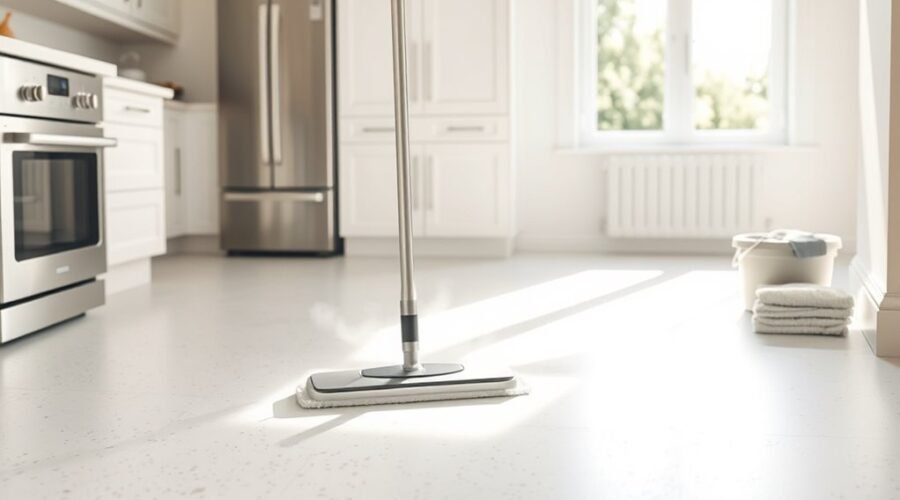
Steam mops can work on sealed linoleum in good condition, but they are not always the safest choice. Heat and moisture may loosen adhesive or dull the finish, especially on older floors. A quick test spot is wise before full use. Safer cleaning often comes from a damp microfiber mop and a pH-neutral cleaner, which protect the surface without risking damage.
Can You Use a Steam Mop on Linoleum?
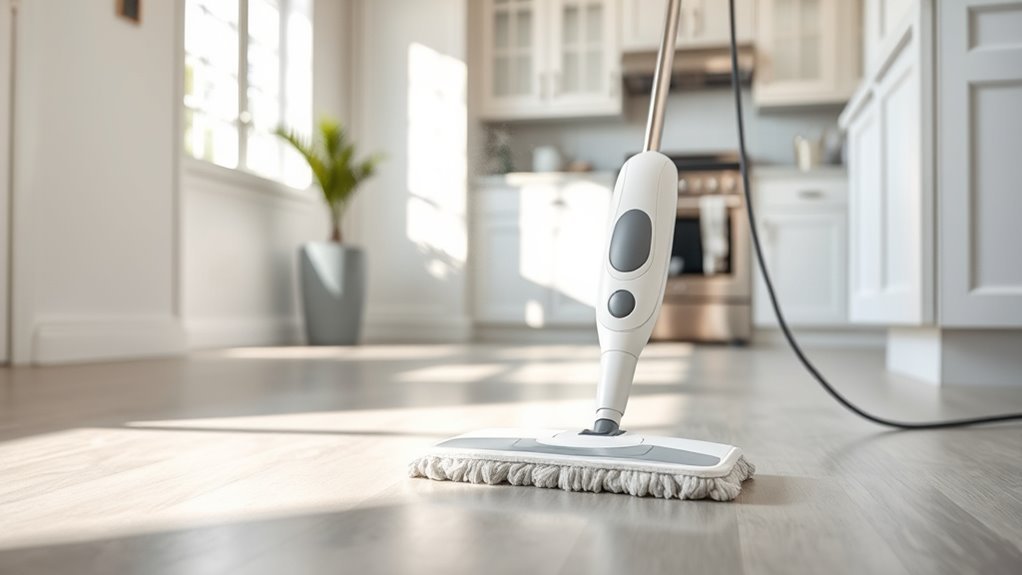
Yes, a steam mop can be used on linoleum, but only when the flooring is sealed and in good condition. On sealed floors, a steam mop may be safe to use for deep cleaning because it lifts dirt and helps sanitize without harsh chemicals. That makes it a practical option for maintenance where freedom from heavy cleaners is preferred.
Still, the mop should move constantly, and excess heat should never linger in one place. A small test area is wise before full cleaning, especially on older linoleum or any surface with wear. The manufacturer’s instructions should always guide the decision, since warranties may depend on approved methods.
Simple cleaning tips include using low steam, checking for loose seams, and pausing if the surface feels too hot. Used carefully, regular steam cleaning can support a cleaner, healthier floor without unnecessary products.
Why Steam Mops Can Damage Linoleum
Steam mops can damage linoleum because the combination of high heat and moisture can be hard on the material’s structure. A steam mop often reaches more than 200°F, and that high temperature can soften the adhesive beneath linoleum, encouraging delamination over time.
The added moisture can move into seams and edges, where it may weaken underlying layers and support mold growth. Heat may also warp or discolor the surface, reducing both appearance and durability.
Because linoleum is built from multiple layers, steam can penetrate below the top surface and create structural damage that is not always visible right away. This risk is not only cosmetic; it can shorten the floor’s service life and complicate repairs.
In many cases, using a steam mop may also conflict with manufacturer warranties, since improper cleaning methods can lead to avoidable damage. For protected flooring, safe cleaning means avoiding unnecessary heat and moisture.
How to Clean Linoleum Without a Steam Mop
Linoleum can be kept clean effectively without exposing it to the heat and moisture of a steam mop. A routine of sweeping or vacuuming removes dirt before it can scratch the surface or build up.
For regular washing, a microfiber mop paired with a pH-neutral cleaner offers a gentle, safe method that respects the linoleum finish while limiting excess moisture. The mop should be damp, not wet, and the floor should be dried thoroughly after cleaning so water does not seep into seams.
For regular washing, use a microfiber mop with a pH-neutral cleaner, keeping it damp and the floor thoroughly dried.
For tough stains, a cloth lightly dampened with warm water and a few drops of dish soap can lift residue without aggressive scrubbing; the area should then be rinsed with clean water and dried. Harsh chemicals and abrasive tools should be avoided, since they can discolor and weaken linoleum.
This practical routine keeps the floor clean, preserves freedom from damage, and avoids dependence on a steam mop.
Best Tools and Cleaners for Linoleum
A microfiber flat mop or a string sponge mop with a wringer is well suited to linoleum because it lifts dirt effectively while keeping moisture under control.
pH-neutral cleaners, such as Zep pH neutral cleaner, help maintain the floor without stripping or dulling its surface. For regular cleaning, a microfiber mop paired with warm water is enough to remove dirt and grit while keeping linoleum safe to clean.
A steam mop is not the preferred tool here, since excess heat and moisture can raise the risk of water damage.
Dry sweeping or vacuuming before damp mopping improves results and reduces scratches from trapped debris.
pH-neutral cleaners offer a controlled, low-risk option for routine care and support a floor that stays clean without unnecessary wear.
How to Protect Linoleum’s Finish
Protecting the finish starts with gentle, consistent care: a damp mop with a pH-neutral cleaner helps avoid dulling the surface, while a linoleum-specific floor polish can restore shine and add a layer of defense against scratches and scuffs.
To protect linoleum, regular cleanings should stay light and controlled, never soaking the surface. A steam mop should be avoided, because high heat can damage the finish and weaken adhesive layers beneath the flooring.
Mats placed in entryways and other high-traffic zones reduce wear and keep grit from abrading the surface. Furniture should rest on protective pads to prevent dents and scratches when items are moved.
With these habits, the finish lasts longer, the floor stays easier to clean, and the linoleum surface remains resilient without surrendering to unnecessary damage. Simple maintenance preserves both appearance and freedom from costly repairs.
Frequently Asked Questions
What Is the Best Thing to Clean a Linoleum Floor With?
A pH-neutral cleaner with warm water, applied by microfiber mop, is best for a linoleum floor. It supports linoleum floor maintenance, effective cleaning solutions, and floor protection methods while avoiding steam mop benefits and harsh damage.
What Floors Should You Not Use a Steam Mop On?
Steam mops should not touch unsealed hardwood, engineered hardwood, laminate, bamboo, cork, or many vinyl floors. Steam mop precautions matter for linoleum floor care, cleaning product compatibility, heat damage risks, moisture retention issues, flooring material types, alternative cleaning methods, maintenance frequency tips.
What Type of Mop Is Best for Cleaning Linoleum Floors?
Like a gentle brush on canvas, microfiber flat mop is best for linoleum. It leads mop types, cleaning techniques, and floor maintenance. Product recommendations favor pH-neutral eco friendly options; avoid common mistakes, including steam mop benefits.
How Can I Make My Linoleum Floor Look New Again?
Regular sweeping, pH-neutral mopping, DIY cleaning solutions, and effective polishing methods support floor restoration techniques. Linoleum maintenance tips include removing stubborn stains, restoring shine quickly, preventing future damage, and enhancing floor durability with protective wax.
Conclusion
In the end, linoleum asks for care, not force. A steam mop can be a sharp sun on a thin leaf: useful in the right light, but risky if held too long. For sealed, well-kept floors, brief passes may work, yet a damp microfiber mop and pH-neutral cleaner remain the steadier path. Gentle cleaning protects the finish, preserves the adhesive beneath, and helps the floor keep its strength, shine, and service life.