
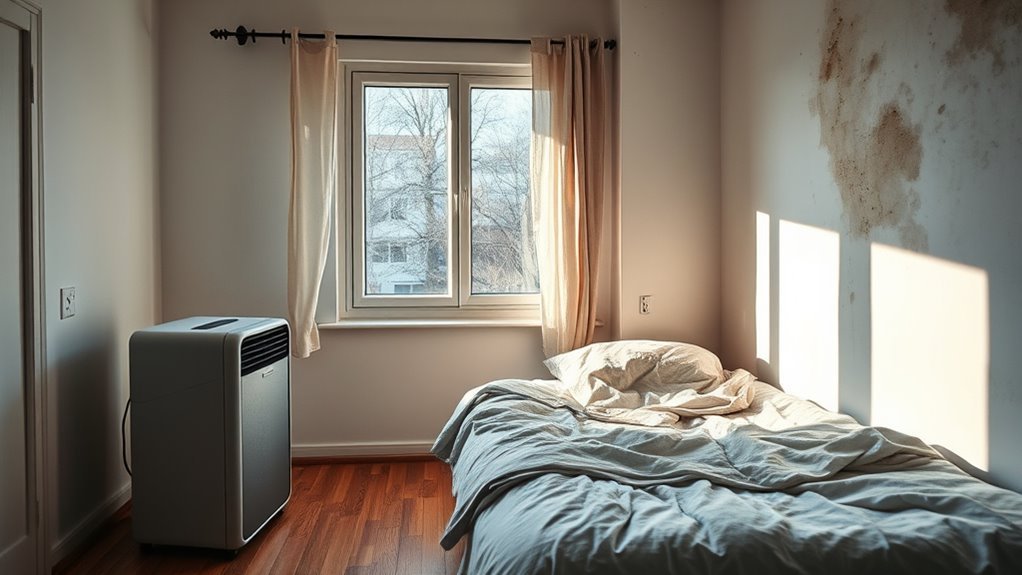
A dehumidifier can start lowering room humidity within a few hours, but there is no fixed time to dry a room. A closed room with humid air may reach its target in about a day, while wet carpet, drywall, wood, concrete, or a damp basement can take several days or longer. The key is to separate drying the air from drying wet materials: stop the moisture source, remove standing water, run a properly sized unit with airflow, and stop based on humidity and material-moisture readings rather than the clock.
Last updated: August 19, 2026
Quick Answer
There is no fixed dehumidifier drying time. In a closed room with a properly sized unit, relative humidity may begin falling within a few hours and often reaches the target range within a day. Wet walls, flooring, carpet, or an active leak can take several days and may require professional drying.
Key Takeaways
- Room air can feel drier within hours, but wet building materials usually take longer.
- Fix leaks and remove standing water before relying on a dehumidifier.
- Choose capacity by room size and dampness, not square footage alone.
- Close doors and windows when outdoor air is humid, and use fans to move air through the room.
- Use a hygrometer for air humidity and a moisture meter for damp walls, wood, carpet, or concrete.
At a Glance
| Time Required | Several hours for ordinary high humidity; one or more days for wet materials |
| Difficulty | Easy for routine humidity control; moderate to professional for water damage |
| Tools Needed | Dehumidifier, hygrometer, fan, drain hose or empty bucket; moisture meter for wet materials |
| Cost | Electricity plus any equipment purchase, rental, or professional drying service |
How Long Does a Dehumidifier Take to Dry a Room?
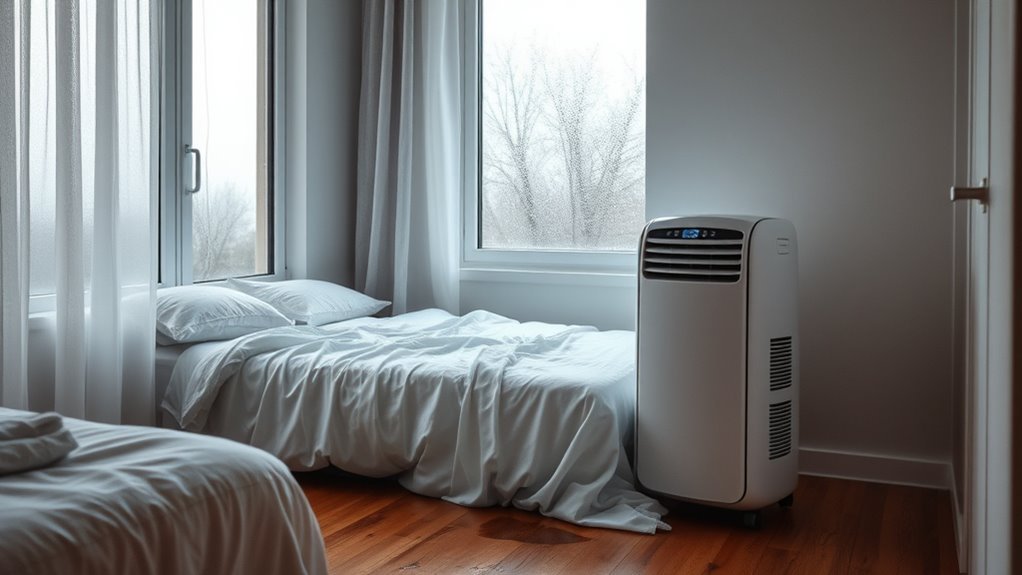
A dehumidifier does not dry every room in a set number of hours. De’Longhi states that there is no set dehumidification time because temperature, humidity, room size and type, and the selected function all affect the result. A properly sized unit may produce a clear drop in relative humidity within a few hours, but reaching a stable set point can take longer.
It also helps to separate drying the air from drying wet materials. Air humidity may reach a comfortable range while drywall, carpet padding, wood, insulation, or concrete still holds water. After a leak or flood, the room is not fully dry until the moisture source is fixed and the affected materials have returned to a safe moisture level.
| Situation | What to Expect | Best Check |
|---|---|---|
| Humid room with no wet materials | The air may improve within hours and stabilize within about a day if the unit is sized correctly. | Hygrometer reading |
| Very damp basement | Expect longer operation, especially if moisture enters through walls, floors, vents, or outdoor air. | Stable RH plus source inspection |
| Wet carpet, drywall, wood, or concrete | Drying may take several days and can require commercial equipment or material removal. | Moisture meter or professional readings |
Note: A falling bucket level or lower room humidity does not prove that hidden wall cavities, carpet padding, subfloors, or insulation are dry.
What Affects Dehumidifier Drying Time?
Drying time depends on the total moisture load, not one number on the control panel. These factors have the largest effect:
- Starting relative humidity: A room at 85% RH contains a heavier moisture load than the same room at 60% RH.
- Room volume: Floor area, ceiling height, open doorways, and connected rooms all increase the air the machine must process.
- Wet materials: Carpet padding, drywall, wood, concrete, furniture, and insulation can release moisture back into the air for days.
- Dehumidifier capacity: Capacity is measured in pints of water removed per 24 hours under standard test conditions.
- Temperature: Cooler air reduces moisture-removal performance and can cause frost or defrost cycles in some refrigerant models.
- Air movement: Fans help moisture evaporate from surfaces and move damp air toward the dehumidifier.
- New moisture entering: Open windows, foundation seepage, an unfixed leak, wet laundry, or humid outdoor air can prevent the room from reaching the set point.
- Drainage and maintenance: A full bucket, blocked hose, dirty filter, or obstructed intake can stop or slow the unit.
The fastest setup is a correctly sized dehumidifier in a controlled space with the water source stopped, standing water removed, steady airflow, and uninterrupted drainage.
How Room Size Changes Drying Speed
Room size matters, but it does not create a reliable hour-by-hour timetable. A small room usually contains less air, yet a small flooded room may take longer to dry than a large room with mild seasonal humidity. Use square footage as one sizing input, then account for dampness, ceiling height, temperature, and wet materials.
Small Rooms Dry Faster
Small rooms often dry faster because the dehumidifier has less air to process. Keep the door and windows closed when outdoor air is humid, follow the clearance instructions in the owner’s manual, and use a separate hygrometer if the unit’s display seems inaccurate. If you are choosing equipment for a compact bedroom, bathroom, or utility area, compare models in our guide to dehumidifiers for small spaces.
- Stop any leak or moisture source.
- Remove standing water and wet items first.
- Set the humidistat near 45% to 50% RH.
- Run a fan to move air across damp surfaces.
- Check the RH trend every few hours instead of expecting an exact finish time.
If RH falls but rises quickly after the unit cycles off, moisture may still be entering the room or evaporating from hidden materials.
Large Rooms Need Time
Large rooms need more air movement and often need more capacity. Open floor plans can also let damp air enter from nearby spaces, so one portable unit may struggle to control the full area. Keep interior doors arranged so the machine treats the intended zone, or use more than one air mover when damp corners remain.
Do not judge capacity only by a marketing coverage claim. Compare the unit’s current pint-per-day rating, the room’s dampness, the operating temperature, and the drainage setup. An undersized machine may run continuously without reaching the set point.
Basement Size Increases Drying
Basements often dry more slowly than above-grade rooms because they are cooler and may receive moisture through foundation walls, floors, open vents, or humid outdoor air. ENERGY STAR notes that temperatures below 65°F can reduce performance in models not designed for low-temperature operation.
- Seal obvious air leaks and keep basement windows closed during humid weather.
- Correct foundation drainage, plumbing leaks, and seepage before expecting lasting results.
- Choose a model rated for the basement’s temperature range.
- Use continuous drainage when possible so a full bucket does not stop the cycle.
- Keep the filter, intake, and discharge clear.
A basement that remains above the set point after several days needs a source check, a larger or additional unit, or professional evaluation.
How Humidity Level Slows Drying
High starting humidity increases the amount of water the unit must remove. It also means damp materials may keep releasing water vapor into the air after the first RH drop. The goal is not to force the room as dry as possible. The U.S. Environmental Protection Agency recommends keeping indoor RH below 60%, ideally between 30% and 50%.
High Starting Humidity
At 80% RH or higher, expect the dehumidifier to run for long periods. Water collection may be heavy at first and then slow as the room approaches the set point. If the RH does not trend downward, check for an active leak, open window, clogged filter, blocked airflow, full bucket, frozen coil, or an undersized unit.
Use a hygrometer placed away from the machine’s warm exhaust. A reading directly beside the discharge can make the room look drier than it is.
Lower Humidity Dries Faster
As the room approaches the target range, the dehumidifier should cycle on and off if it has a working humidistat. A setting around 45% to 50% RH is a practical starting point for many homes. Avoid pushing the room below 30% RH unless a qualified drying plan calls for it, since very dry air can cause discomfort and may affect some wood products.
Lower room RH supports evaporation from damp surfaces, but it does not guarantee that the center of a wall, subfloor, or carpet pad is dry. Use material readings when water damage is involved.
Which Dehumidifier Size Dries Fastest?
The fastest unit is the one with enough capacity for the room and moisture load without being blocked by poor drainage or airflow. Bigger is not always necessary, but undersizing often leads to nonstop operation and slow progress.
ENERGY STAR’s current sizing guide recommends the following minimum portable capacities:
| Condition Before Dehumidifying | Small to Medium Room, Under 2,000 sq. ft. | Large Room, Over 2,000 sq. ft. |
|---|---|---|
| Slightly to moderately damp, about 50% to 75% RH | 20 to 30 pints per day | 30+ pints per day |
| Very damp, about 75% to 90% RH | 25 to 40 pints per day | 40+ pints per day |
| Wet, about 90% to 100% RH or visible seepage | 30 to 50 pints per day | 50+ pints per day |
Note: Older articles often recommend a 70-pint portable dehumidifier. Under the newer U.S. Department of Energy test procedure, an old 70-pint rating is roughly comparable to a current 40- to 45-pint rating. Compare units using the same test standard. See ENERGY STAR’s capacity explanation.
Coverage claims are estimates, not promises. Increase capacity when the room is unusually wet, has high ceilings, stays cool, connects to other rooms, or receives a steady moisture load. For a whole-home system, have an HVAC professional size and install the equipment.
Recommended Products

3 Smart Modes for Every Space — Whether you need everyday moisture control, faster clothes drying, or continuous protection in damp areas, this dehumidifier has you covered. DEHU mode maintains your ideal living room humidity. DRY mode speeds up drying delicate clothes indoors. CONT mode runs nonstop for basements, crawl spaces, and any area that never seems to dry out. All adjusted with a single tap on the LED touchscreen.
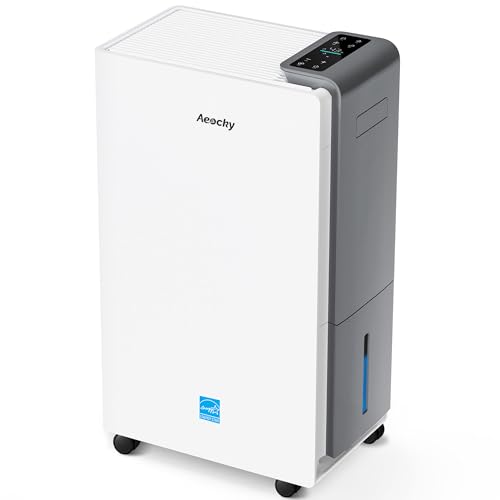
【ENERGY STAR 25 ≠ ENERGY STAR Most Efficient 2025】Don't fall for competitors' word games. With only 2.6% of ENERGY STAR models earning "Most Efficient 2025" title, these options are exceptionally rare on the market. RHEA-001 is one of the few to truly hold this top-tier certification. Many brands use misleading phrases like "Energy Star Efficient 25" or "Energy Star 25" to imply a standard they haven't met. Choosing them is a risk.With AEOCKY, you get verified performance and the peace of mind of authentic, top-tier efficiency.

【50 Pint Dehumidifier – Up to 3,500 Sq. Ft. Coverage】Designed for effective moisture control, the TEHANLD dehumidifier removes up to 50 pints of moisture per day in hot, humid conditions (95°F, 90% RH), while delivering a stable 43-pint capacity in typical damp basement environments (86°F, 80% RH). It helps reduce wall condensation, musty odors and pet odors, making it a reliable choice for basements, bathrooms, laundry rooms, bedrooms, RVs and garages throughout the year
How Temperature and Airflow Help
Temperature and airflow can change both water removal and drying speed. Refrigerant dehumidifiers generally remove less water in cooler rooms. ENERGY STAR advises choosing a low-temperature model when the space often falls below 65°F.
| Factor | Effect | What to Do |
|---|---|---|
| Temperature | Cold conditions can reduce output or trigger defrost cycles. | Use a model rated for the room’s temperature and follow its manual. |
| Airflow around the unit | Blocked intake or discharge lowers performance. | Keep the required clearance from walls and furniture. |
| Air movement across wet surfaces | Moving air supports evaporation and reduces damp pockets. | Use fans when electricity is safe and the area is not contaminated. |
| Doors and windows | Humid outdoor air can replace the moisture being removed. | Keep them closed while dehumidifying unless outdoor air is clearly drier and ventilation is part of a safe cleanup plan. |
Pro Tip: Place a fan so it moves air across the damp area and toward the room, not directly into the dehumidifier’s intake. This helps moisture evaporate without blocking the machine.
How to Speed Up Drying Time
Use the following order. A dehumidifier works best after you stop new water from entering and remove as much liquid water as possible.
- Stop the source. Repair the leak, stop seepage, or remove the moisture-producing activity.
- Remove standing water. Use safe extraction methods, a wet vacuum, pump, towels, or a restoration service before asking the dehumidifier to handle the remaining moisture.
- Remove soaked items. Move wet rugs, boxes, furniture, and other items so air can reach the floor and walls.
- Control the space. Close doors and windows when outdoor air is humid. Isolate the room from untreated areas where practical.
- Place the unit correctly. Keep it upright, level, and clear of walls or furniture according to the manual.
- Add air movement. Use fans to move damp air out of corners and across wet surfaces when the electrical supply and cleanup conditions are safe.
- Prevent shutdowns. Empty the bucket before it fills, or use a correctly installed continuous drain or condensate pump. If water keeps returning to the bucket, use our dehumidifier drain-hose troubleshooting guide.
- Maintain the unit. Clean the filter and check the intake, discharge, coil, bucket switch, and drain line.
- Track progress. Record room RH and, after water damage, material moisture readings at the same locations each day.
- Stop by readings, not time. Let the humidistat maintain the target, and confirm that wet materials are dry before ending the job.
Warning: Do not operate a dehumidifier in standing water or use a wet outlet, plug, or extension cord. After a flood, use electrical equipment only when the power supply is safe. Consider professional help for sewage or other contaminated water, major water damage, extensive hidden mold, or mold growth covering more than about 10 square feet. The EPA advises drying wet materials within 24 to 48 hours when possible to reduce mold risk.
Recommended Products

[Convenient] This drain hose automatically drains water from the dehumidifier to the drain for uninterrupted use.

POWERFUL 2,500 SQ. FT. COVERAGE - Stop letting sticky, heavy air dictate your comfort. The BANABIE dehumidifier utilizes a high-efficiency rotary compressor to deliver heavy-duty moisture removal, extracting 32 pints daily (at 95°F, 90%RH). Engineered with a smart integrated airflow system, this unit effectively covers up to 2,500 Sq. Ft., ensuring that your basement, crawl space, or large open floor plans stay bone-dry

4,500 SQ. FT. DEHUMIDIFIER – Removes up to 50 pints of moisture per day with an adjustable humidity setting from 35% to 85%. Perfect for use in basement, bathroom, bedroom, office, kitchen, cellar, or crawlspace. Maintain a healthy 45%-55% humidity range
How to Choose a Dehumidifier for a Basement
For a basement, use the ENERGY STAR capacity table above as the starting point, then adjust for the conditions that make basements harder to dry. A larger room, persistent seepage, high ceilings, cool temperatures, connected spaces, or wet building materials can all increase the moisture load.
| Decision Factor | Why It Matters | What to Check |
|---|---|---|
| Current pint-per-day capacity | An undersized unit may run continuously without reaching the humidity set point. | Compare current ratings under the same test standard and size for both floor area and dampness. |
| Low-temperature operation | Cool basement air can reduce moisture removal or trigger frost and defrost cycles. | Confirm the manufacturer’s operating-temperature range for the actual basement temperature. |
| Drainage | A full bucket stops many portable units and interrupts drying. | Use gravity drainage or a pump only as the model manual allows, and confirm the drain path is reliable. |
| Moisture source | A dehumidifier cannot permanently solve foundation seepage, plumbing leaks, or repeated water entry. | Correct the source before judging the unit’s performance. |
For ordinary basement humidity, a current ENERGY STAR portable model may be enough. Persistent seepage, a large open basement, whole-home humidity, or wet building materials may require a ducted or restoration-grade system and professional sizing. If you are comparing household models for routine dampness, see our best dehumidifiers for damp rooms.
Recommended Products

【45-80 Pints for 4500 Sq.Ft Moisture Control】:This dehumidifier for basement and home features flexible 45–80 pints dehumidification output with an ultra-wide 4500 square feet coverage range, offering premium whole-space moisture control. No matter damp basement, humid bathroom, quiet bedroom for restful sleep, large living room, or compact RV traveling space, this multi-functional dehumidifier for home effortlessly sucks up excess moisture,, maintaining ideal humidity levels for all indoor environments.

【Reduce humidity - Enhance comfort】:Massive Capacity + Wide Coverage. This dehumidifier has dehumidification capacity ranging 45- 80 pints—outperforming standard units while covering 4,500 sq. ft. of living space. Great dehumidifier for basements, large house, garages, bedroom, bathroom and gyms where excess humidity triggers cause unpleasant odors and discomfort. The result? A noticeably drier, fresher, and more comfortable environment for your entire family.
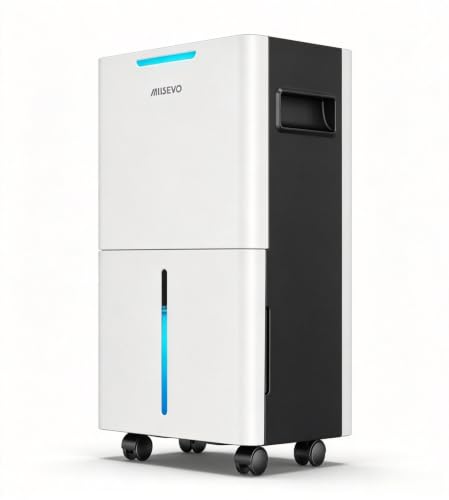
High Efficient Dehumidifier — Equipped with a high-performance compressor, Whether it’s your basement, bedroom, bathroom, living room, bathroom, crawlspace, or even an RV, this dehumidifier effectively keeps your environment dry, comfortable, and healthy.
How to Tell When the Room Is Dry?
A room is dry enough for normal use when the moisture source is fixed, the air stays in the target range, and wet materials have returned to acceptable moisture levels. Check more than how the air feels.
A hygrometer tells you about moisture in the air. A moisture meter helps show whether walls, wood, carpet, brick, or concrete are still wet.
- Check room RH. Aim for 30% to 50% RH in most homes and keep it below 60%.
- Watch stability. The RH should remain near the set point instead of rebounding as soon as the compressor stops.
- Inspect the source. Confirm that the leak, seepage, condensation, or outdoor-air problem has been corrected.
- Look and smell. Condensation, damp patches, peeling paint, swelling, and musty odors should not be developing.
- Measure materials. Use a suitable moisture meter and compare the damp area with a known-dry area of the same material.
- Check hidden layers. Carpet padding, subflooring, wall cavities, insulation, and the back of drywall can stay wet after the surface feels dry.
- Get help when readings stay high. A restoration professional can set a dry standard and document progress after significant water damage.
The amount collected in the bucket should usually fall as the room dries, but that trend alone is not proof. Weather changes and new moisture can raise collection again. For a deeper performance check, see how much water a dehumidifier should collect per day.
Frequently Asked Questions
Will a dehumidifier dry out damp walls?
It can help by lowering room humidity so moisture evaporates from the wall, but it will not fix a leak or guarantee that the inside of the wall is dry. Remove the water source, add safe airflow, and use a moisture meter. Saturated drywall, insulation, or moldy material may need professional removal.
How do you know a dehumidifier is working?
The fan and compressor should run as the room sits above the set point, water should collect or drain, and a separate hygrometer should show a downward RH trend. Warm discharge air is normal. If RH does not fall, check the filter, bucket switch, drain, coil frost, room openings, and unit capacity.
Do air purifiers dry indoor air?
No. Air purifiers are designed to filter particles or certain gases, not remove water vapor. Use a dehumidifier, air conditioner, exhaust fan, or drier outdoor air to reduce humidity. An air purifier may capture some airborne mold particles, but it does not fix the moisture source.
Should a dehumidifier run all day?
It may run nearly continuously when first placed in a very humid room. After the room reaches the set point, a model with a humidistat should cycle on and off. Continuous operation that never lowers RH can point to an undersized unit, low temperature, poor airflow, new moisture, or a drainage problem.
What humidity setting dries a room fastest?
A setting near 40% to 50% RH is a practical target for most routine household drying. Lower settings can make the unit run longer without proving that hidden materials are dry. For water damage, follow moisture readings or a professional drying plan rather than forcing the humidistat to its minimum.
Can a dehumidifier dry wet carpet?
It can help after liquid water has been extracted and fans are moving air across the carpet. The padding and subfloor must also dry. Carpet soaked by sewage or contaminated floodwater should be handled by a qualified restoration professional and may need disposal.
Why is my dehumidifier taking so long?
Common causes include an active leak, humid outdoor air entering the room, a full bucket, a clogged filter, blocked airflow, a frozen coil, cool operating conditions, wet building materials, or a unit that is too small for the load. Check these issues before assuming the machine has failed.
Should windows be open or closed when using a dehumidifier?
Keep windows and exterior doors closed while dehumidifying in humid weather. ENERGY STAR recommends closing the space so the unit is not continually processing new humid air. If outdoor air is clearly drier and ventilation is part of a safe cleanup plan, compare indoor and outdoor conditions rather than leaving windows open by default.
How long should I run a dehumidifier after a leak?
There is no fixed number of hours. After the leak is stopped and standing water is removed, run the dehumidifier and safe air movement until room RH is stable and affected materials have returned to an acceptable dry level. The EPA recommends drying wet materials within 24 to 48 hours when possible to reduce mold risk, but that is a response goal, not a guarantee that every wall, floor, or carpet layer will be dry within 48 hours.
Conclusion
So, how long does a dehumidifier take to dry a room? The air may improve within a few hours, and an ordinary humid room may reach its target within about a day. A wet basement, damp wall, soaked carpet, or hidden water can take several days or longer. Fix the source, size the unit correctly, keep air moving, and confirm dryness with a hygrometer and material moisture readings instead of relying on time alone.
Sources
- De’Longhi: How Long Does a Dehumidifier Take to Dehumidify a Room? – manufacturer guidance explaining why there is no fixed dehumidification time.
- ENERGY STAR: Dehumidifiers – current sizing ranges, placement, operating temperature, drainage, and humidity guidance.
- ENERGY STAR: Dehumidifier Testing and Capacity – DOE test changes and old-to-new pint-rating comparisons.
- U.S. EPA: A Brief Guide to Mold, Moisture and Your Home – moisture-source control, 24- to 48-hour drying guidance, mold cleanup, and indoor RH targets.
- U.S. EPA: Mold Remediation Guide, Chapter 3 – moisture meters, hidden dampness, and monitoring the drying of building materials.
- CDC: Mold – flood cleanup, moisture control, and prompt drying guidance.

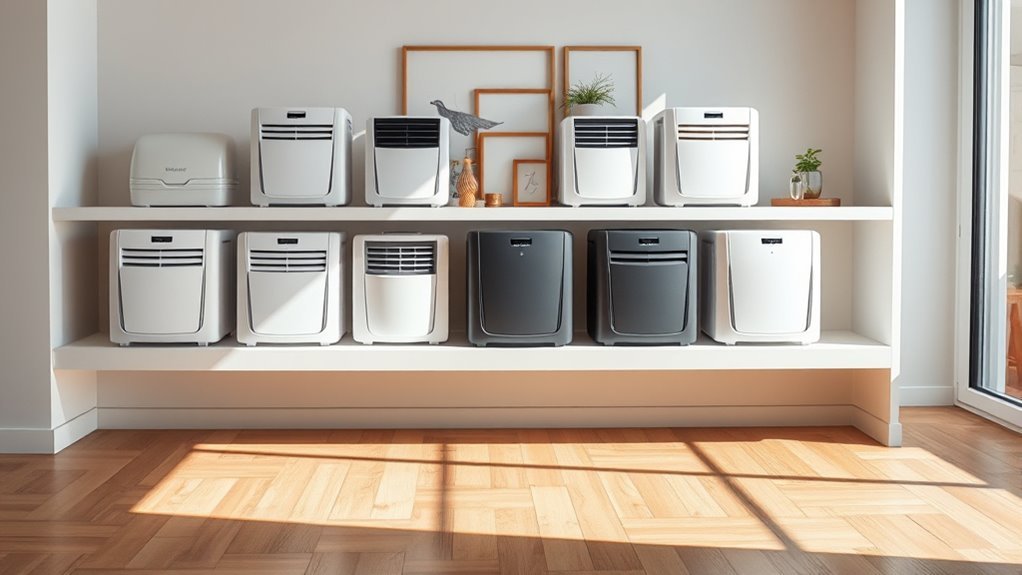
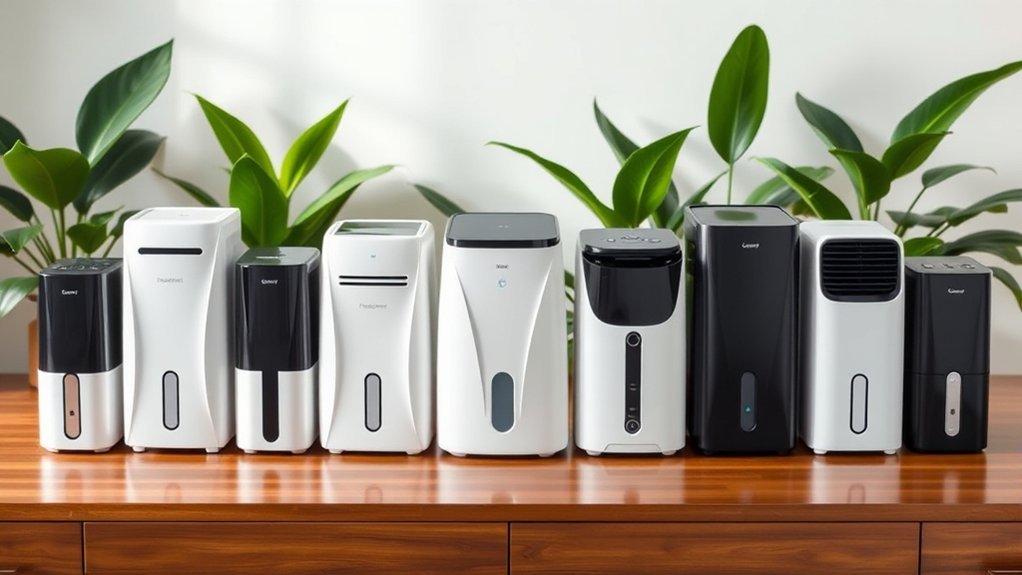
[…] exterior doors and windows closed while the unit runs. Open interior doors only when you want to dry connected rooms and the unit is sized for the larger […]
[…] How long does a dehumidifier take to dry a room? […]