Disclosure: As an Amazon Associate, we earn from qualifying purchases. If you click a link on this page and make a purchase, we may receive a small commission at no extra cost to you.
Indoor air quality directly impacts daily breathing comfort, yet standalone air purifiers can be bulky and expensive. If you want a low-profile way to trap dust, pollen, and pet dander, installing activated carbon pads directly on your ceiling fan blades offers a clever alternative. The 10 Pack Ceiling Fan Filters use activated coconut charcoal to clean circulating air without taking up extra floor space. This review breaks down their filtration efficiency, airflow impact, installation steps, and long-term value so you can decide if they belong in your home.
Quick Verdict
Rating: 8.5/10 (Recommended for supplemental air cleaning)
Best For: Homeowners wanting an invisible, budget-friendly way to trap dust and pet dander using existing fan circulation.
Bottom Line: These lightweight charcoal pads capture floating debris effectively without straining fan motors, though they complement rather than replace heavy-duty HEPA units.
| Specification | Detail |
|---|---|
| Product Type | Ceiling Fan Blade Air Purifier Pad |
| Quantity | 10 Filters per Pack |
| Filter Material | Activated Coconut Shell Charcoal |
| Porosity Surface Area | Over 1,200 m² per gram |
| Dimensions | 9.8 in x 3.5 in (25 cm x 8.9 cm) |
| Thickness | 5 mm (0.2 in) |
| Filter Lifespan | 2 to 3 months per pad |
| Attachment Method | Peel-and-stick self-adhesive backing |
| Compatibility | Standard ceiling fan blades |
| Target Pollutants | Dust, pollen, pet dander, light odors |
What Are 10 Pack Ceiling Fan Filters?
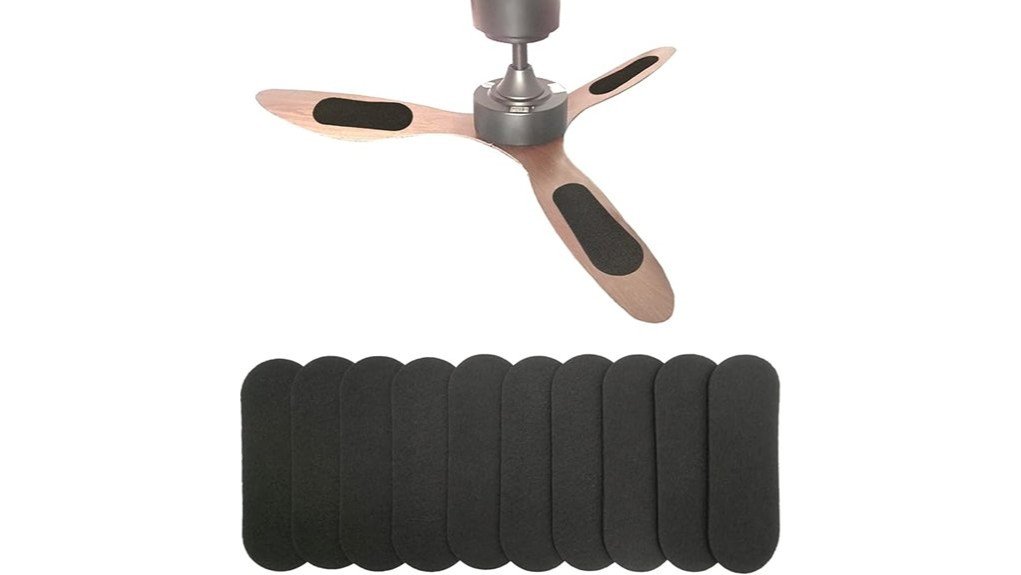
The 10 Pack Ceiling Fan Filters are self-adhesive purification pads designed to turn standard household ceiling fans into passive air cleaners. Each pad measures 9.8 inches long by 3.5 inches wide and is only 5 mm thick. They attach directly to the top side of your ceiling fan blades, keeping them out of sight while your fan runs normally.
Made with activated coconut shell charcoal, these filters feature a high porosity rate exceeding 1,200 square meters per gram. As the fan blades spin, ambient room air passes over the porous charcoal matrix. This process traps floating particles like dust motes, seasonal pollen, and pet dander without adding bulk or unbalanced weight to the fan mechanism.
Who Should Buy It?
Best For
- Homes with shedding pets where dander floats frequently.
- Rooms with regular ceiling fan usage in bedrooms or living areas.
- Budget-conscious buyers looking for continuous, low-cost air filtering.
Skip If
- You require medical-grade HEPA filtration for severe respiratory issues.
- You plan to use them in high-humidity spaces like unvented bathrooms.
- You rarely run your ceiling fans.
Key Features and Performance Breakdown
Activated Coconut Charcoal Filtration
The primary driver behind these filters is activated coconut shell carbon. Coconut charcoal provides superior surface area compared to standard coal-based carbon, offering over 1,200 square meters of absorptive area per gram. This micro-porous structure physically traps airborne particulates such as dust motes, plant pollen, and fine pet dander as air current passes over the spinning blades.
Discreet Profile and Fan Balance
A major concern with fan accessories is weight distribution and noise. Weighing only a fraction of an ounce and measuring 5 mm thick, these pads maintain the aerodynamics of standard ceiling fans. When placed properly on the top side of the blades near the center rotor, they remain invisible from below and do not cause wobble, drag, or motor strain.
Long Service Life and Easy Replacement
Each pad delivers roughly 2 to 3 months of continuous air filtering under standard household conditions. With 10 filters included per pack, a single purchase provides up to two years of filtering for a single fan, or several months of coverage across multiple room fans in your home.
Pro Tip: Install one filter pad on each fan blade, placing them equidistant from the central motor housing. This keeps blade balance perfectly symmetrical and maximizes air contact across the entire fan span.
Before You Buy: Ensure your fan blade width is at least 3.5 inches to accommodate the filter pads comfortably. Wipe down the blade surface thoroughly with rubbing alcohol prior to installation so the adhesive backing secures properly.
How It Performs in Real Use
For Daily Dust Reduction
In everyday living rooms and bedrooms, these filters actively capture floating dust before it settles on furniture. Users report noticeably less dust accumulation on nightstands and shelves when the fan runs continuously on low or medium speed settings.
For Pet Owners
Homes with cats or dogs benefit from the continuous trapping of airborne dander and loose fur fibers. While the pads will not eliminate heavy floor fur, they reduce the fine particulate layer that recirculates whenever pets move around carpeted rooms.
For Seasonal Allergies
During spring and autumn pollen surges, running your ceiling fan with these charcoal pads helps clear indoor pollen brought in through doors or windows. The charcoal layer continuously pulls micro-allergens out of circulation while you sleep or work.
Installation & Placement Tips
Proper placement guarantees maximum contact with circulating air and keeps your fan running smoothly. Follow these practical steps during setup:
- Clean the Fan Blades: Dust and grease prevent self-adhesive backing from sticking. Clean the top surface of each fan blade using a damp cloth or isopropyl alcohol, then let it dry completely.
- Peel and Align: Remove the paper backing from the filter pad. Align the pad parallel to the length of the blade, approximately 2 to 3 inches away from the central motor housing.
- Press Firmly: Apply direct pressure across the entire length of the filter for 10 to 15 seconds to establish a strong bond.
- Inspect Periodically: Check the pads monthly. When the surface turns noticeably dark or gray with accumulated debris, peel the old filter off and replace it.
Material Safety & Care Notes
Activated coconut charcoal is non-toxic, chemical-free, and safe for households with children and pets. However, keep the following environmental factors in mind:
- Avoid High Humidity: Do not use these filters on outdoor patio fans or in damp bathrooms. Excess moisture saturates the carbon pores and compromises adhesive strength.
- Do Not Wash or Reuse: These filter pads are disposable. Rinsing them in water destroys the porous carbon structure and washes away the adhesive layer. Always replace saturated filters with fresh pads.
Pros and Cons
Pros
- High-porosity coconut charcoal effectively traps dust, pollen, and dander.
- Ultra-lightweight 5 mm design keeps fans balanced and silent.
- Easy peel-and-stick setup requires no tools or hardware.
- 10-pack provides long-lasting, budget-friendly air filtering.
- Invisible from below, preserving room and fan aesthetics.
Cons
- Requires active fan operation to filter room air.
- Not washable or reusable; must be replaced every 2-3 months.
- Reduced efficiency in high-humidity environments.
Is It Worth the Price?
Compared to motorized HEPA air purifiers that cost upwards of $100 and consume constant electricity, this 10-pack of ceiling fan filters offers an extremely affordable entry point for air cleaning. You leverage your ceiling fan’s existing electric motor and air circulation, eliminating extra utility bills or floor clutter.
While they do not feature TRUE HEPA certification for sub-micron smoke particles, their performance on daily dust, pet hair, and pollen makes them a high-value purchase. For living rooms, bedrooms, and home offices with active ceiling fans, the cost per month is minimal compared to the noticeable reduction in airborne dust.
How It Compares to Alternatives
When evaluating home air purification options, consider these key differences:
- vs. Standalone HEPA Purifiers: HEPA air purifiers offer stronger multi-stage filtration capable of capturing microscopic viruses and smoke, but they require dedicated floor space, replacement filters costing $30-$50 each, and continuous electrical power.
- vs. HVAC Furnace Filters: Central HVAC filters process air across the whole house, but they only run when heating or cooling cycles activate. Ceiling fan filters work locally whenever your room fan is spinning.
- vs. Standard Fan Dust Covers: Fabric blade sleeves catch thick dust on blades but restrict airflow. Activated charcoal pads trap finer particles on top of the blade without choking air delivery.
Frequently Asked Questions
Can these filters be installed on any ceiling fan model?
Yes. These filters fit most standard ceiling fan blades measuring at least 3.5 inches in width. If your fan blades are narrower, you can easily trim the charcoal pads using household scissors before peeling off the backing.
Will adding filter pads slow down or unbalance my fan?
No. Each pad is ultra-lightweight and only 5 mm thick, ensuring no drag or strain on fan motors. As long as you install one pad per blade at equal distances from the center motor, your fan will maintain perfect balance.
How often should I replace each filter pad?
Under average household conditions, each filter pad lasts between 2 and 3 months. In homes with multiple shedding pets or higher dust levels, you may want to replace them closer to the 2-month mark.
Can I wash and reuse the activated charcoal pads?
No. Washing the filters ruins the activated carbon porous structure and strips away the adhesive backing. Always replace dirty filters with fresh pads from your 10-pack.
Are these filters visible when looking up at the ceiling fan?
No. Because the filters adhere to the flat top surface of the blades, they remain hidden from ground view. Your fan retains its original appearance and aesthetic appeal.
Do these filters replace a standalone room air purifier?
They serve as an excellent low-cost supplement for capturing dust, pollen, and dander. However, if you require specialized smoke filtration or HEPA medical filtering, pairing them with a standalone unit is recommended.
The Bottom Line
The 10 Pack Ceiling Fan Filters offer an ingenious, space-saving way to turn existing ceiling fans into continuous air purifiers. Their activated coconut charcoal design captures dust, pollen, and pet dander effectively without compromising fan balance or noise levels. While they do not replace dedicated HEPA units for severe respiratory needs, they deliver exceptional low-cost air cleaning for any everyday living area.