Disclosure: As an Amazon Associate, we earn from qualifying purchases. If you click a link on this page and make a purchase, we may receive a small commission at no extra cost to you.
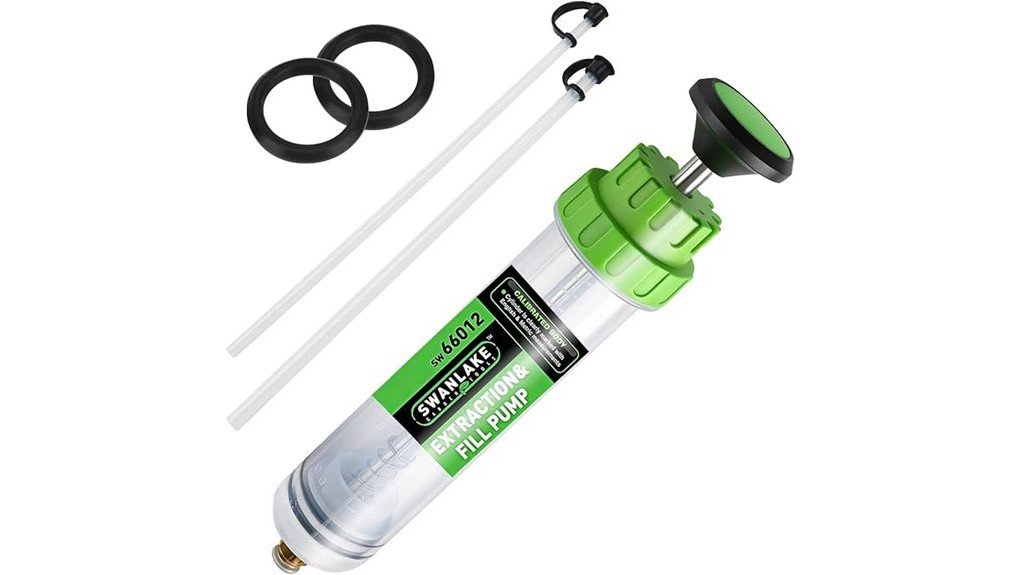
Changing automotive fluids in tight engine bays often leads to messy spills and awkward angles. The SWANLAKE 200cc Fluid Extractor is a manual syringe-style pump built to simplify fluid extraction and filling for brake reservoirs, gearboxes, and power steering systems. This review breaks down its build quality, fluid compatibility, real-world performance, and practical limitations to help you decide if it belongs in your garage.
Quick Verdict
Rating: 8.5/10 (Recommended)
Best For: DIY mechanics needing precise fluid extraction for brake reservoirs, power steering pumps, and lawn equipment.
Bottom Line: A compact, budget-friendly manual extractor that delivers clean, leak-proof fluid transfers. While its 200cc capacity requires multiple strokes for full oil drains, its dual-seal plunger and translucent cylinder make small fluid service quick and accurate.
| Specification | Detail |
|---|---|
| Brand | SWANLAKE GARDEN TOOLS |
| Capacity | 200cc (approx. 0.21 Quarts / 6.76 oz) |
| Operation Mode | Manual Syringe Suction & Dispense |
| Dimensions | 12 x 3 x 3 inches |
| Weight | 5.6 ounces |
| Extension Tube Length | 7-inch clear flexible hose with quick connector |
| Seal Type | Double-Seal Plunger (NBR Rubber) |
| Material | Chemical-Resistant Polypropylene Plastic |
| Max Fluid Temp | 140°F (60°C) |
| Fluid Compatibility | Brake Fluid, Gear Oil, Power Steering Fluid, Antifreeze, Engine Oil |
What Is the SWANLAKE 200cc Fluid Extractor?
The SWANLAKE 200cc Fluid Extractor is a compact hand pump operating like a large syringe. It creates manual suction when pulling the rear plunger handle and pushes fluid out when compressing it. Designed specifically for vehicle maintenance, it handles fluid removal and refilling without needing power cords, air lines, or gravity-drain setups.
Constructed from lightweight, heavy-duty polypropylene plastic, the extractor features a translucent body marked with measurement lines. This transparent cylinder allows you to inspect fluid color and measure exact extraction volumes during service. A 7-inch flexible extension tube connects to the nozzle using a quick-connect locking mechanism, extending reach into narrow master cylinders and gear housings.
Who Should Buy It?
Best For
- DIY mechanics servicing brake fluid reservoirs and power steering pumps.
- Lawn equipment owners replacing oil or fuel in small engines.
- Home hobbyists filling manual transmissions, differentials, or transfer cases.
Skip If
- You need to perform complete 5-quart engine oil pan extractions in a single pass.
- You require continuous pneumatic or motorized fluid pumping.
- You regularly work with fluids exceeding 140°F.
User-Friendly Design Features
Extracting thick gear lube or old brake fluid requires consistent grip pressure. The SWANLAKE extractor features an ergonomic pull-handle that reduces palm strain during repeated suction cycles. The outer casing measures 12 inches long with a 3-inch diameter, giving you enough leverage to control draw speed without tipping over small catch containers.
Measurement accuracy is simple thanks to the clear cylinder markings. If you are flushing 50cc of dirty brake fluid or topping off a power steering reservoir to a precise fill line, the translucent walls show exact levels instantly. Smooth interior plastics prevent heavy oils from clinging, making routine post-service cleaning fast.
Pro Tip: After extracting corrosive fluids like DOT brake fluid, rinse the interior with mild soapy water and pull clean air through the pump several times to preserve internal rubber seals.
Durability Against Automotive Chemicals
Corrosive fluids like brake fluid (DOT 3 and DOT 4) and aggressive gear oils degrade standard plastics and cheap rubber seals quickly. The SWANLAKE 200cc extractor uses heavy-duty polypropylene housing combined with a double-seal NBR rubber plunger. This dual-ring design prevents fluid bypass around the piston, holding suction firmly under load.
Weighing only 5.6 ounces, the tool handles harsh fluids including engine coolant, transmission fluid, and differential lubricants without cracking or clouding. The quick-connect fittings seal tightly against the 7-inch extension hose, preventing air leakage during suction and messy drips during fluid transfer.
Before You Buy: The 200cc capacity holds roughly 6.7 fluid ounces. While ideal for small reservoirs, draining a full engine oil pan requires empty cycles around 20 to 25 times. For complete oil drains, consider a 6-liter or 10-liter vacuum canister instead.
How It Performs in Real Use
1. Servicing Brake Fluid Reservoirs
Old brake fluid absorbs moisture and accumulates sediment over time. The 7-inch extension tube slides directly down into narrow master cylinder baffles. Sucking out old, darkened fluid takes seconds per stroke, allowing you to refill fresh fluid before bleeding the brake lines without disturbing hydraulic pressure.
2. Top-Offs for Differentials and Transfer Cases
Gear oil fill plugs on rear axles and transfer cases are often placed in tight spots against vehicle frames where pour bottles cannot fit. The SWANLAKE extractor acts as an inverted dispenser. You can draw clean gear oil directly from the jug and push it up into the fill hole until it reaches the fill line cleanly.
3. Small Engine Maintenance
Lawnmowers, pressure washers, and generators frequently lack accessible oil drain plugs. Tilting the entire machine risks spilling gas or fouling spark plugs. Inserting the flexible tube through the oil dipstick tube allows you to pull oil cleanly out of the crankcase in just a few quick passes.
4. Power Steering Flushes
Flushing power steering systems requires drawing old fluid out of the remote reservoir, filling with fresh fluid, turning the wheel, and repeating. The dual-seal plunger maintains tight suction even with thin power steering fluids, keeping fluid from seeping past the handle onto your hands.
Best Practices for Using the SWANLAKE Extractor
- Check Hose Connections: Ensure the 7-inch hose is fully pushed into the quick-connect coupler until it locks to prevent air leaks during extraction.
- Monitor Temperature Limits: Allow hot engine oils or coolant to cool below 140°F before drawing them into the pump to prevent heat warping the plastic body.
- Maintain Clean Seals: Apply a light coat of clean silicone grease to the plunger shaft periodically to maintain smooth gliding action and prevent rubber dry-rot.
Pros and Cons
Pros
- Double-seal plunger prevents internal bypass and fluid leakage.
- Translucent body provides immediate fluid measurement and clarity checks.
- 7-inch quick-connect extension tube reaches deep, cramped reservoirs.
- Highly resistant to brake fluid, gear oil, and power steering fluid.
Cons
- 200cc volume is too small for primary engine oil changes on cars.
- Thick cold gear oils require strong manual pulling force.
- Maximum fluid temperature is limited to 140°F.
Is It Worth the Price?
The SWANLAKE 200cc Fluid Extractor sits in the budget pricing tier for automotive tools, offering strong value for home mechanics. Considering the cost of mess clean-up or damaged vehicle components from messy fluid spills, a dedicated syringe pump pays for itself during its first brake or differential service.
While professional shops will prefer pneumatic multi-liter extractors for high-volume jobs, this hand tool delivers the ideal balance of portability, chemical resistance, and precise control for routine home vehicle maintenance.
How It Compares to Alternatives
If you need to drain complete engine crankcases through dipstick tubes, large 6-liter manual vacuum extractors (like those from EWK or OEMTOOLS) are more practical than this syringe model. However, for tight fill plug operations, such as filling a transmission or transfer case, large vacuum canisters cannot reverse pressure to push fluid uphill easily.
Compared to cheap bulb-style turkey basters, the SWANLAKE pump offers superior double-seal suction, chemical resistance against brake fluid, and a locking hose that will not slip off into engine cavities during use.
Frequently Asked Questions
Is the SWANLAKE Fluid Extractor easy to clean after use?
Yes. Disassemble the front quick-connect nozzle and wash the body using warm water and mild liquid dish soap for water-based fluids, or solvent cleaners for oils. Allow all parts to dry completely before storage to protect internal plunger seals.
Can it be used for all types of automotive fluids?
It effectively handles DOT 3/4 brake fluid, gear oil, power steering fluid, engine coolant, and motor oil. Avoid using it with highly corrosive acids or flammable solvents like gasoline or brake cleaner aerosol fluids.
Does the extractor come with additional accessories?
The package includes the main 200cc extractor body and one 7-inch flexible extension tube equipped with a quick-connect fitting. No extra adapters or secondary hoses are included in the base package.
What is the maximum fluid temperature it can handle?
The plastic housing and rubber seals are rated for fluid temperatures up to 140°F (60°C). Always allow hot automotive fluids to cool down after engine operation before extracting them.
Does the pump leak past the rear handle during extraction?
No. The double-seal NBR rubber plunger forms an airtight barrier inside the cylinder. As long as the seals are kept clean and free of abrasive grit, fluid remains securely inside the chamber during operation.
Can you push fluid out as well as pull fluid in?
Yes. The syringe design works symmetrically in both directions. Pulling the handle draws fluid into the cylinder; pushing the handle dispenses fluid smoothly through the extension hose.
Is there a user manual included with the product?
A detailed user manual is not included. However, operation is straightforward: attach the extension hose, insert it into your target fluid, and pull or push the rear handle to extract or transfer fluid.
The Bottom Line
The SWANLAKE 200cc Fluid Extractor is an effective hand tool for targeting smaller automotive fluid maintenance tasks. Its chemical-resistant construction, double-seal plunger, and clear cylinder make servicing brake reservoirs and filling tight gearboxes mess-free. While not meant for draining entire oil pans in one pass, it is an essential addition to any home DIY mechanic’s toolbox.
Ready to Buy?
Check the latest price and current product details on Amazon before starting your next garage project.