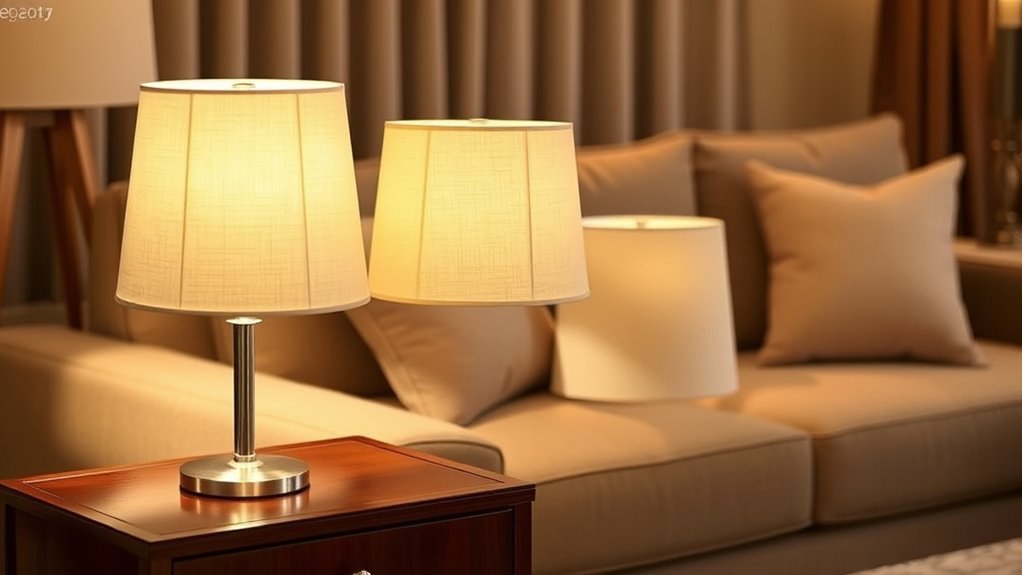
Choosing the right lamp shade size for a living room end table comes down to three things: proportion, seated eye level, and safe light output. A shade should look balanced with the lamp base, fit comfortably on the table, hide the bulb from view, and spread enough light for reading, relaxing, or conversation.
Quick Answer
For a living room end table, choose a lamp shade that is roughly one-third of the lamp’s total height and about twice as wide as the lamp base. The bottom edge of the shade should sit near seated eye level so the bulb is hidden and glare is reduced.
Key Takeaways
- Start with a shade height around one-third of the full lamp height, then adjust for the lamp’s shape.
- Choose a shade width about twice the width of the lamp base, but keep it within the table’s edges.
- When seated, the shade should hide the bulb and socket from your normal line of sight.
- Check the fitter type, bulb wattage, and shade clearance before buying a replacement shade.
At a Glance
| Time Required | 10–15 minutes to measure and compare shade options |
| Difficulty | Easy |
| Tools Needed | Measuring tape, current shade or lamp base, note app or paper, and bulb wattage label |
| Cost | Free to measure; replacement shades commonly vary by size, material, and construction |
Why Lamp Shade Size Matters for Living Room End Tables
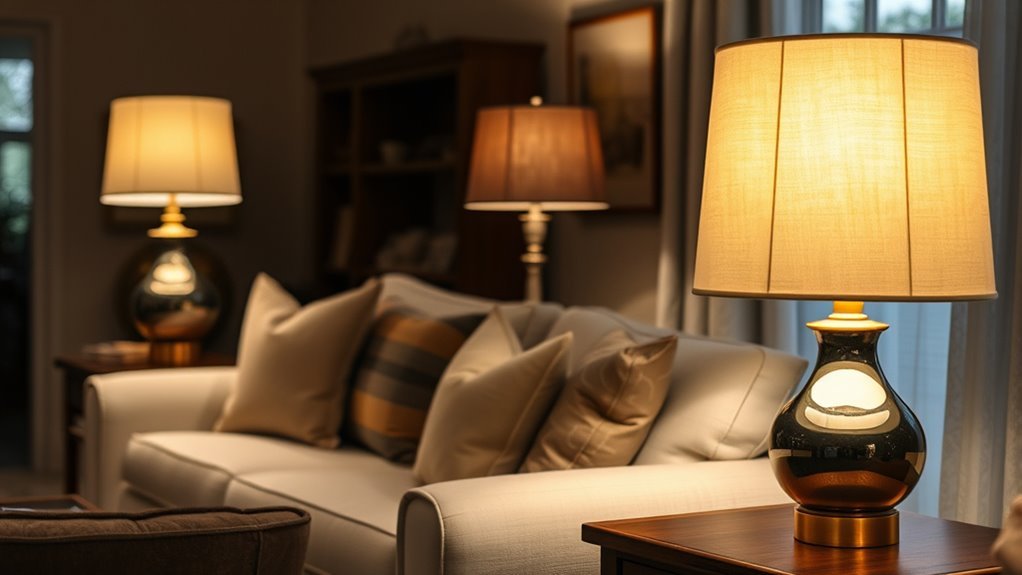
A lamp shade is not just a decorative cap. It controls glare, softens the bulb, affects how light spreads through the room, and changes how balanced the lamp looks on the table. A shade that is too small can make the lamp look top-heavy or unfinished. A shade that is too wide can crowd the tabletop, bump into walls or curtains, and overwhelm the furniture around it.
The best lamp shade size feels intentional from both a seated and standing view. When you are sitting on the sofa or chair, the shade should block the direct view of the bulb. When you are standing, the lamp should feel in scale with the table, sofa arm, artwork, and other nearby lighting.
Simple Lamp Shade Sizing Formula
Use these proportions as a starting point, then adjust for your lamp’s shape and your room’s style. Lighting retailers such as Lamps Plus commonly recommend choosing a shade height around one-third of the lamp’s overall height and a shade width around twice the width of the lamp base.
Note: These are design guidelines, not strict rules. A chunky ceramic base, narrow candlestick base, drum shade, or empire shade may need small adjustments to look right.
| Measurement | Good Starting Point | Why It Helps |
|---|---|---|
| Shade height | About one-third of the lamp’s total height | Keeps the shade from looking too squat or too tall |
| Shade width | About twice the width of the lamp base | Creates visual balance between the base and shade |
| Bottom of shade | Near seated eye level | Helps hide the bulb and reduce glare |
| Table fit | Shade stays within the table edges | Prevents overhang, bumps, and a crowded look |
How to Measure Your End Table for the Perfect Fit
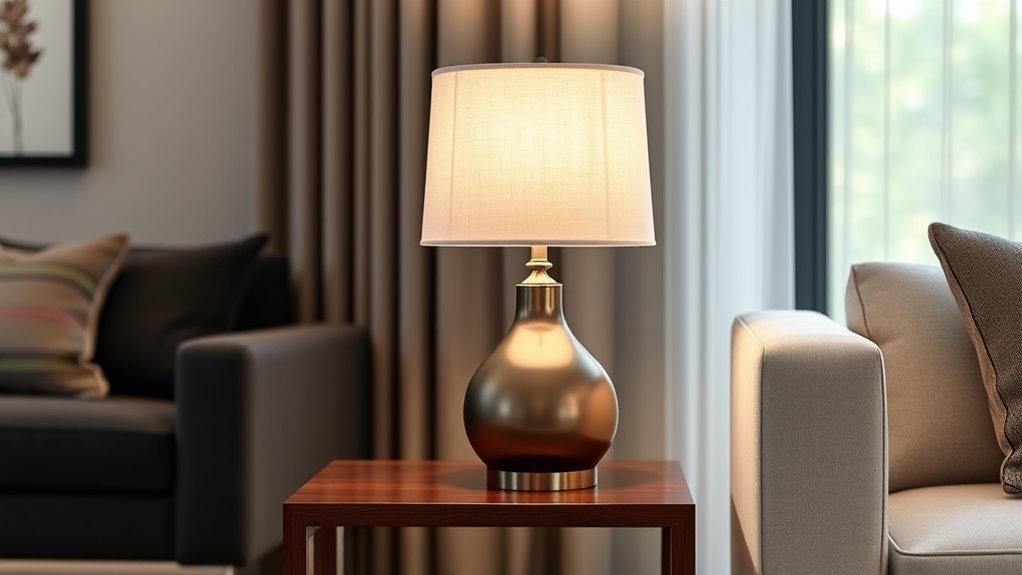
Start with the furniture, not the shade. Most living room end tables are chosen to sit near the height of the sofa or chair arm, so the lamp must work with both the table and the seating.
Measure Table Height Accurately
Measure from the floor to the top of the end table. Then place a measuring tape where the lamp will sit and check your seated eye level from the floor. The goal is simple: when you sit normally, the lower edge of the shade should block the bulb from your line of sight.
Assess Table Width Properly
Measure the tabletop from side to side and front to back. The lamp base should leave space for practical items such as a book, coaster, remote, or small decorative object. The shade should not hang past the table edge where people walk by or sit down.
Consider Surface Space Balance
A lamp can be beautiful and still be wrong for the table if it takes over the surface. For small end tables, choose a slimmer base and a shade that gives enough light without spreading beyond the table. For wide end tables, a larger drum or empire shade can look more grounded.
Pro Tip: If you are replacing only the shade and liked the old size, measure the old shade’s top diameter, bottom diameter, slant, and vertical height before shopping.
Standard Height Guidelines for Table Lamps
For many living room end tables, a finished table lamp between about 24 and 34 inches tall works well, but the best height depends on the table, sofa, chair, and shade. A taller end table may need a slightly shorter lamp, while a low table may need a taller lamp to bring the shade closer to seated eye level.
Use this check before buying: sit on the sofa or chair beside the end table. Imagine the shade in place. If you would see the bulb directly, the lamp is too tall, the shade is too short, or the harp is lifting the shade too high. If the shade blocks too much light for reading, the lamp may be too short or the shade may be too opaque.
Common Mistakes in Sizing Lamp Shades
Most lamp shade mistakes come from buying by style alone. A shade may look beautiful on a shelf but feel wrong once it is paired with your lamp base, bulb, table, and seating height.
Ignoring Proportion Guidelines
If the shade is much narrower than the base, the lamp can look unstable. If it is much wider than the base, the lamp can look top-heavy. Start with the one-third height and two-times-base-width guidelines, then trust your eye once the shade is on the lamp.
Overlooking Shade Dimensions
Lamp shades are usually described by several measurements, not just one width. Check the top diameter, bottom diameter, vertical height, and slant height. The slant is especially important for empire, bell, and tapered shades because the diagonal side can make the shade feel larger than the vertical height suggests.
Forgetting the Harp and Fitter
The right shade still will not sit correctly if the fitting is wrong. The harp, finial, socket, and fitter determine how high the shade sits and whether it hides the bulb. If the shade looks close but not quite right, a different harp height may fix the proportion.
Know Your Lamp Shade Fitter Before You Buy
The fitter is the hardware that connects the shade to the lamp. Before buying a new shade, check whether your lamp uses a spider, uno, or clip-on fitter. Lamps Plus explains that these are the three basic lamp shade fitting types.
| Fitter Type | Best For | What to Check |
|---|---|---|
| Spider | Most table and floor lamps with a harp | Harp height, finial fit, and whether the socket is hidden |
| Uno | Smaller lamps, bedside lamps, and some swing-arm lamps | Socket size and whether the shade is designed for replacement |
| Clip-on | Small accent lamps, sconces, and chandeliers | Bulb shape, bulb wattage, and shade clearance |
Warning: Never exceed the lamp or fixture’s maximum wattage label. If the shade sits close to the bulb, especially with a clip-on fitter, use the recommended bulb type and consider a low-wattage LED for brightness with less heat.
How to Choose the Best Shade Shape for Your Lamp Base
Shape affects both style and light spread. A shade that echoes the lamp base usually looks the most natural, but you can mix shapes when the proportions still feel balanced.
| Lamp Base Shape | Ideal Shade Shape | Notes |
|---|---|---|
| Round or curved | Round, drum, empire, or hexagonal | Repeats the curve and keeps the lamp soft-looking |
| Square or angular | Square, rectangular, or modified square | Highlights clean lines and modern shapes |
| Tall and narrow | Empire, tapered, or narrow drum | Adds width without overpowering the base |
| Wide or heavy | Drum, cone, or wider empire | Balances visual weight and spreads light outward |
| Narrow spaces | Oval or rectangular | Saves depth while still providing useful light |
How Shade Material Affects Lighting Ambiance
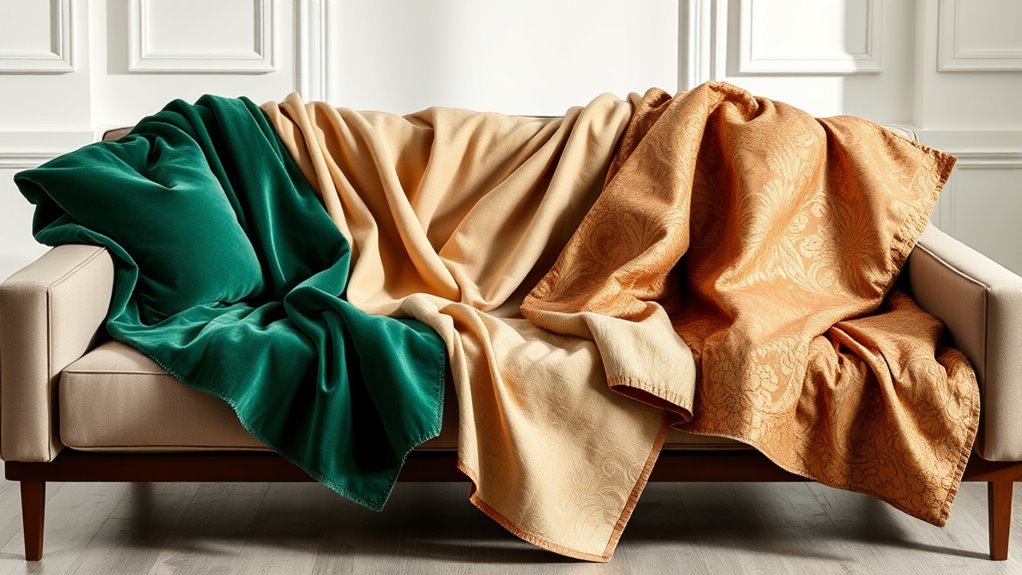
The shade material changes the mood as much as the size does. A white linen or cotton shade lets more light pass through and creates a soft, open glow. A darker fabric shade reduces side glow and creates a moodier, more dramatic effect. A metal or fully opaque shade directs light mostly up and down, which can work well for task lighting or accent lighting.
For living room end tables, translucent fabric shades are usually the easiest choice because they balance ambient light with comfort. If you want a reading lamp, choose a shade and bulb combination that directs enough light downward without leaving the bulb exposed.
Color Considerations for Your Lamp Shade: Enhancing Visual Impact
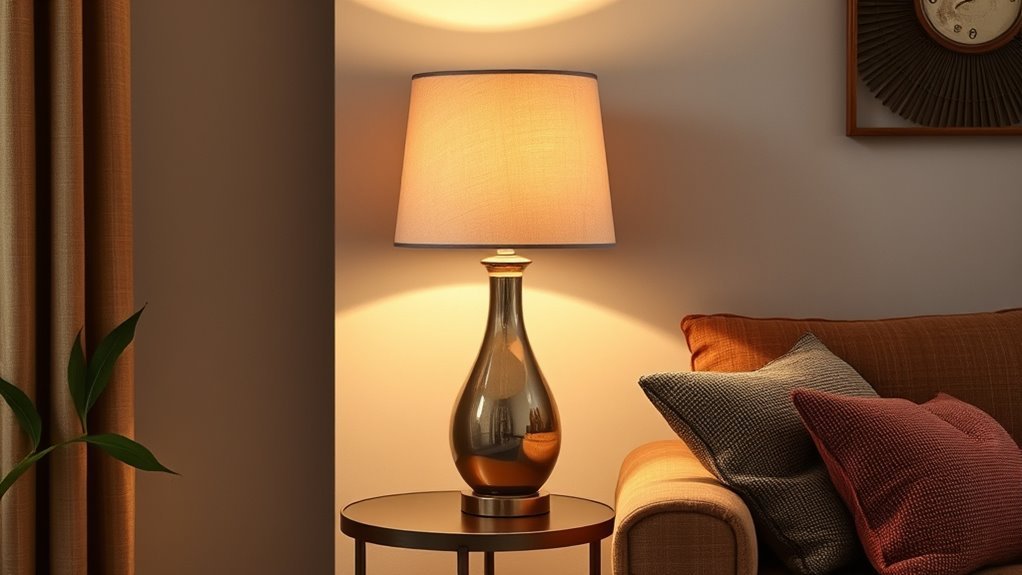
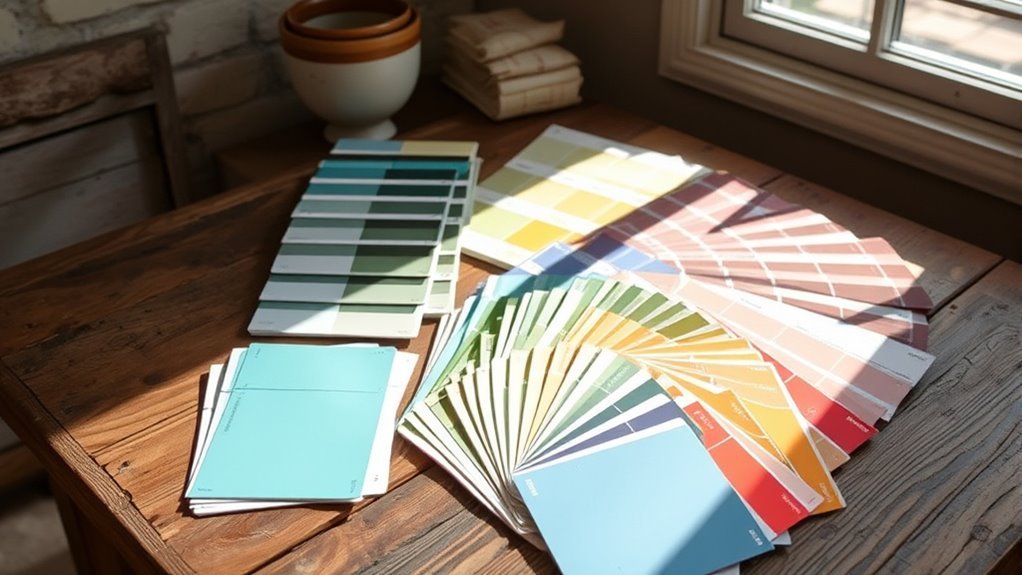
Shade color affects both the lamp’s style and the light it gives off. Light shades feel airy and help spread brightness through the room. Dark shades create contrast and drama but usually send less light through the sides. Neutral shades are flexible, while bold shades can turn the lamp into a focal point.
Look at the room’s existing palette before choosing. A cream, white, oatmeal, or natural linen shade blends easily with most living room styles. A black, navy, rust, green, or patterned shade works best when it repeats a color already used in pillows, artwork, rugs, or furniture.
Bulbs, Lumens, and Color Temperature
The shade size controls proportion, but the bulb controls brightness. The U.S. Department of Energy recommends comparing bulbs by lumens, not watts, because lumens describe brightness. As a rough guide, about 450 lumens replaces a 40-watt incandescent bulb, about 800 lumens replaces a 60-watt incandescent bulb, and about 1,100 lumens replaces a 75-watt incandescent bulb.
For a cozy living room end table lamp, warm white bulbs usually feel best. If the lamp is mainly for reading, choose enough lumens for the task and consider a dimmable bulb so the lamp can shift from useful light to evening ambiance. The Department of Energy also notes that LEDs use far less energy and last much longer than traditional incandescent bulbs, making them a strong choice for shaded table lamps.
Tips for Achieving Balance With Multiple Light Sources
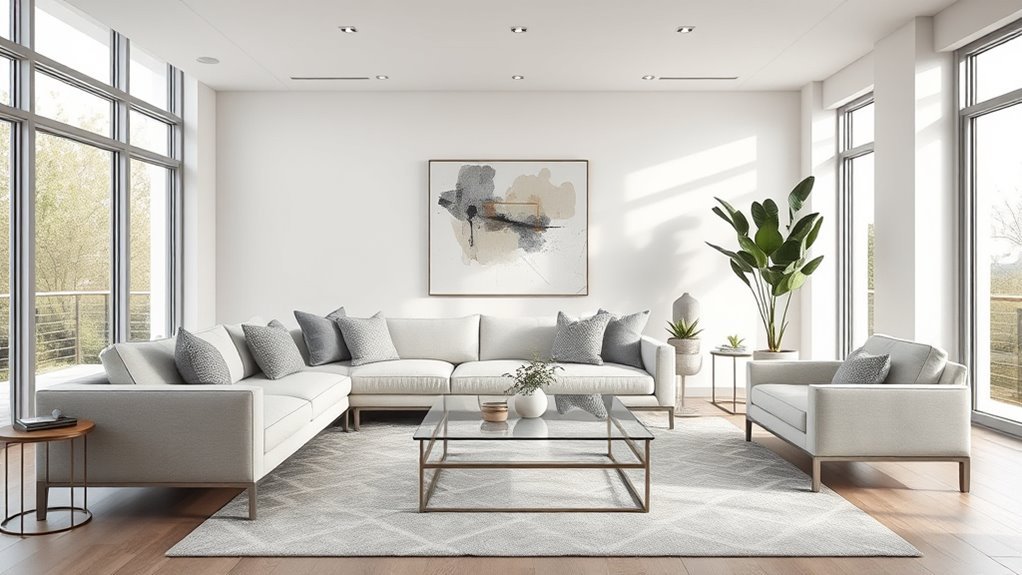
A living room rarely looks its best with only one overhead fixture. End table lamps work better when they are part of a layered lighting plan that includes ambient, task, and accent light.
The popular 5–7 lighting rule means using roughly five to seven light sources in a room, not five to seven lights per 100 square feet. In a compact living room, three or four well-placed sources may be enough. In a large open-plan space, you may need more.
- Use different heights: Combine table lamps, floor lamps, sconces, and ceiling lights.
- Repeat warmth: Keep bulb color temperature similar so the room does not feel patchy.
- Balance pairs carefully: Matching lamps can look polished, but two different lamps can still work if their shade heights and brightness levels feel similar.
- Avoid glare: Use shades, dimmers, and bulb placement to keep light comfortable from seated positions.
Troubleshooting Lamp Shade Problems
If the lamp still looks wrong after you measure, use the problem as a clue. Most fixes are small.
| Problem | Likely Cause | Fix |
|---|---|---|
| Bulb is visible when seated | Shade is too short or sits too high | Use a taller shade, shorter harp, or lower-profile bulb |
| Lamp looks top-heavy | Shade is too tall or too wide | Choose a shorter or narrower shade |
| Lamp looks tiny on the table | Shade or base is too small for the tabletop | Increase shade width or choose a larger lamp |
| Room feels dim | Shade is too dark or bulb has too few lumens | Use a lighter shade, higher-lumen LED, or add another light source |
| Socket or harp shows | Shade sits too high or is too shallow | Adjust the harp or choose a deeper shade |
Final Thoughts on Selecting the Ideal Lamp Shade Size
The ideal lamp shade size is the one that balances the base, fits the end table, hides the bulb, and gives the amount of light you need. Start with the basic formula: shade height around one-third of the lamp’s total height, shade width around twice the base width, and the bottom of the shade near seated eye level. Then fine-tune based on your table size, shade material, and room style.
Frequently Asked Questions
What size lamp is best for a living room end table?
Many living room end table lamps fall between about 24 and 34 inches tall, but the best size depends on the table height and seated eye level. The shade should hide the bulb when you sit beside it, and the lamp should leave usable space on the tabletop.
How do I size a lampshade for a table lamp?
Measure the lamp’s total height, base width, and current shade if you have one. As a starting point, choose a shade about one-third of the lamp’s total height and about twice as wide as the lamp base. Then check that the shade hides the bulb and does not overhang the table.
What size lamp shade works best in a living room?
For living rooms, a medium fabric shade is often the most versatile because it softens light without making the room too dim. Choose the exact size based on the lamp base, table width, and whether the lamp is mainly for reading, ambiance, or decoration.
What is the 5–7 lighting rule?
The 5–7 lighting rule is a design guideline that suggests using about five to seven light sources in a room to create layered lighting. These can include ceiling lights, table lamps, floor lamps, wall sconces, picture lights, and accent lights. Smaller rooms may need fewer sources.
Should a lamp shade be wider than the table?
No. In most living rooms, the shade should stay within the table edges so it does not look awkward, get bumped, or crowd nearby seating. If you love a wider shade, use it on a wider table or place the lamp where it has enough clearance.
Is a white or dark lamp shade better?
A white or light shade is better when you want more ambient brightness. A dark shade is better when you want contrast, drama, or a focused pool of light. For a main living room end table lamp, light linen, cotton, or parchment shades are usually the easiest to use.
Conclusion
A well-sized lamp shade can make an end table feel polished, comfortable, and useful. Measure the lamp, table, and seated sight line before you shop. Then choose a shade that balances the base, fits within the table, hides the bulb, and supports the way you actually use the room. With the right proportions, your lamp will feel like part of the design instead of an afterthought.
Sources
- Lamps Plus: How to Measure a Lamp Shade and Select the Right Fitting — supports shade measurements and fitter types.
- Lamps Plus: How to Buy a Lamp Shade — supports shade height, width, fitter, and clip-on safety guidance.
- U.S. Department of Energy: Lumens and the Lighting Facts Label — supports lumens, brightness, and bulb comparison guidance.
- U.S. Department of Energy: Lighting Choices to Save You Money — supports LED energy-efficiency and longevity guidance.
- Schema.org: FAQPage — supports FAQPage structured data.