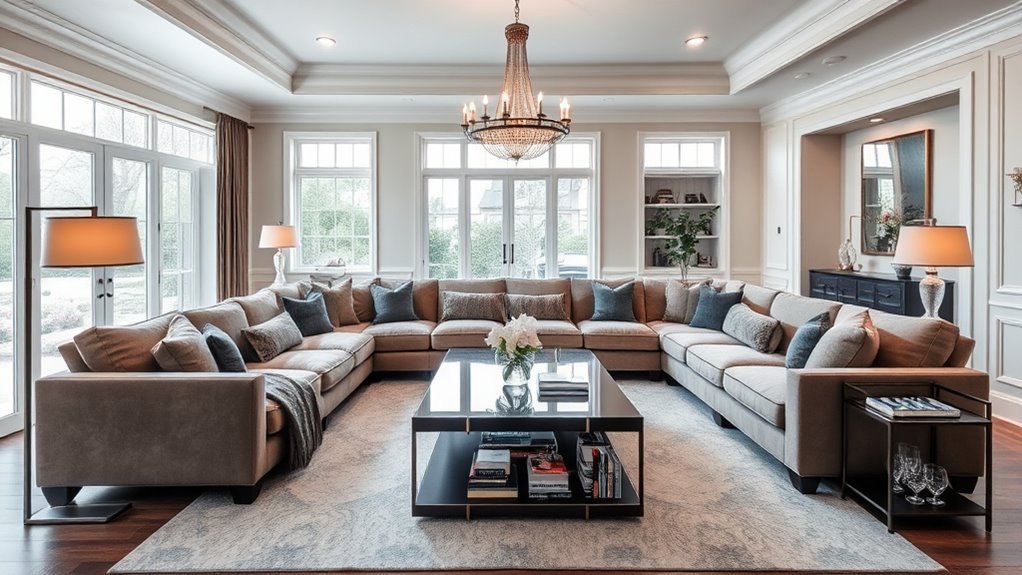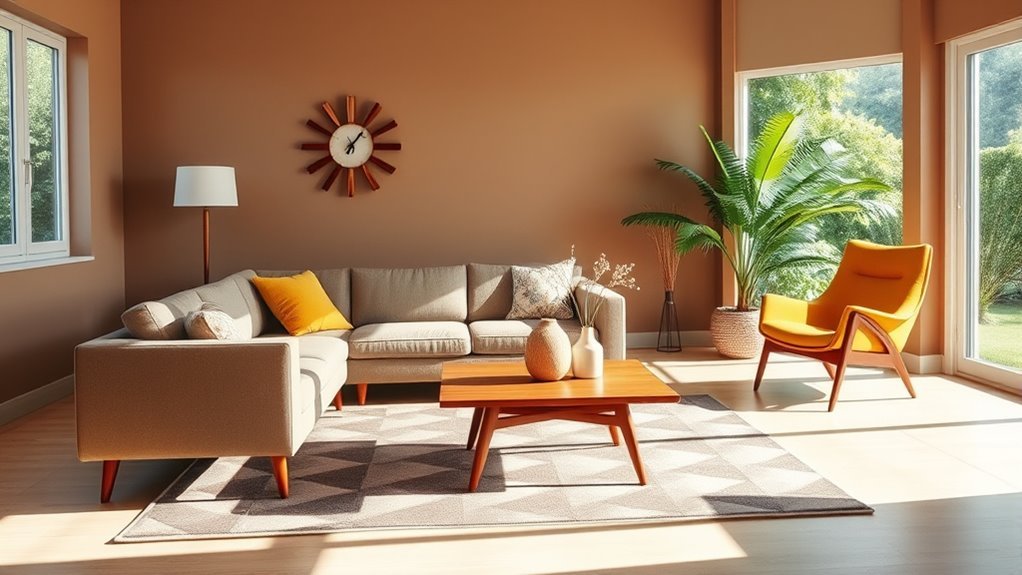
Decorating around radiators and baseboard heaters works best when you treat the heater as part of the room layout, not an obstacle to hide. Keep heat paths open, measure clearance before moving furniture, and choose open-legged pieces, short window treatments, vented covers, heat-safe finishes, and movable décor that never blocks valves, fins, vents, or controls.
Quick Answer
To decorate around radiators and baseboard heaters, keep warm-air paths open and use the heater type to set your clearance. For many steam or hot-water radiators, leave a practical 6-12 inch gap around large furniture. For many electric baseboards, allow about 12 inches in front and above and 6 inches at the sides unless the manual requires more. For portable heaters, keep combustibles at least 3 feet away.
Key Takeaways
- Leave open space around radiators and baseboard heaters so warm air can circulate instead of getting trapped behind furniture.
- Treat electric baseboards and portable heaters more carefully than decorative hot-water radiators; their product manual should always set the final clearance rule.
- Choose open-legged chairs, narrow console tables, floating shelves, short curtains, and vented radiator covers instead of bulky pieces that block heat.
- Paint, plants, baskets, and artwork can soften the look, but they should never touch hot metal, cover fins, block valves, or crowd vents.
- Clean, dust, bleed, and inspect radiators regularly so the room stays warmer and your design choices do not reduce performance.
At a Glance
| Time Required | 30 minutes for a layout refresh; 1-2 hours for covers, shelves, cleaning, or paint prep |
| Difficulty | Easy to moderate |
| Tools Needed | Tape measure, microfiber cloth, vacuum brush, level, painter’s tape, screwdriver, heat-resistant paint if repainting |
| Cost | No-cost if you only rearrange furniture; low to moderate if you add paint, shelves, reflectors, baskets, or a cover |
Warning: Never push upholstery, curtains, paper, baskets, aerosol cans, electronics, cords, toys, or damp laundry directly against a radiator, baseboard heater, or portable heater. Keep portable electric heaters at least 3 feet from beds, sofas, curtains, papers, and clothing, and let the manufacturer’s manual override general decorating advice for any electric heater.
Start With the Heater Type Before You Decorate
Radiators and baseboard heaters do not all behave the same way. Before placing furniture, covers, plants, or curtains nearby, identify what you have: a cast-iron steam radiator, a hot-water radiator, a hydronic baseboard convector, an electric baseboard heater, or a portable space heater.
The U.S. Department of Energy recommends cleaning baseboard heaters and radiators as needed and making sure they are not blocked by furniture, carpeting, or drapes. That simple rule should guide every design choice in the room.
Steam or Hot-Water Radiators
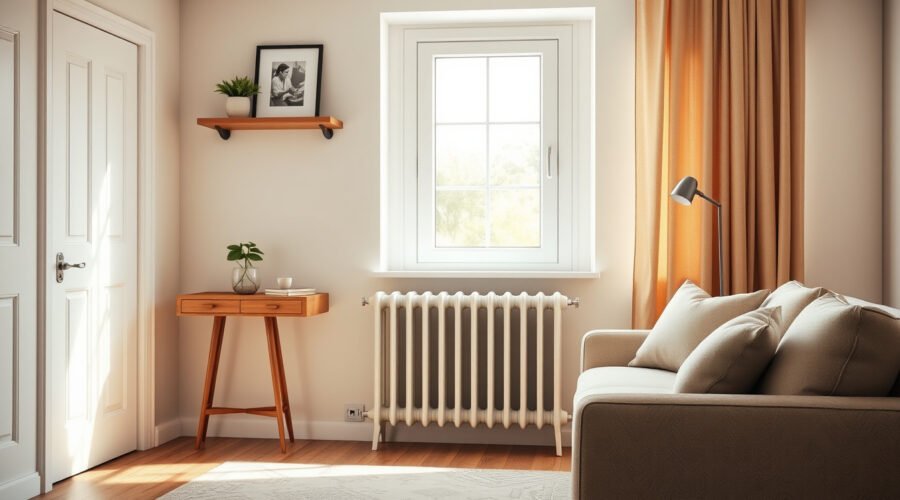
Traditional cast-iron radiators are often sturdy, sculptural, and worth showing off. They heat by a mix of convection and radiant warmth, so they need open space around the front, top, and sides. In most rooms, leave 6-12 inches of practical clearance around large furniture, and leave more whenever the room allows.
Hydronic Baseboard Convectors
Hot-water baseboard heaters usually depend on air entering at the bottom, passing over fins, and leaving through the top. A long sofa, heavy rug, toy basket, or floor-length curtain can block that airflow. Keep the lower intake and upper outlet clear, and avoid leaning anything against the cover.
Electric Baseboard and Portable Heaters
Electric baseboards and portable heaters need stricter caution because they can create burn and fire hazards if crowded. The Department of Energy notes that electric small space heaters should be placed on a level surface away from foot traffic, kept away from children and pets, and selected with current safety features.
For electric baseboards, many manufacturer guides call for roughly 12 inches of clearance in front and above the unit and 6 inches at the sides, but you should always follow the exact label or manual for your heater. For portable electric heaters, the U.S. Consumer Product Safety Commission advises keeping beds, sofas, curtains, papers, clothing, and other combustibles at least 3 feet from the front, sides, and rear of the heater.
Note: If your heater is electric, fan-forced, built into a baseboard, or portable, check the label or manual before adding furniture, curtains, a shelf, or a decorative cover. Some products require much more clearance than a hot-water radiator.
Clearance and Airflow Rules That Keep the Room Warm
A beautiful layout fails if it blocks heat. Use a tape measure, then check the room from standing height and floor level. You should be able to see open space in front of the radiator or baseboard, open airflow at the top, and access to valves, thermostats, or controls.
| Area | Best Decorating Rule |
|---|---|
| Front of a steam or hot-water radiator | Leave 6-12 inches around large furniture when possible; more is better for bulky sofas and cabinets. |
| Top of a radiator | Keep open unless using a properly installed shelf with enough space for heat to rise. |
| Hydronic baseboard heater front | Keep furniture, rugs, and storage clear so air can enter at the bottom and leave through the top. |
| Electric baseboard heater area | Follow the manual first; many units need about 12 inches in front and above and 6 inches at the sides. |
| Portable heater area | Keep combustibles at least 3 feet away and avoid fabric, cords, paper, and storage nearby. |
| Valves and controls | Leave room for your hand, tools, and future maintenance. |
The goal is not to hide every inch of the heater. The goal is to make it feel intentional while keeping heat, air, and maintenance access unobstructed.
Choosing the Right Furniture for Spaces Near Radiators
Furniture near radiators should look light, sit off the floor, and allow heat to move around it. Low-profile pieces with legs work better than solid-front cabinets, skirted chairs, or oversized sofas pushed tight to the wall.
Best Furniture Types
Choose pieces that frame the heater instead of smothering it:
- Open-legged side chairs: They provide seating while leaving air paths open.
- Narrow console tables: They can create a styled landing zone above or near a radiator if the sides and top remain open.
- Lightweight stools: They are easy to move during winter and do not visually crowd the heater.
- Floating shelves: They add display space without blocking the lower heat source.
- Open-back benches: They may work near a radiator if they leave clear space and do not contain upholstery directly against heat.
Furniture to Avoid
Avoid solid cabinets, storage trunks, book piles, thick baskets, skirted sofas, and upholstered pieces pressed against or over radiators. These can trap warm air, reduce heating performance, and damage fabric or wood over time.
Small Living Room Layout Tips
If the radiator sits under a window, float the sofa a few inches farther into the room rather than forcing it against the heater wall. Place a slim side table at one end, angle an accent chair nearby, and use a rug to define the seating area without covering any baseboard openings.
Pro Tip: In winter, pull seating close enough to enjoy the warmth but not close enough to block it. In summer, you can move larger pieces back toward the wall if the heater is fully off and cool.
Creative Ways to Conceal Unsightly Radiators Without Blocking Heat
If your radiator is chipped, bulky, or visually distracting, you have several options. The safest approach is to improve the area around it first, then decide whether the unit itself needs paint, a shelf, or a cover.
Use a Well-Vented Radiator Cover
A radiator cover can make a room feel more polished, especially in an entryway, dining room, or living room. Choose a design with generous lower intake openings, a vented front, and an open or vented top. Avoid solid-front covers that trap heat inside the box.
Wood, MDF, cane, metal mesh, and perforated panels can all look attractive, but the design matters more than the material. If the room feels colder after installing a cover, the cover is likely restricting convection and should be modified or removed.
Add a Console Table Instead of a Full Cover
A console table can disguise a radiator without boxing it in. Choose a table that is open on the sides, tall enough to clear the radiator, and shallow enough to avoid crowding the room. Style it with a lamp, framed art, or a small tray, but keep anything heat-sensitive away from rising warm air.
Install a Floating Shelf Above the Radiator
A floating shelf can visually anchor the radiator and create a display ledge. Leave space between the shelf and the radiator so heat can rise, and avoid placing candles, wax, delicate artwork, vinyl records, batteries, or electronics directly above a hot radiator.
Try a Decorative Screen
A freestanding screen works best when it is slatted, perforated, or woven with open gaps. Keep it several inches in front of the radiator so it softens the view without acting like a wall. Avoid fabric screens near electric heaters.
Painting Radiators for a Seamless or Statement Look
Paint is one of the easiest ways to make an old radiator look intentional. Matching the wall color helps it fade into the background, while a bold contrasting color can turn a cast-iron radiator into a design feature.
How to Paint a Radiator Safely
- Turn the heat off and let the radiator cool completely. Never paint a hot radiator.
- Clean the surface. Use a damp cloth and mild detergent to remove dust, grease, and old grime.
- Sand rough areas. Smooth peeling paint and rust spots so the new finish adheres properly.
- Prime bare metal or rusted areas. Use a primer compatible with metal and heat exposure.
- Use paint labeled for radiators, metal, or heat exposure. Follow the product instructions for drying and curing time.
- Apply thin coats. Several light coats usually look smoother than one heavy coat.
- Wait before turning the heat back on. Let the finish cure according to the paint label to reduce odor and tackiness.
For a subtle look, paint the radiator the same color and sheen as the wall. For a more designed look, repeat a color from your rug, artwork, tile, or furniture legs.
Decorating Around Baseboard Heaters
Baseboard heaters create a different design challenge because they run low along the wall and often sit exactly where you want furniture. The key is to avoid blocking the front, bottom, and top openings.
Use Furniture With Visible Legs
Chairs, benches, and console tables with slim legs are better than solid furniture fronts. If you can see the wall and floor behind the piece, warm air has a better chance of moving through the room.
Keep Rugs and Baskets Back
Do not let thick rugs, floor cushions, magazine baskets, toy bins, or pet beds touch a baseboard heater. Even if the heater is hydronic, blocked airflow can reduce comfort. If it is electric, the clearance rules are even more important.
Choose Short Curtains or Blinds
Window treatments should stop above the heater, at the sill, or use blinds/shades that do not hang over the unit. Floor-length curtains can trap heat behind fabric and prevent the room from warming evenly.
What Not to Put Near a Radiator or Heater
Some items should stay away from radiators, baseboards, and portable heaters no matter how good they look in the room.
- Upholstered furniture touching the heater: Fabric and foam can trap heat and deteriorate.
- Long curtains: They can block convection and create a heat pocket.
- Paper and cardboard: Books, mail, magazines, and storage boxes are poor choices near heat.
- Aerosol cans and pressurized containers: Heat can increase pressure inside the container.
- Electronics and batteries: Heat can shorten lifespan and create avoidable risk.
- Candles and wax décor: They can soften, melt, or drip.
- Plastic bins and toys: Some plastics can warp or release odors when overheated.
- Damp laundry: Drying clothes on radiators can add moisture to the room and may damage finishes.
Decorating With Plants Around Radiators
Plants can soften the hard lines of radiators, but they need careful placement. Do not place leaves, plastic nursery pots, or trailing vines directly on hot metal. Use plant stands, wall shelves, or nearby tables instead.
Better Plant Choices
Snake plants, ZZ plants, pothos, jade plants, and some succulents can tolerate average indoor conditions, but even hardy plants may dry faster near heat. Check soil moisture more often in winter and rotate plants away from direct hot air if the leaf edges brown.
Plant Placement Ideas
- Use a narrow plant stand beside the radiator, not in front of it.
- Hang trailing plants from the ceiling or wall so they frame the area without touching heat.
- Place a tall plant several feet away to balance the visual weight of a large radiator.
- Choose ceramic or metal planters over thin plastic near warm zones.
The EPA recommends keeping indoor relative humidity below 60 percent, ideally between 30 and 50 percent when possible. If you use plants, humidifiers, or steam heat, watch for condensation around cold windows and exterior walls.
Using Radiator Reflectors and Heat-Safe Backdrops
Radiator reflectors can help when a hot-water or steam radiator sits on an exterior wall. The Department of Energy recommends placing heat-resistant radiator reflectors between exterior walls and radiators. Use a purpose-made product, attach it to the wall rather than the radiator, and keep it tidy so it does not peel, sag, or touch valves.
For a decorative backdrop, consider paint, tile, beadboard, or washable wall panels behind the radiator. Avoid delicate wallpaper directly behind very hot radiators unless the wallpaper and adhesive are suitable for heat and the wall stays dry.
Seasonal Furniture Adjustments for Comfort
The best radiator layout may change with the season. In cold months, prioritize airflow and heat circulation. In warm months, you can style the area more freely as long as the heater is turned off, cool, and not needed.
Winter Layout
- Move bulky furniture away from radiators and baseboards.
- Open curtains during sunny days and close them at night if they do not cover the heater.
- Keep radiator covers, shelves, and screens clear of clutter.
- Vacuum dust from fins, grilles, and the floor around the heater.
Summer Layout
- Use lighter textiles and open furniture placement to make the room feel breezy.
- Style shelves or console tables more decoratively once the heater is fully off.
- Inspect paint, rust, valves, and covers before the next heating season.
- Move plants back if winter heat caused dry leaves or soil stress.
Maintaining Painted Radiators and Styled Heater Areas
Maintenance keeps both the heater and the design looking good. Dust acts like insulation, clutter blocks convection, and chipped paint makes the area feel neglected.
- Dust monthly during heating season. Use a microfiber cloth, vacuum brush, or radiator brush.
- Check for blocked airflow. Look for rugs, baskets, curtains, toys, or furniture that drifted too close.
- Bleed hot-water radiators when needed. If the radiator is cold at the top or gurgling, trapped air may be the issue. If you are unsure, call a professional.
- Inspect paint and rust. Touch up small chips before they spread.
- Check valves and controls. Make sure covers, tables, and baskets do not prevent access.
- Remove dust from radiator covers. Vents and grilles only work if they stay open.
Troubleshooting Common Decorating Problems
The Room Feels Colder After Adding a Cover
The cover is probably blocking airflow. Remove decorative items from the top, check that the front and lower openings are clear, and consider switching to a more open grille or removing the cover during cold months.
The Sofa Has to Sit Near the Radiator
Pull the sofa forward, even if only a few inches, and choose a sofa with visible legs. Add a narrow console behind it only if there is still room for heat to rise.
The Curtains Hang Over the Heater
Switch to sill-length curtains, Roman shades, roller shades, shutters, or blinds. If you love full-length panels, hang them wide enough to frame the window rather than covering the heater.
The Radiator Paint Smells When the Heat Turns On
The paint may not have fully cured, or the wrong product may have been used. Ventilate the room, keep children and pets away during odors, and follow the paint manufacturer’s cure instructions. If the smell persists, consult a professional.
The Wall Behind the Radiator Looks Dirty
Clean the wall with a mild solution, repaint with a washable finish, and dust the radiator more often. Warm air can carry dust upward and leave marks over time.
Final Thoughts on Balancing Style and Functionality Around Radiators
Radiators and baseboard heaters do not have to ruin a room. With the right clearance, furniture shape, paint color, vented cover, and seasonal maintenance, they can become part of the design instead of something you fight against. Keep heat paths open, keep flammable and delicate items away, and let the heater do its job while the room still reflects your style.
Frequently Asked Questions
How do you style around baseboard heaters?
Use open-legged furniture, short curtains or blinds, floating shelves, and wall art. Keep rugs, baskets, sofas, and storage away from the front, top, and bottom of the heater so air can move freely. For electric baseboards, follow the heater manual before using any shelf, cover, or nearby textile.
How should furniture be arranged around radiators?
Keep large furniture 6-12 inches away from most hot-water or steam radiators when possible, and leave more space for bulky sofas or cabinets. Use chairs, tables, and benches with legs rather than solid fronts. For electric heaters, follow the manufacturer’s clearance instructions.
What should you not put near a radiator?
Do not place paper, cardboard, aerosol cans, electronics, batteries, wax, plastic bins, damp laundry, long curtains, or upholstery directly near a radiator or heater. These items can block airflow, warp, dry out, melt, or create avoidable safety risks.
Should you put a sofa in front of a radiator?
It is better not to place a sofa directly in front of a radiator. If there is no other layout option, pull the sofa forward, choose a design with legs, and leave enough space for heat to rise and circulate behind it.
Are radiator covers a good idea?
Radiator covers can improve the look of a room, but they must be well vented. Choose covers with lower intake openings, a ventilated front, and space at the top. If the room gets colder, remove the cover or switch to a more open design.
Can you put plants near a radiator?
Yes, but do not let leaves or plastic pots touch hot metal. Use plant stands, wall shelves, or nearby tables, and check soil moisture more often because warm air can dry plants quickly.
How far should curtains be from a radiator or baseboard heater?
Use sill-length curtains, blinds, Roman shades, or panels hung wide enough to clear the heater. Do not let fabric hang over a baseboard heater or touch a radiator. For electric baseboards, use the clearance listed on the heater label or manual.
Conclusion
Decorating around radiators and baseboard heaters works best when safety comes first and style follows. Keep airflow open, measure clearances, avoid flammable or heat-sensitive items, and use design tricks that frame the heater instead of smothering it. A slim table, fresh paint, short curtains, a vented cover, or a well-placed plant can make the area feel polished while still keeping the room warm and comfortable.
Sources
- U.S. Department of Energy — Home Heating Systems — supports heating maintenance, unblocked radiators/baseboards, bleeding hot-water radiators, and radiator reflectors.
- U.S. Department of Energy — Small Space Heaters — supports electric heater safety, level placement, child and pet cautions, and space-heater risk context.
- U.S. Consumer Product Safety Commission — Reducing Fire Hazards for Portable Electric Heaters — supports the 3-foot clearance rule for portable electric heaters.
- U.S. EPA — Mold Course Chapter 2 — supports humidity and moisture guidance for indoor spaces.
- National Fire Protection Association — Heating Safety — supports general home heating fire-safety awareness.