
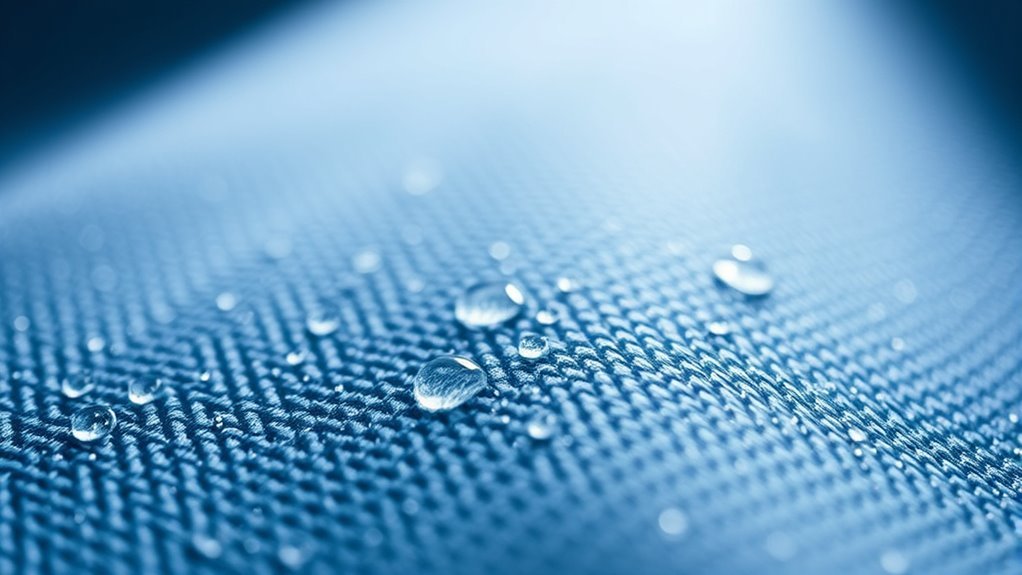
Performance fabric is upholstery or textile material designed to handle real life better than a standard decorative fabric. The best options balance durability, stain resistance, cleanability, comfort, and style, which is why they are popular for busy homes, pet-friendly rooms, outdoor furniture, hospitality spaces, healthcare waiting areas, and other high-use interiors.
Quick Answer
Performance fabric is a textile engineered or finished to resist everyday wear, spills, fading, and cleaning stress better than ordinary fabric. It is not one specific fiber. Its performance depends on the yarn, weave, finish, backing, care instructions, and tested ratings on the fabric spec sheet.
Key Takeaways
- Performance fabric is best understood as a tested feature set, not a single material.
- Look for abrasion, cleanability, lightfastness, pilling, and indoor/outdoor ratings before buying.
- Stain-resistant does not mean stain-proof, and water-resistant does not mean waterproof.
- For family rooms, pets, and dining areas, choose a fabric that is easy to blot, spot clean, and maintain.
- For outdoor or sunny rooms, prioritize UV resistance, fade resistance, mildew resistance, and quick drying.
What Is Performance Fabric and Why Does It Matter?
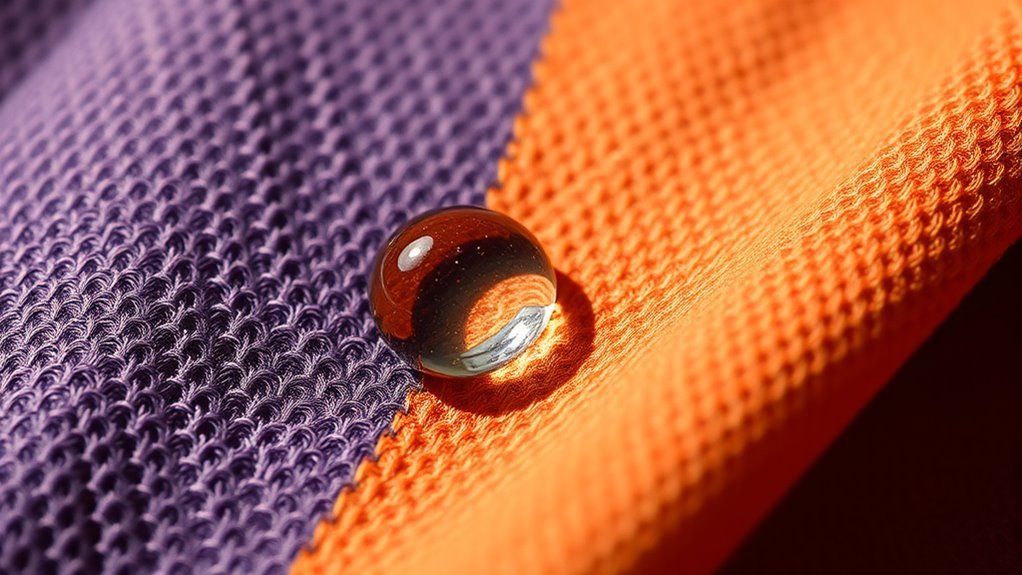
Performance fabric is fabric made, woven, treated, or backed to perform better in a specific use. For upholstery, that usually means better resistance to abrasion, stains, moisture, fading, pilling, and repeated cleaning. It matters because furniture fabric is touched, sat on, spilled on, exposed to sunlight, and cleaned far more often than most decorative textiles.
The term can describe many materials, including polyester, olefin, polypropylene, nylon, solution-dyed acrylic, microfiber, and treated natural-fiber blends. Some fabrics get their performance from the fiber itself. Others rely on the weave, dye method, protective finish, or moisture barrier. That is why two fabrics labeled “performance” can behave very differently.
Note: Performance fabric is not automatically waterproof, bleach-safe, pet-proof, fade-proof, or eco-friendly. Always check the manufacturer’s care instructions and the fabric specification sheet before choosing it for a sofa, dining chair, patio cushion, or commercial space.
Performance Fabric vs. Regular Fabric
The main difference is that performance fabric is designed to meet practical demands beyond looks alone. A regular cotton or linen upholstery fabric may feel beautiful and breathable, but it may absorb spills quickly, show stains more easily, or wear faster in a busy family room. A performance fabric is usually built to make everyday maintenance easier.
| Feature | Regular Fabric | Performance Fabric |
|---|---|---|
| Spills | May absorb liquid quickly | Often designed to repel or release many common spills |
| Wear | May wear faster in busy rooms | Often tested for abrasion resistance, such as Wyzenbeek or Martindale |
| Cleaning | May require professional cleaning | Many options can be spot cleaned with mild soap and water |
| Sun exposure | May fade faster | Outdoor-rated options are often designed for better UV and fade resistance |
Recommended Products

1.STRUDY DURABILITY & PREMIUM WEIGHT: Our chenille fabric is engineered to be thicker, denser, and more substantial than standard options. This heavyweight construction ensures exceptional resistance to wear, sagging, and wrinkles, providing a luxurious, full-bodied drape that elevates any project from ordinary to outstanding.

1.STRUDY DURABILITY & PREMIUM WEIGHT: Our chenille fabric is engineered to be thicker, denser, and more substantial than standard options. This heavyweight construction ensures exceptional resistance to wear, sagging, and wrinkles, providing a luxurious, full-bodied drape that elevates any project from ordinary to outstanding.
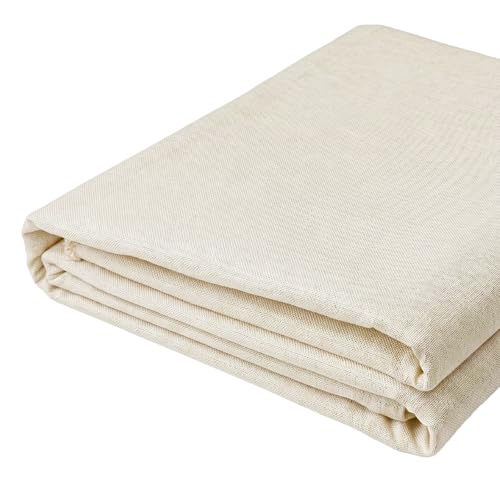
DUAL-LAYER THICKEN CONSTRUCTION: Unlike ordinary faux linen that snags and wears thin, our fabric is engineered with a unique two-layer composite for superior durability. This innovative build ensures it withstands daily use, resists pet claws, and won’t develop holes, offering peace of mind where other fabrics fail. Experience the resilience of a truly heavy-duty upholstery material.
Applications of Performance Fabrics in Home and Commercial Settings
Performance fabrics work best in spaces where furniture needs to look good while handling frequent use. They are common in homes with children or pets, dining rooms, family rooms, sunrooms, patios, offices, hotels, restaurants, waiting rooms, and senior-living spaces.
Here’s a snapshot of their applications:
| Application | Best Performance Features to Look For |
|---|---|
| Healthcare and senior living | Cleanability, moisture barrier, abrasion resistance, appropriate disinfectant compatibility |
| Hospitality | Durability, stain resistance, colorfastness, commercial-grade cleaning instructions |
| Indoor upholstery | Soft hand, stain release, pilling resistance, strong abrasion rating |
| Outdoor furniture | UV resistance, mildew resistance, quick drying, water repellency, easy rinsing |
| Dining chairs and breakfast nooks | Food-stain resistance, blotting ease, cleanability with mild soap and water |
Incorporating performance fabrics in interior design can improve longevity and daily usability, but the right choice depends on the setting. A sunny patio cushion needs different performance than a formal living room chair or a hospital waiting-room sofa.
Recommended Products

Suitable for upholstery, chairs, tablecloth, couch, pillows and seat, sofa, reupholstery

DUAL-LAYER THICKEN CONSTRUCTION: Unlike ordinary faux linen that snags and wears thin, our fabric is engineered with a unique two-layer composite for superior durability. This innovative build ensures it withstands daily use, resists pet claws, and won’t develop holes, offering peace of mind where other fabrics fail. Experience the resilience of a truly heavy-duty upholstery material.
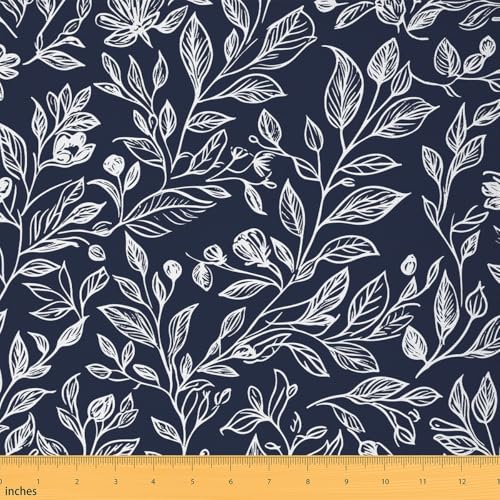
What Are The Sizes Of These Fabric: Length 72" x width 58"; each quantity is cut in separate pieces; when purchase qty is 2, means you will receive 2 separate packages
Essential Features of Performance Fabrics: Durability, Stain Resistance, and Ease of Maintenance
The most useful performance fabrics are not simply “tough.” They combine several features that help the fabric stay attractive and serviceable over time.
Durability and Abrasion Resistance
Durability is often measured with abrasion tests such as the ASTM D4157 Wyzenbeek method or the ASTM D4966 Martindale method. These tests help compare how fabrics respond to rubbing, but they do not predict exact furniture lifespan on their own. Real wear also depends on the fiber, yarn, weave, cushion shape, user habits, cleaning method, and placement.
A high double-rub or Martindale number is useful, but it is not the whole story. Use abrasion ratings as one comparison point, not as a guarantee that a fabric will last forever.
Stain Resistance and Stain Release
Some performance fabrics repel liquid on the surface so spills can be blotted quickly. Others are designed for stain release, meaning soil can be cleaned more easily after it touches the fiber. The best choice depends on the messes you expect. Coffee, wine, muddy paws, sunscreen, grease, ink, and dye transfer do not behave the same way.
Water Resistance vs. Waterproofing
Water-resistant fabric slows down liquid absorption. Waterproof fabric prevents water penetration under defined conditions. Many upholstery fabrics are water-repellent, but that does not mean the entire cushion is waterproof. If spills, pet accidents, or healthcare use are major concerns, look for a moisture barrier or barrier backing in the spec sheet.
Colorfastness and UV Resistance
Outdoor and sunroom fabrics should be rated for light exposure. Solution-dyed yarns can improve fade resistance because color is added through the fiber rather than only on the surface. Still, no fabric should be called truly fade-proof. Direct sun, chlorine, salt air, cleaning chemicals, and weather exposure can all affect long-term color.
Cleanability
Many performance fabrics can be spot cleaned with mild soap and water. Some can tolerate diluted bleach or stronger disinfectants, but only if the manufacturer says so. For example, the official Sunbrella cleaning guide gives specific cleaning mixtures for different stains, including dishwashing liquid and water for many common spills and bleach-containing solutions for mold or mildew on compatible fabrics.
Warning: Do not assume every performance fabric is bleach-cleanable. Test cleaners in a hidden area first, avoid harsh scrubbing, and follow the exact care label for the fabric you own.
Engineering Everyday Performance Fabrics
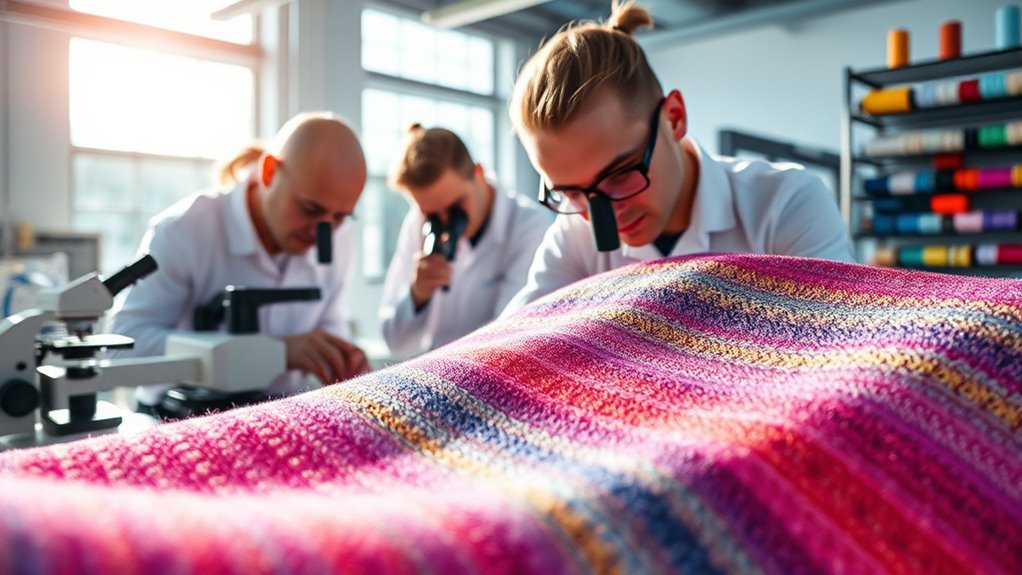
Performance fabrics are engineered through a mix of fiber choice, yarn design, dye method, weave, finish, and backing. A fabric may be strong because of a tight weave, easy to clean because of a stain-release finish, fade-resistant because of solution-dyed yarns, or spill-resistant because of a moisture barrier.
- Polyester is common, versatile, and often affordable. It can perform well indoors, especially when woven tightly or treated for stain resistance.
- Olefin or polypropylene resists moisture and many stains, making it useful for casual seating and some indoor/outdoor applications.
- Solution-dyed acrylic is popular for outdoor furniture because it can offer strong fade resistance and a soft hand.
- Nylon can be very abrasion-resistant, though it may need the right finish for stains and fading.
- Microfiber can feel soft and clean easily, but it is a fabric construction, not automatically a full performance-fabric system.
- Treated cotton, linen, or blended fabrics can offer a more natural look, but they may need more careful cleaning and may not perform like synthetic options.
Pro Tip: When comparing swatches, ask for the full spec sheet. The fabric name, fiber content, abrasion rating, cleanability code, lightfastness, pilling rating, and warranty matter more than the word “performance” by itself.
How to Read a Performance Fabric Spec Sheet
A fabric spec sheet tells you how the material was tested and where it is meant to be used. Before choosing upholstery, look for these details:
- Abrasion rating: Wyzenbeek double rubs or Martindale cycles. Higher can be better, but only when compared within the same test method.
- Cleaning code: Tells you whether to use water-based cleaners, solvent cleaners, vacuuming only, or professional cleaning.
- Lightfastness: Important for sunny rooms and outdoor spaces.
- Pilling rating: Helps predict whether small fiber balls may form on the surface.
- Moisture barrier: Useful for spills, pet accidents, healthcare, and hospitality settings.
- Indoor/outdoor rating: Outdoor fabrics need stronger UV, mildew, and weather performance than indoor-only fabrics.
- Bleach-cleanability: Only relevant when the manufacturer confirms the fabric can handle diluted bleach.
- Certifications: Look for verified claims such as OEKO-TEX STANDARD 100 for harmful-substance testing or OEKO-TEX MADE IN GREEN for additional traceability and production criteria.
How to Select the Right Performance Fabric for Your Needs
When choosing the right performance fabric, start with the room, not the swatch. A soft, pale fabric may be fine in a guest bedroom but frustrating on a family-room sectional used by kids, dogs, and snack-loving adults.
Recommended Products

1.STRUDY DURABILITY & PREMIUM WEIGHT: Our chenille fabric is engineered to be thicker, denser, and more substantial than standard options. This heavyweight construction ensures exceptional resistance to wear, sagging, and wrinkles, providing a luxurious, full-bodied drape that elevates any project from ordinary to outstanding.

【Heavy Duty Canvas Fabric】This premium 100% polyester canvas fabric by the yard features our signature "Dragon Weave" texture, delivering extreme abrasion and tear resistance for upholstery and outdoor projects
For Homes With Kids
Choose a fabric that handles water-based spills, food stains, and frequent spot cleaning. A darker texture or small pattern can hide everyday marks better than a flat, solid light color.
For Pets
Look for tight weaves, good abrasion resistance, and easy vacuuming. Avoid loose boucle or open weaves if claws are a concern. No fabric is completely pet-proof, but dense performance upholstery usually handles daily use better.
For Dining Areas
Prioritize stain release and cleanability. Dining chairs face grease, wine, coffee, sauces, and dye transfer from clothing, so easy blotting and manufacturer-approved cleaning instructions matter.
For Outdoor Furniture
Choose outdoor-rated fabric with UV resistance, mildew resistance, and quick drying. Also check the cushion insert. Even a strong outdoor fabric can develop odor or mildew problems if the cushion core traps moisture.
For Commercial Spaces
Check commercial-grade abrasion, cleaning compatibility, flame-code requirements, and warranty. Offices, hotels, restaurants, and healthcare spaces usually need more than a residential performance label.
Note: If sustainability is part of your decision, avoid vague claims like “green” or “eco-friendly.” Ask whether the fabric has verified recycled content, PFAS-free chemistry, a recognized textile certification, or a traceable production label.
How to Clean Performance Fabric
Most performance fabrics are easier to maintain when spills are handled quickly. The exact cleaning method depends on the fabric, but this safe starting process works for many water-cleanable upholstery fabrics:
- Blot immediately. Use a clean, dry cloth. Do not rub the spill deeper into the fibers.
- Remove loose debris. Vacuum crumbs, pet hair, and dry soil before adding water.
- Use mild soap and water if approved. Mix a small amount of gentle dish soap with water, then apply with a soft cloth.
- Work from the outside in. This helps keep the stain from spreading.
- Rinse lightly. Remove soap residue with a damp cloth, because leftover soap can attract dirt.
- Air dry fully. Avoid high heat unless the manufacturer specifically allows it.
- Escalate carefully. For oil, ink, mildew, dye transfer, or pet accidents, follow the brand’s stain guide or call a professional cleaner.
For outdoor cushions, let the fabric and cushion dry completely before storing. Trapped moisture can lead to odor, mildew, and cushion breakdown even when the fabric itself is designed for outdoor use.
Sustainability and Safety Considerations
Performance fabric can reduce waste when it helps furniture last longer, but that does not automatically make every option sustainable. Some performance finishes are chemical treatments, and some stain- or water-repellent products may involve PFAS chemistry. The U.S. Environmental Protection Agency notes that PFAS can be found in stain- and water-repellent carpets, upholstery, clothing, and other fabrics, and that many PFAS break down very slowly in people, animals, and the environment.
To make a better choice, look for clear, verifiable claims. Helpful signals include PFAS-free labeling from the manufacturer, OEKO-TEX certification, recycled-content documentation, transparent cleaning guidance, and a warranty that matches your intended use.
Frequently Asked Questions
What does performance fabric mean?
Performance fabric means a textile has been designed, constructed, treated, or tested to handle specific demands such as abrasion, stains, moisture, fading, pilling, or repeated cleaning. It is a broad category, so always check the exact performance claims and test results.
What is the difference between cotton and performance fabric?
Cotton is a natural fiber. Performance fabric is a functional category. A cotton fabric can be treated for better performance, but untreated cotton usually absorbs spills more quickly and may stain more easily than many synthetic or specially finished performance upholstery fabrics.
Is performance fabric the same as microfiber?
No. Microfiber is a type of very fine synthetic fiber or fabric construction. Some microfiber upholstery performs well because it can be dense, soft, and easy to clean, but microfiber is not automatically the same as a full performance fabric with tested stain, abrasion, UV, or moisture-barrier properties.
Is 100% polyester considered performance fabric?
Not automatically. Polyester can be used in performance upholstery, but fiber content alone is not enough. A 100% polyester fabric still needs the right weave, finish, backing, cleanability, and test ratings to be considered a strong performance choice.
Is performance fabric waterproof?
Usually, no. Many performance fabrics are water-resistant or water-repellent, which means they slow absorption and make spills easier to blot. Waterproofing requires a stronger barrier system and should be verified in the manufacturer’s specifications.
Is performance fabric good for pets?
Yes, it can be a good choice for pets, especially when the fabric has a tight weave, strong abrasion resistance, easy vacuuming, and stain-release properties. Avoid loose weaves if claw snagging is a concern.
Can performance fabric be used outdoors?
Only if it is rated for outdoor use. Outdoor performance fabric should be designed for UV exposure, moisture, mildew resistance, and faster drying. Indoor-only performance fabric may still fade or degrade outside.
What is a good double-rub count for performance upholstery?
For everyday residential upholstery, many shoppers look for at least a moderate abrasion rating, while busy family rooms and commercial spaces often need higher ratings. Do not compare Wyzenbeek double rubs directly with Martindale cycles, and do not treat any number as a lifetime guarantee.
Conclusion
Performance fabrics offer a practical way to combine style, comfort, and everyday durability, especially in homes and commercial spaces that see heavy use. The smartest choice is not simply the fabric labeled “performance”; it is the fabric with the right tested features for your room, your cleaning routine, and your lifestyle. Check the spec sheet, confirm the care instructions, and choose verified claims over vague promises.
Sources
- ASTM D4157-13(2022) — abrasion-resistance testing using the oscillatory cylinder method, commonly associated with Wyzenbeek testing.
- ASTM D4966-22 — abrasion-resistance testing using the Martindale abrasion tester method.
- Sunbrella Cleaning Guide — manufacturer guidance for cleaning common stains on compatible performance fabrics.
- OEKO-TEX STANDARD 100 — textile certification for harmful-substance testing.
- OEKO-TEX MADE IN GREEN — certification covering harmful-substance testing, traceability, chemical management, wastewater quality, and social criteria.
- U.S. EPA PFAS Information — background on PFAS in household products, including stain- and water-repellent upholstery, clothing, and other fabrics.




[…] Performance Fabric: What It Is & How It Works […]