
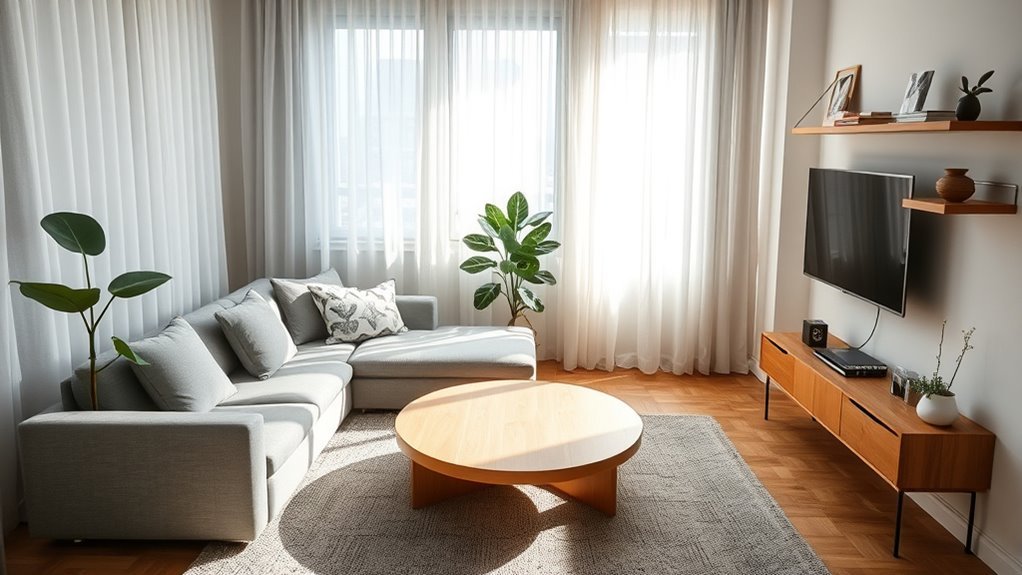
Planning a small living room layout is less about squeezing in every piece you love and more about choosing what the room needs to do first. Start with the main purpose, measure the room carefully, protect the walking paths, and then choose furniture, rugs, lighting, storage, and personal details that support the way you actually live.
Quick Answer
To plan a small living room layout, decide the room’s main function, measure every wall and doorway, choose one focal point, keep the main walkway clear, and use scaled, multifunctional furniture. Anchor the seating with a rug, layer lighting, and add vertical or hidden storage so the room feels open instead of crowded.
Key Takeaways
- Choose the room’s main job first: lounging, entertaining, TV watching, working, reading, or a mix of uses.
- Measure the room before buying furniture, including door swings, windows, outlets, radiators, and traffic paths.
- Use fewer, better-scaled pieces instead of many small items that create visual clutter.
- Create zones with rugs and lighting, not bulky dividers that shrink the room.
- Prioritize hidden, vertical, and dual-purpose storage so everyday items have a home.
At a Glance
| Time Required | 30–60 minutes to measure and sketch; 1–2 hours if you test furniture outlines with painter’s tape. |
| Difficulty | Beginner-friendly. |
| Tools Needed | Tape measure, painter’s tape, graph paper or a room-planning app, phone photos, and furniture dimensions. |
| Cost | $0 for planning; optional costs depend on rugs, lamps, storage, or furniture upgrades. |
Define Your Small Living Room’s Primary Function
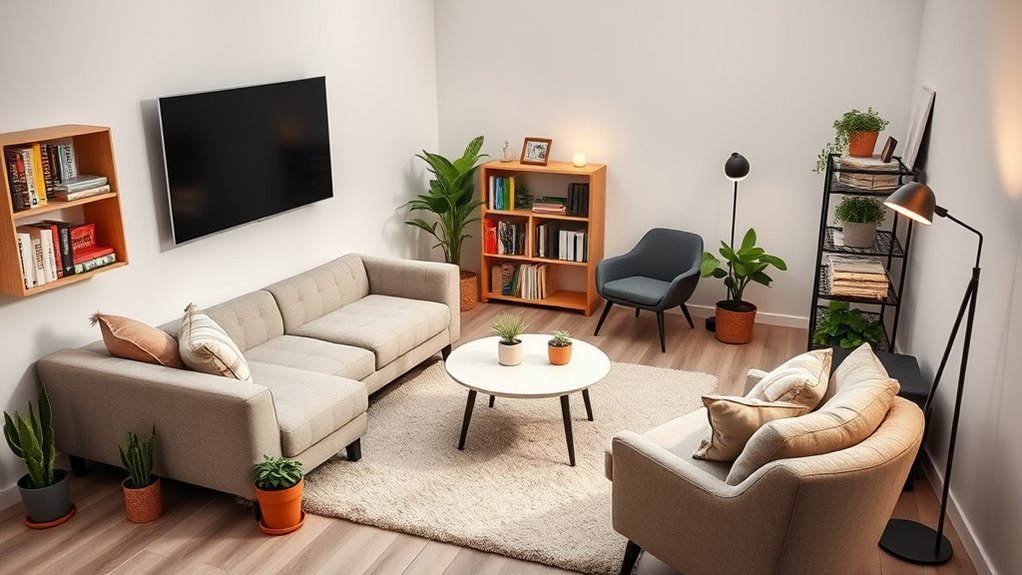
Before moving furniture, decide what the room must do most often. A small living room that is mainly for TV watching needs a different layout than one used for conversation, reading, hosting guests, or working from home.
Choose one primary function and one secondary function. For example, your room might be “lounging first, guest seating second” or “workspace first, reading corner second.” This keeps the layout focused and prevents the common small-room problem of trying to make one corner do five jobs.
- For lounging: prioritize a comfortable sofa or loveseat, a reachable table, soft lighting, and a clear view of the focal point.
- For entertaining: create a conversation circle with chairs, ottomans, or stools that can move easily.
- For working: place a compact desk, console table, or wall-mounted work surface near an outlet and task light.
- For family life: choose washable textiles, closed storage, rounded edges, and flexible seating.
Note: A small living room can still be multifunctional. The key is to give each function a clear home instead of letting every activity spread across the whole room.
Measure Your Space and Map the Layout
Accurate measurements save money, time, and frustration. Measure the room before buying a sofa, rug, media console, or storage piece. Include the full length and width of the room, ceiling height, window placement, outlet locations, radiator or vent positions, and the swing direction of every door.
- Draw the room shape. A simple sketch is enough if it includes measurements.
- Mark fixed features. Add doors, windows, outlets, built-ins, radiators, fireplaces, and awkward corners.
- Choose the main walking path. This is usually the path from the entry to the sofa, window, hallway, or next room.
- Block out furniture sizes. Use painter’s tape on the floor to test the footprint of a sofa, chair, table, and storage unit.
- Take photos from each corner. Photos make it easier to spot blocked sightlines and crowded areas.
For tight rooms, aim for at least 30 inches where people regularly walk if you can. If you want a more accessibility-friendly main route, use 36 inches as a planning target; the 2010 ADA Standards for Accessible Design list 36 inches as the minimum clear width for accessible walking surfaces in covered public settings. Private living rooms vary, but the measurement is still a helpful comfort benchmark.
Warning: Do not buy the sofa first and “make it work later.” In a small living room, one oversized sofa can block doorways, crowd the coffee table, and make every other piece feel wrong.
Choose a Focal Point Before Arranging Furniture
A small living room feels calmer when the layout has one clear focal point. That focal point might be a TV, fireplace, window, bookshelf, artwork, or conversation area. Pick the focal point before arranging furniture, then let the seating face or gently angle toward it.
TV-Focused Layout
Place the sofa where the screen is comfortable to view without forcing people to walk between the sofa and TV. Use a slim media console, wall-mounted shelf, or low cabinet to keep the wall from feeling heavy.
Conversation-Focused Layout
Float two chairs opposite a loveseat, or angle one chair toward the sofa. A round coffee table or small ottoman often works better than a sharp rectangular table because it softens movement through the room.
Window or Fireplace Layout
Let the best architectural feature lead. Place seating where people can enjoy the view or fireplace, but keep enough space to open windows, access curtains, and move safely around the room.
Living Room + Workspace Layout
Use a narrow console table, wall desk, secretary desk, or floating shelf as the work surface. Keep the chair lightweight so it can tuck away or double as guest seating.
Select Functional Furniture for Better Flow
Functional furniture is the backbone of a well-planned small living room. The best pieces do more than look good: they support your main function, preserve walking space, and make the room easier to reset at the end of the day.
| Furniture Type | Key Features | Benefits |
|---|---|---|
| Dual-Purpose Pieces | Hidden storage, nesting tables, sleeper options | Adds function without adding clutter |
| Lightweight Furniture | Easily moved chairs, stools, and side tables | Makes the layout flexible for guests |
| Open Bases | Raised legs, slim frames, visible floor beneath | Creates a lighter, less cramped look |
| Slim Profile | Compact arms, shallow depth, clean lines | Keeps seating comfortable without overwhelming the room |
| Modular Furniture | Moveable sections and reconfigurable seats | Adapts as your needs change |
For most small living rooms, a loveseat plus one or two flexible chairs works better than a huge sectional. If you love sectionals, choose a compact chaise or apartment-size version and check the full depth, not just the width.
Pro Tip: Choose furniture with visible legs when possible. Seeing more floor under the sofa, chair, or console helps the room feel lighter and easier to move through.
Recommended Products

🌈 ULTIMATE VERSATILE COMFORT:Experience a new level of adaptability. Erament modern convertible sofa bed effortlessly transforms from a cozy loveseat into a full-size sleeper bed. It's the perfect, stylish space-saving solution for any room—be it your living area, studio, guest room, or office—offering both a comfortable seat and a restful bed.

Deep Cloud Seating: Relax on our 10-inch extra-thick cushions that feel like sitting on a cloud. Unlike flat apartment sofas, our seat combines high-density foam with supportive springs to prevent sagging. Together with two soft pillows, this 48-inch loveseat provides the perfect cozy spot for your daily lounging or nap time. Built with a sturdy frame made from FSC-certified solid wood, this loveseat supports both your home and the environmen

【King-Size Convertible Sleeper Sofa Bed】: Tired of bulky furniture trapping your space? Our Floor Sofa Bed unleashes your creativity, breaking traditional sofa limits! Create a 3-Seat Sofa/Oversized Sleeper Bed/Lounge Recliner/Game Chair/Custom Sectional, perfect for living rooms, dorms, and game rooms — whether hosting guests or enjoying movie nights with family!
Create Cozy Zones With Rugs and Lighting
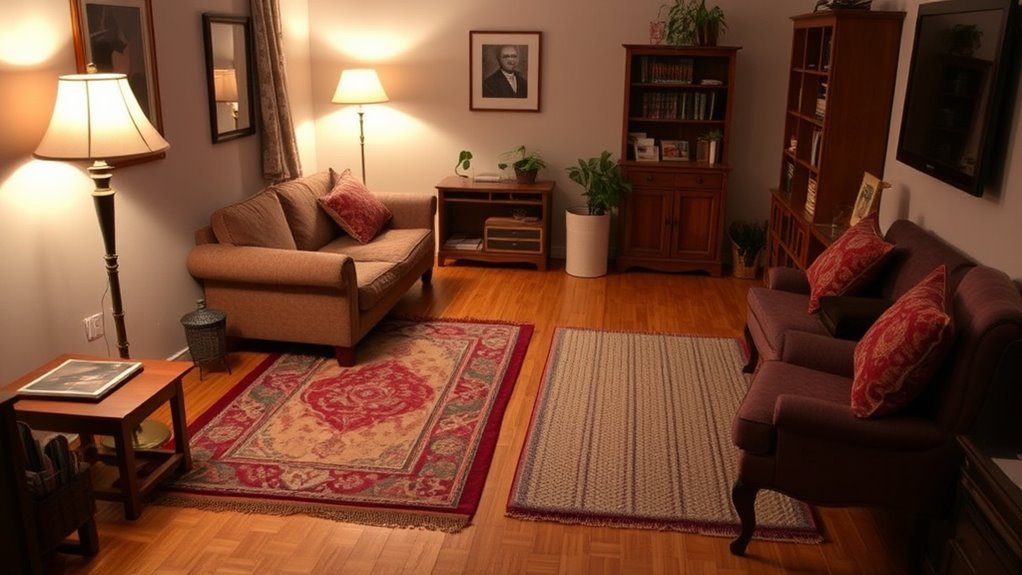
Rugs and lighting can divide a small living room into zones without adding walls or bulky dividers. A rug anchors the seating area, while lamps tell the eye where each activity happens.
In a seating zone, try to get at least the front legs of the sofa and chairs on the rug. If the rug is too small, the furniture can look like it is floating awkwardly. If the rug is large enough to connect the main pieces, the room feels more intentional.
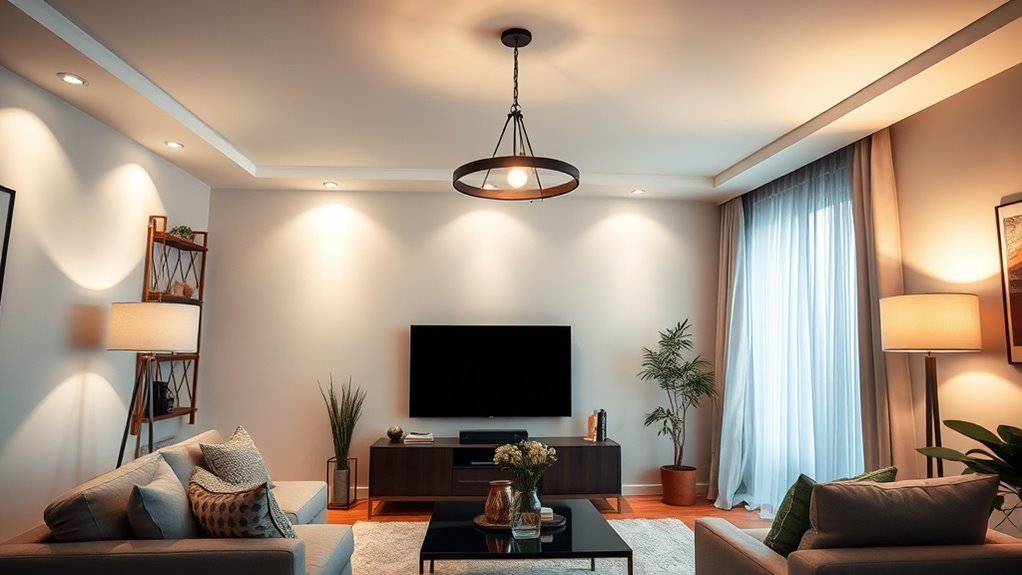
Layer lighting instead of relying on one overhead fixture. Use ambient lighting for general brightness, task lighting for reading or working, and accent lighting for art, shelves, or a cozy corner. Dimmable bulbs or smart bulbs are especially useful in a room that shifts from daytime work to evening relaxation.
- Reading corner: add a floor lamp beside a chair and a small table for a book or drink.
- TV zone: use soft side lighting to reduce harsh contrast between the screen and dark room.
- Workspace: add a focused desk or table lamp so the area feels separate from the lounge zone.
- Conversation area: use warm lamps at different heights to create a relaxed mood.
Recommended Products

Luxuriously Plush Pile: Indulge in cloud-like softness with our premium rug! The extra-deep 1.9" polyester fibers provide heavenly comfort underfoot - suit for creating cozy spaces in bedrooms, nurseries, or beside your bed

ONLY 1 Beige Lamp Shade Included: please noted that this version comes only one piece beige lampshade. Please check carefully before you place order.

Recycled backing keeps accent rug from sliding
Smart Storage Solutions to Eliminate Clutter in Small Living Rooms
A small living room can look crowded fast when everyday items do not have a home. The goal is not to hide your personality. It is to give remotes, chargers, books, blankets, toys, pet supplies, paperwork, and hobby items a clear place to land.
- Use hidden storage. Choose ottomans with lift-up tops, coffee tables with drawers, benches with compartments, or media consoles with doors.
- Go vertical. Floor-to-ceiling shelves, wall-mounted cabinets, and tall bookcases use wall space instead of precious floor space.
- Pick double-duty pieces. A storage bench can act as seating, a console can act as a desk, and nesting tables can expand only when needed.
- Use baskets intentionally. Baskets work best when each one has a category, such as throws, toys, magazines, or pet items.
- Edit visible surfaces. Keep the coffee table, media unit, and side tables mostly clear so the room feels calmer.
If open shelving makes the room feel busy, mix open shelves with closed boxes or cabinet doors. Display a few favorite items and hide the rest.
Recommended Products

【Perfect Set Design】This round storage ottoman comes in a set of two, with the larger size measuring 15.4" x 15.4" x 17.7" and the smaller size 12.6" x 12.6" x 14.6". These two round storage ottomans can be neatly stacked together, offering a convenient space-saving solution.

Space-Saving Double-Grid Storage: Perfectly sized at 30" x 13" x 13", this ottoman fits effortlessly at the foot of the bed, by the wardrobe, beside the sofa, or in the entryway—compact but surprisingly spacious for all your daily essentials. Collapsible design folds flat in seconds, tuck it into a cabinet when not in use to keep your space open and organized

【ottoman】Our ottoman has the better size and Relaxed color,Length 17 x width 13 x height 13 inches and Grey,It is also a comfortable footstool,Proper size and thickened sponge pad can make him a good footrest,Sitting on the sofa and putting your feet on the ottoman can relax your legs, relax your whole body and enjoy the pleasant time
Infusing Your Small Living Room With Personal Style and Comfort
Your small living room should still feel like you. The trick is to use personal style in focused layers instead of spreading small decor across every surface. Choose a simple base, then add texture, color, art, and meaningful objects where they will have the most impact.
Personal Touches Matter
Personal touches make a small living room feel warm, but too many tiny items can make it feel crowded. Display a few family photos, travel souvenirs, handmade pieces, or favorite books in one or two intentional places.
- Create one display zone: a shelf, picture ledge, coffee table tray, or wall gallery.
- Repeat materials: use wood, woven textures, metal, glass, or ceramics in more than one spot for cohesion.
- Leave breathing room: empty space around decor makes each piece feel more important.
Color Palette Selection
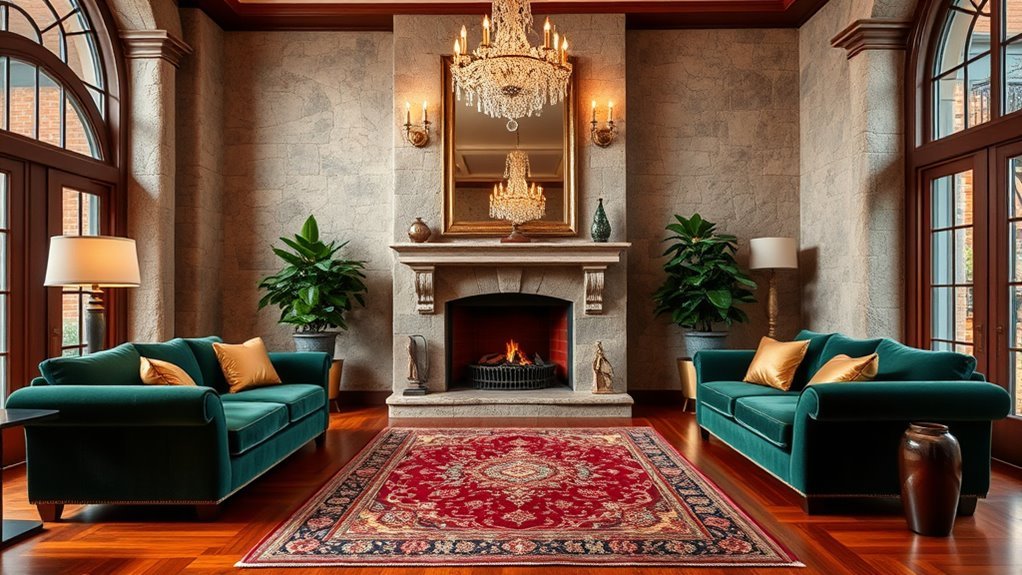
A focused color palette makes a small living room easier to read. Light neutrals, soft pastels, warm whites, and pale grays can make walls feel more open, but dark colors can also work beautifully when used with enough lighting and contrast.
Choose one main color, one supporting neutral, and one or two accents. Bring accent colors through cushions, art, throws, lampshades, or a rug instead of painting every surface a different shade.
Textures and Patterns
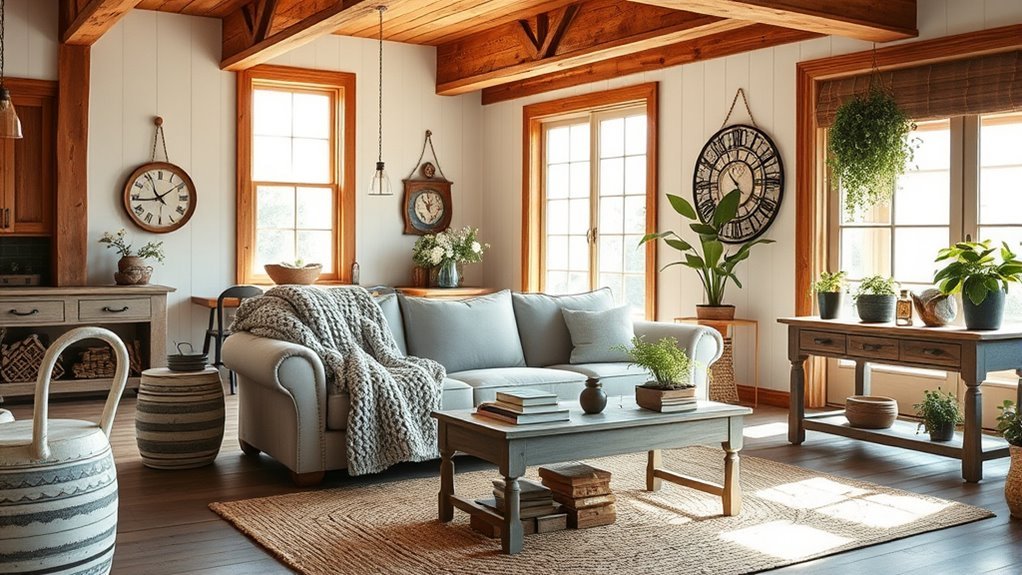
Texture adds comfort without taking up space. Try a woven basket, linen curtains, a chunky throw, a smooth ceramic lamp, a soft rug, or a leather accent chair. These layers make the room feel finished even when the footprint is small.
For patterns, limit yourself to two or three that share a color family. For example, pair a striped pillow with a small floral cushion and a solid throw. This gives the room movement without visual noise.
A small living room feels larger when every piece earns its place: one clear function, one clear path, and one clear focal point.
Common Small Living Room Layout Mistakes to Avoid
Small living rooms usually go wrong for one of five reasons: furniture is too large, the rug is too small, the walkway is blocked, the lighting is flat, or storage is treated as an afterthought.
- Pushing every piece against the wall: This can make the middle feel empty and the edges feel crowded. Even a few inches of breathing room behind a chair can help.
- Choosing a coffee table that is too big: Use a small round table, nesting tables, or an ottoman tray if the space between sofa and TV is tight.
- Blocking windows: Keep low furniture under windows when possible so natural light can spread through the room.
- Using only overhead lighting: Add at least one lamp near seating and one softer light for evening.
- Buying matching sets: Matching sets can feel heavy in a small room. Mix one main piece with lighter chairs, stools, or tables.
- Ignoring door swings: Make sure cabinet doors, room doors, closet doors, and balcony doors can open fully.
Free and Low-Cost Tools to Plan Your Layout
You do not need professional software to plan a small living room. Painter’s tape and a tape measure are often enough. If you want a digital option, a room-planning app can help you test furniture sizes before moving heavy pieces.
Magicplan is one option for creating floor plans with a phone or tablet. Its official pricing page currently says users can start with 2 free projects, so it can be useful for testing a first layout, but check the current limits before relying on it for multiple rooms.
For a quick no-app method, measure your furniture, tape the outlines on the floor, and walk through the room as you normally would. Sit down, stand up, reach for the table, open doors, and check whether anyone would need to squeeze behind the sofa.
Frequently Asked Questions
What is the best layout for a small living room?
The best layout is the one that supports the room’s main function while keeping the main walkway clear. In many small rooms, that means a loveseat or compact sofa, one flexible chair, a small table, a properly sized rug, and storage that uses wall space instead of floor space.
What is the 2/3 rule for living rooms?
The 2/3 rule is a flexible proportion guide, not a strict rule. It often means choosing a sofa that is about two-thirds the length of the wall or pairing a coffee table that is about two-thirds the length of the sofa. In a small living room, comfort and clear walking paths matter more than forcing the exact ratio.
Is there a free app that can help me rearrange my room?
Yes. Magicplan can help you create floor plans from a phone or tablet, and its current pricing page says users can start with 2 free projects. Free limits can change, so always check the app’s current plan before using it for multiple rooms.
What is the 3-5-7 rule of decorating?
The 3-5-7 rule is a loose styling idea that odd-numbered groupings can look natural to the eye. You might use three items on a tray, five objects on a shelf, or seven repeated accents across a room. Treat it as a visual balance trick, not a required formula.
How much space should I leave between furniture in a small living room?
Aim for about 30 inches on regular walking paths when the room allows it. If you want the main path to feel more accessible and comfortable, 36 inches is a stronger target. Around a coffee table, leave enough space to sit, stand, and reach without bumping your knees.
Should a small living room sofa go against the wall?
Sometimes, yes. In a very small room, placing the sofa against the wall can protect the main walkway. If you have a little extra space, pulling the sofa forward by a few inches can make the layout feel more intentional and less cramped.
Conclusion
A small living room works best when it is planned with purpose. Define the room’s main job, measure before buying, protect the walking paths, and choose furniture that fits the scale of the space. Then use rugs, lighting, storage, color, and personal touches to make the room feel warm and complete. With a clear plan, even limited square footage can become a comfortable, stylish, and flexible place to live.
Sources
- ADA.gov — 2010 ADA Standards for Accessible Design — backs up the 36-inch accessible walking-surface reference.
- Magicplan Plans & Pricing — backs up the current note about starting with 2 free projects.
- W3C WAI — An alt Decision Tree — backs up improving image alt text based on image purpose.
- Google Search Central — Introduction to Structured Data — backs up the use of structured data that describes visible page content.
- Schema.org — HowTo — backs up the HowTo schema structure for step-by-step instructional content.

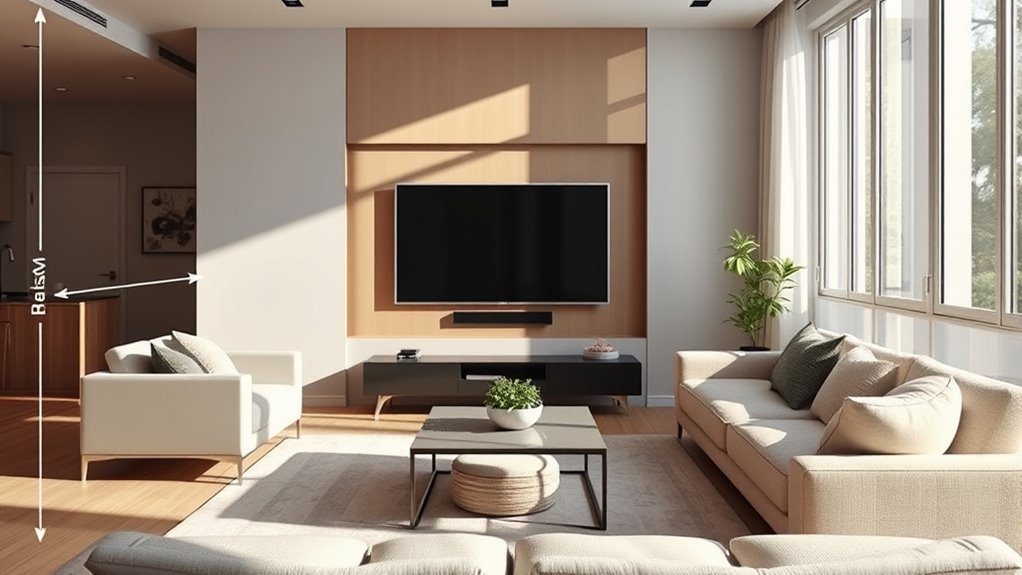
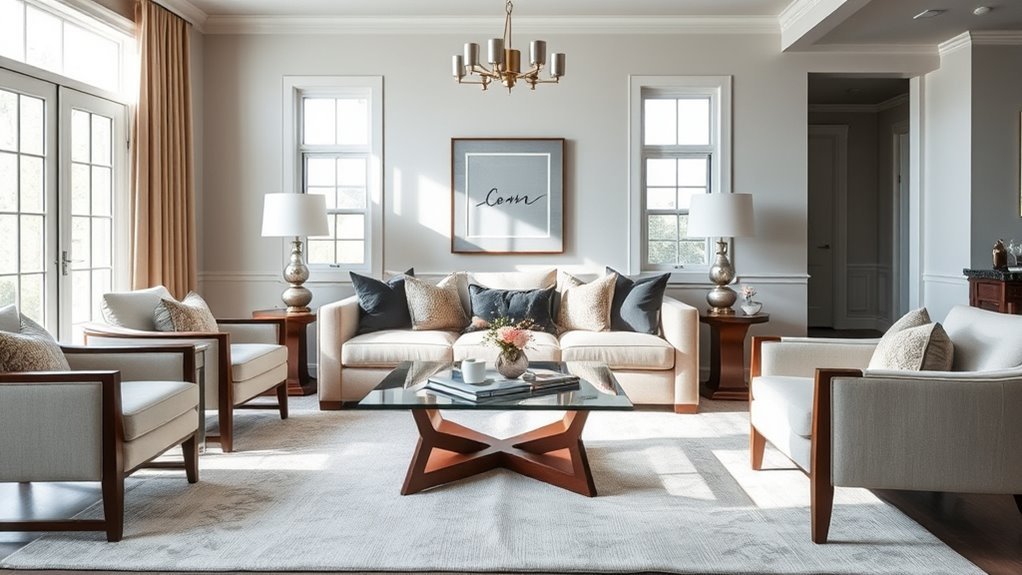
[…] floor space is especially tight, use the dedicated small living room layout guide for more detailed space-planning […]