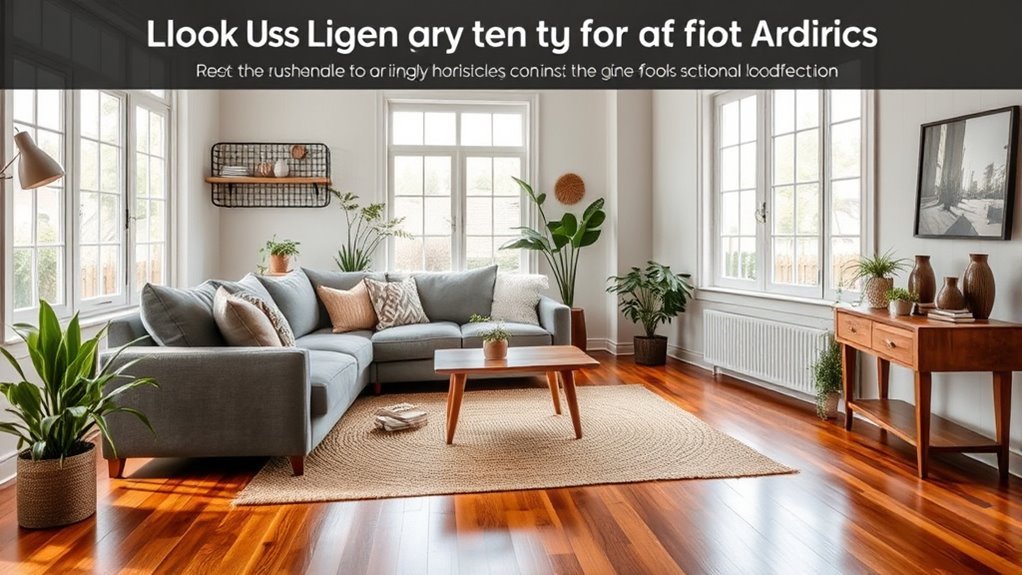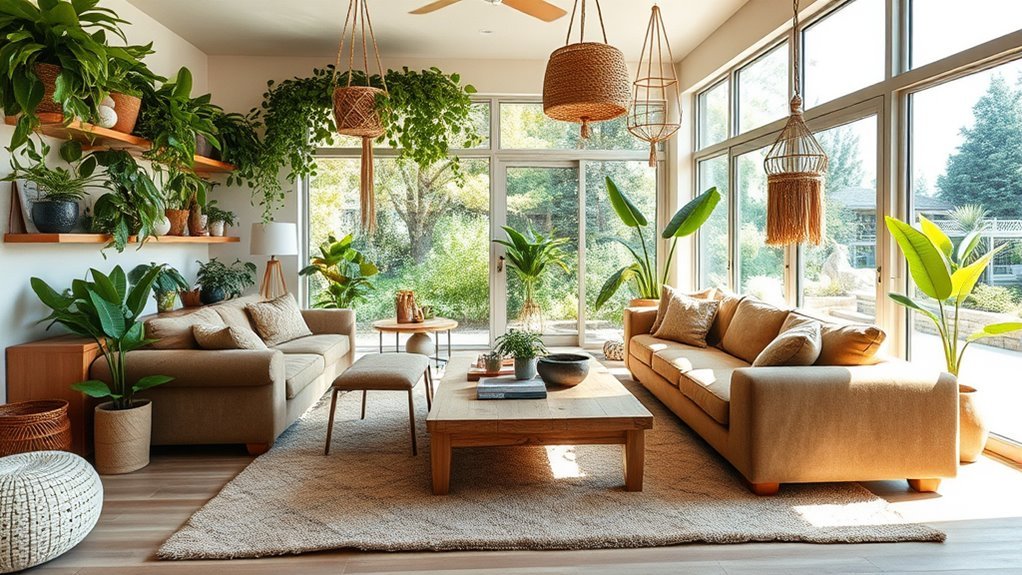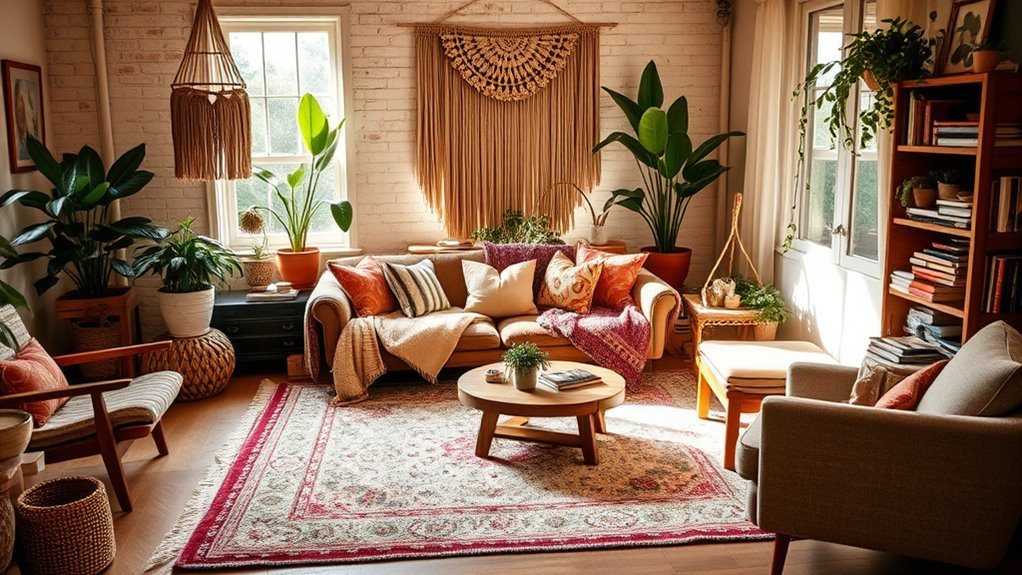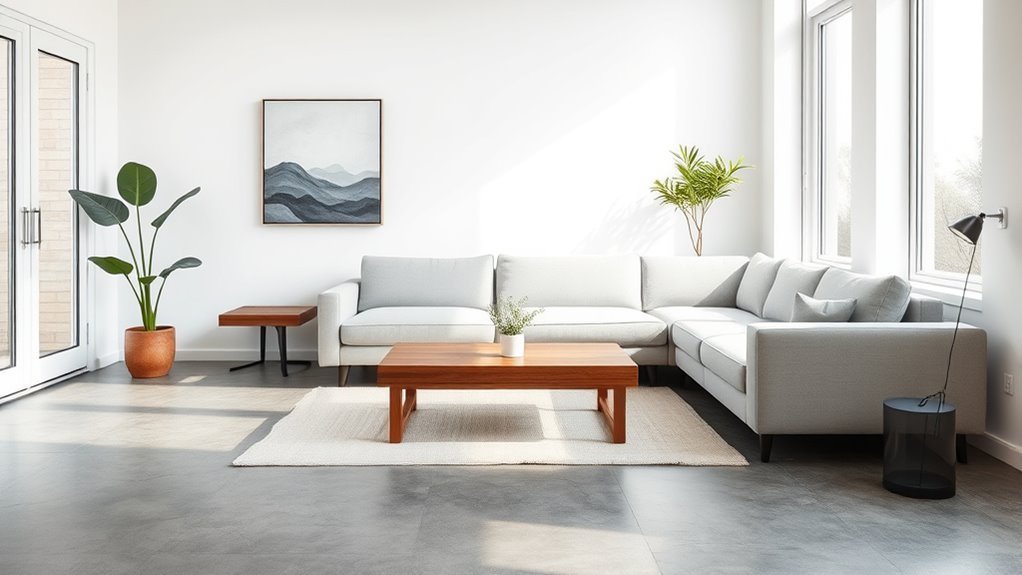
Choosing between a minimalist and maximalist living room is less about following a trend and more about deciding how you want your home to feel every day. Minimalism creates calm through open space, clean lines, useful furniture, and a restrained palette. Maximalism creates energy through bold color, layered patterns, collected objects, and expressive storytelling. Both can look polished when they are intentional, comfortable, and functional.
Quick Answer
Minimalist living rooms feel calm, open, and edited, while maximalist living rooms feel bold, layered, and personal. Choose minimalism if you want visual quiet and easy maintenance. Choose maximalism if you love color, collections, pattern, and expressive decor. You can also blend both by keeping a simple base and adding a few statement pieces.
Key Takeaways
- Minimalism works best when every piece has a purpose, the layout feels open, and the palette stays soft or controlled.
- Maximalism works best when color, pattern, art, and collections are curated instead of randomly crowded together.
- Small living rooms can handle either style when furniture scale, storage, lighting, and walking paths are planned carefully.
- The strongest hybrid rooms often use a minimalist foundation with maximalist art, textiles, books, plants, or one dramatic focal point.
Minimalist vs. Maximalist Living Room: The Main Difference
A minimalist living room asks, “What can I remove so the space feels calmer and more useful?” A maximalist living room asks, “What can I layer so the space feels richer and more personal?” Neither style should feel careless. A minimalist room can still feel warm, and a maximalist room can still feel organized.
| Feature | Minimalist Living Room | Maximalist Living Room |
| Overall feel | Quiet, open, airy, and restrained | Layered, expressive, energetic, and collected |
| Color palette | White, cream, gray, beige, black, wood tones, muted accents | Jewel tones, saturated color, contrast, wallpaper, colorful accents |
| Furniture | Simple silhouettes, hidden storage, multifunctional pieces | Statement shapes, vintage finds, mixed eras, bold upholstery |
| Decor | Few pieces, chosen carefully, with plenty of negative space | Art, books, collections, layered textiles, mixed patterns |
| Best for | People who want calm, easy cleaning, and visual breathing room | People who want personality, storytelling, color, and visual interest |
Understanding Minimalism: Key Features and Benefits
Minimalism is rooted in reduction: fewer elements, clearer forms, and a stronger focus on essentials. In a living room, that usually means clean-lined seating, open walking paths, simple tables, concealed storage, and a palette built around neutrals or muted colors.
The biggest benefit is visual calm. When surfaces are clear and furniture has breathing room, the room feels easier to scan and easier to maintain. Minimalism also helps highlight texture: wood grain, linen, wool, stone, ceramic, and soft lighting become more noticeable when there are fewer competing elements.
Modern minimalist living rooms do not have to feel cold. The most current version is often warm minimalism: creamy whites instead of stark white, natural wood instead of glossy finishes, soft upholstery instead of hard edges, and a few personal objects instead of completely empty shelves.
Key Minimalist Living Room Features
- Neutral or muted color palette: white, ivory, oatmeal, taupe, gray, black, olive, clay, or soft brown.
- Clean furniture silhouettes: slim arms, simple legs, low-profile tables, and uncluttered shapes.
- Functional storage: closed media cabinets, nesting tables, storage ottomans, and baskets that hide everyday items.
- Intentional decor: one large artwork, one sculptural vase, or one plant can carry more impact than many small items.
- Open space: clear traffic paths make the room feel larger and more peaceful.
Note: Minimalism is not the same as emptiness. A successful minimalist living room still needs comfort, texture, lighting, and a few personal details so it feels like a home, not a showroom.
What Makes Maximalism Shine?
Maximalist interior design embraces bold color, layered pattern, texture, art, books, collections, and expressive objects. The goal is not to fill every inch with random stuff. The goal is to create a room that feels collected, personal, and visually exciting.
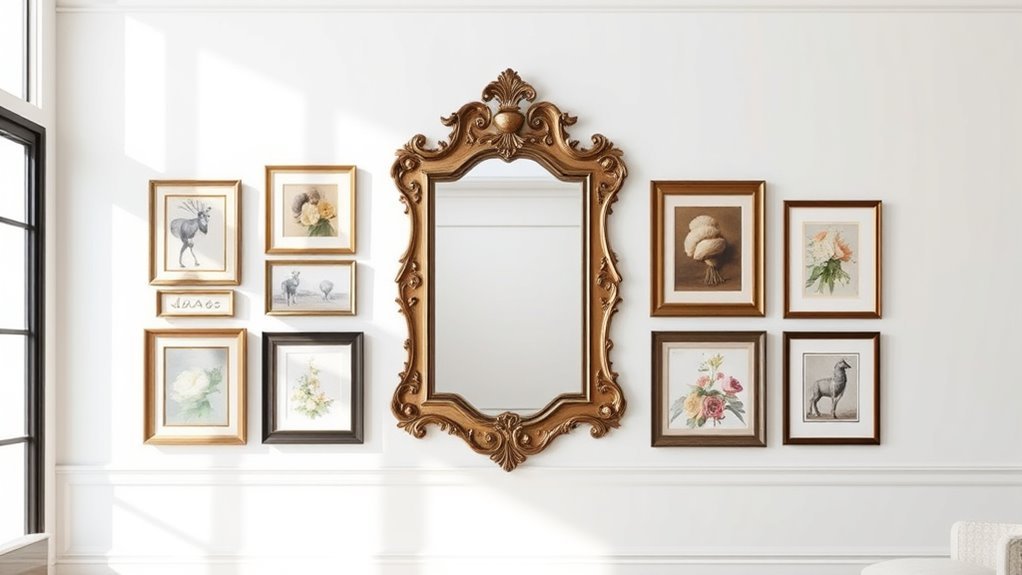
Maximalism shines when the room tells a story. A gallery wall can show your travels. A patterned rug can anchor the palette. A bright sofa can become the focal point. Vintage furniture can mix with modern lighting. The style works because every layer adds meaning, contrast, or comfort.
The strongest maximalist rooms still use rules. They may repeat one color throughout the room, balance large patterns with smaller ones, or leave visual pauses around a major piece of art. Without that editing, maximalism can slide into clutter.
Key Maximalist Living Room Features
- Bold color: emerald, cobalt, mustard, burgundy, coral, plum, black, or saturated wallpaper.
- Mixed patterns: florals, stripes, checks, animal prints, geometrics, or global-inspired textiles.
- Layered textures: velvet, linen, rattan, wool, lacquer, ceramic, wood, brass, and stone.
- Collections: books, art, pottery, framed photos, travel objects, heirlooms, and vintage finds.
- Statement moments: a dramatic light fixture, colorful sofa, patterned curtains, or oversized artwork.
Pro Tip: To keep maximalism from feeling chaotic, choose one “boss” element first, such as a rug, wallpaper, sofa, or artwork. Then pull your colors and patterns from that piece instead of adding unrelated items one by one.
Comparing Minimalist and Maximalist Living Rooms: A Visual Guide
When you compare minimalist and maximalist living rooms, the biggest differences show up in color, furniture arrangement, decor, and how much visual information the room contains. Minimalism creates impact through restraint. Maximalism creates impact through abundance.
Color Schemes Comparison
Minimalist color schemes usually begin with a calm base: white walls, beige upholstery, pale wood, black accents, or soft gray textiles. The palette is narrow, so texture matters. A boucle chair, linen curtain, jute rug, matte ceramic lamp, or oak table can keep the room from looking flat.
Maximalist color schemes are more expressive. They may combine jewel tones, color-drenched walls, patterned wallpaper, painted trim, and bold textiles. Color can influence mood and perception, but it is personal and context-dependent. Research on color psychology shows color can affect emotion, cognition, and behavior, while also noting that real-world design recommendations should be made carefully because responses vary by setting and person.
A helpful rule: minimalists can use one accent color to add warmth, while maximalists can use one repeating color to make a busy room feel connected.
Furniture Arrangements Overview
In a minimalist living room, furniture arrangement should protect open space. Choose fewer pieces with stronger function: a sofa, one or two chairs, a coffee table with storage, a slim console, and a media unit with closed doors. Leave enough room to walk comfortably between pieces.
In a maximalist living room, furniture can be more varied, but it still needs structure. Mix eras and shapes, but keep the seating plan practical. A vintage chair, patterned ottoman, colorful side table, and modern sofa can work together when the scale feels balanced and the palette repeats.
For both styles, avoid pushing every piece against the wall automatically. Floating a sofa or chair even a little can make the room feel more intentional.
Decor and Accessories Contrast
Minimalist decor relies on fewer pieces with stronger presence. One large framed artwork can be better than several small prints. One sculptural vase can be better than a tray full of objects. The goal is to give every piece space to breathe.
Maximalist decor relies on layering. Books, candles, art, textiles, plants, and collected objects can all appear together, but they should be grouped intentionally. Try arranging objects by color, material, height, or theme so the room looks curated rather than accidental.
Which Style Is Right for You?
Choose minimalism if you feel better in quiet rooms, dislike visual clutter, prefer easy cleaning, or want a small living room to feel more open. It is also a good fit if you love high-quality basics, neutral colors, and furniture that does more than one job.
Choose maximalism if you love color, pattern, books, vintage shopping, art, family pieces, and rooms that start conversations. It is a good fit if you enjoy rearranging decor and want your living room to show your personality immediately.
Choose a blend if you like calm structure but still want personality. This is often the easiest style to live with: a simple sofa, neutral walls, clean storage, and then bold art, patterned pillows, colorful books, or one dramatic rug.
Practical Steps to Create a Minimalist Living Room
Creating a minimalist living room starts with editing, but it should not end with a blank space. The goal is to make the room functional, calm, and comfortable.
- Start with what you use daily. Keep seating, lighting, tables, storage, and anything you genuinely need for relaxing or hosting.
- Choose a simple palette. Use two or three main colors, such as ivory, warm wood, and black, or beige, cream, and olive.
- Pick multifunctional furniture. Storage ottomans, nesting tables, lift-top coffee tables, and closed cabinets reduce visible clutter.
- Limit small decor. Use fewer, larger pieces so shelves and tables look intentional.
- Add texture for warmth. Bring in linen, wool, wood, stone, ceramic, rattan, or boucle.
- Plan your lighting. Use more than one light source: overhead lighting, a floor lamp, and a table lamp can make a simple room feel layered.
Warning: Be careful with new paints, finishes, adhesives, and some furnishings. The EPA notes that many household products and building materials can release VOCs indoors, so ventilation and low-VOC choices are worth considering when refreshing a living room.
Recommended Products

Lamp & Table Combo: Elevate your space with this versatile piece that combines a sleek floor lamp with a multi-tiered table. Crafted from sturdy wood and metal poles, this compact unit (15.8’’x11.8’x59.25’’) is both solid and stable, effortlessly supporting up to 50 lb on each shelf. Its minimalist design seamlessly bridges rustic farmhouse charm and modern elegance.

Lamp & Table Combo: Elevate your space with this versatile piece that combines a sleek floor lamp with a multi-tiered table. Crafted from sturdy wood and metal poles, this compact unit (15.8’’x11.8’x59.25’’) is both solid and stable, effortlessly supporting up to 50 lb on each shelf. Its minimalist design seamlessly bridges rustic farmhouse charm and modern elegance.

Stack Your Style: This bedside table set includes two stackable side tables that can be arranged together or separately to maximize your living space. Stack them together to create a 25.3″ tall table with 3 levels of storage with easy access to the open shelving.
Maximalism Tips for a Vibrant Home
Maximalism gives you permission to be expressive, but it works best with a plan. Think of it as thoughtful abundance: more color, more texture, more story, and more personality, but not more clutter for its own sake.
Bold Color Choices
Bold color is one of the fastest ways to create a maximalist living room. You can start with a deep blue wall, a rich red rug, a sunny yellow chair, emerald curtains, or a patterned wallpaper. The key is repetition. If you use cobalt blue in the art, repeat it in a pillow, vase, or book spine. If your rug includes burgundy, echo that color in flowers, lampshades, or trim.
Try one of these color approaches:
- Color-drenched room: Paint walls, trim, and built-ins in the same rich color for a dramatic envelope.
- Neutral base with bold accents: Keep the sofa simple and add colorful art, pillows, curtains, and lamps.
- Jewel-tone palette: Combine emerald, sapphire, ruby, and brass for a luxurious effect.
- Warm eclectic palette: Use terracotta, mustard, olive, rust, and dark wood for a cozy collected look.
Layered Textures and Patterns
Layering textures and patterns can transform a living room into a space that feels rich and personal. Mix soft fabrics with harder finishes: velvet pillows on a linen sofa, a wool rug under a lacquered table, ceramic lamps near wood shelves, or rattan chairs beside polished metal accents.
For pattern mixing, start with three levels:
- Large pattern: rug, wallpaper, or curtains.
- Medium pattern: accent chair, ottoman, or throw blanket.
- Small pattern: pillows, lampshade, or decorative box.
Keep one connecting thread, such as a shared color, repeated shape, or consistent material. This lets the room feel lively without becoming visually exhausting.
Small Living Room Advice for Both Styles
A small living room can be minimalist, maximalist, or blended. The trick is scale. Choose furniture that fits the room instead of forcing oversized pieces into the layout.
For a small minimalist living room, use raised-leg furniture, closed storage, wall-mounted shelves, light-filtering curtains, and a simple palette. A mirror can help bounce light, but avoid too many reflective surfaces because they can make the room feel busy.
For a small maximalist living room, go vertical. Use tall bookcases, full-height curtains, gallery walls, painted trim, and one bold rug. Instead of filling the floor with furniture, use walls, shelves, and lighting to create drama.
For either style, keep traffic paths clear. A beautiful living room still has to work when people are walking through it, setting down drinks, watching TV, or gathering with friends.
Recommended Products
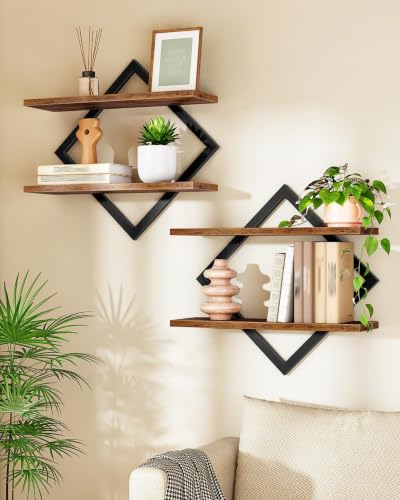
Chic Diamond Design, A New Space Vibe: This 2-piece floating shelves set, with its diamond-shaped iron tubes and double-tier design, offers a fresh visual delight for your home space. Its vintage industrial hue effortlessly complements your indoor decor

Centerpiece of Room Decoration - These shelves boast a distinctive design and an elegant shape, making them a focal point that elevates the style of any room. Ideal for the living room, bedroom, study, bathroom, laundry room, children's room, or office, they reflect the owner's sophisticated taste and blend seamlessly with various decor themes.
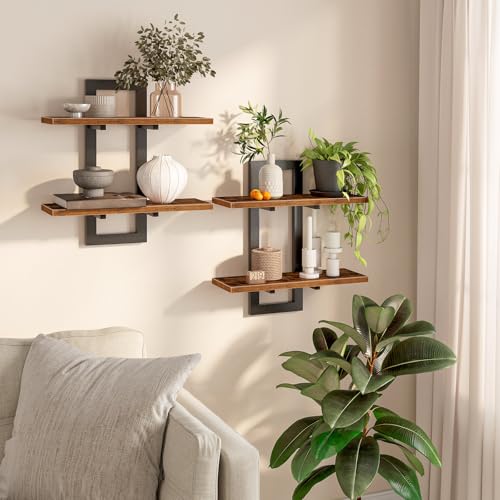
Double-Layer Storage: Measuring 15.0"L x 5.3"W x 15.7"H, the floating wall shelves features a double-layer design, and don't take up much space when mounted on the wall, the 2-tier wall shelf providing more storage space to place additional items, book or decorations while making full use of wall space, creating a neat and cozy home environment
Budget-Friendly Ways to Get Either Look
You do not have to replace everything to change your living room style. Start with the pieces that create the biggest visual shift.
Recommended Products

XXL Capacity for All Your Storage Needs, Measuring 21.7"D x 13.8"H, this spacious basket effortlessly holds family clothing, blankets, pillows, toys, and laundry. One basket to declutter your entire home

Natural Cotton Material – The 5-pack cotton rope storage baskets are made from 100% premium cotton rope. These soft woven baskets have no sharp edges, making them safe for kids and pets. Perfect for families, parents, and pet owners who value a clean, cozy, and well-organized home.
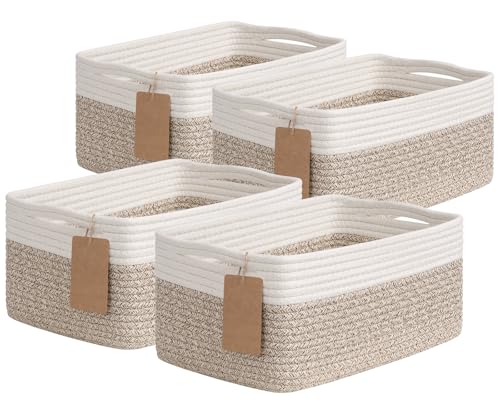
Perfect Size For Multiple Scenes: 13 x 8 x 6 inches rectangular design specifically crafted for shelf storage, closet organization, and under-bed spaces. Seamlessly blends into living room coffee tables, bedroom nightstands, bathroom counters, or nursery rooms — achieving whole-home organization with ease
Budget Minimalist Ideas
- Declutter visible surfaces before buying anything new.
- Use matching storage boxes or baskets inside shelves and media units.
- Swap several small frames for one larger piece of art.
- Choose one calm throw blanket and two pillows instead of many mismatched accents.
- Replace harsh bulbs with warmer layered lighting.
Budget Maximalist Ideas
- Shop vintage stores, flea markets, estate sales, and local marketplaces for unique pieces.
- Frame postcards, fabric remnants, old book pages, or personal photos for an affordable gallery wall.
- Add peel-and-stick wallpaper to the back of a bookcase or one small wall.
- Use colorful lampshades, patterned pillows, and a bold rug before investing in new furniture.
- Group existing collections by color or theme so they feel intentional.
Common Mistakes to Avoid
Both styles can fail when they become too extreme. Minimalism can become sterile. Maximalism can become cluttered. The solution is balance.
Minimalist Living Room Mistakes
- Choosing style over comfort: A sofa can look sleek and still be uncomfortable. Test comfort first.
- Using only flat neutrals: Add texture so the room does not look lifeless.
- Removing too much personality: Keep a few meaningful pieces, such as art, books, or family objects.
- Skipping storage: Minimalism is easier when everyday items have a hidden home.
Maximalist Living Room Mistakes
- Adding without editing: More is not better unless each piece contributes to the room.
- Using too many focal points: Let one or two pieces lead, then support them.
- Ignoring scale: Large patterns, oversized furniture, and heavy curtains can overwhelm a small room if everything competes.
- Forgetting function: Leave room for drinks, lamps, remotes, walking paths, and comfortable seating.
Blending Minimalism and Maximalism in Your Living Room
You can create a living room that feels both serene and vibrant by using minimalism as the foundation and maximalism as the personality layer. Start with a calm base: simple walls, practical seating, clear storage, and a layout with breathing room. Then add one or two bold elements.
Try this simple formula:
- Keep 70% of the room calm. Use simple furniture, open space, and a controlled base palette.
- Make 20% expressive. Add patterned pillows, colorful books, plants, art, or a textured rug.
- Let 10% become the focal point. Choose one standout item, such as a large painting, dramatic light fixture, sculptural chair, or bold wallpapered niche.
This blended approach works especially well if you like a tidy room but do not want it to feel plain. A neutral sofa with a vivid rug, white walls with a gallery wall, or simple shelves filled with colorful books can all strike the right balance.
Frequently Asked Questions
What is the 30/30 rule for minimalists?
The commonly referenced 30/30 rule from The Minimalists is a buying rule, not a decluttering rule: wait 30 hours before buying something over $30, and wait 30 days before buying something over $100. For decluttering, a better question is: “Have I used this recently, and will I realistically use it again?”
Why does Gen Z like maximalism?
Many younger decorators are drawn to maximalism because it makes room for individuality, thrifted finds, color, nostalgia, handmade pieces, and personal storytelling. Instead of copying a perfect showroom, maximalism lets a living room feel expressive, flexible, and unique.
What are common minimalist living room mistakes?
Common mistakes include choosing uncomfortable furniture, using only cold neutrals, removing every personal item, and forgetting storage. A minimalist living room should feel calm and useful, not empty or unfinished.
Why are some interior designers moving away from minimalism?
Designers are not abandoning minimalism completely. They are moving away from sterile, impractical, all-white minimalism and toward warmer rooms with texture, storage, natural materials, and personal details. Minimalism still works when it feels livable.
Can you mix minimalist and maximalist decor?
Yes. The easiest way is to keep the layout, furniture shapes, and storage simple, then add maximalist elements through art, rugs, pillows, books, wallpaper, or one statement chair. This keeps the room calm but still personal.
Which style is better for a small living room?
Minimalism can make a small living room feel open, but maximalism can also work if you use vertical space, repeat colors, and avoid oversized furniture. The best style is the one that supports your habits, storage needs, and comfort.
Conclusion
Minimalism and maximalism are not enemies. They are two different ways to create a living room that reflects how you want to live. Minimalism gives you calm, clarity, and breathing room. Maximalism gives you color, story, and creative energy. The best choice is the one that makes your space feel comfortable, functional, and personal.
If you love peace and order, lean minimalist. If you love bold rooms and meaningful collections, lean maximalist. If you want both, build a simple foundation and layer in color, pattern, art, and texture with intention. Your living room does not have to follow one rule forever; it just has to feel like a place you want to spend time in.
Sources
- MoMA — Minimalism — background on minimalism as an art and design term.
- Architectural Digest — Maximalist Interior Design — supports the description of maximalism as bold, layered, curated, and color-forward.
- PubMed — Color Psychology: Effects of Perceiving Color on Psychological Functioning in Humans — supports the nuanced discussion of color and mood.
- WELL Standard — Light — supports the discussion of lighting, circadian rhythm, comfort, and visual acuity.
- U.S. EPA — Volatile Organic Compounds’ Impact on Indoor Air Quality — supports the material and ventilation caution.
- Real Simple — The Minimalists’ 30/30 Rule — supports the corrected FAQ explanation of the 30/30 buying rule.