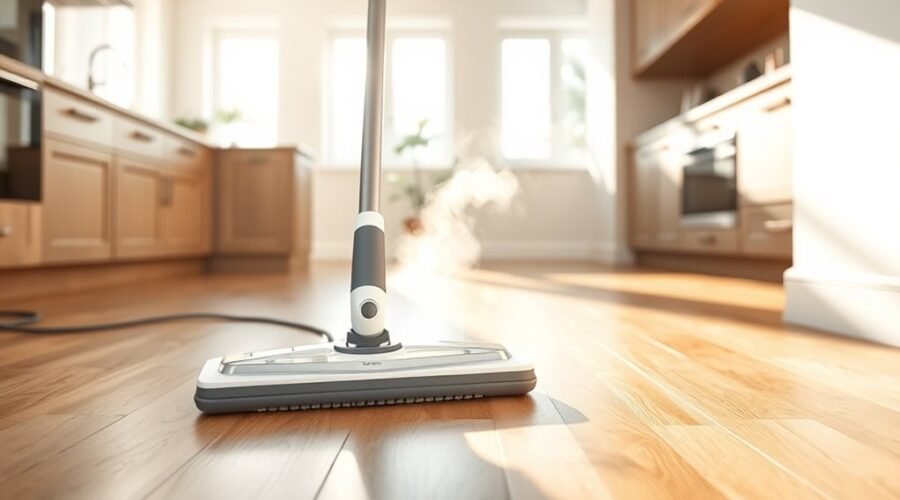
A steam mop uses heated water vapor and a microfiber pad to clean sealed floors with less effort than a traditional mop. It can lift dirt, reduce moisture, and cut the need for chemical cleaners. That makes it appealing for tile, vinyl, and some hardwood surfaces. Still, it is not ideal for every floor type or every mess, which raises a few important questions about where it works best.
What Is a Steam Mop?
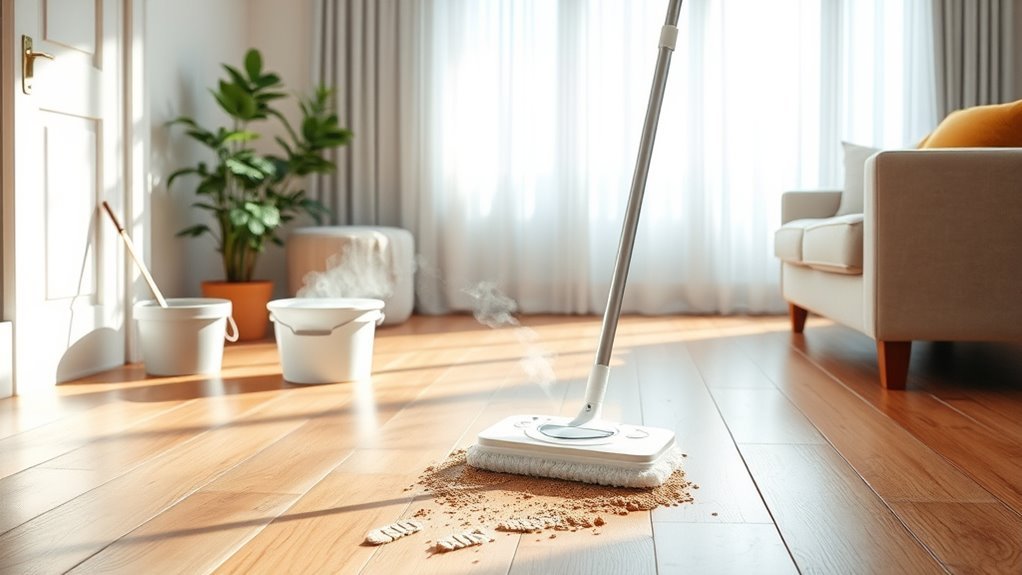
A steam mop is a floor cleaning device that uses heated water vapor to loosen dirt and sanitize surfaces without relying on traditional cleaning chemicals. It directs steam through the mop head, softening grime so a microfiber pad can lift debris while leaving little moisture behind.
This design supports strong cleaning performance on sealed hard surfaces and can help remove stains from busy rooms without extra product layers. For households seeking cleaner routines, a steam mop offers a practical path toward sanitizing floors with less residue and less dependence on harsh supplies.
Many models heat up quickly, some in about 30 seconds, making them useful for fast, efficient upkeep. In homes with children or pets, that speed and simplicity can matter.
Used correctly, the steam mop delivers a focused, chemical-light approach to floor cleaning that fits modern needs for control, cleanliness, and ease.
Which Floors Work Best With a Steam Mop?
Steam mops work best on sealed hard floors, including tile, grout, sealed hardwood, laminate, and vinyl, where high-temperature steam can loosen dirt and help reduce bacteria without harming the surface.
Steam mops work best on sealed hard floors like tile, laminate, and vinyl, loosening dirt without surface damage.
These compatible surfaces let steam mops deliver efficient cleaning results with less effort and fewer chemicals. They are especially useful in busy homes where children and pets track in daily mess.
Unsealed wood floors, unglazed ceramic tiles, and porous stone should be avoided, because moisture and heat can cause warping, staining, or surface damage.
For treated or no-wax floors, a small hidden test area is wise before full use.
Vacuuming first improves cleaning results by removing grit and debris, helping the mop glide evenly and reducing oversaturation.
When the floor is sealed and stable, steam mops can support cleaner, more liberated living by simplifying routine care and reducing reliance on harsh products.
When Does a Steam Mop Beat a Regular Mop?
A steam mop often beats a regular mop when deep cleaning is needed, especially on sealed hard floors where it can lift dirt and sanitize with less water left behind.
Its wider head can also cover more floor in less time, making it useful for faster cleaning of larger areas.
For stubborn stains and built-up grime, it typically outperforms a traditional mop.
Deep Cleaning Power
When deep-cleaning sealed hard floors, a steam mop often has the edge over a regular mop because high-temperature steam loosens dirt and grime without relying on detergent alone.
A steam mop helps users deep clean with greater cleaning power on sealed surfaces, reducing dependence on harsh chemicals. It is especially useful for removing stains such as coffee and mustard, where heat can break up residue more effectively than plain water.
Regular vacuuming before use improves results and supports a streak-free finish.
- Steam can sanitize by killing some bacteria.
- Traditional mops may still be needed for sticky spills like jam.
- Good maintenance keeps performance consistent and practical.
Faster Floor Coverage
Beyond deep cleaning, floor-care speed can also favor steam mops in routine use. A steam mop with a wider head can deliver faster floor coverage across open rooms, boosting cleaning speed without extra passes.
Many steam mops also simplify the task by removing the bucket, wringing, and dirty-water routine that slows work with traditional mops. That streamlined setup supports a more direct path from start to finish.
Because they leave minimal moisture, floors dry sooner, reducing wait time and allowing spaces to return to use quickly. In regular maintenance, this can feel liberating, especially on hard floors that need frequent attention.
Still, steam mops are not built for large spills, so a traditional mop or vacuum remains the better tool when mess volume rises.
Better For Stains
Steam mops often beat regular mops on stubborn stains because high-temperature steam helps loosen dirt and grime before wiping, making them especially useful on coffee, mustard, and other set-in spots. Their heat can clean and sanitize without heavy scrubbing, giving floors a freer, fresher finish.
- Wide heads help steam mops cover stained areas quickly.
- Less moisture means fewer streaks and cleaner results.
- Heat supports better bacteria reduction on routine messes.
For best results, they suit deep-cleaning tasks and moderate spills on sealed floors. They are less useful for large liquid spills, where a traditional mop or vacuum may be more effective.
When the goal is to remove stains while using less water, steam mops offer a practical edge over regular mops.
Where Do Steam Mops Fall Short?
Despite their convenience, steam mops have clear limits. Steam mops handle routine floor care, but they are not suited to every job. They do not absorb large spills, so excess liquid still needs a vacuum or standard mop.
They should also stay off unsealed wooden floors and laminate, where heat and moisture can weaken adhesive and cause warping. Claims about bacteria-killing capabilities should be viewed carefully: with soap, traditional mops can perform similarly because both can move bacteria onto the mop head.
Performance varies across models, and testing has found some with weak stain removal or inconsistent steam production. They also depend on a power outlet, and cord length can restrict movement.
For households seeking freedom from wasted effort, these limits matter. Choosing the right tool for the surface and mess keeps cleaning efficient, safer, and less frustrating.
How Do You Use a Steam Mop?
Before steam cleaning, the floor should be swept or vacuumed to remove loose dirt and debris. The tank should be filled with distilled water.
The mop can then be plugged in, set to the proper heat level, and allowed to warm up before use.
During cleaning, it should glide across the floor in slow, steady strokes so the steam can work effectively without leaving excess moisture behind.
Prepare the Floor
A steam mop works best on a floor that has already been cleared of loose dirt and debris, so sweeping or vacuuming first is an essential step.
To prepare the floor, remove grit that can block steam from reaching the surface and reduce cleaning power. Fill the tank with distilled water to help prevent mineral buildup and support steady performance.
Next, choose steam settings that suit the flooring; delicate surfaces need less heat, while tougher ones can handle more.
- Clear corners and edges first.
- Check for debris under rugs or furniture.
- Test settings on a hidden spot.
Once ready, the user can glide the mop with control, then let the floor air dry for a clean, free finish.
Glide and Dry
With the floor prepped and the steam level set for the surface, the mop can be guided in slow, steady strokes across sealed flooring such as tile, grout, or sealed hardwood.
Distilled water in the tank helps the steam work cleanly while reducing mineral buildup. The mop should glide without force, letting heat and moisture loosen residue instead of scrubbing hard.
Stubborn spots may need a brief pause so the steam can penetrate and lift dirt. Cleaning solutions are usually unnecessary, since water and heat do the work.
Once the pass is complete, the floors should be left to air dry.
Afterward, the mop head should be washed and dried so the tool stays ready for the next round of cleaning and freedom from grime.
Can You Use a Steam Mop on Hardwood Floors?
Steam mops can be used on sealed hardwood floors only when the manufacturer confirms they are compatible, since heat and moisture can damage wood that is unsealed or unfinished.
For those seeking a freer, low-chemical cleaning routine, steam mops on sealed hardwood floors can help maintain cleanliness when handled carefully. Before full use, test an isolated area to check for dulling, lifting, or swelling.
The mop should move quickly and avoid oversaturating the surface, because excess moisture can weaken adhesive and invite warping. Distilled water is preferred, as it limits mineral buildup and supports better performance over time.
- Confirm finish compatibility in the floor care guide.
- Use light passes, not lingering heat.
- Stop if the wood shows any reaction.
Used responsibly, steam mops offer a practical path to cleaner floors without harsh residue, while preserving the integrity of the wood.
How Much Does a Steam Mop Cost?
Prices for steam mops typically start around $50 and can climb into the several-hundred-dollar range, though most fall between $100 and $200. For shoppers seeking practical freedom from labor-heavy cleaning, this cost range is straightforward: entry-level steam mops may begin near $44.97, while premium models often rise above $200. Price usually tracks features such as multiple steam settings, larger water tanks, or stronger build quality.
| Tier | Typical Price | What It Offers |
|---|---|---|
| Budget | $45-$100 | Basic steam mops, fewer features |
| Midrange | $100-$200 | Balanced features and value |
| Premium | $200+ | Advanced controls, larger tanks |
Promotions and discounts can lower the price on popular models. Although steam mops cost more than traditional mops, they may deliver long-term savings by reducing reliance on chemical cleaners.
Are Steam Mops Safe and Hygienic?
When used correctly, steam mops can be a safe, hygienic option for sealed hard floors because high-temperature steam can kill 99.99% of bacteria without harsh chemicals.
For tile, vinyl, and sealed hardwood, steam mops are safe and can sanitize sealed hard floors while helping remove dirt and stains. They are not suitable for unsealed or porous surfaces, where moisture can cause damage.
Results improve when users vacuum or sweep floors first, since loose debris can block contact and reduce efficiency.
Regular care also matters: clean mop pads often and use distilled water to enhance hygiene and extend mop life.
- Steam mops are safe only on sealed surfaces.
- They reduce reliance on harsh chemicals.
- Good prep and maintenance improve performance.
How Do You Choose the Best Steam Mop?
Choosing the best steam mop starts with matching the model to the floor surface, since only sealed hard floors such as tile and sealed hardwood are suitable. For floor compatibility, avoid unsealed wood, laminate, vinyl, and porous stone, where heat and moisture can cause damage.
Review steam mops for ease-of-use ratings, because lightweight bodies, swivel heads, and straightforward controls reduce effort and support cleaner routines. Adjustable steam settings matter too; they let the user increase output for sticky spots or lower it for delicate sealed surfaces, improving cleaning efficiency.
Tank size also deserves attention. A larger refillable tank means longer sessions and fewer interruptions, which is useful in larger rooms. Quick heating times add convenience.
Price should be compared with features, since steam mops range from budget-friendly to premium. Promotions can make strong models more accessible, helping users choose equipment that supports cleaner spaces and greater everyday freedom.
Frequently Asked Questions
Is Steaming Floors Better Than Mopping?
Steam mopping is often better for sanitizing; one test found up to 99.9% of germs reduced. The steam mop benefits include higher steam cleaning efficiency, while floor sanitization methods and steam mop maintenance guide practical mopping alternatives and cleaning product comparisons.
When Should You Not Use a Steam Mop?
A steam mop should not be used on unsealed wood, porous stone, unglazed tile, or spill-heavy messes. These steam mop limitations reflect floor types, safety concerns, and common misconceptions; proper maintenance tips preserve cleaning efficacy and freedom.
Where Does the Dirt Go When You Steam Clean?
The dirt goes into the microfiber pad, where steam technology loosens grime for dirt removal, improving cleaning efficiency and floor sanitization. This method lowers environmental impact, while maintenance tips include washing pads after each use.
What Floors Can You Not Use a Steam Mop On?
Unsafe floors include hardwood floors, laminate surfaces, carpeted areas, unsealed tiles, vinyl planks, and sensitive finishes. A stitch in time saves nine; manufacturers’ guidance should be checked, since moisture can warp, seep, or weaken materials.
Conclusion
To sum up, a steam mop offers a practical, chemical-free way to clean sealed hard floors, using heat and a microfiber pad to lift dirt efficiently. It works best on tile, vinyl, and properly sealed hardwood, but it is not ideal for unsealed, delicate, or moisture-sensitive surfaces. Choosing the right model depends on floor type, budget, and cleaning needs. Used correctly, a steam mop can be a hygienic, time-saving alternative to a regular mop.