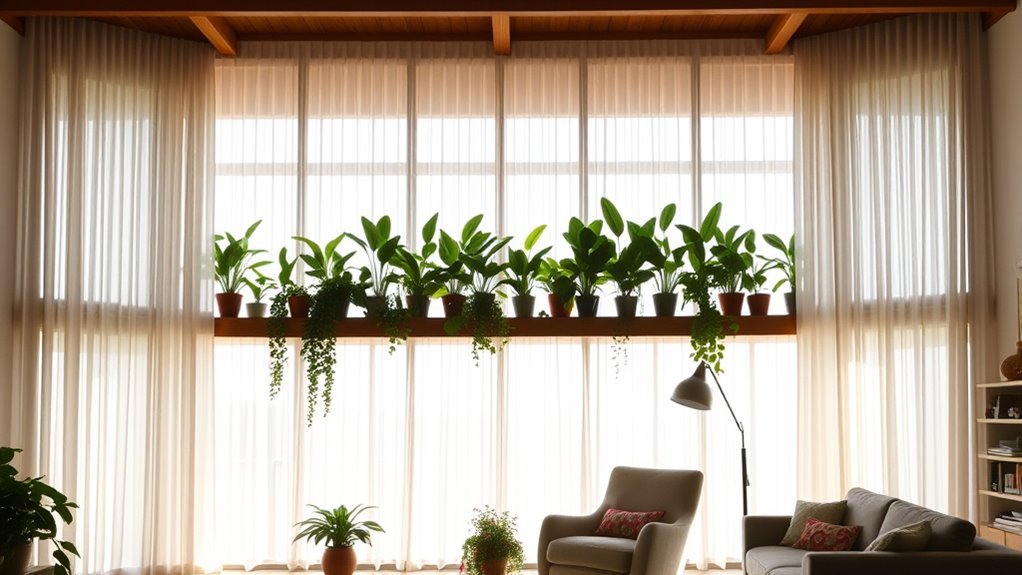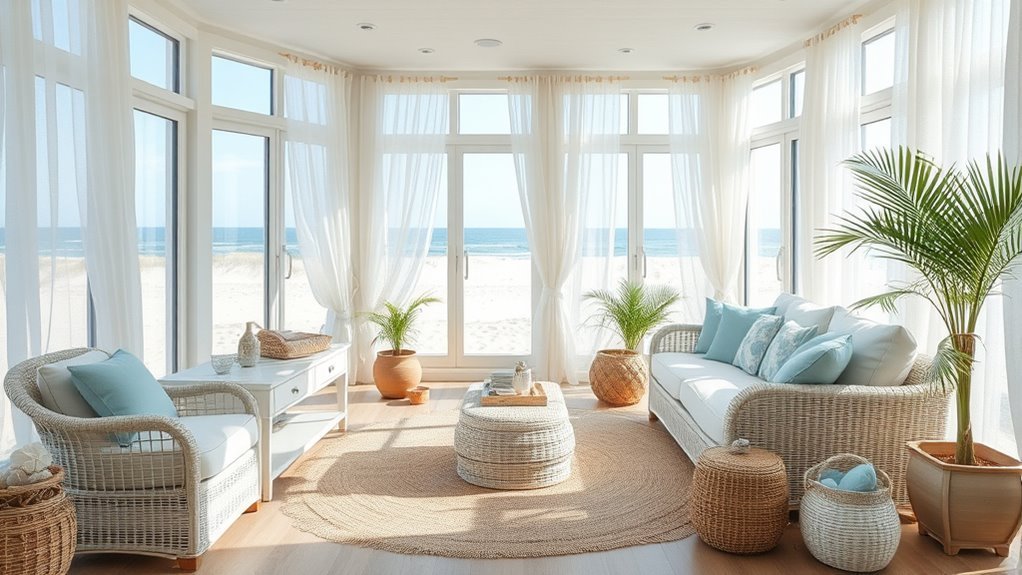
Coastal living room style brings the calm, open feeling of the shoreline into your home without turning the room into a beach souvenir shop. The look works best when you combine soft ocean-inspired colors, natural textures, comfortable seating, and a few carefully chosen nautical or seaside accents. Whether you live near the water or far inland, the goal is a bright, relaxed room that feels easy to use every day.
Quick Answer
Coastal living room style is a light, relaxed decorating approach inspired by the sea, sky, sand, and natural shoreline textures. Use whites, soft blues, sandy neutrals, woven materials, weathered wood, comfortable seating, and restrained nautical accents to create a calm room that feels breezy, practical, and timeless.
Key Takeaways
- Start with a soft base of white, cream, sand, warm beige, pale blue, misty gray, or sea-glass green.
- Layer natural materials such as linen, cotton, rattan, jute, wicker, seagrass, and weathered wood for texture.
- Choose comfortable, casual furniture first, then add coastal accents sparingly so the room does not feel themed.
- Use window treatments that filter light, reduce glare, and protect the room from unwanted heat gain.
- For family-friendly coastal style, prioritize washable slipcovers, performance fabrics, sturdy tables, and easy-to-clean rugs.
At a Glance
| Time Required | A few hours for styling updates; one weekend for paint, furniture rearranging, and textile changes |
| Difficulty | Beginner-friendly |
| Tools Needed | Paint swatches, measuring tape, fabric samples, rug pad, curtain hardware, and a simple room plan |
| Cost | Low to high: refresh with pillows and art, or invest in new upholstery, rugs, and lighting |
What Defines Coastal Living Room Style?
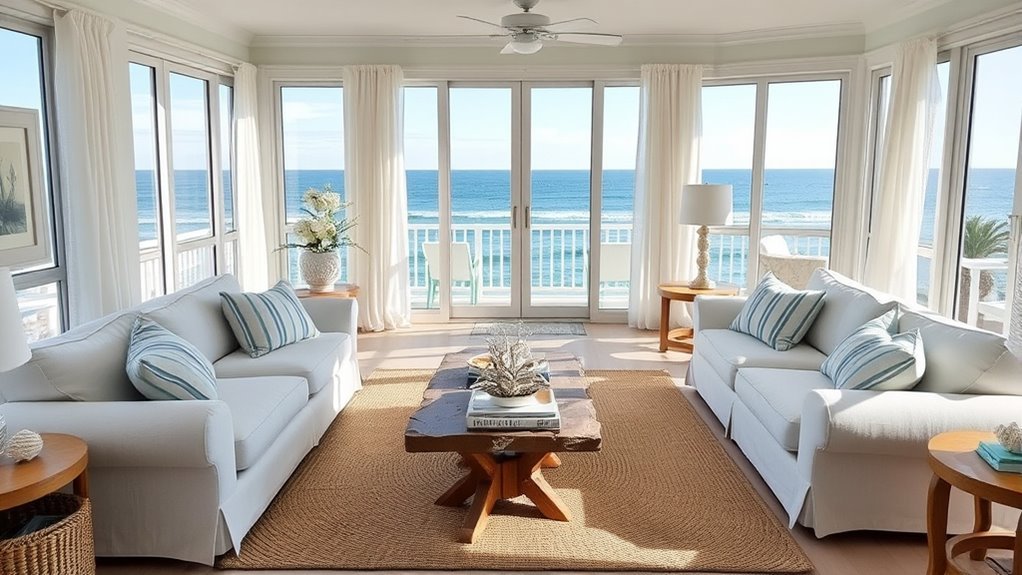
A coastal living room is defined by light, comfort, and a connection to nature. Instead of relying on obvious beach signs, the best coastal rooms borrow from the colors and textures of the shoreline: pale sky blue, warm white, driftwood gray, sandy beige, seagrass tan, and soft green.
The style usually includes comfortable seating, relaxed fabrics, natural fibers, and plenty of light. Slip-covered sofas, woven chairs, weathered wood tables, linen curtains, and textured rugs all help create the easy mood associated with coastal homes.
The key is restraint. A few shells, a seascape print, a rope detail, or a blue-and-white stripe can work beautifully. Too many themed pieces can make the room feel more like a gift shop than a calm living space.
Key Characteristics of Coastal Decor
Coastal decor balances freshness with comfort. It should feel clean and airy, but not cold. It should feel casual, but not messy. Use these core elements as your guide:
- Soft color palettes: whites, creams, sandy neutrals, soft blues, pale grays, sea-glass greens, and occasional navy accents.
- Natural materials: linen, cotton, jute, rattan, wicker, seagrass, cane, and weathered or whitewashed wood.
- Relaxed furniture: deep sofas, slipcovers, woven accent chairs, round coffee tables, and pieces with softened edges.
- Layered texture: woven rugs, nubby pillows, baskets, ceramic lamps, wood trays, and lightweight curtains.
- Edited accents: coastal artwork, shells, coral shapes, glass floats, driftwood, nautical maps, or striped textiles used in small doses.
Note: Coastal style does not require a beach house. The same palette and materials can make an apartment, suburban home, or city living room feel lighter and calmer.
Best Color Palettes for Coastal Living Rooms
To create the right coastal mood, begin with the colors you would see in a natural shoreline setting. Whites and warm neutrals keep the room bright, while blues and greens add the ocean-inspired character.
| Coastal Color | Description |
|---|---|
| Soft Ocean Shades | White, cream, pale blue, misty gray, and seafoam |
| Maritime Blues | Navy, denim, slate blue, and deep indigo accents |
| Dune-Grass Greens | Sage, olive, eucalyptus, and muted green-gray |
| Sandy Neutrals | Warm beige, oat, ivory, driftwood gray, and tan |
For a classic look, pair white walls with blue accents and woven textures. For a softer modern coastal room, use warm white, oatmeal, pale gray, and natural wood. For a bolder space, try navy walls or a navy built-in balanced by crisp white upholstery and lighter rugs.
Pro Tip: Test paint colors at different times of day. A blue that looks soft in morning light can turn cold at night, while a warm white can look yellow in a room with little natural light.
Popular Materials and Textures for Coastal Spaces
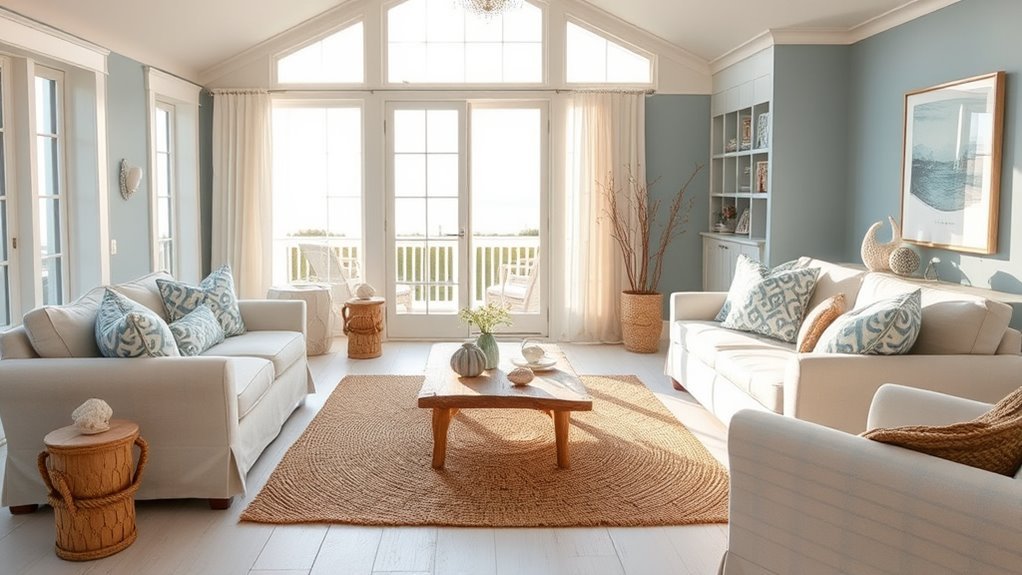
Natural materials and textures are what keep a coastal living room from looking flat. A room with white walls, a white sofa, and white curtains can feel plain until you add woven, matte, and weathered finishes.
Use linen or cotton for pillows and curtains, jute or wool for rugs, rattan or wicker for accent chairs, and weathered wood for tables or shelving. Ceramic lamps, glass vases, seagrass baskets, cane cabinet doors, and textured throws can add depth without making the room feel crowded.
If you are painting, refinishing furniture, or buying new upholstered pieces, consider indoor air quality. The U.S. Environmental Protection Agency notes that volatile organic compounds can come from products such as paints, varnishes, waxes, building materials, and furnishings. Choose low-odor or low-VOC options when possible, follow product directions, and ventilate well during and after projects.
Tips for Incorporating Nautical Elements
Nautical details can add charm, but they work best as accents rather than the main theme. Start with maritime colors like navy, white, tan, and weathered gray. Then add one or two details that hint at the sea.
| Decor Elements | Textiles | Artwork |
|---|---|---|
| Ropes | Striped throw pillows | Marine life scenes |
| Anchors | Area rugs | Sailboats |
| Seashells | Linen curtains | Beach landscapes |
| Driftwood accents | Textured throws | Nautical maps |
For a refined coastal room, choose one lead motif. For example, use striped pillows and a seascape painting, but skip anchors, rope lamps, shell garlands, and boat paddles all in the same space. This keeps the room calm and grown-up.
Maximizing Natural Light in Coastal Rooms
A bright room is central to the coastal look, but natural light still needs to be managed. Too much direct sun can create glare, fade fabrics, and heat the room. Window coverings can help control daylight, glare, privacy, and comfort, according to the U.S. Department of Energy’s guidance on energy-efficient window coverings.
Open Space Design
Use your layout to make the room feel open. Pull furniture away from windows when possible, avoid blocking sightlines with tall pieces, and choose tables and chairs with lighter visual weight.
- Keep window areas clear: Avoid heavy furniture directly in front of windows so light can move through the room.
- Use light wood tones: Pale oak, whitewashed wood, and driftwood finishes add warmth without making the room feel heavy.
- Choose breezy fabrics: Linen, cotton, and sheer panels soften the light while keeping the room relaxed.
Light-Reflecting Surfaces
Light-reflecting surfaces can help a coastal room feel brighter. Try a mirror opposite or near a window, a glass lamp base, a pale ceramic lamp, or a light-colored ceiling. These choices move light around the space without adding clutter.
For rooms with strong sun, consider woven shades, lined curtains, shutters, or adjustable blinds. In summer, closing coverings on windows that receive direct sun can help reduce heat gain, while opening coverings on shaded windows can keep the room bright.
Inspiring Coastal Living Room Design Examples
There is more than one way to design a coastal living room. The right version depends on your home, light, location, and furniture style.
Coastal Color Schemes
Try one of these coastal color schemes:
- Classic blue and white: White walls, navy pillows, striped textiles, and warm wood furniture.
- Soft neutral coastal: Cream walls, beige upholstery, jute rug, pale oak tables, and muted blue artwork.
- Modern coastal: Warm white walls, black or brass accents, sculptural lighting, and minimal nautical decor.
- Organic coastal: Sand, stone, driftwood gray, sage green, woven shades, and handmade ceramics.
Textures and Materials
A strong coastal room layers several textures. Pair a smooth slipcovered sofa with a nubby throw, a jute or wool rug, a rattan chair, and a weathered wood coffee table. Add a few polished accents, such as glass or ceramic, so the room does not become too rustic.
If the room feels too plain, add pattern. Stripes, block prints, subtle checks, and small-scale botanicals can all work. Keep the palette controlled so the patterns feel collected rather than busy.
Furniture Choices for a Coastal Aesthetic
Creating a coastal living room starts with furniture that supports everyday comfort. Choose pieces that feel relaxed, durable, and easy to live with.
The best coastal rooms are comfortable first and themed second. Let the sofa, rug, and lighting do most of the work before adding seaside accents.
- Slip-covered sofas: Linen or cotton-look slipcovers in white, cream, beige, pale blue, or gray create an easy, washable foundation.
- Weathered wood tables: Driftwood, whitewashed, or reclaimed-style finishes add coastal character without needing extra decor.
- Woven seating: Wicker, rattan, cane, or seagrass chairs bring texture and a relaxed indoor-outdoor feeling.
- Round or oval tables: Soft edges improve traffic flow and make family seating areas feel more casual.
- Storage pieces: Use woven baskets, closed cabinets, and media consoles to keep the room from looking cluttered.
How to Make a Living Room Look Coastal
If you are starting from scratch, follow this simple order. It prevents the room from becoming too themed too quickly.
- Choose the base palette. Pick one main neutral, one coastal accent color, and one wood or woven tone.
- Set the anchor furniture. Start with the sofa, rug, coffee table, and main chairs before buying small decor.
- Add texture before pattern. Bring in jute, linen, cotton, rattan, wicker, cane, or weathered wood.
- Layer lighting. Use table lamps, floor lamps, and soft-shaded fixtures instead of relying only on overhead light.
- Add coastal accents last. Use artwork, shells, glass, rope, stripes, or maps in small amounts.
- Edit the room. Remove anything that feels too literal, too cluttered, or too matchy-matchy.
Warning: Avoid using every coastal symbol at once. Anchors, shells, rope, paddles, coral, signs, and navy stripes can compete with each other and make the room feel staged instead of relaxed.
Creating a Family-Friendly Coastal Living Room
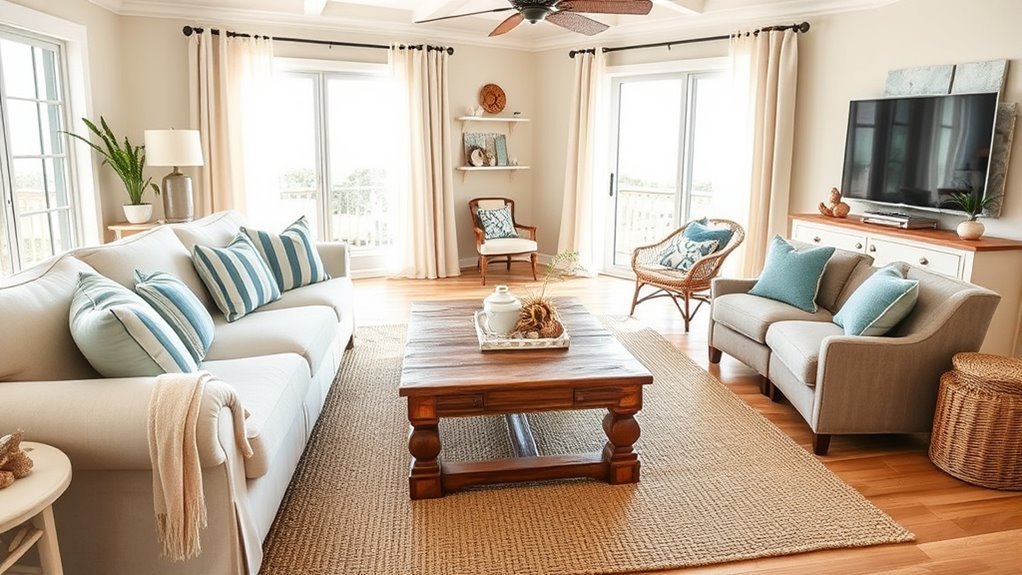
A family-friendly coastal living room should be bright and relaxed, but it also needs to handle spills, shoes, pets, and everyday mess. Start with washable slipcovers or performance upholstery, then add a rug that can tolerate traffic.
Use white or light walls for freshness, then bring in varied wood tones and woven accents so the room does not feel sterile. Patterned blue-and-white pillows are a simple way to add color while keeping the palette classic.
Arrange seating around a round coffee table or ottoman to encourage conversation and improve movement through the room. Personal touches, such as black-and-white beach photography or framed family travel photos, make the space feel lived-in instead of showroom-perfect.
Small-Space and Dark-Room Coastal Tips
Coastal style can work in small or low-light rooms if you scale the choices carefully.
- Use warm whites instead of stark whites: Warm whites keep a dark room from feeling gray or cold.
- Choose leggy furniture: Sofas and chairs with visible legs make the floor feel more open.
- Use one large rug: A larger rug can make the seating area feel more connected than several small rugs.
- Limit the palette: Use two or three main colors so the room feels calm.
- Hang curtains high: Mount curtain rods closer to the ceiling to make windows appear taller.
- Pick reflective accents: Mirrors, glass lamps, and pale ceramics help bounce light without adding visual weight.
Common Coastal Decor Mistakes to Avoid
The coastal look is simple, but it can go wrong when the theme becomes too obvious. Avoid these common mistakes:
- Too many beach signs: One playful sign can work; several can feel cliché.
- Only blue and white: Add sand, cream, wood, green, or gray to give the room more depth.
- No texture: A coastal room needs woven, matte, nubby, or weathered surfaces to feel warm.
- Over-distressed furniture: Too many chipped finishes can make the room look artificial.
- Ignoring comfort: A pretty coastal room still needs good seating, soft lighting, and practical surfaces.
- Using tiny decor everywhere: Choose fewer, larger accents for a cleaner look.
How to Maintain a Relaxed Atmosphere in Your Coastal Space
To maintain a relaxed coastal space, keep the room edited, comfortable, and easy to clean. Use a soothing color palette, but rely on texture and light to keep it interesting.
- Refresh textiles seasonally: Swap heavy throws for cotton or linen in warm months, and add cozy layers in cooler months.
- Clean woven materials gently: Dust rattan, wicker, cane, and seagrass regularly so texture looks intentional rather than neglected.
- Manage moisture: In humid homes, use ventilation, air conditioning, or a dehumidifier when needed. EPA guidance recommends keeping indoor humidity below 60 percent where possible, ideally between 30 and 50 percent, to help control moisture and mold risk.
- Keep accents edited: Leave some open surfaces so the room feels calm and breathable.
- Choose practical whites: If you love white upholstery, use washable slipcovers or durable performance fabric.
Frequently Asked Questions
What defines coastal living room style?
Coastal living room style is defined by light colors, natural textures, comfortable furniture, and decor inspired by the sea, sky, sand, and shoreline. Common elements include white or neutral walls, blue accents, linen textiles, woven materials, weathered wood, and carefully edited nautical details.
What is considered coastal living?
Coastal living is a relaxed way of decorating and living that takes inspiration from the water, beach, dunes, and natural outdoor textures. In a living room, that usually means an airy layout, easy-care fabrics, natural materials, soft colors, and a calm, uncluttered mood.
How do you make a room look coastal?
Make a room look coastal by starting with a light neutral base, adding blue or green accents, choosing natural textures like rattan and jute, using comfortable furniture, and finishing with a few seaside-inspired accents. Keep the decor edited so the space feels calm rather than themed.
What is the difference between coastal and beachy decor?
Coastal decor is usually softer, more refined, and more nature-inspired. Beachy decor is often more casual, colorful, and theme-heavy, with obvious motifs like flip-flops, surfboards, signs, and seashell collections. Coastal rooms can include beach elements, but they use them with more restraint.
Can coastal style work in a small living room?
Yes. Use warm white walls, compact furniture with visible legs, one large light-colored rug, sheer curtains, and a limited palette. Add texture through baskets, pillows, and woven shades instead of filling the room with small coastal decorations.
What colors should you avoid in a coastal living room?
You do not have to avoid bold colors completely, but very dark, heavy, or neon colors can fight the calm coastal mood if they dominate the room. If you love strong color, use it as an accent with plenty of white, sand, wood, and woven texture for balance.
Conclusion
Incorporating coastal living room style is about creating a space that feels light, comfortable, and connected to nature. Start with a calm palette, add natural textures, choose furniture you actually want to relax in, and use nautical accents with restraint. With the right mix of soft color, practical materials, layered lighting, and edited decor, your living room can feel like a coastal retreat without losing everyday function.
Sources
- U.S. Department of Energy — Energy Efficient Window Coverings — supports guidance on daylight control, glare reduction, heat gain, comfort, and window treatments.
- U.S. Environmental Protection Agency — Volatile Organic Compounds’ Impact on Indoor Air Quality — supports low-VOC, ventilation, paint, finish, furnishing, and indoor air quality guidance.
- U.S. Environmental Protection Agency — A Brief Guide to Mold, Moisture and Your Home — supports moisture and humidity maintenance guidance for coastal and humid interiors.