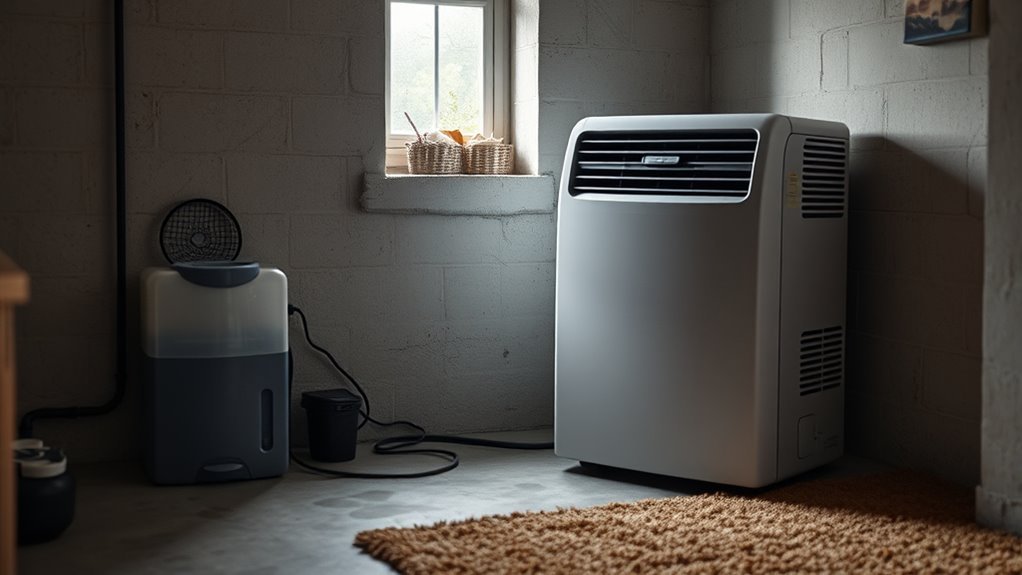
Determining whether are dehumidifiers worth it comes down to one measurement: your indoor relative humidity. A dehumidifier is worth buying if your home regularly sits above 50% humidity, smells musty, collects condensation on windows, grows mold, or makes indoor laundry take days to dry. It removes excess moisture from the air so rooms feel fresher, drier, and easier to heat. However, it is a moisture-management appliance, not a structural fix: it will not repair active leaks, remove existing mold, or cure rising damp on its own.
Quick Answer
Yes, a dehumidifier is worth it when indoor relative humidity regularly exceeds 50%—especially in basements, bathrooms, laundry areas, or poorly ventilated homes with window condensation and musty odors. Size the unit to your room, set the humidistat between 30% and 50%, and repair any water leaks first.
Last checked: October 14, 2026. Dates and figures were verified against official sources.
Key Takeaways
- Target 30% to 50% humidity: Keeping relative humidity below 60% prevents mold spores from germinating and curbs dust mite growth.
- Low running costs: A typical 250W portable unit costs about 6.6p per hour in the UK (at the October 2026 cap of 26.32p/kWh) or 4.6¢ per hour in the US (at 18.31¢/kWh).
- Cheaper indoor laundry drying: Drying a wash load with a dehumidifier typically costs 16p to 55p (11¢ to 38¢), beating standard vented or condenser tumble dryers.
- Match technology to room temperature: Compressor units are most efficient above 65°F (18°C), while desiccant models excel in unheated garages and rooms below 50°F (10°C).
- Fix water ingress first: Plumbing leaks, roof damage, flooding, and mold patches larger than 10 square feet (1 m²) require physical repair and safe remediation.
Is a Dehumidifier Worth It?
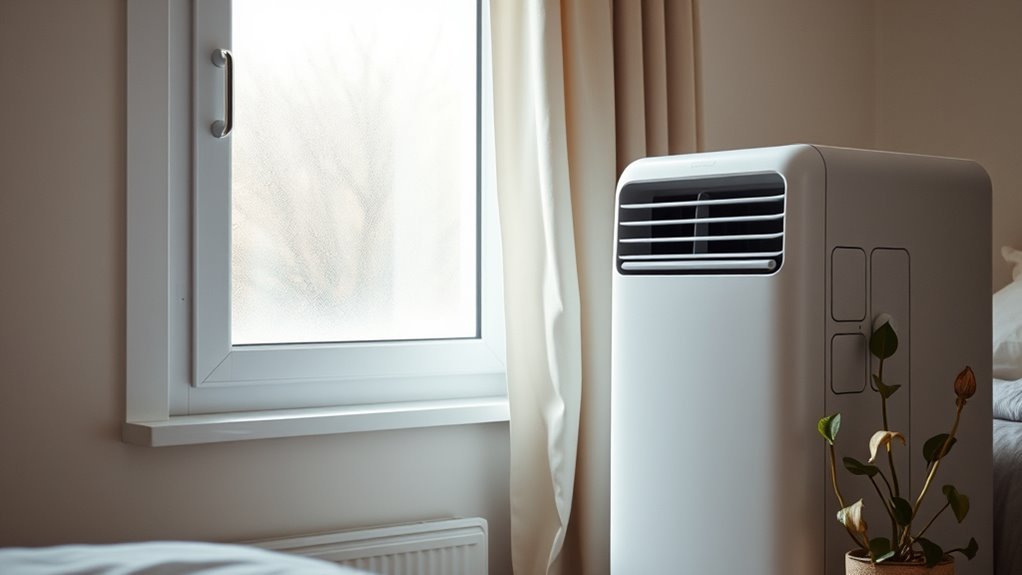
A dehumidifier is worth it if your home frequently feels clammy or a digital hygrometer shows indoor humidity staying above 50%. The ideal target for most homes is 30% to 50% relative humidity, and strictly below 60%, which keeps surfaces dry enough to stop condensation and prevent mold growth.
You will get the highest return on investment in basements, windowless bathrooms, laundry rooms, crawl-space-adjacent rooms, older homes with uninsulated exterior walls, and humid coastal or rainy climates. Even a mid-sized portable unit ($150 to $350 / £120 to £280) can prevent thousands of dollars or pounds in ruined clothing, warped woodwork, and drywall damage.
Warning: A dehumidifier is not a leak repair tool. If you have roof leaks, plumbing leaks, flooding, sewage backup, or damp walls that reappear after rain, fix the water source first. Wet building materials must be dried within 24 to 48 hours to stop mold from colonizing.
Conversely, a dehumidifier is not worth buying if your indoor humidity already stays below 40%, your home feels dry, or a single localized issue—such as a broken bathroom extractor fan or an unvented clothes dryer—is causing the moisture. Upgrading kitchen and bathroom exhaust fans or repairing a leaky gutter is often the smarter first step.
What Does a Dehumidifier Do?
A dehumidifier extracts excess water vapor from the air to keep indoor humidity at a stable, healthy level. Most household refrigerant (compressor) models use a fan to pull moist room air across cold evaporator coils, condensing airborne moisture into liquid water that drips into a removable bucket or drains through a hose before reheated, drier air flows back into the room.
Lowering indoor humidity stops airborne moisture from settling on cold window panes, exterior corners, and uninsulated pipes. While the appliance cannot scrub existing mold stains off walls, removing excess moisture starves mold spores and dust mites of the damp environment they need to multiply.
Most modern portable units include a built-in digital humidistat. Once you set a target percentage—such as 45% or 50%—the compressor automatically cycles off when the room reaches that level and restarts only when humidity rises, cutting electricity consumption significantly.
Signs You Need a Dehumidifier
You likely need a dehumidifier if you can see, smell, or measure lingering dampness indoors. Because air can feel uncomfortable before visible damage appears, check your rooms for these warning signs:
- Morning window condensation: Water droplets, fogging, or beading along window glass, frames, cold walls, toilet tanks, or cold-water pipes.
- Persistent musty odors: A stale, earthy smell in basements, wardrobes, bathrooms, or closed spare bedrooms caused by microbial volatile organic compounds (mVOCs) from mildew.
- High hygrometer readings: Indoor relative humidity regularly measuring above 50% to 60%.
- Slow-drying fabrics: Indoor laundry, bath towels, or bedsheets that stay damp for more than 24 hours.
- Moisture damage to finishes: Peeling paint, blistering wallpaper, dark water spots, swollen wooden doors, or cupped floorboards.
- Recurring surface mildew: Black, green, or white spots returning on bathroom grout, window sills, or leather shoes after cleaning.
- Worsening respiratory symptoms: Dust mite allergies, congestion, or asthma flare-ups that intensify in damp rooms.
The most accurate way to confirm a humidity problem is with a digital hygrometer ($10 to $25 / £8 to £20). Check readings in the morning and evening over three to five days. Consistently seeing 50% to 60% means a dehumidifier will improve comfort; sustained readings above 60% mean you should dehumidify immediately while inspecting for hidden leaks or blocked vents.
How Dehumidifiers Help Damp Homes
Dehumidifiers protect damp homes by stripping excess water vapor out of the air before it can soak into porous building materials. Controlling ambient moisture prevents condensation on cold surfaces, protects furniture and electronics, and stops the biological cycle behind mold and dust mites.
Recommended Products

DON'T JUST COVER UP ODORS, ELIMINATE THEM: DampRid Lavender Vanilla Hanging Moisture Absorbers attract and trap excess moisture from the air, eliminating musty odors and creating fresher, cleaner air. Includes three - 16-ounce bags.

OUR FASTEST ACTING MOISTURE ABSORBER: DampRid Reusable Moisture Absorber with 4 Drop-In Tablets is designed to go to work immediately, attracting and trapping excess moisture, eliminating musty odors, and creating cleaner, fresher air.

ELIMINATES MUSTY ODORS & FRESHENS AIR: Keep rooms smelling fresh with Arm & Hammer Essentials Hanging Moisture Absorbers. Musty odors? Give it the Hammer. Includes three 17.5 oz. Linen Fresh bags.
Spotting Damp Problems
Running a dehumidifier alongside a hygrometer helps you distinguish between everyday lifestyle moisture and structural water ingress. Everyday activities—such as four family members breathing, showering, cooking, and drying clothes—can release 15 to 25 pints (7 to 12 litres) of water vapor into a home every day.
If running a dehumidifier drops room humidity below 50% and stops window sweating within a day or two, trapped airborne moisture was the primary culprit. However, if a damp wall patch spreads after heavy rain or a localized floor area stays wet near plumbing, you are dealing with penetrating damp, rising damp, or a pipe leak that requires physical repair.
Lowering Indoor Humidity
For year-round comfort, set your dehumidifier to maintain 45% to 50% relative humidity. Following CDC mold prevention guidance to keep indoor humidity no higher than 50% all day long prevents both mold spore germination and dust mite proliferation.
During freezing winter weather, you may need to lower your target to 35% to 40% relative humidity. Cold outdoor temperatures chill window glass and exterior wall corners, causing indoor moisture to condense at lower humidity levels than in summer. Avoid pushing humidity below 30%, as overly dry air can irritate nasal passages, dry out skin, and shrink wooden floors.
Pro Tip: Keep interior doors and exterior windows closed in the room you are treating. Leaving windows open forces the appliance to continuously process outdoor humidity, wasting electricity without drying your walls or fabrics.
Reducing Mold and Condensation
Mold spores exist naturally in all indoor air, but they cannot grow without moisture. When warm, humid indoor air touches a cold surface—such as an uninsulated north-facing wall or single-glazed window—the air cools to its dew point and deposits liquid water, creating an ideal breeding ground within 24 to 48 hours.
If you already have visible mold on hard surfaces covering less than 10 square feet (about 3 feet by 3 feet, or 1 m²), scrub it clean with water and detergent—or a diluted solution of no more than 1 cup of household laundry bleach in 1 gallon of water—and dry the area thoroughly. Never mix bleach with ammonia or other cleaners. For mold areas larger than 10 square feet, mold inside wall cavities or HVAC ducts, or sewage-contaminated water, hire a qualified remediation professional.
Why Dehumidifiers Make Laundry Easier
A dehumidifier speeds up indoor laundry drying by continuously pulling evaporated water out of the room and blowing dry air across wet fabrics. A single load of spin-dried washing still holds roughly 2 to 5 pints (1 to 2.5 litres) of water, which otherwise saturates the surrounding air and stalls drying.
Drying a load of laundry on an airer with a dehumidifier typically takes 4 to 6 hours and costs 16p to 55p in the UK (11¢ to 38¢ in the US)—beating the ~66p cost of a standard vented or condenser tumble dryer while protecting gentle fabrics from high heat.
To dry clothes indoors as quickly and cheaply as possible:
- Give clothes an extra spin cycle: Spinning laundry at 1,200 to 1,400 RPM in the washing machine removes far more water mechanically than evaporation takes using electricity.
- Space garments on an airer: Leave a gap of at least 1 to 2 inches (2.5 to 5 cm) between items so dry air can circulate through the fabric.
- Position the unit close by: Place the dehumidifier 1.5 to 3 feet (0.5 to 1 meter) from the clothes rack with its dry air outlet aimed toward the laundry, keeping intakes unobstructed.
- Select laundry mode: Use continuous or laundry mode for 4 to 6 hours in a small, closed room (such as a utility room or spare bedroom).
- Avoid drying clothes directly on radiators: Covering radiators blocks home heating efficiency and dumps litres of water vapor into the room, driving condensation onto cold windows and walls.
Do Dehumidifiers Make Rooms Feel Warmer?
A dehumidifier is not a space heater, but it does make a damp room feel noticeably warmer and more comfortable. First, removing excess moisture eliminates the clammy, conductive chill of damp air and fabrics. Second, the mechanical work of the compressor or desiccant heater converts electrical energy + latent heat from condensing water vapor into sensible heat.
In a closed room, a compressor dehumidifier typically raises the surrounding air temperature by 1°F to 3°F (0.5°C to 1.5°C), while a desiccant dehumidifier can warm the room by 5°F to 10°F (3°C to 5°C). In summer, lowering humidity reduces the heat index so your air conditioner does not have to work as hard; in winter, dry air takes slightly less energy to keep comfortable alongside your regular heating system.
Portable or Whole-House Dehumidifier?
Choosing between a portable compressor unit, a desiccant unit, a thermoelectric mini unit, or a whole-house system depends on your room temperature and how widespread the humidity is. Use a portable unit for targeted damp rooms or rented homes, and consider a ducted whole-home system only if humidity exceeds 55% across the entire property.
| Dehumidifier Type | Best For & Ideal Temp | Typical Cost & Wattage | Main Trade-Off |
| Portable compressor | Heated bedrooms, living rooms, laundry rooms, warm basements above 65°F (18°C) | $150–$450 (£120–£350); 150W–480W | Bucket emptying, heavier weight (24–40 lbs / 11–18 kg), loses efficiency below 60°F (15°C) |
| Portable desiccant | Unheated garages, cellars, conservatories, cold rooms down to 34°F (1°C) | $180–$380 (£150–£300); 300W–650W | Higher electricity draw per hour, though quieter (35–40 dB) and lighter (13–15 lbs / 6–7 kg) |
| Thermoelectric (Peltier) | Tiny enclosed closets, wardrobes, or cabinets under 150 sq ft (14 m²) above 59°F (15°C) | $40–$90 (£35–£75); 20W–60W | Very low extraction (0.25–0.75 pints / 120–350 ml per day); too weak for whole rooms |
| Whole-home ducted | Consistently high humidity across the entire house with central HVAC ductwork | $1,100–$3,500 installed; 500W–900W | High upfront cost and requires professional HVAC sizing and permanent drain routing |
If only one or two rooms feel damp, start with a portable compressor or desiccant unit. Reserve a whole-home system for houses in warm, humid climates where every room stays above 55% RH despite proper ventilation.
Recommended Products

Semiconductor dehumidifiers use thermoelectric cooling to remove moisture from the air. They create a drier, more comfortable environment by reducing humidity and improving air quality.

32-Pint Daily Capacity for Spaces up to 2,500 Sq. Ft. — Designed to manage ambient moisture in large living spaces, finished basements, and storage areas. This unit removes up to 32 pints of water vapor every 24 hours under test conditions of 95°F and 90% RH, helping promote a more balanced indoor air environment across areas up to 2,500 sq. ft

3 Smart Modes for Every Space — Whether you need everyday moisture control, faster clothes drying, or continuous protection in damp areas, this dehumidifier has you covered. DEHU mode maintains your ideal living room humidity. DRY mode speeds up drying delicate clothes indoors. CONT mode runs nonstop for basements, crawl spaces, and any area that never seems to dry out. All adjusted with a single tap on the LED touchscreen.
What Does a Dehumidifier Cost to Run?
A typical portable household dehumidifier costs between 4p and 17p per hour in the UK (or 3¢ to 11¢ per hour in the US) while its compressor or heater is actively running. Your exact cost depends on three numbers: the appliance’s power draw in watts, your electricity rate per kilowatt-hour (kWh), and the hours of active operation:
Running cost = (Watts ÷ 1,000) × Electricity price per kWh × Hours run
The table below compares realistic running costs using the October–December 2026 UK tariff where Ofgem caps average electricity unit rates at 26.32p per kWh, alongside the U.S. Energy Information Administration (EIA) residential electricity rate of 18.31¢ per kWh:
| Example Unit & Power Draw | Cost Per Hour (UK 26.32p / US 18.31¢) | Cost for 4 Hours (Laundry Load) | Est. Monthly Cost (6 hrs/day active) |
| 150W compact compressor (10L–12L / 20-pint) | 3.9p / 2.7¢ | 15.8p / 11.0¢ | £7.11 / $4.94 |
| 250W mid-size compressor (20L / 35-pint) | 6.6p / 4.6¢ | 26.3p / 18.3¢ | £11.84 / $8.24 |
| 480W large basement compressor (30L+ / 50-pint) | 12.6p / 8.8¢ | 50.5p / 35.2¢ | £22.74 / $15.82 |
| 600W desiccant unit (high/turbo setting) | 15.8p / 11.0¢ | 63.2p / 43.9¢ | £28.43 / $19.77 |
To keep electricity bills low, look for a model with a high Integrated Energy Factor (IEF)—measured in litres of water removed per kilowatt-hour (L/kWh)—and use the built-in humidistat so the compressor shuts off automatically once your target humidity is reached.
Common Dehumidifier Drawbacks
Even the most efficient dehumidifier comes with practical trade-offs in noise, upkeep, and floor space. Before buying one, weigh these seven drawbacks against your moisture problem:
- Compressor and fan noise: Standard compressor models produce 42 to 55 dB—similar to a refrigerator hum or moderate rainfall—which can disturb light sleepers in bedrooms.
- Regular tank and filter maintenance: Water buckets typically hold 4 to 12 pints (2 to 6 litres) and must be emptied daily in damp rooms unless you attach a continuous drain hose; air filters also need rinsing every 2 to 4 weeks.
- Ongoing electricity cost: Running a high-capacity or desiccant unit continuously on maximum mode can add $15 to $30 (£12 to £28) per month to your utility bill.
- Slight room warming: Exhaust air exits a few degrees warmer than room temperature, which helps in winter but can feel uncomfortable in unairconditioned rooms during summer heatwaves.
- Risk of over-drying: Setting the humidistat below 30% RH can cause dry skin, scratchy throats, static electricity, and shrinkage in hardwood floors or musical instruments.
- Single-room airflow limits: Portable units cannot pull moisture around tight hallway corners or through closed doors.
- Masking structural defects: Drying the air can temporarily hide the symptoms of a leaking pipe, bridged damp-proof course, or cracked roof tile without fixing the underlying damage.
Which Dehumidifier Is Right for Your Home?
Choosing the right dehumidifier depends on your room’s square footage, starting dampness level, and winter temperature. Extraction capacity is measured in pints per 24 hours in the US (tested by the DOE at 65°F / 18.3°C and 60% RH) and litres per 24 hours in the UK and EU (often tested at a warmer 86°F / 30°C and 80% RH, meaning a 20L UK unit corresponds roughly to a 25- to 35-pint US unit).
| Home Situation & Area | Recommended Daily Capacity | What to Look For |
| Small bedroom or office (up to 500 sq ft / 46 m²) | 20–30 US pints / 10–12 litres | Quiet operation (under 40 dB), digital humidistat, display-off sleep mode |
| Laundry room or medium flat (500–1,200 sq ft / 46–111 m²) | 30–40 US pints / 16–20 litres | Dedicated laundry mode, upward louver airflow, timer, washable dust/HEPA filter |
| Basement or very damp space (1,200–2,500 sq ft / 111–232 m²) | 50–70 US pints / 25–35 litres | Continuous drain hose port (or built-in condensate pump), auto-defrost, auto-restart |
| Unheated garage or cellar (below 50°F / 10°C) | 8–10 litre desiccant unit | Desiccant rotor technology, hose attachment, frost-free low-temperature operation |
| Whole-home humidity (2,000+ sq ft / 186+ m²) | 65–185 US pints / 30–87.5 litres | Professional HVAC ductwork integration, dedicated humidistat, permanent drain line |
According to ENERGY STAR dehumidifier guidance, standard compressor coils can develop frost whenever room temperatures fall below 65°F (18°C), causing the unit to cycle off repeatedly without removing water. For chilly spaces between 50°F and 65°F (10°C and 18°C), choose a compressor model with an automatic defrost sensor; for spaces regularly below 50°F (10°C), buy a desiccant dehumidifier.
Recommended Products

🍃Advanced Small Dehumidifier for Home: Designed for lasting home use, our bathroom dehumidifier works gently and steadily to maintain a balanced humidity level. The large 44 OZ (1.3L) water tank minimizes emptying frequency. Suitable for dorm room, camper, apartment, room, office and living room. No more dampness-just fresh, comfortable air everywhere

High Efficient Dehumidification: this dehumidifier for home is equipped with Thermo-Electric Peltier semiconductors & a 25 oz (750 ml) water tank, dehumidifier could absorb up to 16 oz(450 ml/D) of water in a humid environment of 86°F and 80% RH. You no longer need to endure humid days and just enjoy a comfortable living environment

【Powerful Moisture Absorption】 : MORFY dehumidifiers for room home adopts semiconductor condensation technology ,Maximum dehumidification area Up to 600 sq. ft dehumidifier removes 27oz(800ml) day (86°F, 80% RH) depending on moisture condition,Quickly reduce the humidity of the room and dries the air. Help you improve air quality and create a healthier, more comfortable living environment.
How to Use a Dehumidifier Effectively
Proper placement and airflow habits can cut your dehumidifier’s runtime in half while extracting more moisture. Position the appliance on a level floor with at least 8 to 12 inches (20 to 30 cm) of clearance around all air grilles, away from curtains, furniture, and water splashes.
- Set a smart target: Start at 50% RH in summer and 40% to 45% RH in winter if condensation forms on windows.
- Pull furniture off cold walls: Leave a 2- to 3-inch (5 to 8 cm) air gap behind wardrobes, sofas, and beds placed against exterior walls so dry air can circulate behind them.
- Clean the intake filter monthly: A dust-clogged filter restricts airflow, forces the compressor to run longer, and raises electricity use.
- Wash the water tank every 2 weeks: Rinse the collection bucket with warm soapy water so biofilm and mold do not grow inside the unit.
- Route continuous drain hoses safely: Ensure gravity hoses slope downward evenly without kinks and sit well clear of extension cords or electrical outlets.
Note: If a large tank fills to capacity multiple times every day after the first week of drying out a room, your space likely has an active moisture source. Inspect crawl spaces, subflooring, gutters, and plumbing pipes for hidden water entry.
When a Dehumidifier Is Not Enough
A dehumidifier cannot solve structural building defects or severe biological contamination. Call a licensed plumber, building surveyor, or mold remediation specialist if you encounter any of the following conditions:
- Active water ingress: Damp patches on ceilings, chimney breasts, or walls that darken after rainfall.
- Rising or penetrating damp: Tide marks up to 3 feet (1 meter) above floor level, crumbling plaster, or white powdery salt deposits (efflorescence) on masonry.
- Widespread mold growth: Visible mold covering an area larger than 10 square feet (about 1 m²).
- Contaminated water damage: Any flooding involving sewage backup, groundwater, or standing water present for more than 48 hours.
- HVAC or hidden cavity mold: Musty odors coming directly from heating/cooling vents or suspected mold behind drywall and under soaked carpets.
- Chronic respiratory flare-ups: Persistent coughing, wheezing, or shortness of breath that worsens at home. As American Lung Association guidance on weather and airways explains, both overly humid air (which breeds mold and dust mites) and overly dry air can irritate sensitive lungs and trigger asthma or COPD symptoms.
Frequently Asked Questions
What are the downsides of a dehumidifier?
The main downsides are fan and compressor noise (typically 40 to 55 dB), electricity costs, daily bucket emptying, regular filter cleaning, and the risk of over-drying the air below 30% RH. A dehumidifier also cannot repair water leaks, cure rising damp, or scrub existing mold off walls.
Should you use a dehumidifier if you have COPD?
Yes, a dehumidifier can help if high indoor humidity (above 50%), mold spores, or dust mites make your breathing feel heavy or trigger flare-ups. Keep indoor relative humidity between 35% and 50% so the air does not become irritatingly dry, and consult your respiratory clinician for personalized guidance.
How much does it cost to run a dehumidifier for 4 hours?
Running a dehumidifier for 4 hours costs about 16p to 51p in the UK (at 26.32p/kWh) or 11¢ to 35¢ in the US (at 18.31¢/kWh) for standard 150W to 480W compressor models. Multiply your unit’s wattage divided by 1,000 by your electricity rate per kWh and by 4 hours.
Are dehumidifiers good for dry scalp?
No, a dehumidifier will not help a dry scalp and can make dry skin or scalp flaking worse if it pushes indoor humidity below 30% to 40%. Run a dehumidifier only when indoor humidity exceeds 50%, and use its humidistat to prevent over-drying the room.
Can a dehumidifier remove mold?
No, a dehumidifier cannot kill or remove existing mold already growing on walls, ceilings, or fabrics. It stops new mold from spreading by keeping indoor humidity below 50%, but existing mold must still be physically cleaned and any underlying water leaks fixed.
What humidity setting should I use?
Set your dehumidifier between 45% and 50% relative humidity for general year-round comfort and mold prevention. During cold winter weather, lower the target to 40% to 45% if condensation continues forming on cold windows, but avoid dropping below 30%.
Is it cheaper to dry clothes with a dehumidifier or a tumble dryer?
Yes, drying a wash load on an airer with a dehumidifier typically costs 16p to 55p in the UK (11¢ to 38¢ in the US) over 4 to 6 hours, compared with roughly 66p (46¢) for a standard vented or condenser tumble dryer.
Conclusion
So, are dehumidifiers worth it? Yes—when high indoor humidity is the real problem. A properly sized unit stops morning window condensation, eliminates musty odors, dries indoor laundry for pennies per load, and keeps relative humidity in the safe 30% to 50% range where mold and dust mites cannot thrive.
Before buying one, check your problem rooms with an inexpensive digital hygrometer and rule out active roof or plumbing leaks. Once you match a compressor or desiccant model to your room size and temperature and let the built-in humidistat manage runtime, a dehumidifier is one of the most cost-effective upgrades you can make for a damp home.
Sources
- U.S. Environmental Protection Agency: A Brief Guide to Mold, Moisture and Your Home: 30% to 50% relative humidity target, 24-to-48-hour drying window, and the 10-square-foot DIY mold cleanup limit.
- Centers for Disease Control and Prevention: Mold: Keeping indoor humidity no higher than 50% all day and safe hard-surface mold cleaning guidance.
- ENERGY STAR: Dehumidifiers: 65°F (18°C) coil frost threshold, Integrated Energy Factor (L/kWh) efficiency ratings, and portable vs. whole-home sizing.
- Ofgem: Energy Price Cap: UK electricity unit rate context (26.32p/kWh for October–December 2026) and appliance usage calculations.
- U.S. Energy Information Administration: Electric Power Monthly: Average U.S. residential retail electricity price (18.31¢/kWh in 2026).
- American Lung Association: Weather and Your Lungs: Effects of high humidity and overly dry air on COPD, asthma, and airway irritation.