
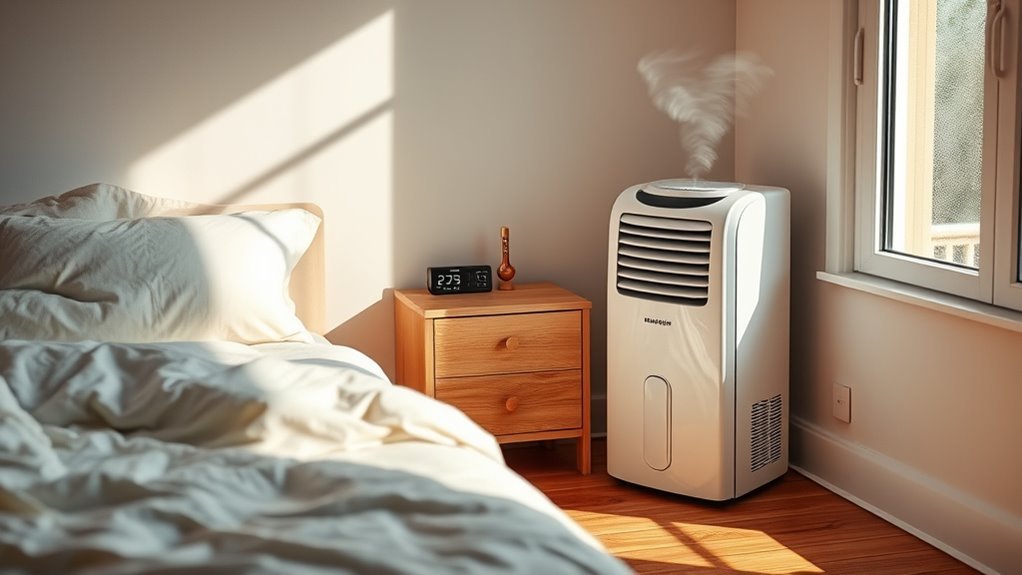
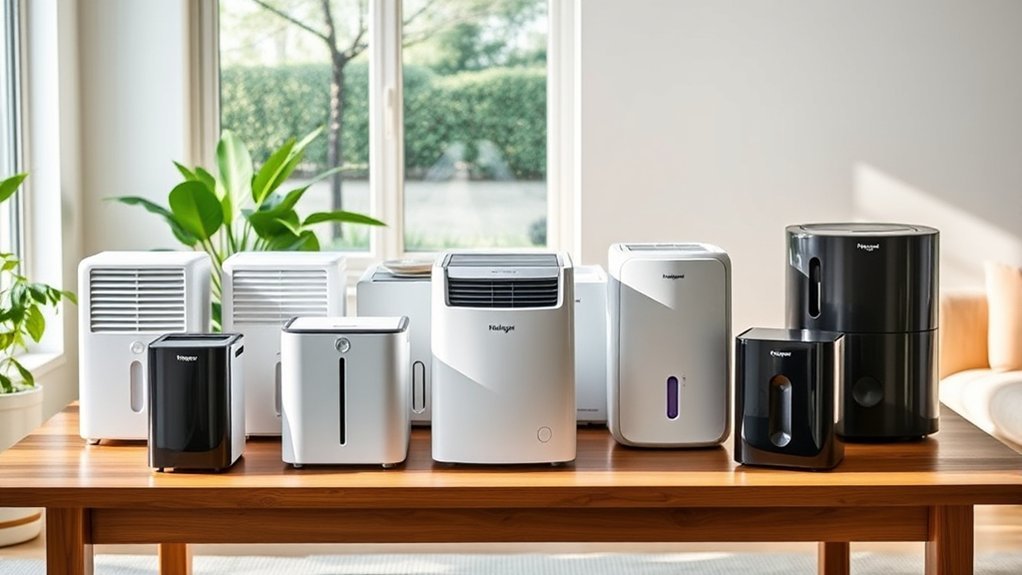
A dehumidifier can make a room warmer, even though the air may feel less damp and more comfortable. The unit cools humid air enough to collect water, then passes the drier air over warm components before returning it to the room. Mild warmth is normal, but smoke, a burning smell, melting plastic, or repeated electrical shutdowns are not.
Quick Answer
Yes. A portable dehumidifier normally releases air that is warmer than the air entering it and may slightly raise the room temperature. It removes moisture on a cold coil, reheats the dry air, and adds heat from its compressor, motor, and fan. Warm exhaust is normal; burning odors, smoke, or repeated shutdowns require immediate attention.
Key Takeaways
- A self-contained dehumidifier removes moisture but does not remove heat from the room.
- The outlet air may be a few degrees warmer, but the actual room-temperature increase varies by model, room size, power use, and runtime.
- Desiccant dehumidifiers generally add more noticeable warmth than compressor models because they use an internal heater.
- Keep exterior doors and windows closed while the unit runs, and use an indoor fan if you need better air circulation.
- Unplug the unit if you notice smoke, sparking, melting, a burning odor, or repeated breaker trips.
Why Dehumidifiers Make Rooms Warmer
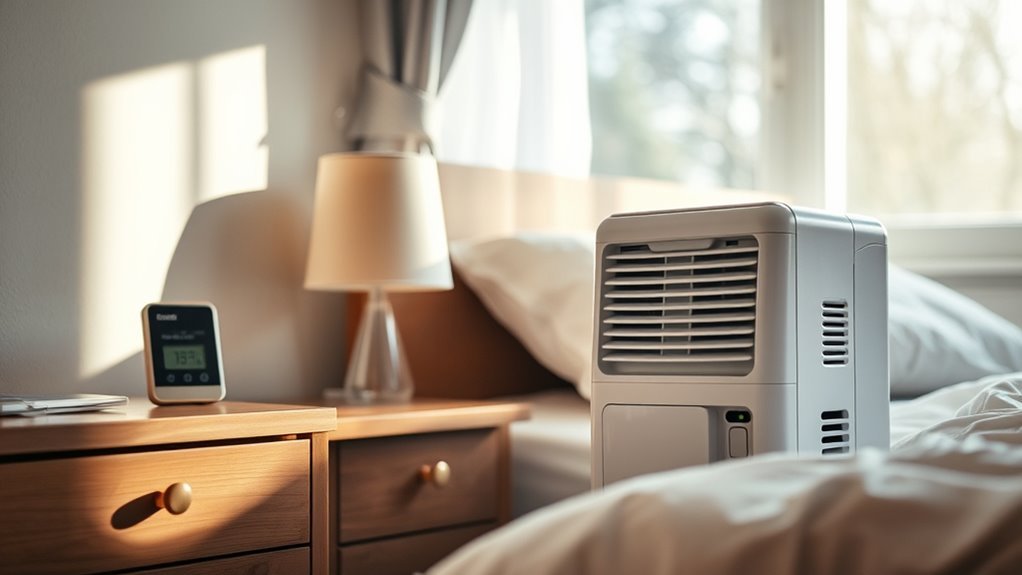
A compressor dehumidifier contains both a cold evaporator coil and a warm condenser coil. Humid room air first passes over the evaporator, where water condenses. The air then moves across the condenser and returns to the room warmer and drier.
Unlike a window or central air conditioner, a portable dehumidifier does not send its condenser heat outdoors. Both sides of the refrigeration system remain inside the room. The compressor, motor, and fan also consume electricity, and most of that energy eventually becomes heat inside the space.
ENERGY STAR notes that the air around a working dehumidifier may be warmer than the surrounding area. This is expected and does not automatically mean the appliance is defective.
A portable dehumidifier can make a room drier and less muggy, but it is not a room-cooling appliance.
How Dehumidifiers Produce Heat
The warming comes from the refrigeration cycle, the condensation of water vapor, and the electricity used by the appliance. These processes happen inside one cabinet, so the heat remains in the room unless the appliance is part of a ducted system designed to reject heat elsewhere.
Compressor Heat Cycle
A compressor dehumidifier uses the same basic refrigeration components found in many air conditioners and refrigerators. However, the arrangement is designed to collect moisture rather than cool the occupied room.
| Stage | What Happens |
|---|---|
| Air intake | A fan pulls warm, humid room air into the appliance. |
| Evaporator | The cold coil cools the air below its dew point. |
| Condensation | Water vapor becomes liquid water and drains into a bucket or hose. |
| Condenser | The now-drier air passes over a warm coil and is reheated. |
| Exhaust | Warmer, drier air returns to the same room. |
Keeping the filter clean and leaving the manufacturer’s required clearance around the intake and exhaust helps the cycle work efficiently. It does not eliminate normal heat output, but it prevents unnecessary airflow restriction.
Warm Air Exhaust
Warm air coming from a compressor dehumidifier is a normal operating result. GE Appliances explains that its dehumidifiers release warm or hot exhaust while actively removing moisture.
Some compressor models may release air only a few degrees warmer than the room, but there is no single temperature difference that applies to every appliance. Fan speed, compressor power, room temperature, starting humidity, and the location of the thermometer can all change the reading.
Note: The temperature directly at the exhaust grille is not the same as the average temperature of the entire room. Measure both room temperature and relative humidity several feet away from the appliance for a more useful comparison.
Latent Heat Release
When water vapor condenses on the cold evaporator coil, it releases latent heat. The refrigeration system carries that heat to the condenser, where it is returned to the air. The compressor, fan, and motor also add heat while consuming electricity.
The result is drier air with a higher sensible temperature near the exhaust. The room may still feel more comfortable because lower humidity can reduce the sticky or clammy feeling associated with damp air. However, a dehumidifier does not remove heat from the building.
Desiccant Dehumidifiers Usually Add More Heat
Desiccant dehumidifiers do not use a compressor or cold evaporator coil. They pass air across a moisture-absorbing material and use an internal heater to regenerate that material.
Because of that heater, a desiccant model generally produces warmer outlet air than a compressor model. Meaco states that desiccant exhaust can be significantly warmer, depending on the model and setting. This warmth can be useful in a cold garage, hallway, boat, or unheated room, but it may be uncomfortable in a warm bedroom during summer.
Is It Normal for a Dehumidifier to Warm the Air?
Yes. Slightly warmer exhaust and a modest rise in the temperature around the appliance are normal. The unit should also lower relative humidity, collect water when conditions are humid enough, and cycle according to its humidistat setting.
Warm air alone is not a reliable sign of failure. A better assessment considers whether the appliance is removing moisture, whether the fan has clear airflow, whether error codes appear, and whether there are electrical warning signs.
Pro Tip: Place a separate hygrometer and thermometer several feet from the dehumidifier. Record the temperature and humidity before starting it, then check again after one or two hours. Falling humidity with mild warming usually indicates normal operation.
How Much Can a Dehumidifier Raise Room Temperature?
There is no universal temperature increase for every room. The exhaust may feel noticeably warm at the grille while the average room temperature changes only slightly. In a small, closed room, the increase may be easier to notice.
The amount of warming depends on:
- Power consumption: A higher-wattage appliance adds heat faster while it runs.
- Room volume: A small room warms faster than a large basement or open floor plan.
- Runtime: Continuous mode or an undersized unit may run for long periods.
- Starting humidity: A very damp room can require extended operation during the first few days.
- Insulation and air movement: A well-insulated closed room retains heat, while circulation into adjacent indoor areas spreads it.
- Dehumidifier type: Desiccant models normally add more noticeable warmth than compressor models.
For this reason, a fixed 3–5°F rule should not be used to decide whether a unit is defective.
Recommended Products

High Efficient Dehumidifiers for Home: This compact 44oz dehumidifier efficiently removes excess moisture in rooms with 86°F and 80% RH, collecting up to 11.8oz (349ml) of water in 24 hours. It maintains an ideal humidity level of 45%-55% while operating at ultra-low energy consumption (24W/hour, 576W/day). Perfect for bedrooms, bathrooms, and small spaces.
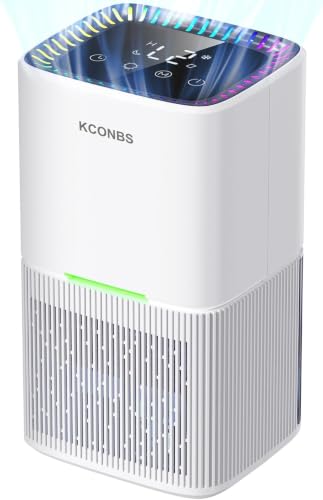
Two Dehumidification Modes and Fast Performance: This dehumidifier uses dual-mode condensation technology and features a highly efficient heat exchanger, combining high performance and versatility. At 30°C and 80% humidity, the electric dehumidifier absorbs 100 millilitres of moisture per day, quickly removing excess moisture to provide dry, fresh air and eliminate humidity

【Upgrade High Efficient Home Dehumidifier】PSOS dehumidifier utilize dual semiconductor condensation technology, ensuring quiet operation while effectively extracting moisture from the air. They create a drier, more comfortable environment by reducing humidity and improving air quality
Can Lower Humidity Make the Room Feel Cooler?
Lower humidity can make a room feel less muggy because perspiration can evaporate more easily. This may improve comfort even when the thermometer shows a small temperature increase.
However, a dehumidifier is not a substitute for air conditioning during hot weather. An air conditioner transfers indoor heat outdoors. A self-contained dehumidifier releases its heat back into the room.
You can run a dehumidifier with an air conditioner when indoor humidity remains high, but the added heat becomes part of the cooling load. In many homes, an efficient air conditioner or a properly designed whole-house dehumidifier is a better summer solution than running a portable dehumidifier continuously in an occupied bedroom.
What Causes a Dehumidifier to Blow Hot Air?
A dehumidifier may blow noticeably warm air for several normal or correctable reasons:
- Normal refrigeration: The condenser reheats the dry air before it returns to the room.
- Long compressor runtime: Continuous mode, high humidity, or an undersized unit can keep the compressor operating.
- A small or warm room: Heat becomes more noticeable when there is little room volume or indoor circulation.
- Restricted airflow: A clogged filter, blocked grille, nearby curtain, or insufficient clearance can raise operating temperatures and reduce moisture removal.
- Desiccant technology: An internal regeneration heater produces much warmer exhaust than most compressor units.
Warm exhaust is expected when water is collecting and humidity is falling. Excessive cabinet heat combined with poor moisture removal, error codes, electrical odors, or repeated shutdowns requires troubleshooting.
How to Reduce Dehumidifier Heat
- Choose a sensible humidity setting. For many homes, 40–50% relative humidity is comfortable. The EPA recommends keeping indoor humidity around 30–50% when practical.
- Avoid unnecessary continuous operation. Use the humidistat so the compressor cycles off after reaching the target.
- Keep exterior doors and windows closed while it runs. Outdoor air can bring in more moisture and force the appliance to run longer.
- Use an indoor fan for circulation. A fan can spread warm exhaust into a larger indoor area without introducing humid outdoor air.
- Maintain proper clearance. Follow the owner’s manual and keep curtains, furniture, walls, and stored items away from the intake and exhaust.
- Clean the filter regularly. Use the manufacturer’s cleaning schedule. Do not open the sealed refrigeration system or attempt refrigerant repairs yourself.
- Use the right capacity. Follow current ENERGY STAR sizing guidance based on the size and dampness of the area.
- Consider a different system for hot rooms. An air conditioner, ducted whole-house dehumidifier, or system that rejects heat outside may provide better summer comfort.
If the outdoor air is cooler and drier than the indoor air, temporary ventilation may help. Check outdoor humidity or dew point first, and avoid leaving a window open while the dehumidifier is trying to maintain a closed-room humidity target.
Recommended Products

Functions & Applications:Airflow: 540 CFM, ventilation type: air out. The Ventilator fan for damp crawl spaces, basement, attic and garage to reduce humidity. It can increase air circulation to stop condensation and wood rot. Also, used for exhausting vent radon gas, treating wood gases and odors, and preventing them from entering living spaces.

Use to control Humidifiers and Dehumidifiers

Dual Relay Outputs: This humidity controller features dual relay outputs for simultaneous connection to both a humidifier and dehumidifier; It controls humidity by setting target and differential values, automatically switching between humidification and dehumidification modes to maintain optimal humidity levels
When a Warm Dehumidifier Signals a Problem
Use the appliance’s overall behavior rather than one exhaust-temperature reading to decide whether something is wrong.
| Observation | What It Usually Means | Action |
|---|---|---|
| Warm exhaust, falling humidity, and water collection | Normal dehumidification | Continue monitoring the humidity setting. |
| Long runtime with humidity still above the setpoint | Heavy moisture load, open room, poor sizing, or air leakage | Close exterior openings, check sizing, and allow extra drying time. |
| Weak airflow or heavy frost | Dirty filter, blocked grille, cold-room operation, or fan problem | Turn it off, clean the accessible filter, check clearance, and consult the manual. |
| No water collection despite high measured humidity | Incorrect setting, low room temperature, frozen coil, sensor issue, or refrigeration fault | Verify conditions and settings, then seek service if performance does not improve. |
| Burning odor, smoke, sparking, melted plastic, or repeated breaker trips | Possible electrical or fire hazard | Switch it off, unplug it if safe, and stop using it. |
Warning: Stop using the dehumidifier immediately if it smokes, sparks, smells like burning wiring, melts around the plug, repeatedly trips the breaker, or becomes dangerously hot. Unplug it if you can do so safely. Do not remove the cabinet or repair refrigerant or electrical components unless you are qualified.
Check the brand, model number, and date code against the U.S. Consumer Product Safety Commission’s dehumidifier recall page. Some recalled units have been associated with overheating and fire hazards.
Recommended Products

COMPATIBILITY: Our DH02 HEPA filter compatible with Afloia (AQ8/Q8)/ Honati/ Hysure Q7/ Tenergy Sorbi 2-in-1 Air Purifier/Dehumidifier(1000ML) or please double check before order
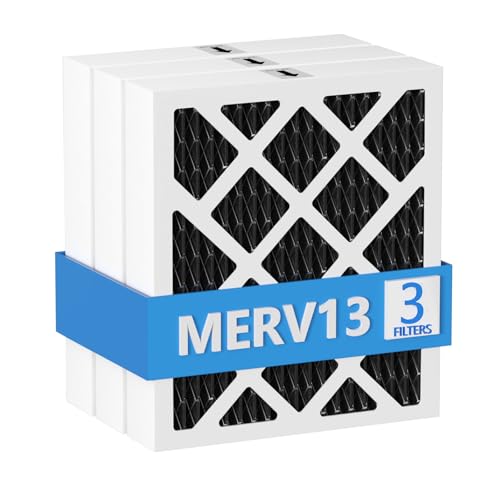
【Compatibility】 Our MERV 13 PN07126 Replacement Carbon Dehumidifier Filter Media is Compatible with Sanidry Sedona Dehumidifier PN07126 Replacement Filter.
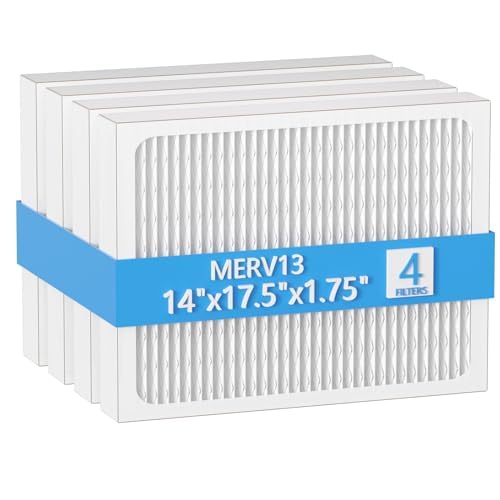
【Compatibility】 Our 14 x 17.5 x1.75 MERV 13 Replacement Dehumidifier Filter Media is Compatible with Honeywell DR90 & DR120 dehumidifier models.
Related Guides
Frequently Asked Questions
Why is my dehumidifier making my room hot?
The appliance returns condensation heat and heat from its compressor, fan, and motor to the room. The effect is more noticeable in a small, closed space or when the unit runs continuously. Use a realistic humidity setting, keep the filter clean, maintain clearance, and circulate the indoor air.
Should you use a dehumidifier if you have COPD?
A dehumidifier may help when high humidity, dampness, mold, or dust mites trigger your symptoms. It is not a COPD treatment, and air that becomes too dry may also feel uncomfortable. Monitor humidity and follow the environmental recommendations provided by your clinician. The COPD Foundation recommends addressing moisture and household triggers.
What are the downsides of using a dehumidifier?
Common downsides include added room heat, electricity use, fan and compressor noise, filter cleaning, bucket emptying, and the risk of making the air too dry. Portable units also require clear airflow and safe drainage. A correctly sized efficient model with a humidistat reduces unnecessary runtime.
Why does my house feel warmer after using a dehumidifier?
The dehumidifier keeps its condenser heat and electrical heat inside the house. The temperature may rise slightly, especially in a small or well-insulated area. At the same time, the drier air may feel less muggy, so comfort can improve even when the measured temperature increases.
Does a dehumidifier cool a room?
No. A dehumidifier can make the air feel less humid, but it normally adds heat to the room. An air conditioner cools by transferring indoor heat outdoors, while a portable dehumidifier releases its condenser heat back into the same space.
Can you run a dehumidifier and an air conditioner together?
Yes, when the air conditioner does not control humidity well enough. However, the air conditioner must remove the heat produced by the dehumidifier. Use a humidistat and avoid running both appliances continuously when the indoor humidity is already within the target range.
Conclusion
A dehumidifier normally makes its exhaust air warmer and can slightly raise the temperature of the room. That warmth comes from condensation, the condenser coil, and the electricity used by the compressor, fan, and motor.
Judge the appliance by more than the exhaust temperature. Warm air with falling humidity and normal water collection is usually expected. Restricted airflow, poor moisture removal, error codes, electrical odors, smoke, or repeated breaker trips require attention. Use a sensible humidity setting, maintain clear airflow, and treat the appliance as a moisture-control device rather than a room cooler.
Sources
- ENERGY STAR: Dehumidifiers — humidity targets, sizing, placement, efficiency, and normal room warming.
- U.S. Environmental Protection Agency: Improving Your Indoor Environment — indoor moisture control and recommended relative humidity.
- GE Appliances: Dehumidifier Exhaust Air Temperature — manufacturer guidance confirming that warm exhaust is normal.
- Meaco Dehumidifier Support — compressor and desiccant operation and the warmer output from desiccant models.
- U.S. Consumer Product Safety Commission: Dehumidifier Recalls — recalled models and overheating or fire-hazard warnings.
- COPD Foundation: Household COPD Triggers — moisture, mold, and indoor environmental considerations.

[…] a dehumidifier can make a room feel a little warmer, but it is not designed to work like a space heater. A compressor model cools humid air to condense […]
[…] Can a dehumidifier make a room warmer? […]
[…] A small room, closed basement, laundry area, or other space with limited air exchange may warm more noticeably. The effect can also become more obvious when the unit runs continuously because the room is very humid, the selected humidity is unusually low, doors or windows are open, or the dehumidifier is undersized for the moisture load. If your main concern is the temperature of the whole space rather than the appliance itself, see why a dehumidifier makes the room warmer. […]