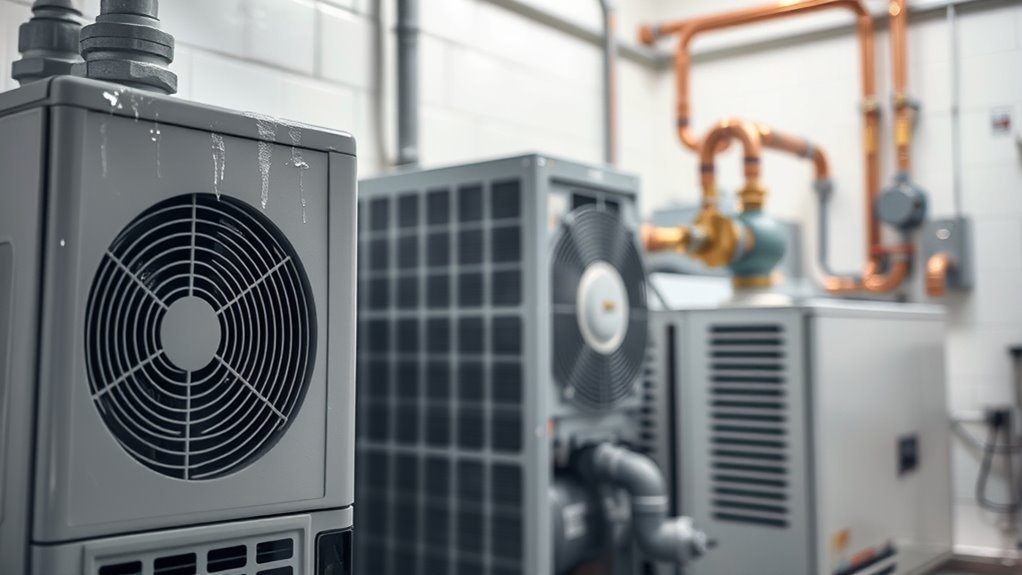
If your dehumidifier is blowing hot air, that is usually normal while it is actively removing moisture. Compressor models normally return mildly warmer, drier air to the room, while desiccant models can produce noticeably hotter exhaust because they use heat to regenerate their drying material. Warm air by itself is not a reliable sign of failure. Smoke, burning odors, melting, sparking, electrical heat damage, or repeated overload shutdowns are reasons to turn the unit off and unplug it.
Last updated: August 19, 2026. This update rechecked normal heat output, overheating signs, recall guidance, and compressor-versus-desiccant temperature examples against current manufacturer and U.S. safety sources.
Quick Answer
A compressor dehumidifier should normally blow warm air because its refrigeration cycle, compressor, and fan add heat to the air returned to the room. As one manufacturer example, Meaco describes compressor exhaust as about 2°C warmer than room air and desiccant exhaust as about 10–12°C warmer. Those figures are examples, not universal safety limits. Unplug the unit if you notice smoke, a burning smell, melting, sparking, or repeated overheating shutdowns.
Key Takeaways
- Warm exhaust is normal while a compressor dehumidifier is actively removing moisture.
- There is no single safe outlet-temperature rise that applies to every make and model.
- Manufacturer examples suggest desiccant dehumidifiers can release much warmer air than compressor models.
- A dirty filter, blocked grille, poor clearance, or continuous operation can increase heat, reduce airflow, and hurt performance.
- Smoke, melting, sparking, burning odors, or dangerous heat at the plug or outlet are not normal.
Why Is My Dehumidifier Blowing Hot Air?
Warm outlet air is a normal result of dehumidification. A compressor dehumidifier pulls humid room air across a cold evaporator coil, where water condenses. The air then passes across a warmer condenser coil before returning to the room. Heat from the compressor, fan, and other electrical components also remains indoors.
ENERGY STAR says the area directly around a working dehumidifier may become warmer as the appliance removes moisture. GE Appliances and Frigidaire likewise describe warm or hot exhaust as a normal part of active dehumidification.
That is different from a conventional air conditioner, which rejects much of its collected heat outdoors. A portable room dehumidifier keeps the moisture-removal system and its operating heat in the same space.
Do not judge the appliance by touch alone. Fast-moving air can feel cooler than still air, while a small outlet grille can make warm air feel concentrated. Check the unit type, room temperature, humidity trend, water collection, airflow, error display, and owner’s manual together.
How Hot Should Dehumidifier Air Be?
There is no universal outlet temperature or temperature rise that applies to every dehumidifier. The result depends on the appliance type, compressor load, fan speed, room temperature, humidity, airflow, and operating mode.
At a Glance
| Compressor Exhaust | Usually mildly warm. Meaco gives about 2°C above room temperature as a category example, not a universal limit. |
| Desiccant Exhaust | Can be much warmer. Meaco gives about 10–12°C above room temperature as an example because the process uses a heater. |
| Usually Normal | Strong airflow, humidity falling, water collecting when conditions are humid enough, and no burning odor, damage, or repeated fault codes |
| Stop and Unplug | Smoke, sparks, melting, scorching, burning insulation odor, electrical heat damage, or repeated overheating shutdowns |
Normal Exhaust Temperature
A compressor model should normally feel mildly warm while its compressor is running. In Meaco’s compressor-versus-desiccant guidance, compressor exhaust is described as about 2°C warmer than surrounding air, while desiccant exhaust may be about 10–12°C warmer. Those figures are useful examples, but they are not a safety specification for every brand or model.
- Let the appliance run in dehumidifying mode for 15–20 minutes.
- Measure the room or inlet-air temperature away from the outlet.
- Measure the outlet air without blocking the grille.
- Compare the result with the operating information in the owner’s manual.
- Confirm that humidity is falling or water is collecting when the room is humid enough for condensation.
Cabinet surfaces near the compressor or outlet may also feel warm. The power plug, wall outlet, and cord should not be discolored, melted, loose, sparking, scorched, or dangerously hot.
Signs of Excess Heat
Temperature alone is less useful than the combination of heat, airflow, sound, odor, and moisture-removal performance. Investigate the unit when you notice one or more of these signs:
- A burning or electrical odor
- Smoke, sparks, melted plastic, or discoloration
- A plug, cord, or wall outlet that becomes dangerously hot
- Weak airflow from the outlet
- Repeated overload or temperature-related error codes identified by your model’s manual
- Frequent shutdowns followed by difficult restarts
- Loud humming, clicking, grinding, or unusual vibration
- Little or no water collection in a clearly humid room
- Heavy ice that repeatedly returns after defrosting
Warning: Turn the dehumidifier off and unplug it if you see smoke, sparks, melting, scorching, or smell burning insulation. Check the model and serial number against the U.S. Consumer Product Safety Commission dehumidifier recalls before using it again. As one example of why this check matters, a 2023 CPSC recall involving affected Gree-manufactured models cited at least 23 fires and 688 overheating incidents.
Warm air with normal airflow and falling humidity is usually expected. Burning odors, smoke, melting, sparking, or repeated overload shutdowns are not.
Why Dehumidifiers Blow Warm Air
A compressor dehumidifier uses a refrigeration cycle similar to part of an air conditioner’s system, but it does not send the collected heat outdoors. Instead, the appliance returns the dried air and its operating heat to the same room.
- Humid room air enters through the intake grille.
- The cold evaporator coil cools the air below its dew point.
- Water condenses and drains into the bucket or hose.
- The air passes across the warm condenser coil.
- The fan sends warmer, drier air back into the room.
The electrical energy used by the compressor and fan also ends up as heat indoors. A small or enclosed room can therefore become noticeably warmer when the dehumidifier runs for long periods.
How to Tell if the Air Is Too Hot
Use the appliance’s overall behavior rather than your hand as the main test. Warm air with strong airflow, falling humidity, expected water collection, and no electrical or mechanical warning signs usually points to normal operation.
- Identify the type. Check whether the unit is a compressor or desiccant model.
- Check the mode. Continuous mode can keep the compressor running for long periods. Fan-only or defrost operation may produce room-temperature or cooler-feeling air.
- Measure the room. Use a separate thermometer and hygrometer instead of relying only on the built-in display.
- Inspect airflow. Remove objects, curtains, or nearby surfaces that interfere with the intake or outlet, while following the model’s stated clearance instructions.
- Check performance. Confirm that relative humidity is dropping over time or that water is reaching the bucket or drain when the room is humid enough.
- Look for warnings. Note error codes, repeated shutdowns, unusual sounds, odors, ice, or electrical heat.
- Consult the manual. Use the manufacturer’s approved room-temperature range, clearance instructions, and model-specific error-code definitions.
Pro Tip: Measure the inlet and outlet with the same thermometer after the machine has run steadily. Do not place the thermometer directly against the grille, where contact with the cabinet can distort the reading. Compare the result with your model’s manual rather than treating a generic temperature difference as a safety limit.
Compressor vs. Desiccant Dehumidifiers
Compressor and desiccant models produce different outlet temperatures because they remove moisture in different ways.
A compressor dehumidifier cools air over an evaporator coil and reheats it across a condenser coil. Its exhaust is generally warmer than the room while the compressor runs. Compressor models are commonly used where temperatures remain within the appliance’s approved operating range.
A desiccant dehumidifier passes air through moisture-absorbing material and uses heat to regenerate that material. That is why the outlet can feel much hotter. Meaco gives category examples of roughly 2°C warmer exhaust for compressor models and 10–12°C warmer for desiccant models. Actual output varies by appliance, operating cycle, and room conditions.
- Compressor model: Mild warmth is expected during active drying.
- Desiccant model: Noticeably warm or hot-feeling air can be expected because heat is part of the drying cycle.
- Fan-only mode: Air may be close to room temperature and feel cool because it is moving.
- Defrost mode: Some compressor models temporarily stop the compressor and continue the fan, producing cooler-feeling outlet air.
Recommended Products

【The Undisputed Champion — Industry-Leading Dehumidifier Brand】Choose AEOCKY, getting double market validation. According to data independently verified by Stackline, a leading third-party data analytics company, AEOCKY was an industry‑leading dehumidifier brand on Amazon U.S. in 2025. Meanwhile, it stands as a technology-leading rotary desiccant dehumidifier brand on Amazon. This isn’t just an appliance—it’s a complete humidity-control solution for small spaces. Skip low-performance alternatives and trust a brand recognized by the market.

✔ EASY TO USE: This mini dehumidifier is spill and mess free. Just hang and go! Non-toxic, child and pet safe! Your small rooms will be dry and odor free. Works for areas up to 333 cubic feet.

Why a Dirty Filter or Coil Can Raise Heat
A clogged filter or blocked grille restricts airflow through the appliance. Reduced airflow can lower moisture removal, lengthen run time, contribute to icing, and cause some models to enter compressor-overload protection. For example, Frigidaire’s error-code guidance tells users with its H3/E5 compressor-overload errors to check clearance, clean the filter, confirm operating temperature, and let the unit cool.
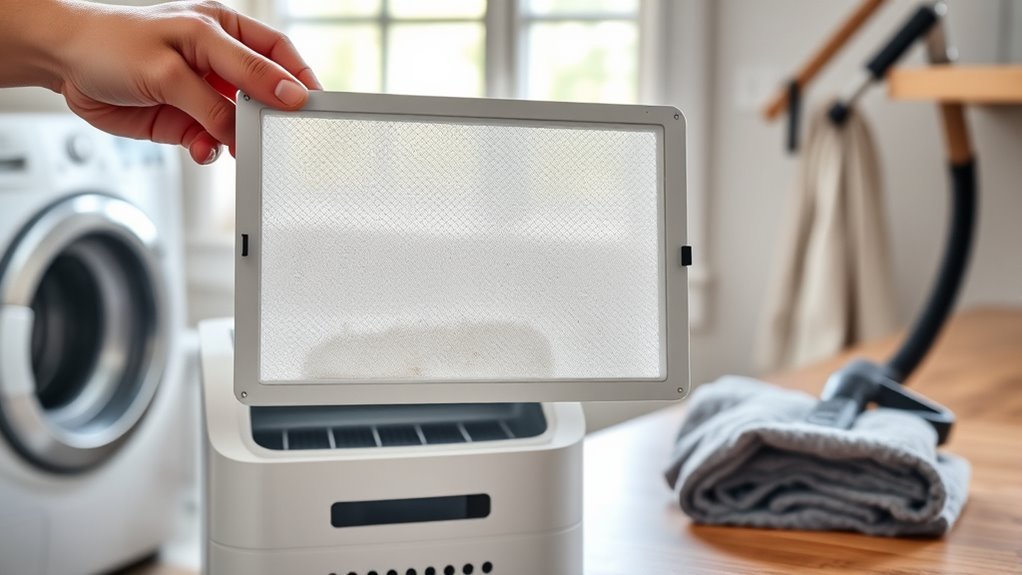
Start with the removable air filter. Turn off and unplug the appliance, remove the filter according to the manual, and clean or replace it as directed. Many reusable filters can be vacuumed or washed with mild soap and water, but they must be fully dry before reinstallation when the manufacturer allows washing.
Dust may also collect on accessible grilles or coil surfaces. Use a soft vacuum brush only where the manual permits. Do not bend coil fins, spray liquid into electrical controls, remove sealed-system tubing, or attempt to recharge refrigerant yourself.
Note: A dirty filter can explain weak airflow and poor performance, but hot exhaust by itself does not prove that a coil, compressor, or refrigerant circuit has failed.
How Room Temperature Changes Output
The temperature of the room affects both the feel of the exhaust and the unit’s ability to remove moisture. In a warm room, the incoming air and appliance components are already warmer, so the outlet can feel hotter. In a cramped space, operating heat can accumulate around the cabinet.
Cold conditions create a different problem. Compressor dehumidifiers may form frost on the evaporator coil when room conditions fall outside the range for efficient operation. Automatic defrost can temporarily stop the compressor while the fan continues running, so the outlet may feel cooler during that cycle.
- Check the room temperature and relative humidity.
- Keep doors and windows closed while drying the space when outside air would add more moisture.
- Leave the manufacturer-required clearance around the intake and outlet.
- Keep the appliance away from furnaces, radiators, dryers, and direct sunlight.
- Choose a model rated for the temperatures in the space instead of assuming every compressor dehumidifier has the same operating range.
A dehumidifier can warm a small room noticeably if it runs for many hours. That does not automatically mean it is overheating.
When Compressor or Refrigerant Problems Begin
Do not use outlet temperature alone to diagnose a compressor or refrigerant problem. First correct airflow, filter, clearance, bucket, drain, setting, and room-condition issues. A service problem becomes more plausible when poor moisture removal continues alongside persistent icing, abnormal compressor behavior, repeated overload shutdowns, or an error code that your model’s manual identifies as compressor, sensor, temperature, or sealed-system related.
Recommended Products

- Suitable for 2HP air conditioners and dehumidifiers
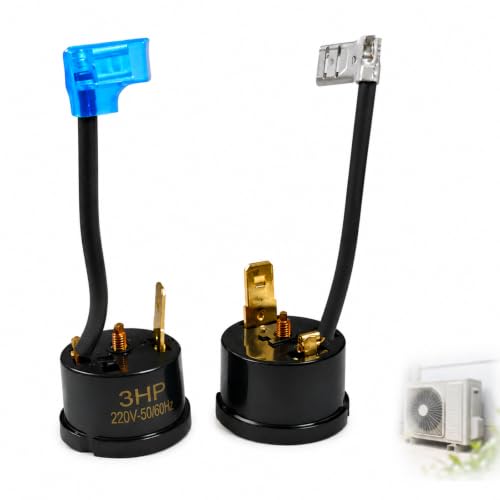
[3HP Universal Fit] Rated for 3HP (2250W) systems. Highly compatible with various air conditioner compressors, RV AC units, and dehumidifiers as a reliable replacement.

iRomehony Start Relay Fit for LG Magic Chef Refrigerator /Dehumidifier.
Could It Be a Refrigerant Leak?
Refrigerant is contained in a sealed circuit, and a homeowner cannot confirm the refrigerant charge by touching the outlet air. Possible signs that justify professional diagnosis include:
- Little water collection even though the room remains warm and humid
- Persistent or uneven coil icing
- The compressor running for long periods without lowering humidity
- An error code that the appliance manual identifies as a sealed-system fault
- Oil residue near visibly damaged refrigerant tubing, which can accompany a leak but does not confirm one by itself
- Performance that remains poor after the filter and airflow are corrected
Refrigerant should not be added as a routine maintenance task. Diagnosing leaks or repairing the sealed system requires appropriate tools and qualified service.
Compressor Strain Signs
A struggling compressor may hum loudly, click repeatedly, stop soon after starting, trigger model-specific overload protection, or run without effective moisture removal. Restricted airflow, excessive room heat, dirty filters, electrical problems, or an internal fault can all contribute.
Turn the unit off if the compressor repeatedly attempts to restart, the plug or outlet overheats, or the cabinet develops a burning odor. Repeatedly resetting an appliance with those symptoms can leave an electrical or mechanical problem unresolved.
When Service Is Needed
Arrange qualified service or consider replacement when:
- It continues to overheat after the filter, grilles, clearance, and settings are corrected.
- It repeatedly displays an error that the model’s manual identifies as a sealed-system, sensor, temperature, or compressor-overload fault.
- The compressor hums or clicks but does not remain running.
- Heavy ice repeatedly returns in a room within the model’s approved operating range.
- Humidity remains high and little water is collected despite correct setup and suitable room conditions.
- The cord, plug, outlet, or cabinet shows heat damage.
For an out-of-warranty portable unit, get a repair estimate before authorizing sealed-system work. Depending on the appliance, fault, warranty status, and local labor cost, replacement may cost less than repair.
How to Stop Your Dehumidifier From Overheating
- Turn it off and unplug it. Let the unit cool before touching filters or grilles.
- Check for recalls. Find the model and serial number on the label and compare them with the CPSC dehumidifier recall information.
- Inspect the cord and outlet. Do not use a loose, scorched, melted, or sparking connection.
- Restore clearance. Follow the manual rather than applying one clearance distance to every model.
- Clean the filter. Vacuum or wash it as instructed and allow it to dry completely before reinstalling it when washing is permitted.
- Clean accessible grilles. Remove surface dust without opening the refrigerant system or wetting electrical parts.
- Check the bucket and drain. A full bucket should normally pause a portable unit designed with that protection. Empty it or correct a drain problem according to the manual.
- Review the setting. Continuous mode can create more room heat than humidistat-controlled operation because the appliance may run longer.
- Check room conditions. Keep the unit within its approved operating-temperature range.
- Restart and observe. Stop using it if dangerous heat, burning odor, repeated error codes, or abnormal sounds return.
For normal humidity control, set the humidistat to a practical target rather than running continuously without need. The U.S. Environmental Protection Agency recommends keeping indoor relative humidity around 30% to 50% when possible.
Recommended Products

COMPATIBILITY: Our DH02 HEPA filter compatible with Afloia (AQ8/Q8)/ Honati/ Hysure Q7/ Tenergy Sorbi 2-in-1 Air Purifier/Dehumidifier(1000ML) or please double check before order
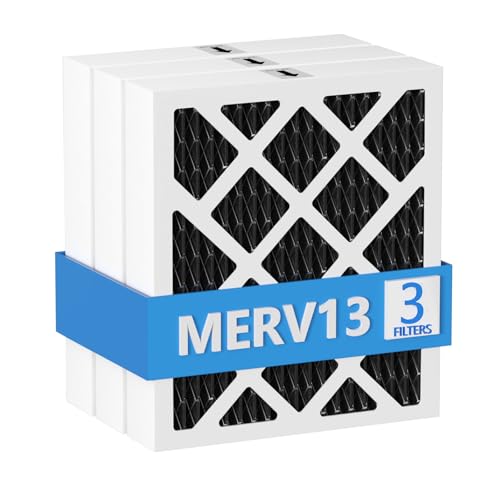
【Compatibility】 Our MERV 13 PN07126 Replacement Carbon Dehumidifier Filter Media is Compatible with Sanidry Sedona Dehumidifier PN07126 Replacement Filter.
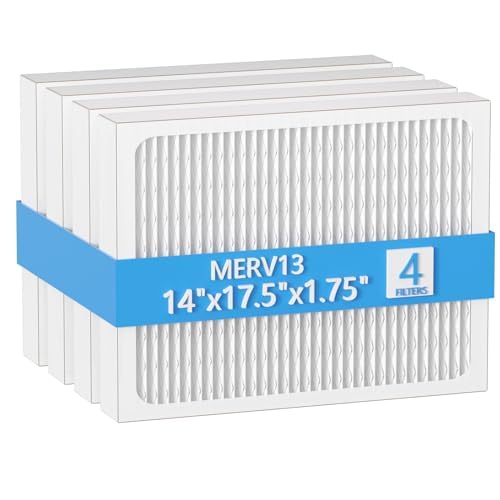
【Compatibility】 Our 14 x 17.5 x1.75 MERV 13 Replacement Dehumidifier Filter Media is Compatible with Honeywell DR90 & DR120 dehumidifier models.
Related Guides
Frequently Asked Questions
Do dehumidifiers make the air hot?
They return warmer, drier air to the room and can gradually raise the temperature of a small or enclosed space. Compressor models usually add modest warmth. Desiccant models can add considerably more because they use heat as part of the drying process.
Why is my dehumidifier blowing hot air but not collecting water?
First confirm that the room is actually humid enough for the unit to collect water. Then check the humidity setting, filter, airflow, bucket or drain setup, and the room temperature. Persistent icing, abnormal compressor behavior, or a model-specific fault code alongside poor moisture removal can justify professional diagnosis. Hot exhaust alone does not prove a refrigerant problem.
Can a dehumidifier overheat or catch fire?
A malfunctioning or recalled dehumidifier can overheat and create a fire hazard. Warm exhaust during normal drying is different from smoke, burning insulation odor, melting, scorching, sparking, or electrical heat damage. If you notice those warning signs, unplug the appliance and check its model and serial number against current CPSC recall information before using it again.
Should a dehumidifier blow out cold or hot air?
A compressor model normally blows warm air during active moisture removal. A desiccant model can blow much warmer air. Fan-only or automatic-defrost operation may produce room-temperature or cooler-feeling air because the compressor or heater is not adding the same amount of heat at that moment.
Can a dehumidifier heat a room?
Yes. A portable dehumidifier adds operating heat to the room, and a continuously running unit can create a noticeable temperature increase in a small space. Desiccant models generally have a stronger heating effect than compressor models.
Is it safe to run a dehumidifier overnight?
A unit designed for normal household operation can generally cycle automatically when it is installed and maintained according to its manual. Before unattended use, confirm that the model is not recalled, airflow is clear, the filter is clean, the cord and outlet are undamaged, and the bucket or drain is set up correctly. Do not leave a unit running if it smells burnt, sparks, shows heat damage, or repeatedly trips protection devices.
Conclusion
If your dehumidifier is blowing warm air, moving air normally, lowering humidity, and collecting water when conditions are humid enough, the heat is usually part of normal operation. Compressor exhaust is generally mildly warm, while desiccant exhaust can be substantially warmer by design.
If you notice smoke, a burning smell, melting, sparking, electrical heat damage, repeated overload shutdowns, or persistent poor moisture removal with other fault symptoms, unplug the appliance. Check its model against current recall information and use the owner’s manual or qualified service to diagnose the problem rather than judging refrigerant charge from outlet temperature alone.
Sources
- ENERGY STAR: Dehumidifiers — normal room warming and general dehumidifier guidance
- GE Appliances: Dehumidifier Exhaust Air Temperature Warm — manufacturer guidance on normal warm or hot exhaust
- Frigidaire: Dehumidifier Putting Out Hot Air — manufacturer guidance on normal warm exhaust and airflow
- Meaco: Desiccant or Compressor Dehumidifier — compressor and desiccant outlet-temperature examples
- Frigidaire: Dehumidifier Error Code Guide — model-family guidance for sealed-system and compressor-overload errors
- U.S. Environmental Protection Agency: Care for Your Air — indoor relative-humidity guidance
- U.S. Consumer Product Safety Commission: Dehumidifier Recalls — recalled models and overheating or fire hazards